
“If something scares you, do it.” – Derek Sivers.
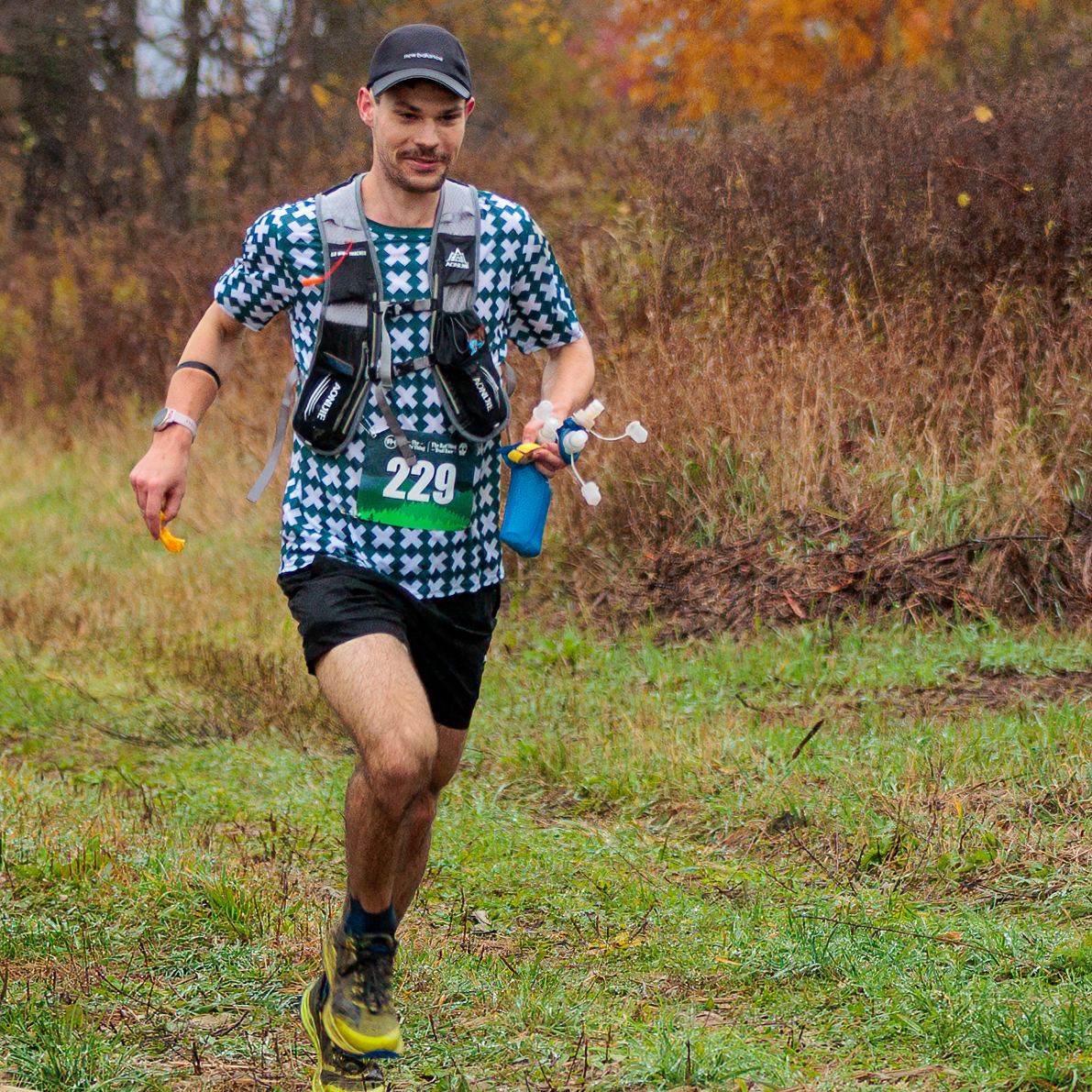
These are words that I think I’ve adopted all year long with my racing. Shorter, faster races are not necessarily “scarier” than longer races. But they are outside of my comfort zone, and not in service toward my perceived skillsets as an athlete in this sport.
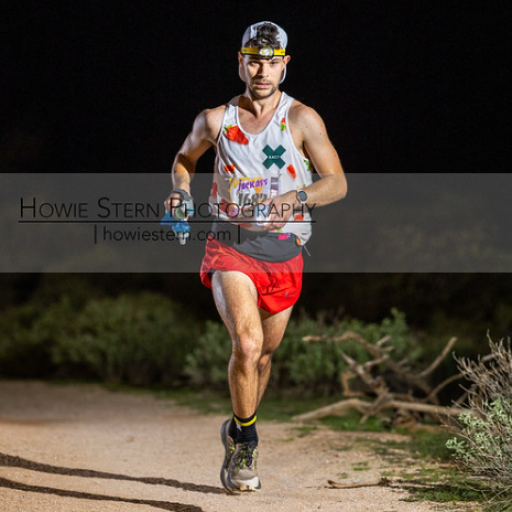
This is article #500 this year where I have written the words “I have never been the fastest.”
Testing myself in faster races this year was meant to help develop the required speed (and confidence to possibly stop saying things like this!) that could translate over to longer distances again in the future.
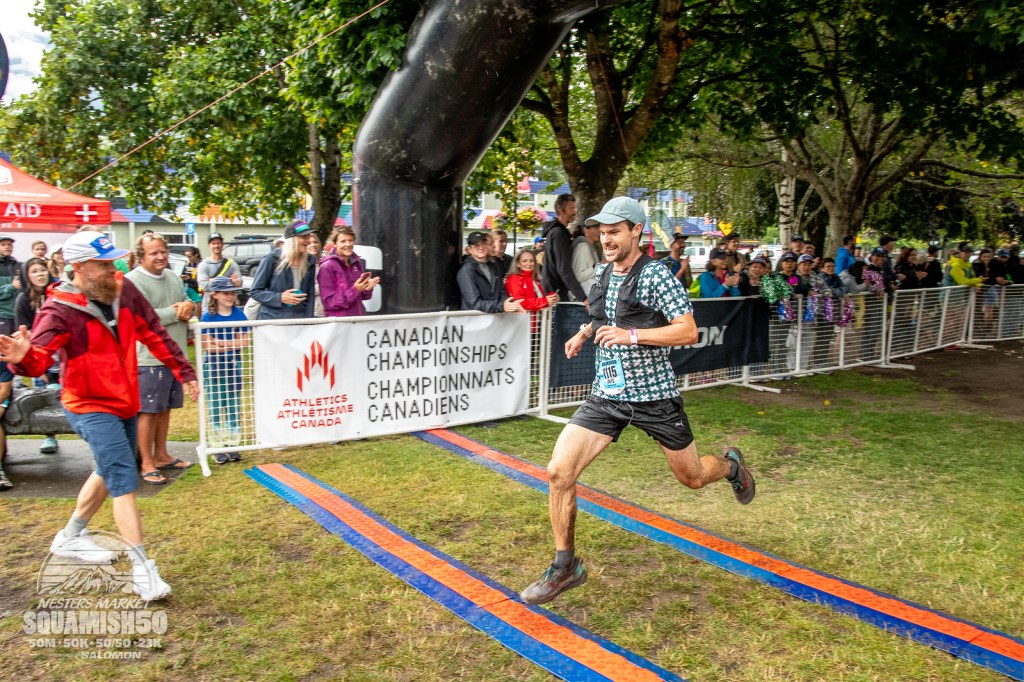
While training for these events has been more sustainable and in service of a holistic balance to life that I desire (given all my interests and demands!), I will inevitably be more competitive in races where there is more time for others to make mistakes.
I’ve dropped all the way down to a road 10K this year, and the Victoria Marathon was to be the final act in this year-long journey of shorter, faster racing.
Marathon running is unquestionably hard – requiring the body to maintain blistering paces over the span of two to three hours without any time to take a chill pill, as you might have in a trail race.

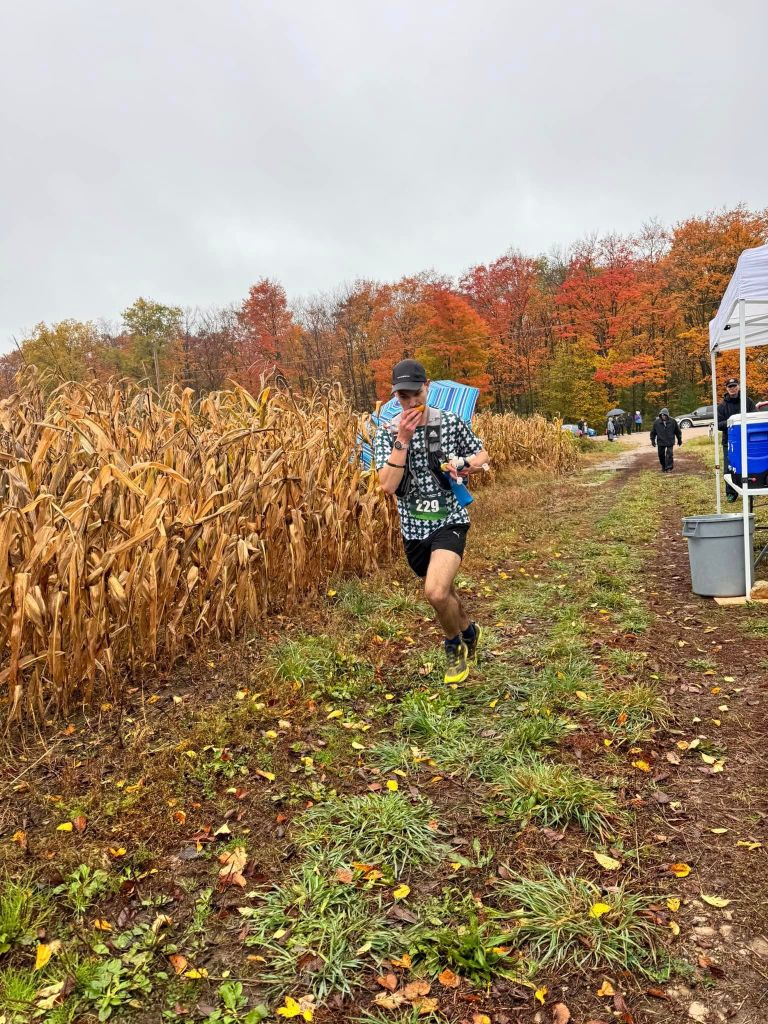
XACT Nutrition have offered me many opportunities over the years, from Montreal to Quebec City to Vancouver to Philadelphia. I declined every single time. I even told athlete manager and friend Pierre-Luc that marathons scared me more than running in a thunderstorm. A different time, I said I would be less fearful of a 100-miler.
It’s unlikely to me that either statement was ever true. But I think my silly list was simply naming things I had no interest in doing.
But as time has evolved and more energy has gone into coaching athletes competing in marathons, I have tried to quell my fear and give it a whirl.
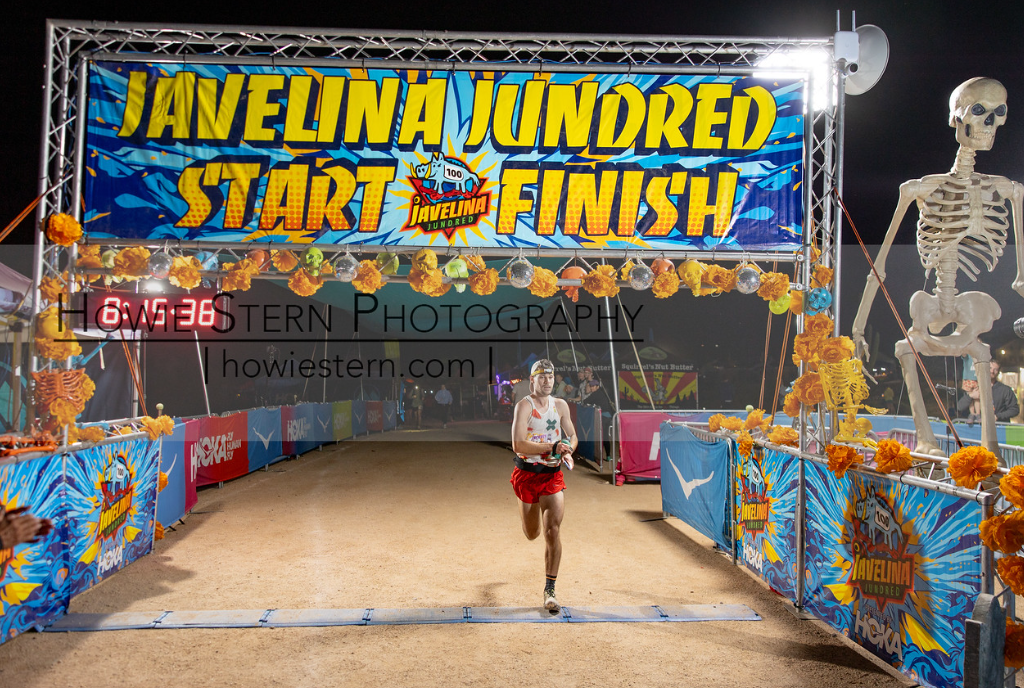
Truthfully, there is some magic to training for road events. Workouts, and specifically workouts attached to long runs, are generally more enjoyable when preparing for a flatter race like the Victoria Marathon. I discovered this leading up to Javelina and Historic Half last autumn.
I knew that I would fully enjoy the training process. But as the calendar countdown continued, I would have taken any opportunity to escape from running the thing. I just didn’t have an excuse, and so I kept telling myself to enjoy the event with zero expectation of how it might go.
The main problem I have with these kinds of races is upward comparison. Trail events are finnicky enough where you can make great choices, have a great day, and capitalize on someone else’s suboptimal choices and day.
When you’re racing ultras, you can look at ten people that are faster than you, and still think to yourself “Yeah, but I can beat them.”
Road events, and even trail races of shorter distances, are typically streamlined from fastest all the way down on the leaderboards. There are fewer mistakes that happen, and fewer mistakes that prove costly enough should they happen. So you can’t really have the same sense of optimism.
I coach, I study, and I know what my friends can run. I know that all of them can run between 2h30-2h40.
When you coach enough athletes, you get really good at predicting what they can run across different distances. If you’re both an athlete and a coach, the curse is that you then get really good at predicting your own levels of fitness. If it’s not where you’d dream of being in comparison to those that you know you’ve beaten in trail races, it can become disheartening.
So as key workouts came and went, it seemed like the possibility of running anything faster than 2hr45 would be unlikely, and require everything to go right.
About two weeks ago, I made the decision to go in with an open mind, focus on enjoyment and fulfillment, and not think about time goals.
I focused on downward comparison instead, remembering how lucky I am to have been able to work hard enough throughout my life to still be faster than the 99%. I rendered comparing myself to the 1% futile and purposeless, and kept plugging away in training.
When asked, Coach Jade believed that I could run that pace and sustain it over the long haul. I trusted her, and that was all I needed to trust myself and just go for it on race day.
But I still needed to shut out any source of negativity.
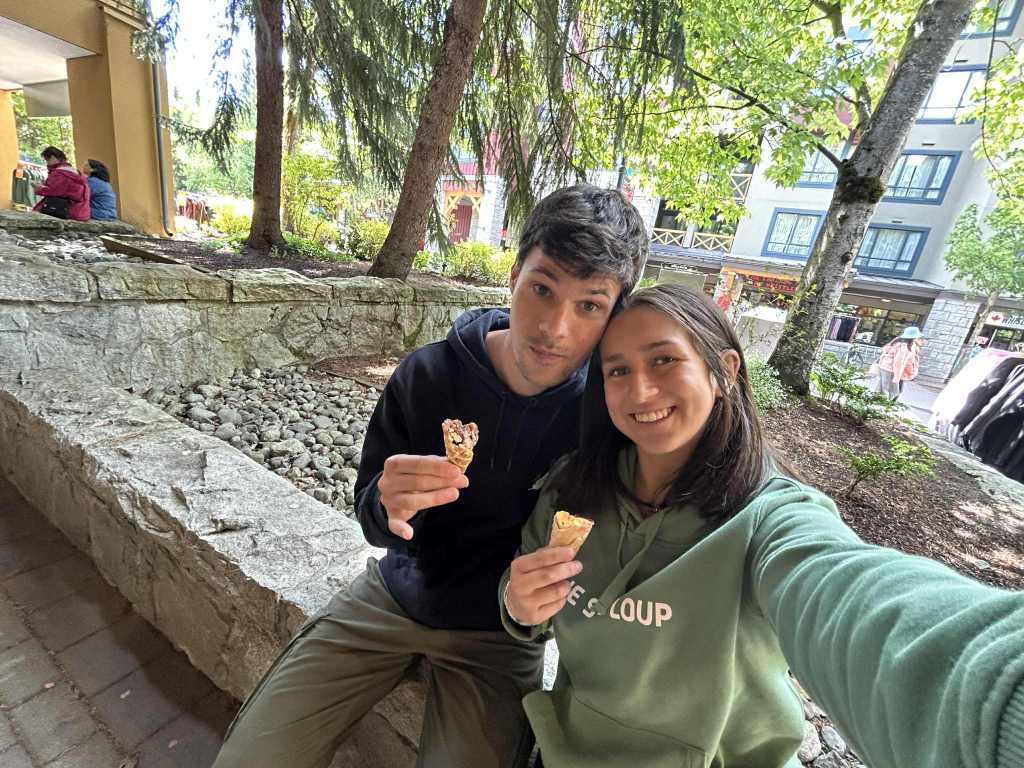
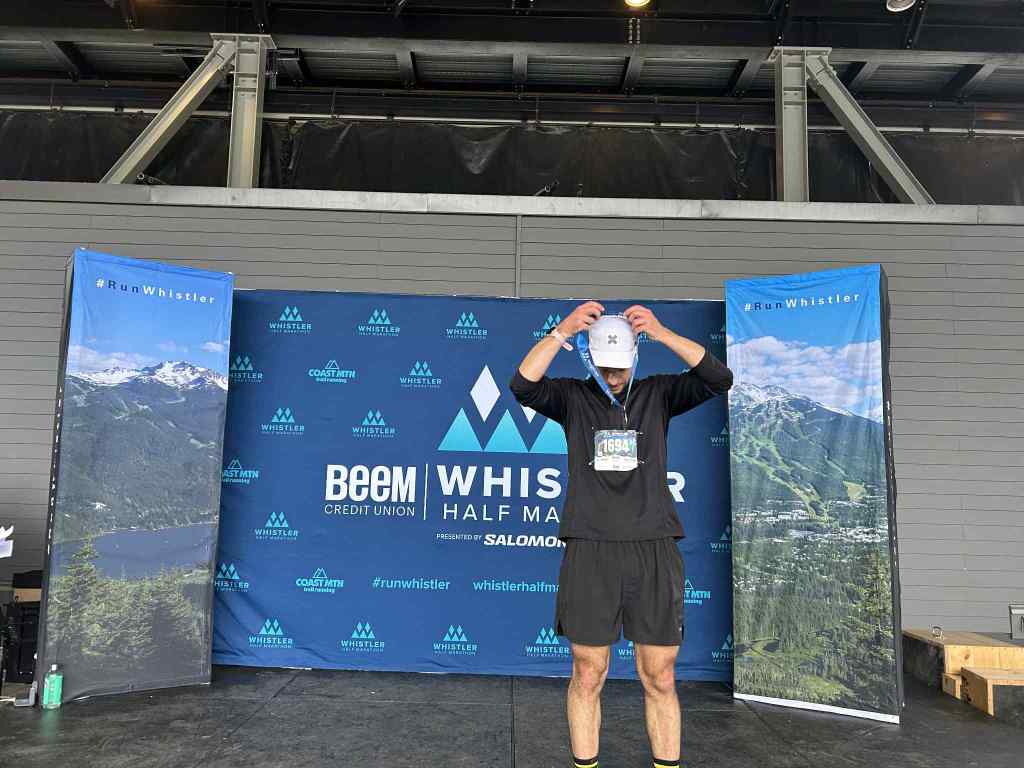
On two occasions this year, I’ve let negative thoughts (and just thinking in general) rule my race. I had this particular problem in both Trail des Collines and the Whistler Half Marathon – where I simply had too many thoughts swarming my mind.
When I noticed this pattern a lot in training across the past few key long runs, I came to the only sensible conclusion – stripping myself of all expectations. If I could, I wanted to think as few thoughts as possible on race day – positive or negative.
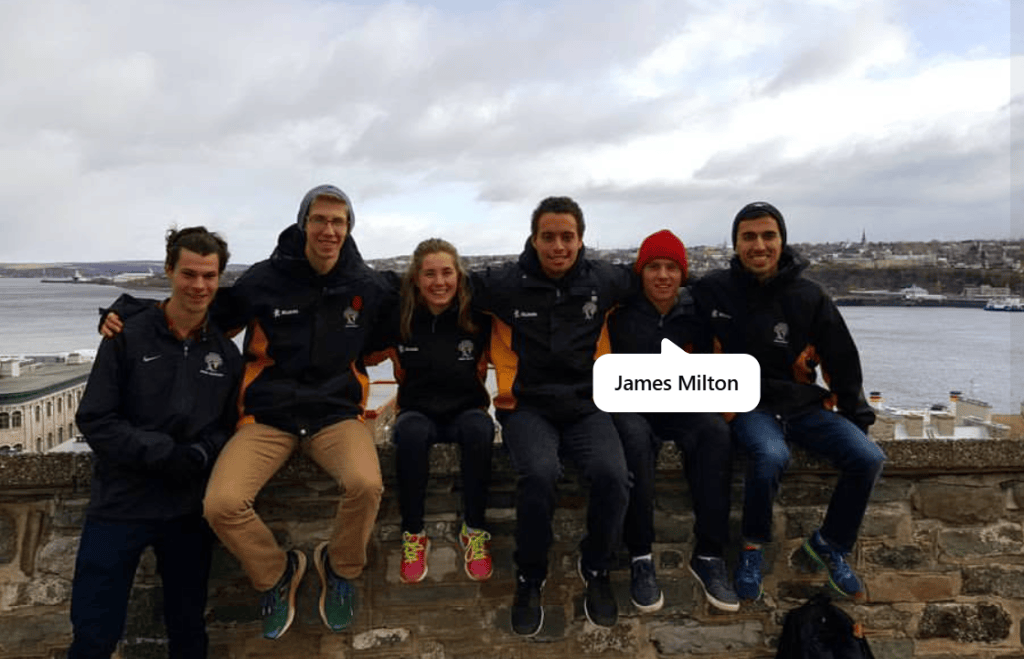
This was a strategy adopted by a former teammate of mine at the University of Waterloo. After he finished something like 25th at Nationals, our coach had him give his grand secrets to the rest of us. I don’t know if our coach expected captain James to give some unforgettable, motivating speech or what. His words were anything but poetic, but certainly unforgettable.
“I just told myself – ‘just go.’ That’s all I thought the entire time.”
First, I was wowed by the possibility that a human could suffer through the blistering paces of a 10K cross country race and think zero thoughts the entire time.
But underneath the surface there was something abundantly clever in his simplistic approach.
There aren’t many more motivating words in the English language than “go”. By saying “just go” the entire time, you’re cutting through the noise and doing away with distractions. No negative thoughts can enter your mind, and everything you then think to yourself is leaning toward the positive.
Without even intentionally trying to do this, this is exactly what I told myself over and over again on race day, in a variety of different forms.
It was particularly helpful at the chaotic start of the race. Marathon and half marathoners started the race together, and in designated corrals that pushed some runners (like me) further back.
I couldn’t even cross the line in a running motion because of the crowd. In some ways, that kind of start can be helpful.
The first kilometre is always the fastest in a race like this, as adrenaline rushes and fatigue sits at its lowest. So in some ways, starting slower wasn’t the worst thing in the world.
But it was stressful trying to pick a line to navigate past hundreds of runners just to find those at a similar pace.
It wasn’t until around the seventh kilometre or so that I caught up to the runners I should have started alongside.
But throughout that time, I just stayed focused on the task at hand. I took it one group at a time, letting myself use each group to block the wind for a moment or two before moving to the next pack.
As we navigated through the constant curvatures and tight turns of the road, I found myself in a rhythm with a guy named Max, and tailed by one of the lead women, Emma.
Max had an exuberantly positive attitude, saying hello to people and chatting his way through the speed. He felt like the perfect person to stay in lock-step with, especially because he was also making his way through the pack.
After keeping him in my sights for a few more kilometres, the race split off. A pack of dozen half-marathoners curved to the right with Max, and suddenly, there were only five or six of us curving to the left.
Again, I focused one pack at a time. I made it my mission to chase down the next pair of guys, and quickly outran them. That’s when I had my first conversation of the day.
“What time are you aiming for?”
“No idea,” I said. “This is just experimentation. But I know we’re in the right place if we’re talking like this.”
The other runner agreed, and with the help of a guy in blue, we made up ground on all those ahead.
But as the hills evolved and I controlled my effort, I fell of their pace. It was around the halfway mark at this point, and I was feeling amazing. I was trying not to have proclamations over the future, but it was feeling like one of my best races ever.
I don’t know whether it was those narratives, or the lack of runners around me, but it was at that moment that my pace started to drift. I had taken time to switch my bottles, take in a gel, and do some mental math, all along the hilliest section of the course.
I had two of my three slowest miles of the day there (6:34 and 6:36), and I began to fall behind runners that I previously thought to be beatable.
I was tracking the race in miles so that I could do less thinking. It meant fewer watch vibrations, and numbers that meant less to me.
It was clearly my first low-patch of the day and I needed to snap myself out of it, and get back into a rhythm. So, more or less, I told myself “just go.”
I focused on picking up the pace just a little more, aiming to hit the next two miles somewhere in the 6:20’s to slowly get back on track.
Despite most of that section being uphill, the train steamed on, powering along the tracks rather than exhausting the engine.
I glanced at my watch: 6:27, 6:26, 6:26.
From there, I never fell off the pace again.
Especially, with the help of runners making their way up the field.
Instead of letting anyone get the best of me, I rolled on with a new pack. Funny enough – five or six of us all wearing black shirts.
One of the first runners we caught was the guy who asked me about my time goal. I told him to “come with us”, which seemed to motivate me more than him. I used that energy surge to regain the front of this pack and continue chasing runners down, urging them to come with me in the spirit of my effort.
Three of them did, and we continued pushing every step together. Over the next few miles, three became two, and I tucked behind that pair.
At this point, we had caught up with all the half-marathon runners toward the middle or back of the pack, and luckily had free reign for our own section of pylons to the right of them. We could therefore still see the two runners wearing white up ahead, who looked tired as the time ticked by.
Gradually, the three of us continued to charge them down. But the distances were narrowing ever so slowly through the crowds.
One of our men in black fell off the pace, and the other charged ahead with a new guy in orange.
So for the remaining few kilometres, I only had my eyes set on the last remaining runner in white, slowly making my way toward him. I never rushed to catch him, trusting that I would by pushing at the right moment.
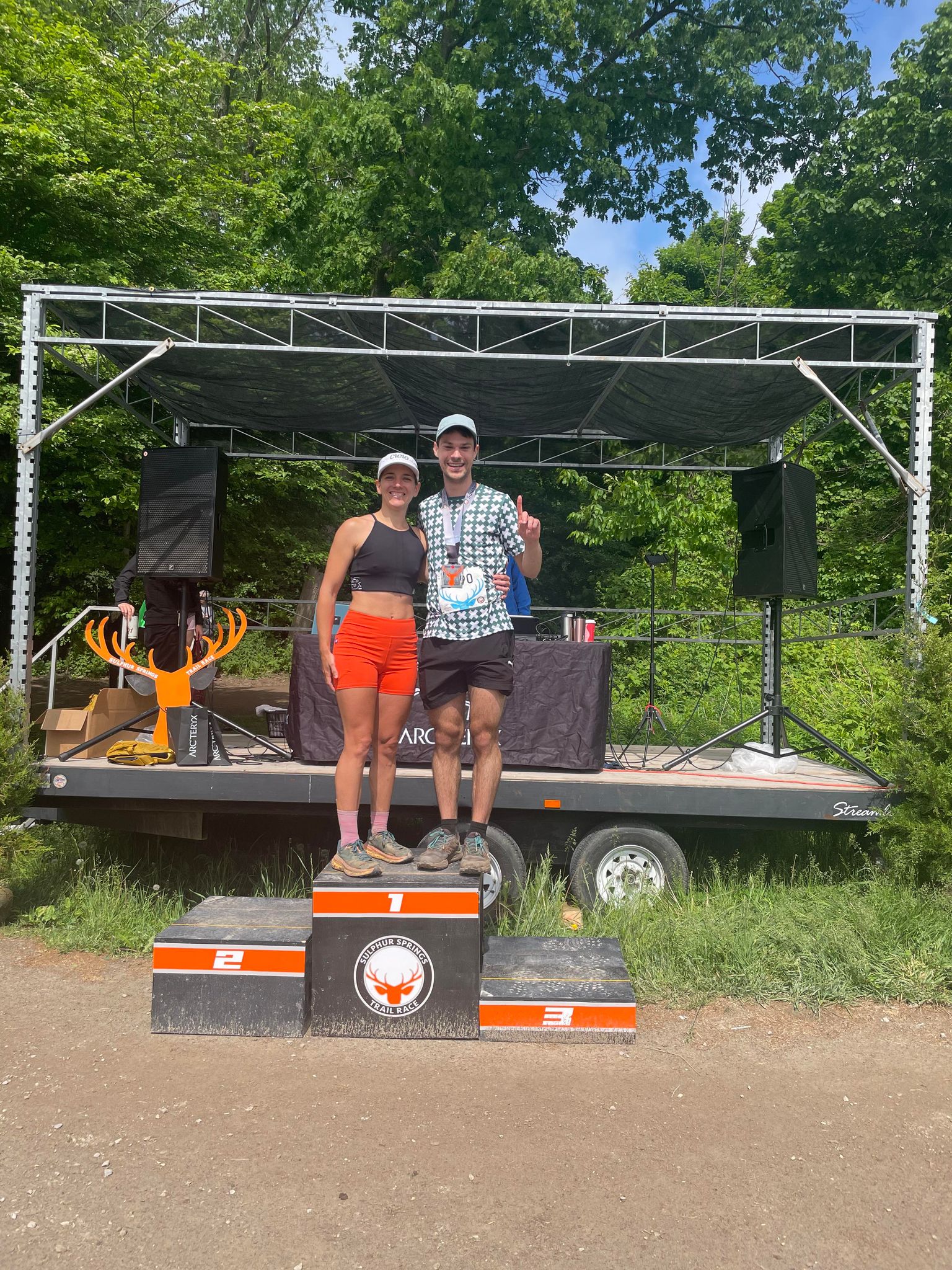
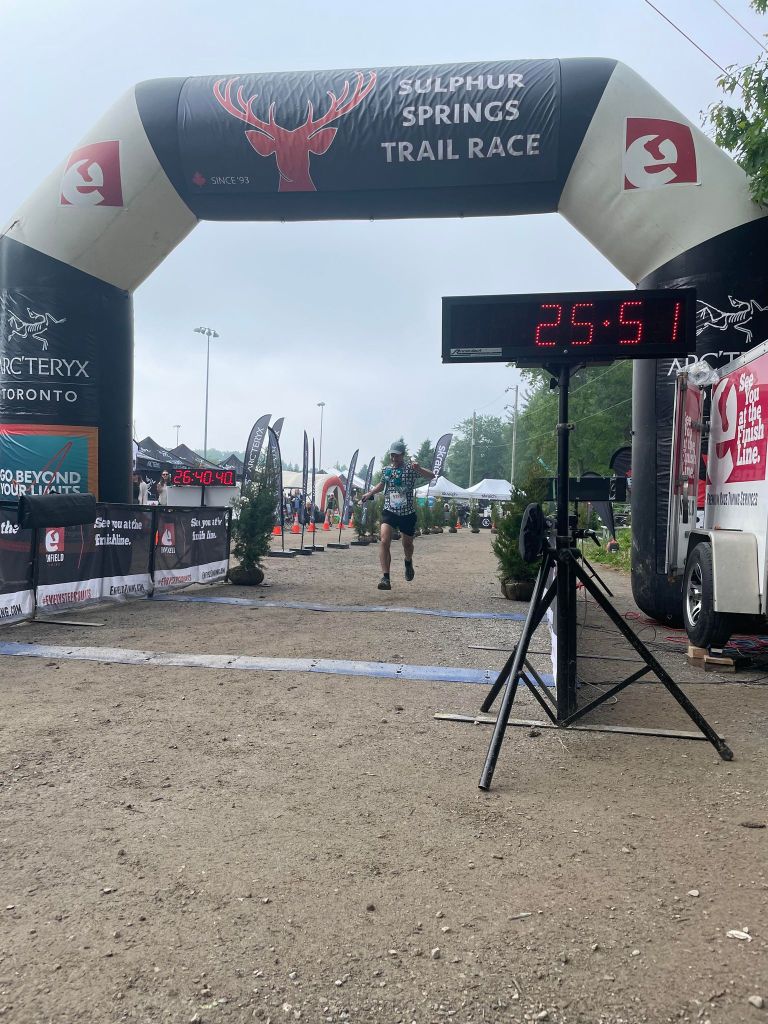
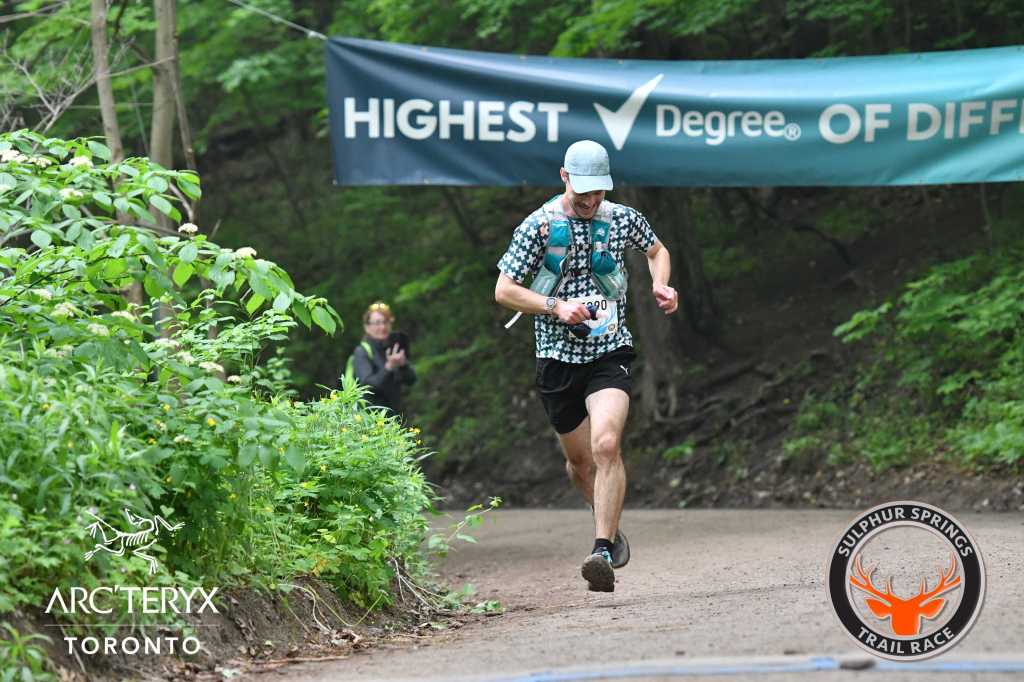
It was reminiscent of chasing Aaron Hendrikx down at the 2024 Sulphur Springs 20K, only with so much more pain in my legs and so much more effort required.
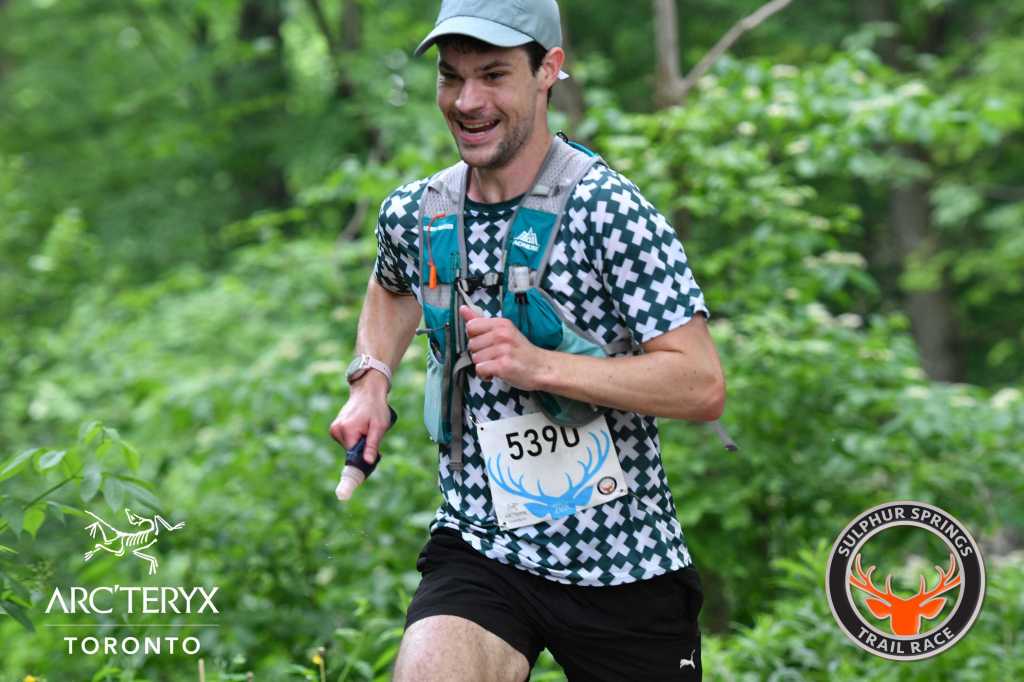
It wasn’t until the final 800m that I made my decisive move, starting my kick from the 3:40’s to the 3:20’s (per km) with 600m to go. From there, I sprinted all the way to the line, finishing in 2 hours 45 minutes.
I thought I would need a very good day of everything going right to finish in 2 hours 45 minutes. It’s safe to say, I had a very good day.
It’s still not within my comfort zone to run like that on roads, but I was perhaps most impressed by all of my best moments coming on flatter ground. On every hill, other runners tried to make moves as I just held the same effort, knowing the hills wouldn’t have any affect on me. It was on the flats where I was able to consistently make moves, which is a stark contrast to just a few years ago.
I’m not sure I’ll do another marathon anytime soon. But at the very least, I’ll be able to enter the next one with significantly more confidence about how the day might go.
And as far as “scary things” go, I’ll be doing more of them in the future, hoping to prove myself wrong again.
Thanks for reading and see you soon!
If you want to surprise yourself and enjoy the training process along the way, feel free to reach out to me to discuss coaching.
Trail Running & Marathon Coaching
I work with runners of all abilities, helping you take your potential to the next level, while enjoying your time on the trails (or roads!) in the process.
I started coaching in 2014 as a teenager. By 2020 before the age of 25, I was teaching a university class on Coaching & Leadership, directing a soccer club, and working with professional athletes, coaches and sporting clubs to help them achieve their high-performance goals.
In 2023, I slowly began my transition from working with soccer professionals to running pros. I now coach runners of all abilities, seeking to better their performance.
I work with athletes who podium the biggest races in Canada, to athletes finishing among the best in their age group, to athletes looking to complete their first 50K, marathon or trail race.
Meanwhile, I’m a top 1% worldwide athlete in the sport myself, working toward my own high-performance goals.
But while I love being an athlete, I’ve always thrived off coaching more. I want to help you to reach your goals, and do so for an affordable price.
This includes…
✅ An adaptive training plan based on what actually happens in your life and your specific needs.
✅ Feedback and open dialogue on every single training run and race. Responsive communication via text or email whenever you need.
✅ Canadian specific knowledge ~ Helping you prepare for races across Canada.
✅ Proven success as an athlete & coach, providing expert insights into mentality, nutrition, recovery, and racing.
Why Rhys?
I come from a decade of coaching experience, and two decades of running experience at the high-end of the sport.
MENTAL SKILLS
Specializing in…
-> Positive psychology
-> Perfectionism
-> Confidence
-> Life outside of running
SPORTS PERFORMANCE
-> Speed development
-> Trail-specific development
-> Optimal training and optimal recovery strategies for your unique make-up
Testimonials
Rhys has been such an awesome coach to work with! He’s super flexible and always quick to respond whenever I have questions or need to make changes. You can tell he genuinely cares about helping you succeed. I’m really grateful for all his help in reaching my goals for this season!
— Laurence L.
I am 56 years old, living in very flat Ontario. I only started running regularly in the summer of 2025. Prior to working with Rhys I had competed in just two 5K races. After 16 weeks of training, I ran the Mourne Skytrail and came third in my age group, beating my original goal by a full hour. Through a constant feedback loop in which I was able to give nuanced and accurate assessments of my running, Rhys was able to build an evolving plan that targeted my specific needs.
— Ivan L.
WEEKLY TRAINING PLAN, DAILY FEEDBACK
Not just a training plan, but one that adapts to your schedule, with daily feedback and communication. My aim is to help you grow closer to your true potential as a runner, while enjoying the process along the way, and connecting you with all the resources you need to succeed.
I WORK WITH…
✅ Professional and elite trail runners competing for podium finishes and national team places.
✅ Busy working professionals + parents with demanding schedules that still want to show up strong and reinforce their love of running.
✅ Post-collegiate athletes making the transition into road running or trail running.
✅ Athletes working toward their first 50K, marathon, or trail race.
Reach out to Rhys!
Think I can help? Get in touch with your questions!
You can also follow my work on social media:


Why Rhys?
I come from a decade of coaching experience, and two decades of running experience at the high-end of the sport. I’m a part-time professional trail runner for XACT Nutrition, competing in the biggest races in Canada.
I have also worked with professional athletes, coaches and clubs through my sports performance consultation on TheMastermindSite.com, and love helping people improve their craft.
MENTAL SKILLS
Specializing in…
-> Positive psychology
-> Perfectionism
-> Confidence
-> Life outside of running
SPORTS PERFORMANCE
-> Speed development
-> Trail-specific development
-> Optimal training and optimal recovery strategies for your unique make-up
Do you want to?
-> Gain expert insights into fuelling, pacing, training and the mental side of performance?
-> Have a training plan tailored to your body and the specifics of your next race?
-> Become a SMARTER and faster runner on the trails?
-> Improve your strength and injury resilience, while prioritizing your long-term development?
-> Take your untapped potential to the next level?
Current Location: North Vancouver, BC
Brand: XACT Nutrition
Distances: Short-Trail / 50K / Sub-Ultra
Strava: Rhys Desmond | Profile
UltraSignup: Results
ITRA: Results
2026
🥉(AG 25-29) Royal Victoria Marathon
4️⃣ Whistler Half Marathon
5️⃣ Run Ridge Run 25K
9️⃣ Squamish 23K
2025
4️⃣ Javelina Jackass 31K
4️⃣ Trail Coureur des Bois de Duchesnay 34K
6️⃣ Ultra-Trail Harricana 28K
6️⃣ Historic Half Marathon 21K
🔟 Gorge Waterfalls 30K
2024
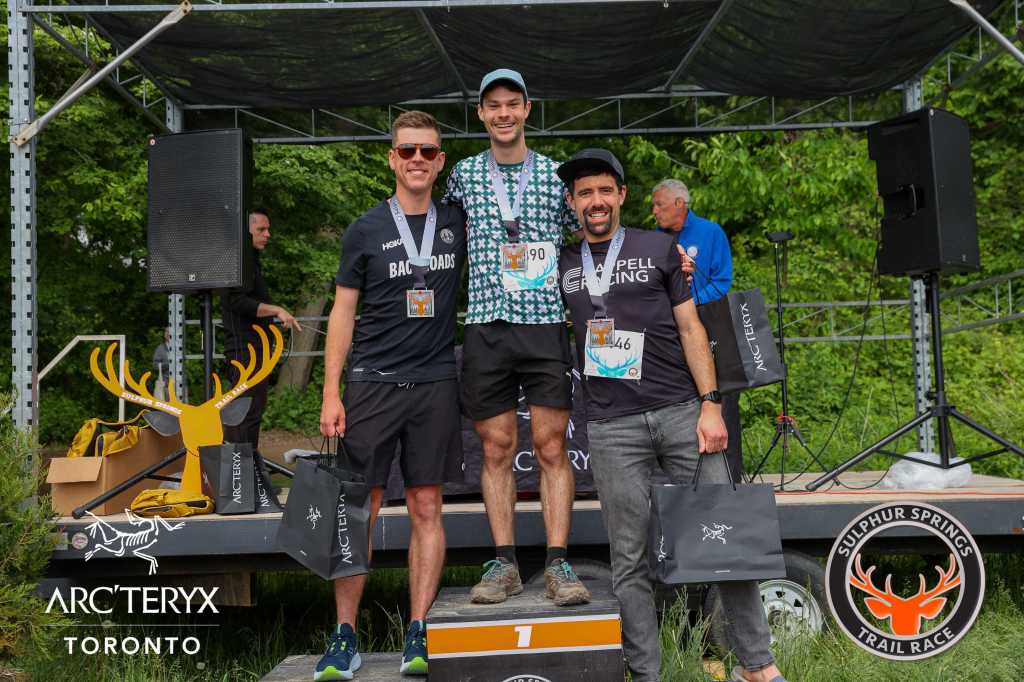
🥇 Sulphur Springs 20K
🥈 Ultra-Trail Harricana 42K Classique
7️⃣ Quebec Mega Trail 50K
9️⃣ Gorge Waterfalls 50K
⏸️ Squamish 50K – National Championships
2023
🥇 The Bad Thing 50K
🥈 Falling Water Trail Marathon 42K
🥉 Sulphur Springs 50K