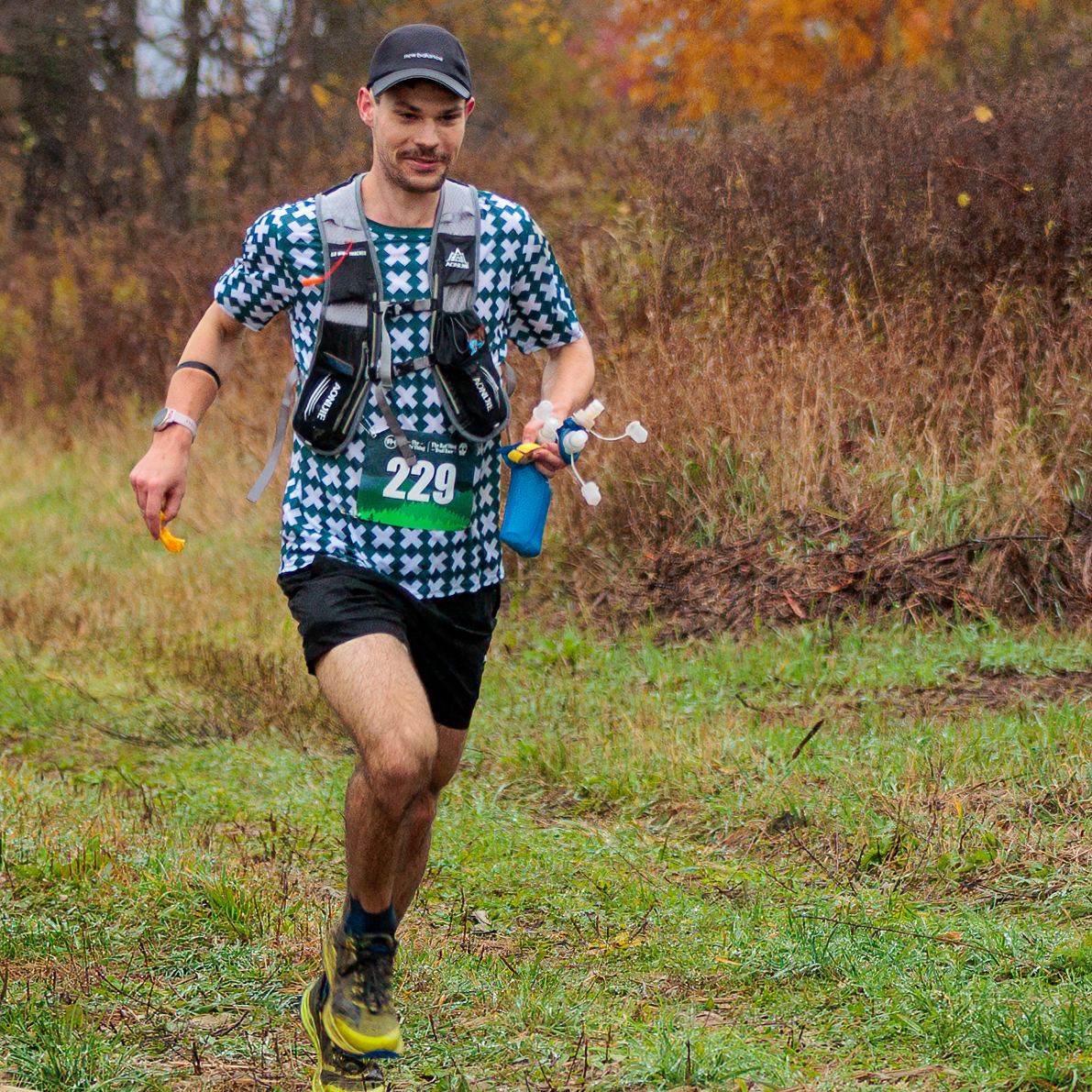
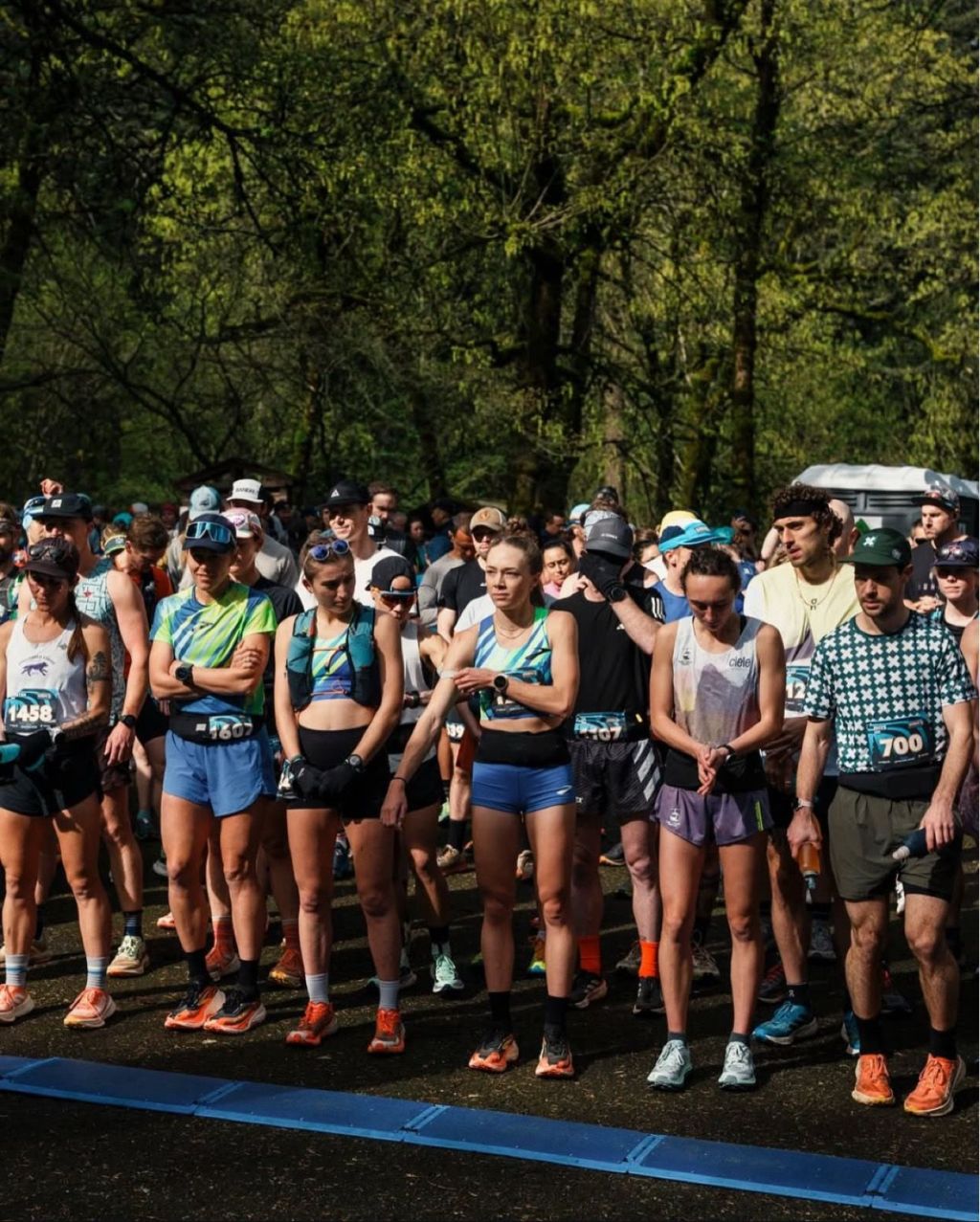
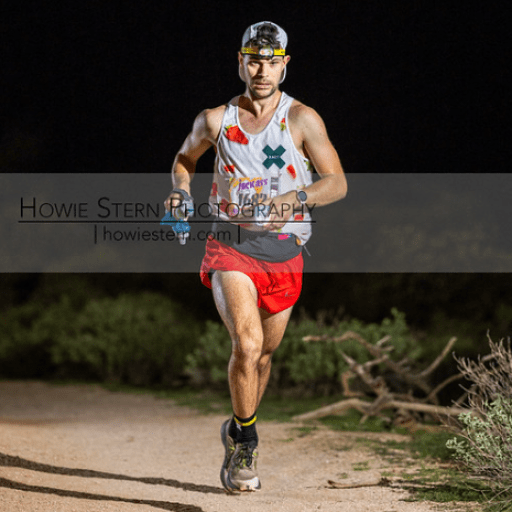
On Saturday May 3rd, one of my Ontario trail running friends won the Rugged Raccoon 50K with ease, keeping his heart rate to an average of 132 bpm despite a blistering 4:30/km pace across the 50K.
Dylan Pust is a phenom in the Ontario trail running scene, and I’m eager for him to start chasing more competitive races elsewhere in Canada.
We arrived onto the trail running scene at exactly the same time. Him, coming from a triathlon background, and me, coming from years of slowly getting back into running following a hamstring injury.
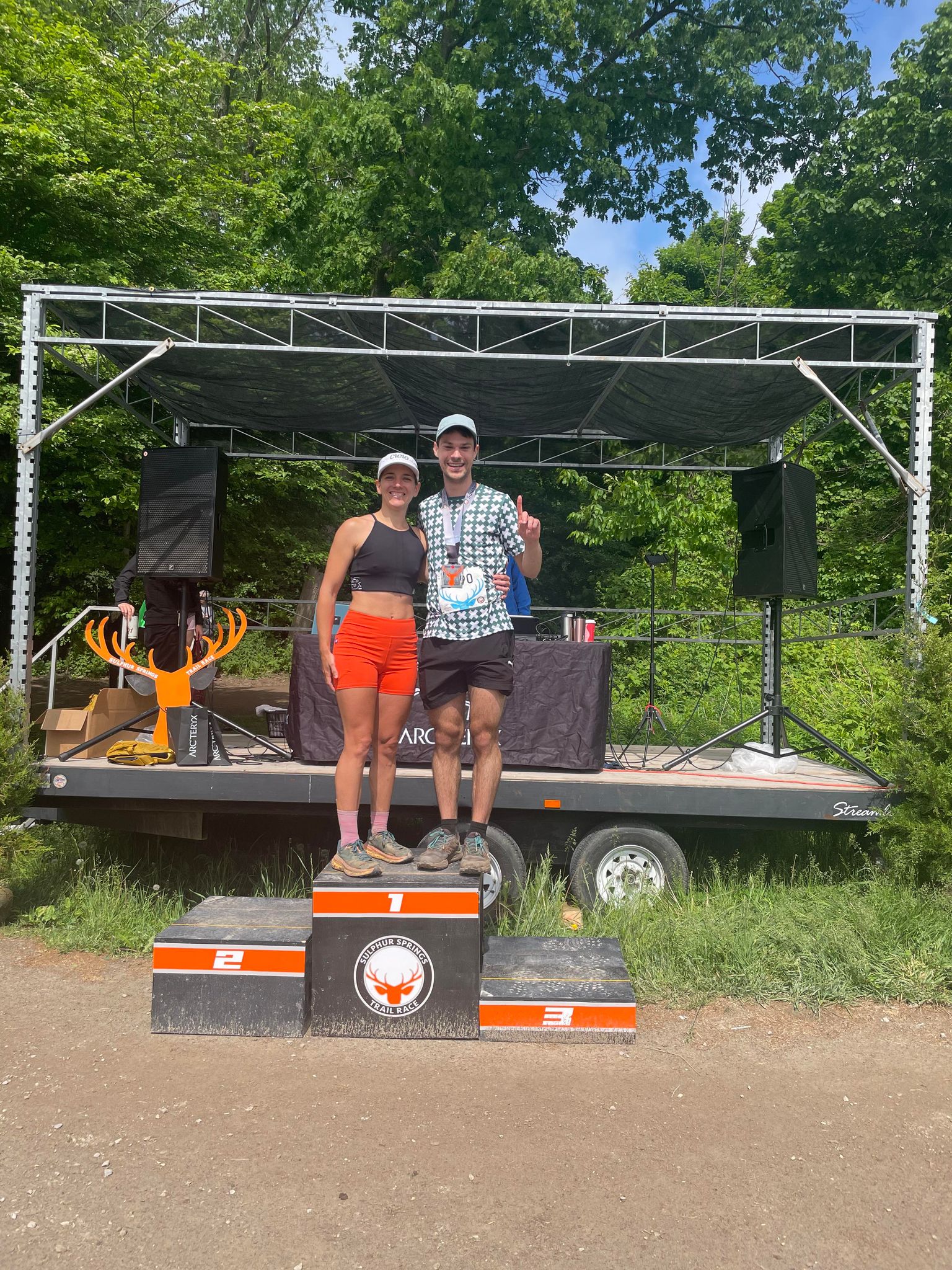
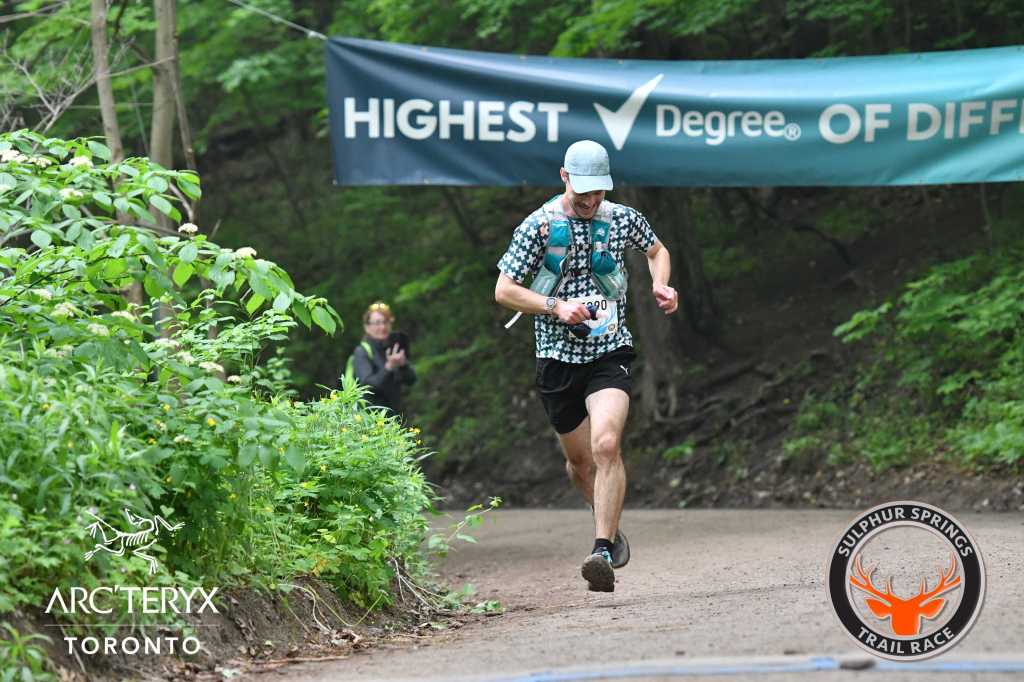
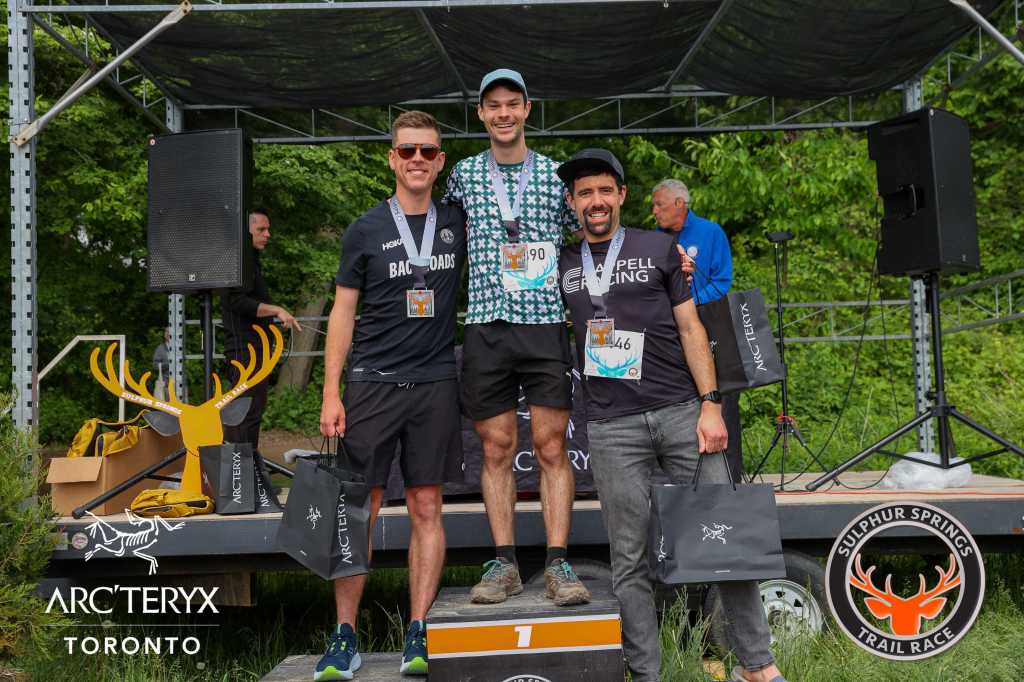
We raced our first two trail races together, with Dylan besting me by nine minutes at the Sulphur Springs 50K where we took first and third; followed by a fifty-second gap at the Falling Water Trail Marathon later that summer for first and second.

I credit the time reduction entirely to the technicality of Falling Water, where someone like me always has more time to make up than an uber-runnable race like Sulphur Springs.
I won the technical battles that day, and Dylan won the runnable battles. Who came out on top? Dylan. Because he was a significantly stronger runner and that’s what matters more.
Dylan, if you’re reading this, I hope you can find your GPX file from that day and upload it to Strava. The world needs to see that V02 max uphill power.
Instead of recognizing that weakness, I leaned into my strength.
Instead of focusing on becoming a better runner like Dylan, I focused on becoming a better mountain runner, like the me that already existed.
And for mountain races like QMT and Squamish, that approach held value. You need to be able to handle the steep downhills and rocky terrain without the muscles coming to a complete combust.
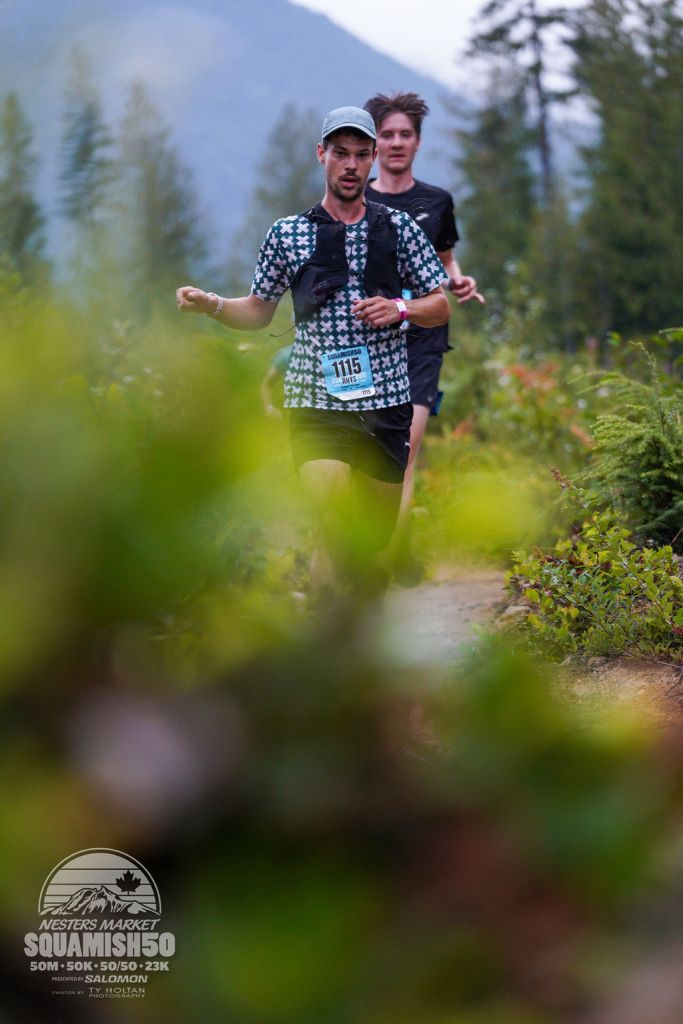
But you also need to be an efficient runner to truly fight for the podium at any of these major mountain races. The best right now in all of Canada, Alex Ricard, literally competed in a road half marathon today.
Within my 2023-2024 training approach, I got very good at sustained climbs, technical terrain, rolling hills and steep descents.
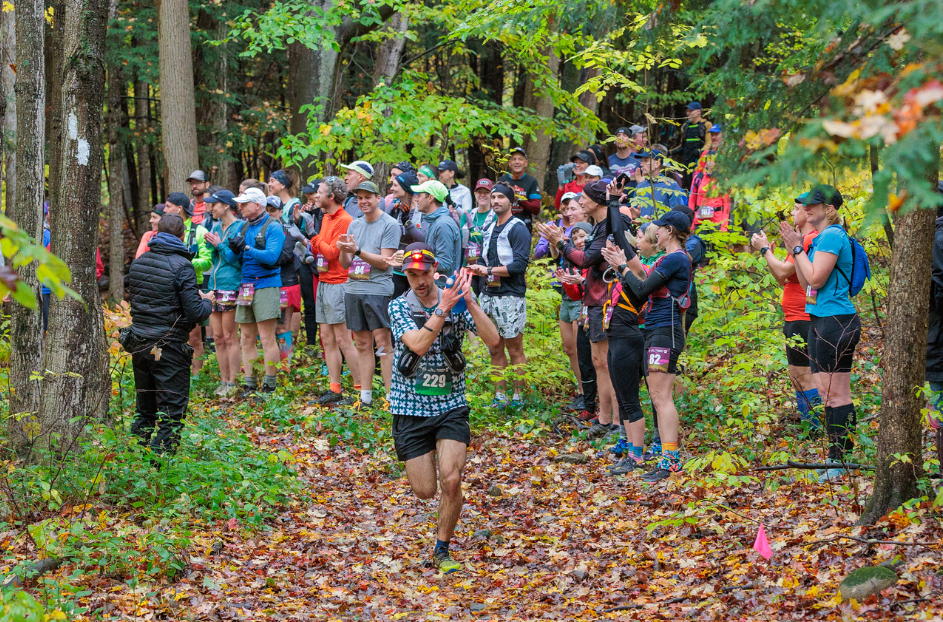
But there are many runners at the top end of trail running who have gotten very good at that same stuff despite spending half the time on trails and mountains.
I knew I needed to prioritize my “speed” in 2025 to get faster like those guys. But I didn’t realize how quickly we could make cosmic changes just from more of an emphasis on one thing:
Road running (i.e. running economy and efficiency).
One of my favourite pieces as of late speaks to this in great detail:
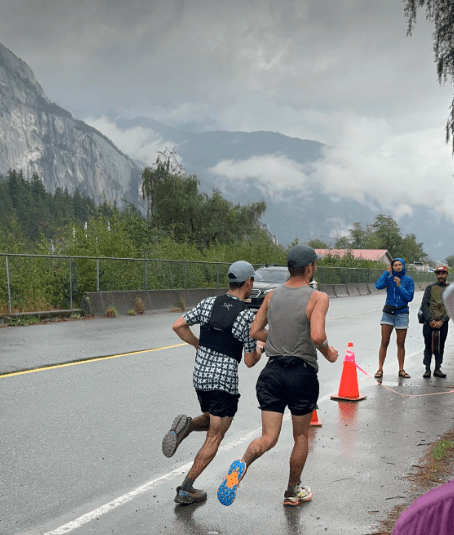

But the coolest thing in watching my own development from the start of the year to now (five months in), is how we’ve made these changes without much in the way of speed work.
We’ve barely done:
❌ Flat and fast strides
❌ Short and fast intervals
❌ Track workouts
Speed work has instead been mostly:
✅ Fast hill strides
✅ Uphill threshold work
✅ Progression pick-ups at the end of long-runs
Most of the stuff that I would have scheduled in for myself has been maintained, but developed with more intentionality and precision.
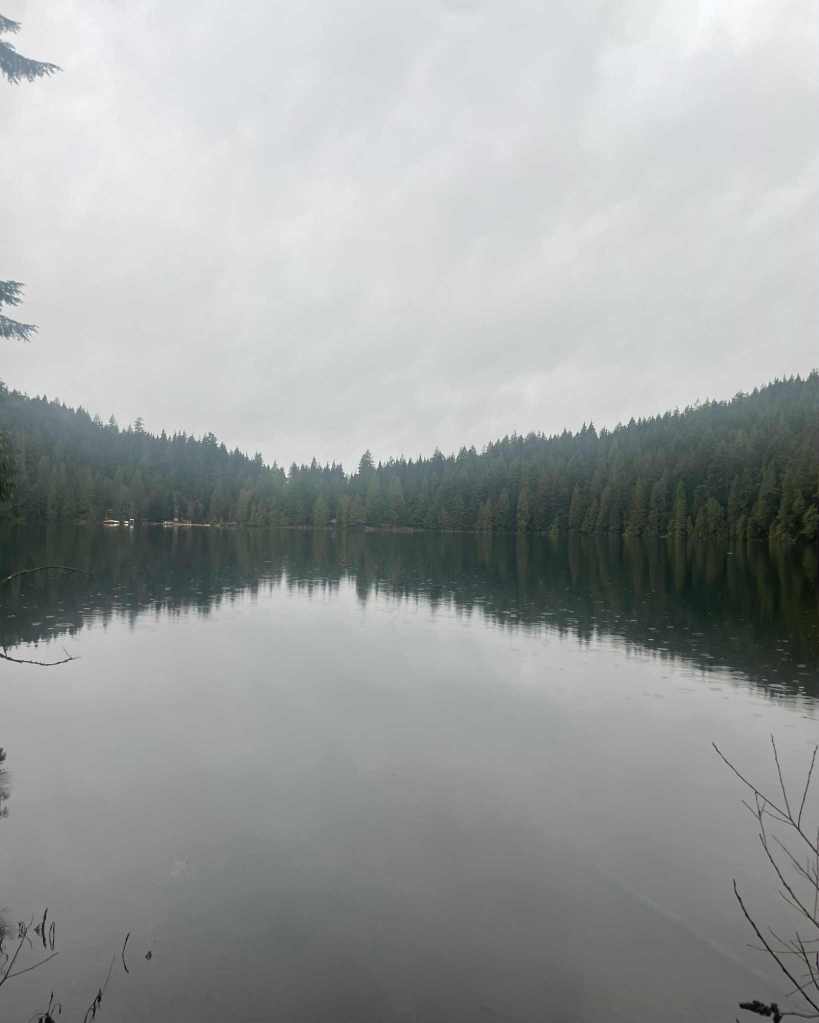
For example, instead of chasing the most vertical gain imaginable on trails like this:
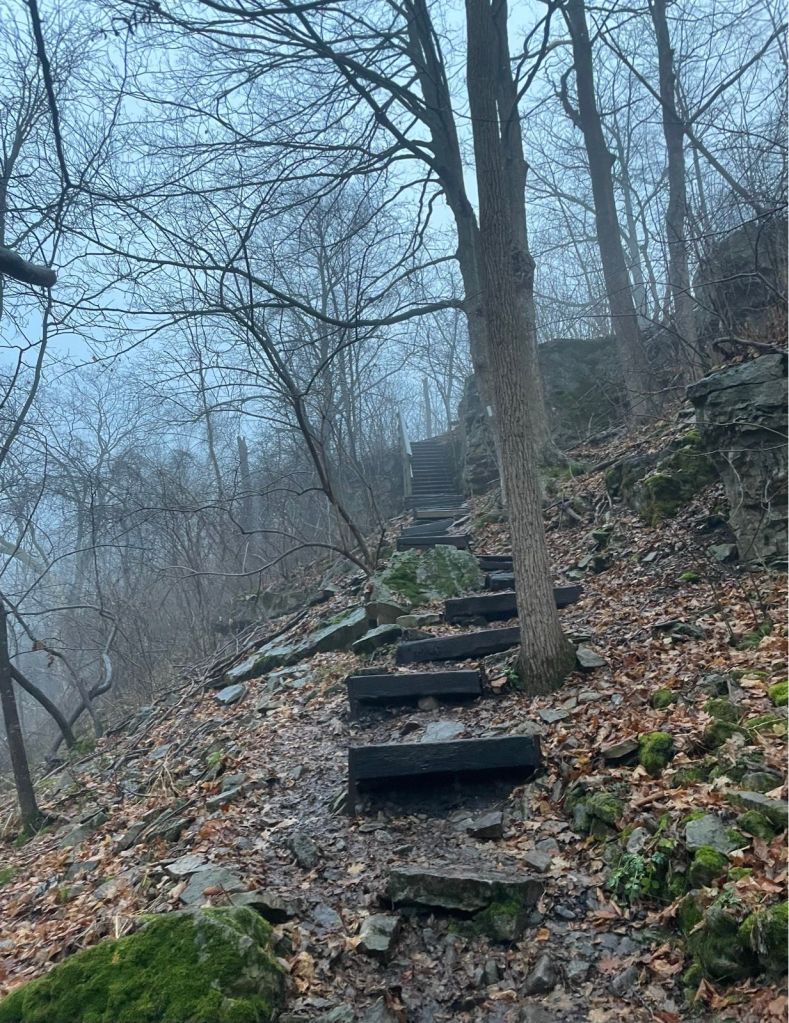
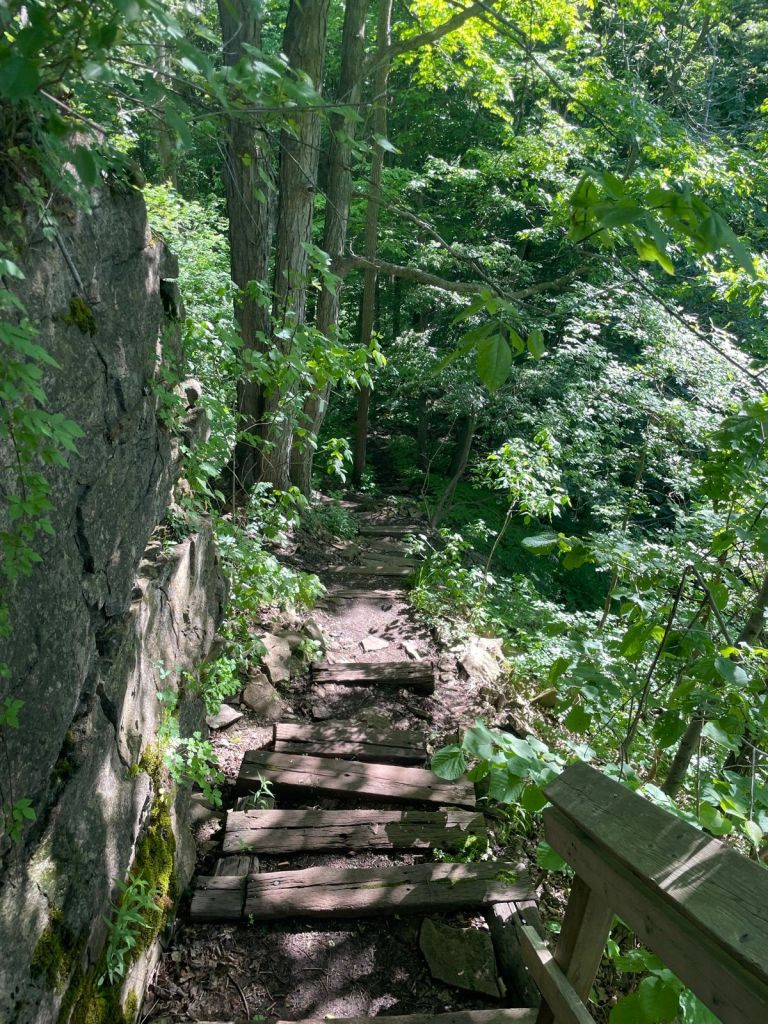
I’ve now prioritized getting my vert in through road hills and bike paths like the Seymour Valley Trail here in North Vancouver.
Meanwhile, most of the stuff that I would have thought would develop my speed the fastest hasn’t been part of the schedule at all.
And I’ve been faster from just about the very start.
We’ve made those changes simply through prioritizing biomechanical efficiency.
Through both:
✅ The selection of where to run
✅ An increased emphasis on running form and cadence.
It’s the kind of skillset that allowed Dylan to surge up massive climbs and create distance within a few short seconds when we raced together a few years back.
It’s the kind of skillset that I clearly lacked for the last two years, despite being a supremely good climber.
My heart-rate has not been this low while running paces this fast since running in university. ‘Fast’ paces feel easier than ever, and are being accomplished now when I feel like I’m running ‘slow’.
I’ve pulled out my road shoes more times this week than the last two years combined, and even felt excitement to hit the pavement every single time.
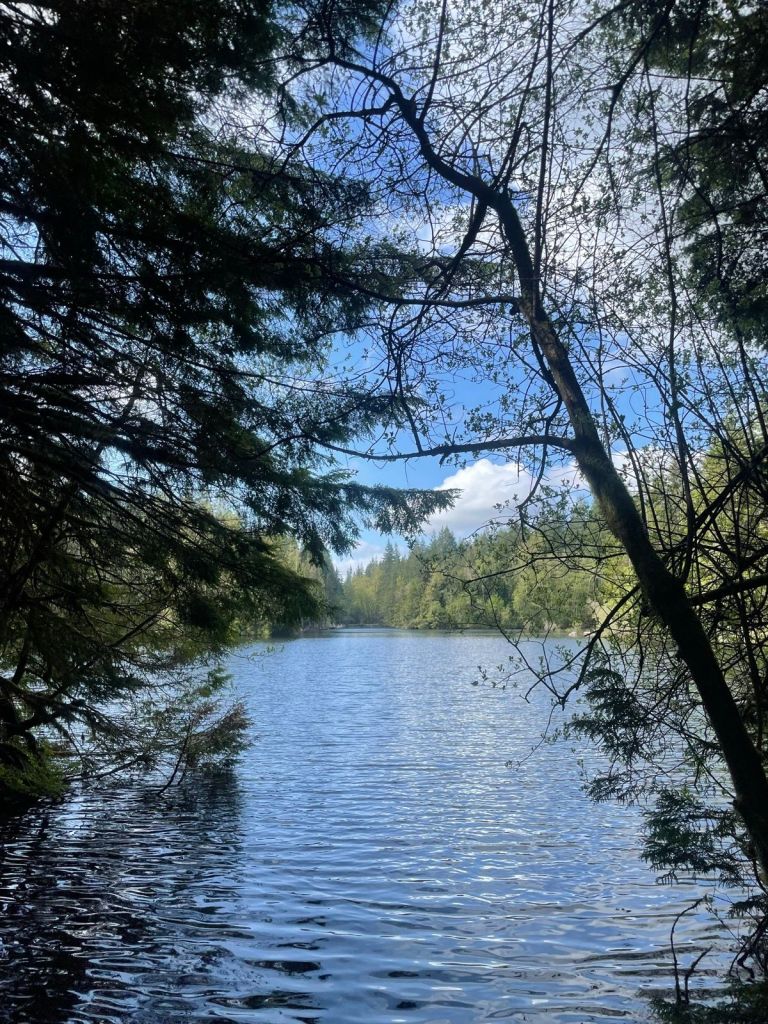

I don’t know if I’ll ever be able to keep my heart-rate to 132bpm for a 50K win, but I feel more confident that my trail running skillset is now higher than ever before.
And that’s been done entirely by running less on the trails.
As I said in Maybe I do like to run, I don’t think my mountain legs or technical ability are going anywhere. They’re still going to be valuable in a race like QMT or Harricana. But I’m becoming a more well-rounded trail runner by doing less of my work on the trails, and putting more of an emphasis on my efficiency.
Thanks for reading and see you soon!


 Rhys Desmond