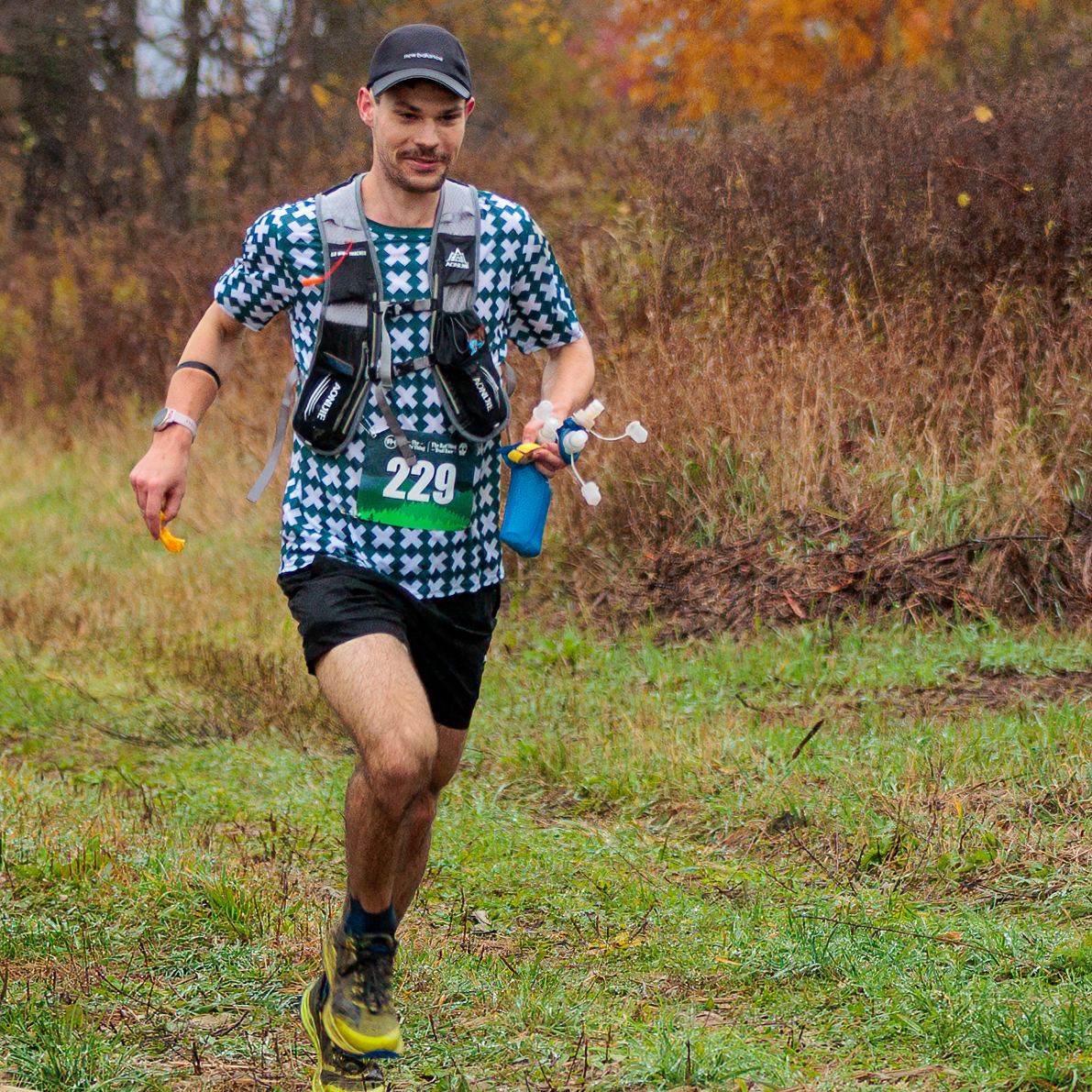
“I don’t like to run. I’m not a runner. I just like to shuffle.”
I can vividly remember saying this to Paul Vanoostveen as we climbed up a ski hill in the Grey Highlands, preparing for different distances at the QMT 2024. I said this many times to the likes of Rob and Tanis too, always enveloping my identity around technical terrain.
I always proclaimed myself to be nothing more than a shuffler, since I knew my skill and strength as a ‘runner’ leaned more toward the skill and strength-based aspects of the sport. Things like technical terrain, tough conditions, downhills, and sustained climbs. I prided myself on being able to dance around roots and rocks, and travelled only to the steepest, most technical of trails.
I never touched a road, and would even tell this to XACT whenever they asked me if I wanted a bib for a road marathon.
I would even go as far as to joke that running a road marathon scared me more than running in lightning and thunder.
I would drive two hours to get the best and steepest stuff, wear the best shoes for technical terrain, and spend the majority of runs at 6-7:00-minutes per-kilometre.
Then I wondered why I was never getting any faster, why my workouts couldn’t really hit above 3:45/km, and why just about anyone could drop me on a road if they wanted to.
Well, maybe it was less about wondering and more about knowing all of this to be true and just blindly accepting it.
Even then, I wonder if I truly knew. I wonder if I truly cared to change. I wonder if I favoured Le Fun ahead of actually getting better.
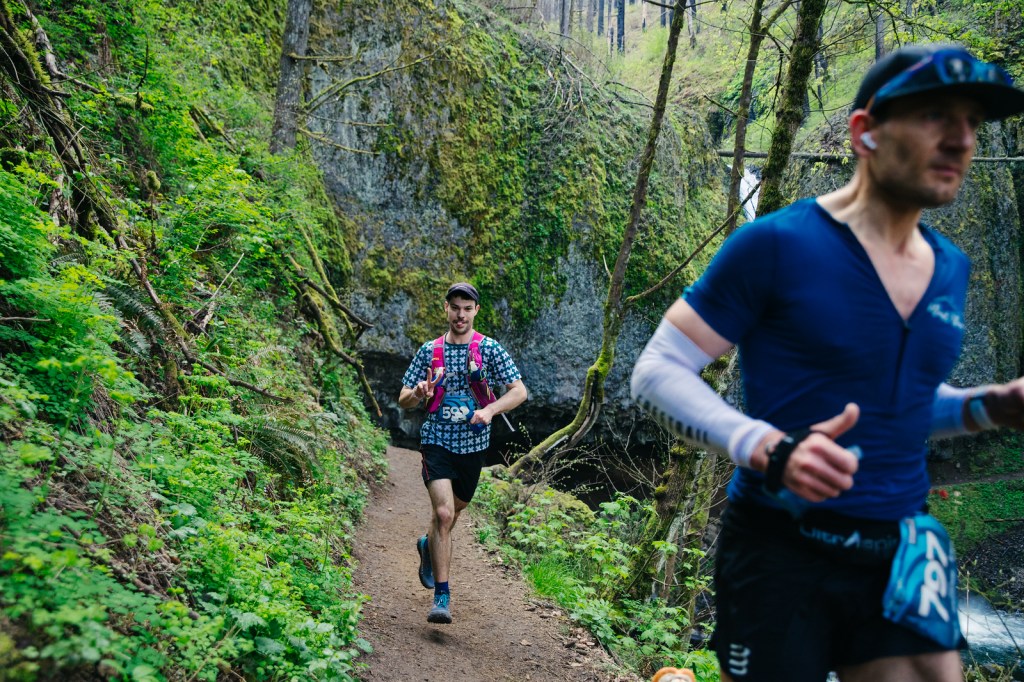
For so much of the past year, I’ve blamed not having done any 3+ hour training runs as the biggest contributor to blowing up at the 2024 Gorge Waterfalls 50K at exactly the 3-hour mark.
In reality, knowing what I know now, I know that I just wasn’t fast enough that day to run the speeds I tried to run in the first half of the race. I know this now, because I’m fitter and faster than I was this time last year, despite spending so much of the past seven months out injured.
WAIT WHAAAT? Oh, you know it’s true.
Absolutely unequivocally, I’m a faster runner now. Even through injury, I can look at my splits and my biomechanics, and pinpoint noticeable differences to when I had a year of completely uninterrupted training.
I’m more efficient, more confident in my speed and most notably – actually enjoying speed work more than anything else.
So how did this shift happen?
Much of it needs to be credited to coach Jade Belzberg, and her genuine desire to help me improve, get faster and be smarter with training. She’s always encouraging me to do more actual running, and prioritize the trails that get the most out of my running economy. I’ve barely hiked in this build since January, and I’ve rarely touched technical terrain either.
Not sure I’m going to like my answer the next time XACT offers me a marathon bib.
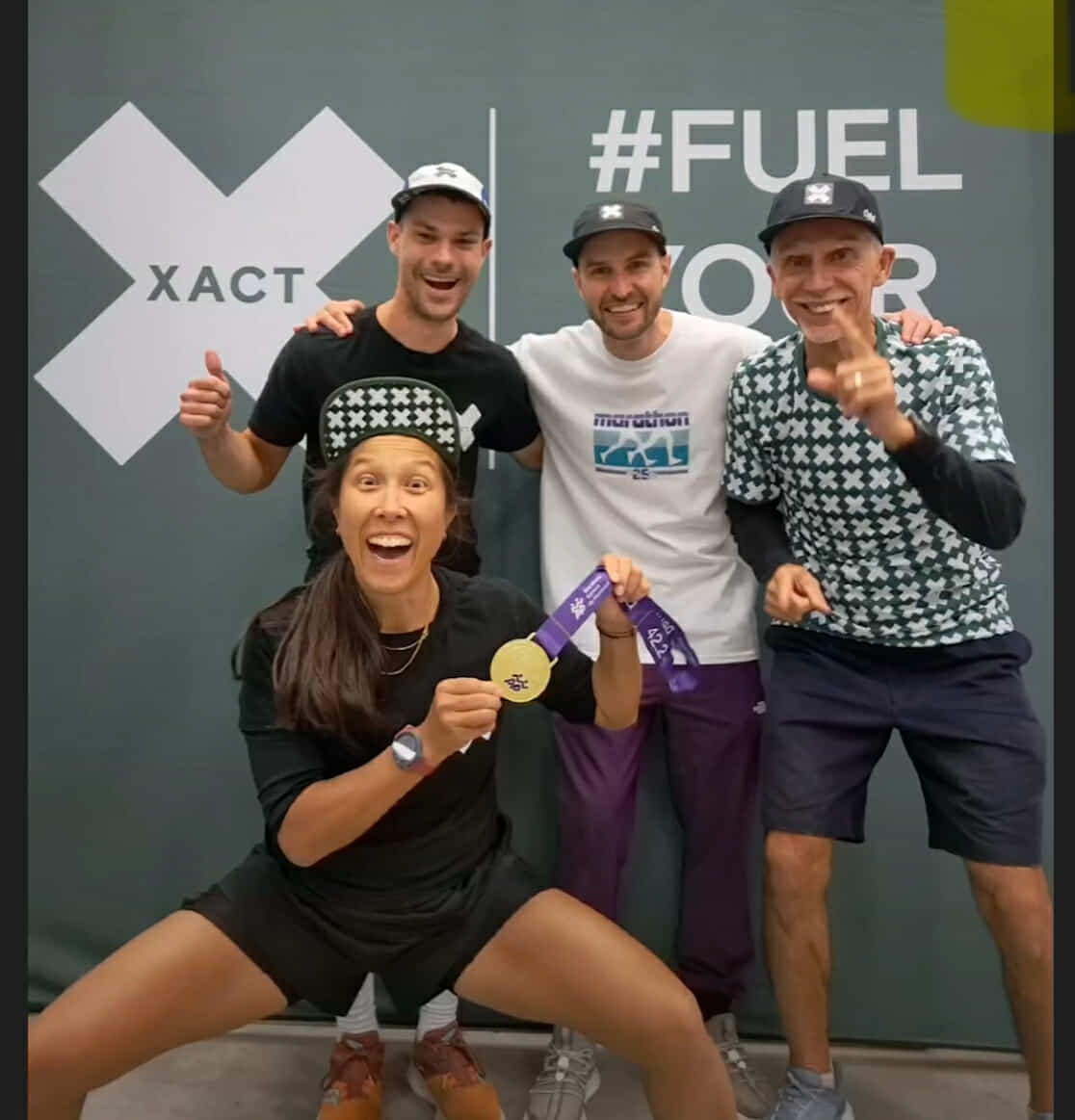
Maybe I do like to run 🤷.
And that ‘maybe’ has been developed by actually touching the roads.
By doing things like a 10K time trial, running at consistently faster speeds than I had in years.
By doing things like running (not driving) to the trail.
By doing things like prioritizing runnable trails ahead of technical ones.
Jade’s approach has been about speed, but it’s been even more about efficiency. And naturally, my speed has started to develop again through that lens.
Allow me to tell you another anecdote.
I first noticed this weird metric called ‘cadence’ about a year ago, and mentioned it to my then coach. I noticed that I, compared to other elite trail runners, had just about the lowest cadence around.
Even though I knew it could be fixed, I often viewed it as an advantage.
My still-existing theory is that it does help me on technical terrain, because I have more time to think about things before my feet hit the ground. But when you look at the research, it’s clear that a lower cadence doesn’t help my efficiency, my injury risk, or my speed. You can really, really notice just how much I bounce in a video like this:
And again, one of the main reasons why I wanted to be coached by one of the fastest people on the planet was to help me develop my own speed.
Enter Jade Belzberg.
And more than ever, I’m trying to bump my cadence. I’m trying to think about ‘lighter’ steps on my feet. And I’ve noticed the difference. I’ve noticed that by focusing on a faster turnover, I’m suddenly able to go faster at the same heart-rate.
I suddenly like running. Like the ugly kind – on roads and everything.
WHO AM I?
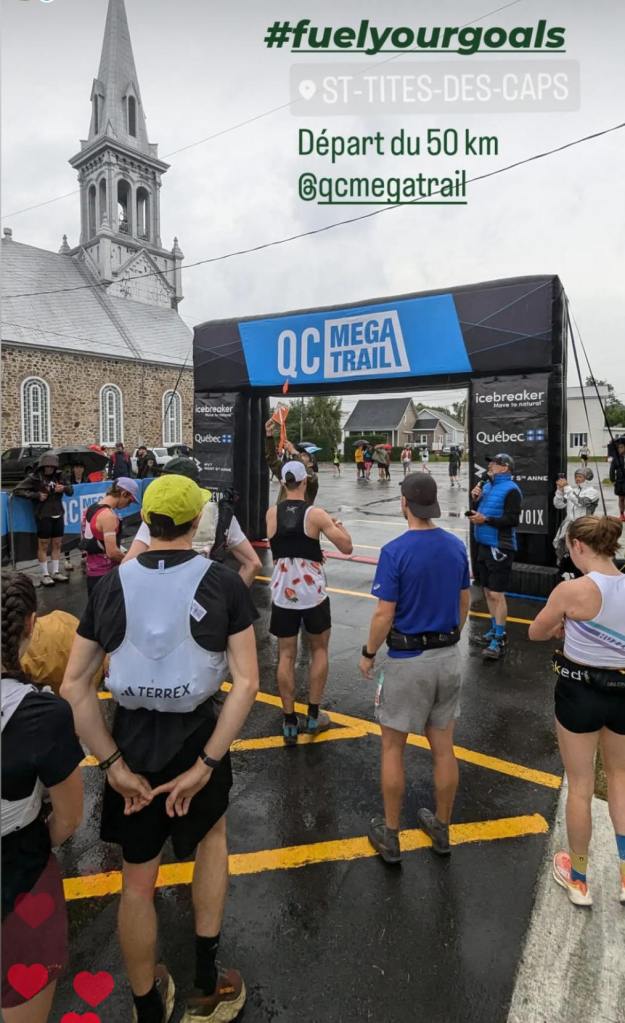
I still think that I’m best suited to races that end up being incredibly skill-based, like the Quebec Mega Trail, Harricana, or eventually something like a Chic-Chocs. But even in those events, I always say that it’s usually the smartest, fastest runner that wins on the day.

And being the smartest, skilled runner won’t win in a field with a bunch of guys and gals who do so much of their training on roads or runnable terrain. It just won’t.
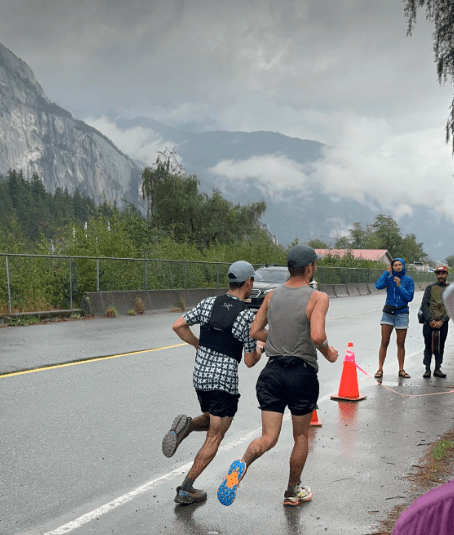
If you wanted to finish top ten at the Squamish 50K in 2024 (I was 11th male – a whole nine minutes behind 10th), you had to be running just about the entire five-hours. And Élisa Morin’s mantra at the end of that race rang so true – “Just keep running.”
Triple tangent now to tell you that 12th to 15th overall came down to a foot race on road, where I somehow had the speed to come out on top.
Maybe I do like to run 🤷.
But back to the point – the top ten on that day (and no greater example than Élisa as the second-place woman) were better than me not because they were better at handling mountainous terrain – but because they were fitter and faster. They were more efficient. They were more ‘economical’ with their running.
More prominently – They probably liked to run!
The one thing I admire most about who I think is the best short-trail runner in Ontario (Rob Brouillette) is that he loves running more than anything in the world.
He loves to run no matter the terrain, the weather, or how he’s feeling that day. You take him to a technical trail and he’ll get his shorts stuck in a tree, but he loves every second of it. And honestly, if I want to develop the sheer speed of a Rob (5th place at the historic Around the Bay 30K this year), I need to really like to run.
Because not only do those runners spend more time running faster paces than the so-called shufflers like former Rhys, but they simply develop better biomechanics.
And in discovering that, I feel more confident that I can bridge that nine-minute gap to those ten guys (even somewhat reducing a whole hour gap to Alex Ricard) than ever before.
And it’s funny. Funny because in moving to North Vancouver, I thought I’d be spending more time getting in the vert, truly technical terrain, and big days in the mountains.
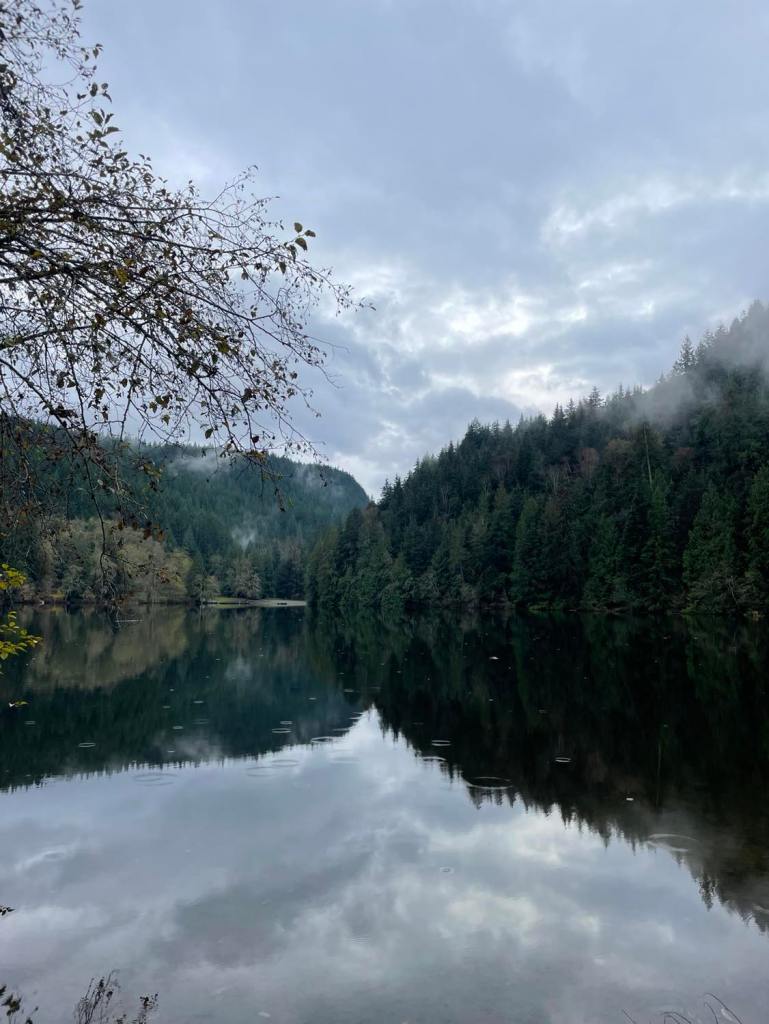
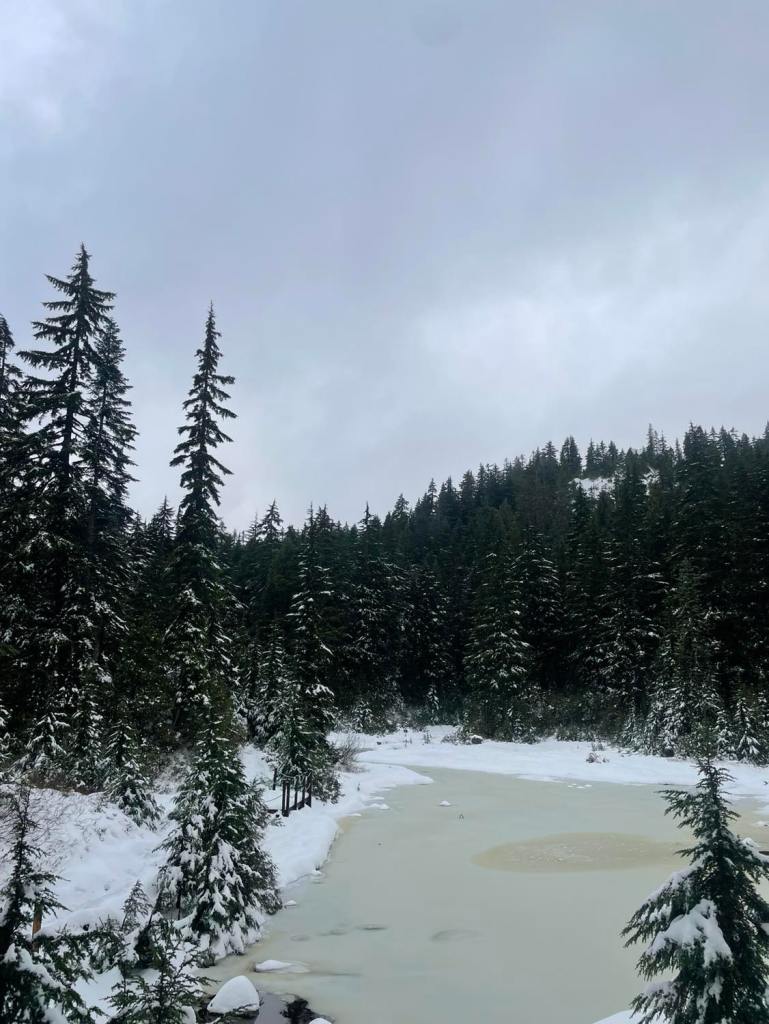
But in living next door to a mountain, I’m spending more time on the roads than I did in Ontario. I previously travelled two hours to get to Pretty River, Boyne Valley or Blue Mountain.
See my spreadsheet of top Ontario trails:
Living here, you run to the mountain and play around from there. But I still find myself (with Jade’s encouragement) taking the more runnable trail sections than the technical ones. And that’s what everyone does here.
The most common part of the mountain that people run on here is a road. The other most common trail that people run on is rail-trail adjacent.
The people here get decently big vert weeks because the climbs are consistently longer. But they prioritize real running on Fisherman’s and Lower Seymour ahead of hiking the steep stuff in Mount Fromme and dancing between the roots and rocks on the Baden-Powell.
And when you’re in the mountains, you’re more inclined to hit the roads anyway because they’re so hilly. I even opted to do my last speed workout of this build toward Gorge on a three-minute road hill near my house rather than a trail (by choice!). I even find myself wanting flatter roads for a change.
The thing is – being the best at technical stuff is never going to get you anywhere in the sport of trail running if you can’t back it up with a greater degree of running talent. My skill and strength isn’t going anywhere. Being really good at technical stuff won’t go anywhere. It’s my speed and efficiency that needs to be continuously reinforced to truly become the best that I can be in the sport.
This year has already been one of immense growth, and the biggest growth is in re-evaluating my ‘love for running’.
Turns out, maybe I do like to run after all 🤷.





 Rhys Desmond