Let’s face it. Not only do you want to run far, but you want to run far in a faster amount of time. Workouts (also known as interval training) should never be the priority when training for an ultra, but they will be of a massive benefit in your preparation for handling those longer distances. Here are my favourite workouts to help with your ultramarathon prep, and some key tips and tricks along the way.
KEY CONSIDERATIONS
HILLS & REPLICATION OF RACE ENVIRONMENTS

When designing workouts for ultras, it’s important to remember the key aspects of what an ultramarathon entails. Races often take place in remote areas, often involving demanding terrain, narrow paths, hills…even climbing mountains! Hill training is therefore essential to incorporate, and you should become well versed in forest running, and the demands of navigating narrow paths that twist and turn without warning. I wouldn’t necessarily recommend conducting workouts through narrow-pathed forests, unless you have more of an open path 1k loop or something of the sort to work with.
But as you incorporate workouts into your weekly training regimen, you should identify 2-3 long, strong hills in your neighbourhood. These can be grass, road, forested, whatever! Find 2-3 that you like, test out the distance, use our workouts, and design your own to get ready for the demands of hill and mountain running. If you live in a place like BC and Colorado, I would strongly recommend building mountains into your routine, and getting comfortable with the differences in altitude.
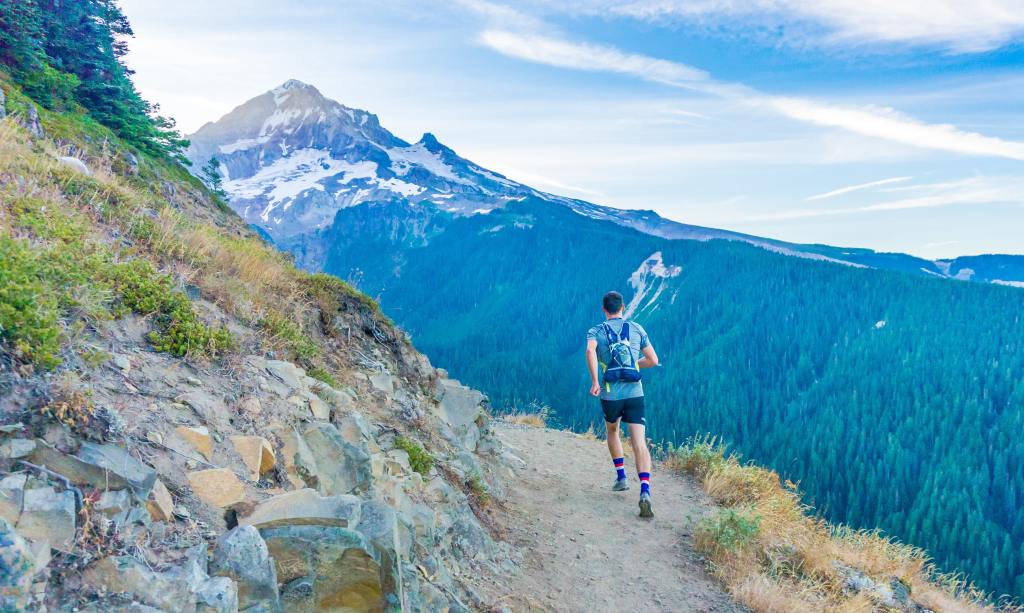
But for those of us that live in urban city centres or country roads away from glorious mountaintops, find a hill that you can use nearby. This can range from a 200m to 800m incline…to even longer if you desire. The key is that it’s a hill that’s easy enough for you to run to (such as doing a 3-5km warm-up to the hill); and that it’s an incline that you will genuinely enjoy running up. Hill training can be daunting. But if you love running and you love the idea of an ultra, you should love hill training. If not, what’s the point?
Variety will always be key and not every single one of your workouts should be hill training. You simply won’t build up as much speed that way. But hills will still be an essential component toward ultra-training stardom if you can make it happen.
Pace
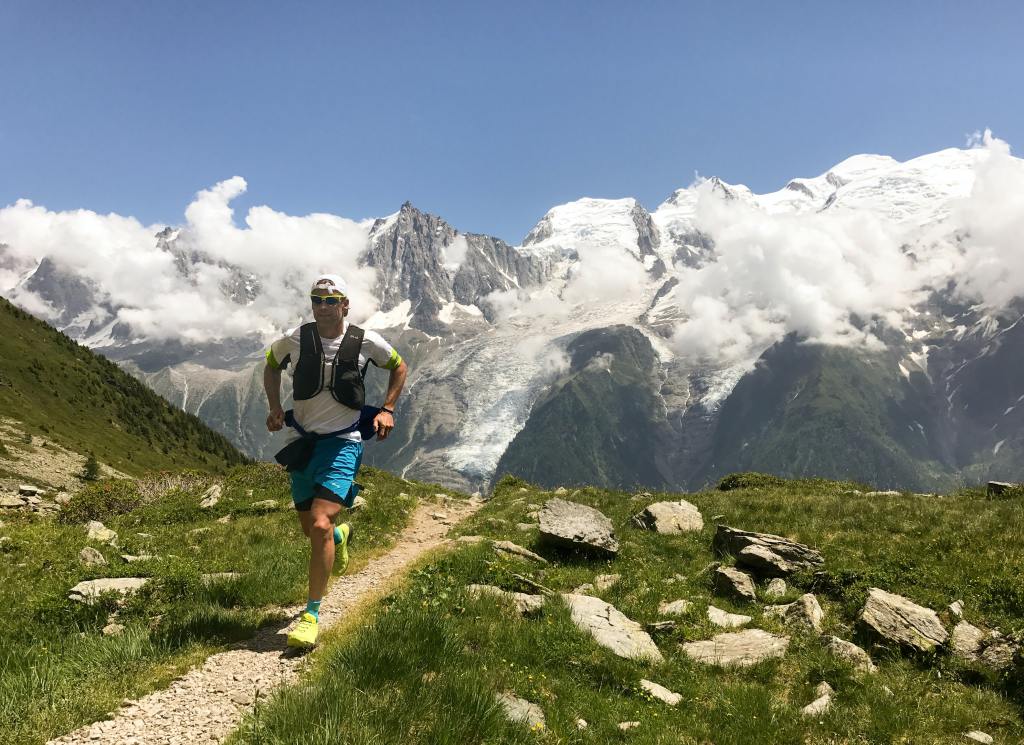
It’s also important that you consider speed. On flat surfaces, you should be running at about your 10k to half-marathon pace during the bulk of your workouts, getting comfortable running fast over those longer distances. You don’t have to be running 1k’s at your optimal 1k pace. That is, especially if that disallows you to run more 1k’s. For ultra training, you’re better off being able to run 10 x 1km’s at 4:00 / km pace, then you are running 5 x 1km’s at 3:20 / km pace. You’re looking to build up speed endurance, not just speed.
If you find it easier to run fast when competing against someone else, invite a friend down and pump each other up for motivation.
I also wouldn’t run more than 3 interval workouts per week when training for an ultramarathon, and even 3 would be extreme. 3 interval workouts per week would be more akin to half-marathon or 10k training. You really only need one, ensuring you can focus on your back-to-back running days, and still have time for a rest day if needed. I’d only incorporate two into my training regimen if looking to increase, and the second would be either hill training or one of the tempo-styled runs listed below, rather than another interval workout at 5-10k pace.
Nutrition
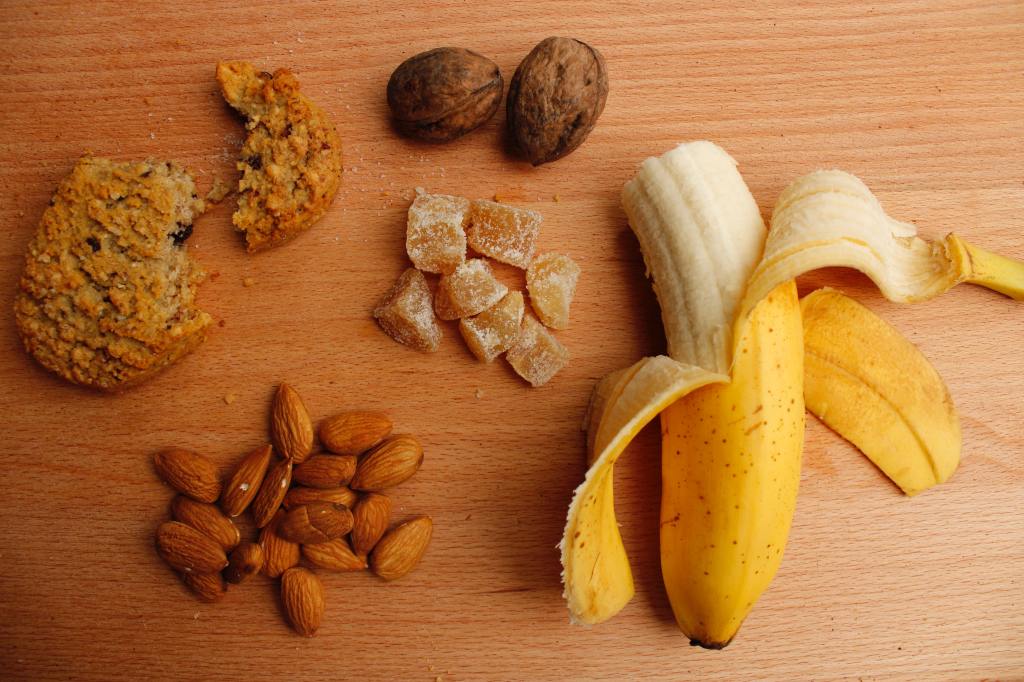
It’s also important to consider nutrition when preparing for your workouts. Hard workouts will require more of your energy stores, but you also don’t want to eat so much that you feel sick or cramp up on the run. I like to eat no later than 2 hours before any of my runs, but this would be especially crucial for a workout.
If, like me, you’re trying to cram in some intervals before work or on a condensed schedule, you may be fine to eat nothing at all prior to the workout, so long as you’ve built up comfort running on an empty stomach first. There are several benefits to being able to run without food in your belly, and this is particularly imperative for those longer distances we’re training for, where you will inevitably go several hours on end without a proper meal.
We also have an entire article dedicated toward nutrition here.
Warm-Up / Cool-Down
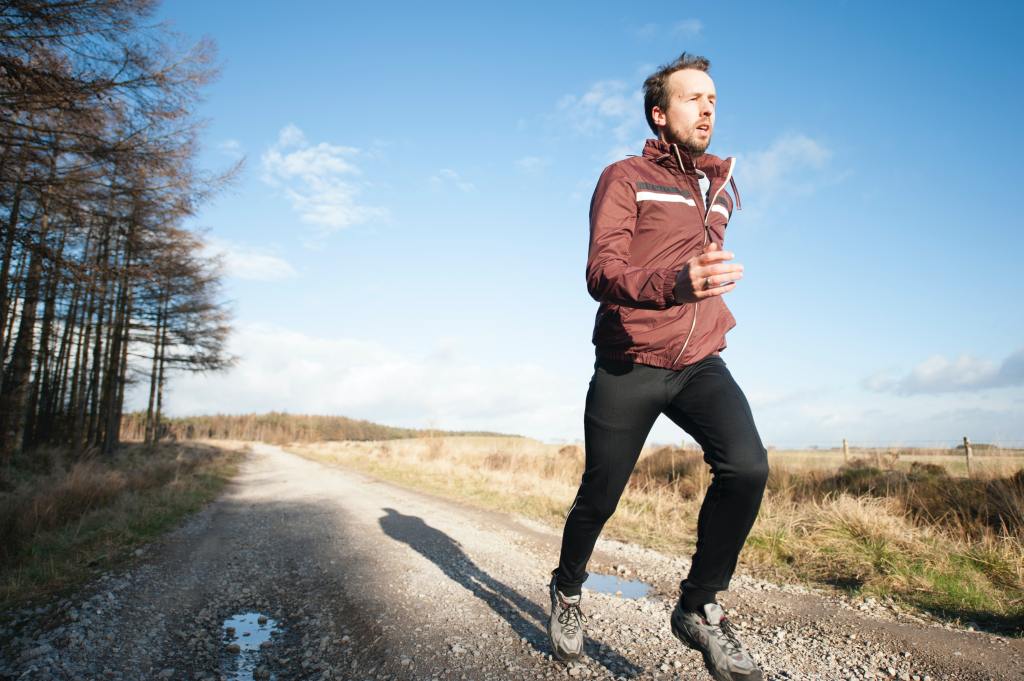
It’s also important to consider how long you need to warm-up prior to conducting your workout, and ensuring you do a proper cool-down post-workout. Not warming up or cooling down properly will result in injuries, not to mention hinder your ability to succeed in your workout.
I like to warm-up for about 4-5-kilometers before jumping into strides fartlek styled, where I run for about 10-15 seconds at 1k pace, focusing on my stride, and then return to my warm-up pace until the next one. You can also do strides the traditional way on a flat terrain/road with stoppages in between, and incorporate flexibility drills / plyometrics that get your blood pumping and ready for the workout.
Post-workout, I like to run for about 2-3-kilometres at the very least, and often incorporate some deaccelerations (opposite of strides), where you start out fast and progressively slow down within a 5-10 second burst. For the last 1-2 kilometres of the cool-down, it should be slow and easy, and can even come to a crawling walk toward the end.
So now with that, let’s jump into some of my favourite workouts for ultra-running.
HILL TRAINING
| Workout | Rest | Pace | Beat Rhys |
| 8 x 800m hills | Downhill at 50% effort | Half-Marathon | 4:20 |
| 2 x 1200m hills 5x 600m hills | Downhill at easy pace | Half-Marathon | 4:20 |
| 10 x 300m hills | Downhill at 50% effort | 5k pace | 3:40 |
Tailor the workout to your needs, and the hills that you enjoy.
INTERVAL TRAINING
| Workout | Rest | Pace | Beat Rhys |
| 6-10 x 1km’s | 1 min jog | 10k | 3:40 |
| 6-10 x 1200m Beat your time | 1 min jog | 5k | 3:30 |
| 6 x 5 mins 1 x 8 mins | 1m30 s jog | 10k | 3:40 |
| 16 x 200m 10 x 100m | 30s jog 15s jog | 1k | 3:20 |
| 16 x 3 mins | 1 min jog | 5k | 3:35 |
| 6 x 1600m track | 400m recovery | 30k | 4:05 |
| 2x 800, 2x 1.6k, 2x 3.2k | 400m recovery | Varied | 4:00 |
Spicing up some variety into your workouts including ladder training and my “beat your time” workout, will keep both your mind and body sharp. The idea is that you must beat your time every single round of the workout, with the first round being no slower than your 10k pace. These kinds of workouts require not only speed and endurance but constant thinking and pace management.
TEMPO / VO2 MAX
| Workout | Rest | Pace | Beat Rhys |
| 10k Tempo 40 mins | Half Marathon | 4:00 | |
| Fartlek 1 hour | > 1 min jog | Varied | 3:40 |
| Pick-ups Within a 15-20k+ run | > 1 m30s jog | 5-10k | 3:40 |
These types of workouts are common for ultra runners, as they incorporate longer distances without stopping or resting at a slower pace. Instead, in a fartlek or ‘pick-up’ run, you run your normal pace throughout, before bursting into short spurts of speed.
So there it is! Essential workouts for ultramarathon training! Be sure to check out more of our content below, and join our community!
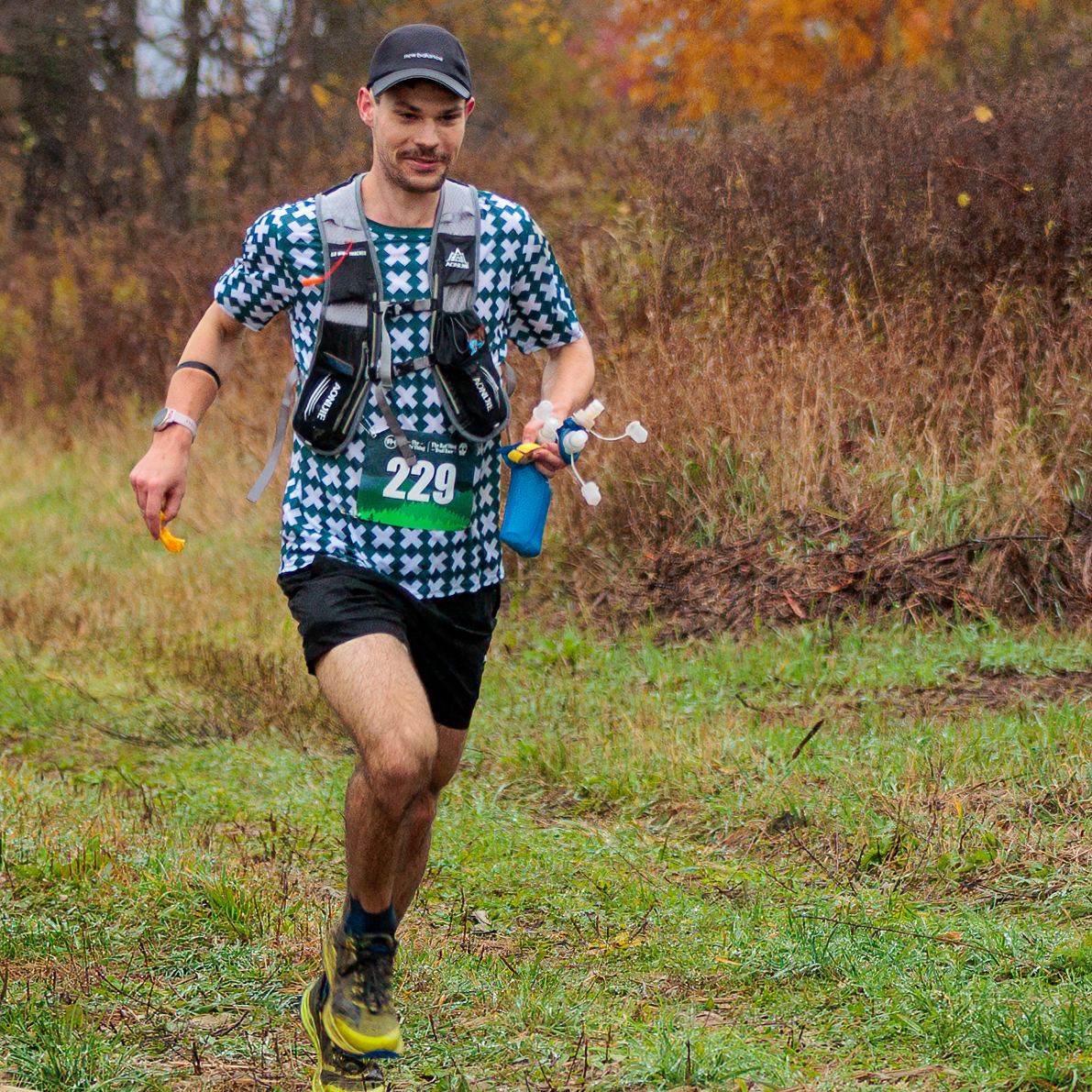
Thanks for reading & see you soon!
Strava Profile | Rhys Desmond
YOU MIGHT ALSO ENJOY…

Kalie McCrystal
It’s been almost two weeks since Kalie went missing on the Matterhorn. By now, we would have all hoped to have some form of an answer.
Like Hillary Gerardi said this week in City News, Kalie is symbolic for what so many trail runners aspire to be and dream of doing. The dream of…

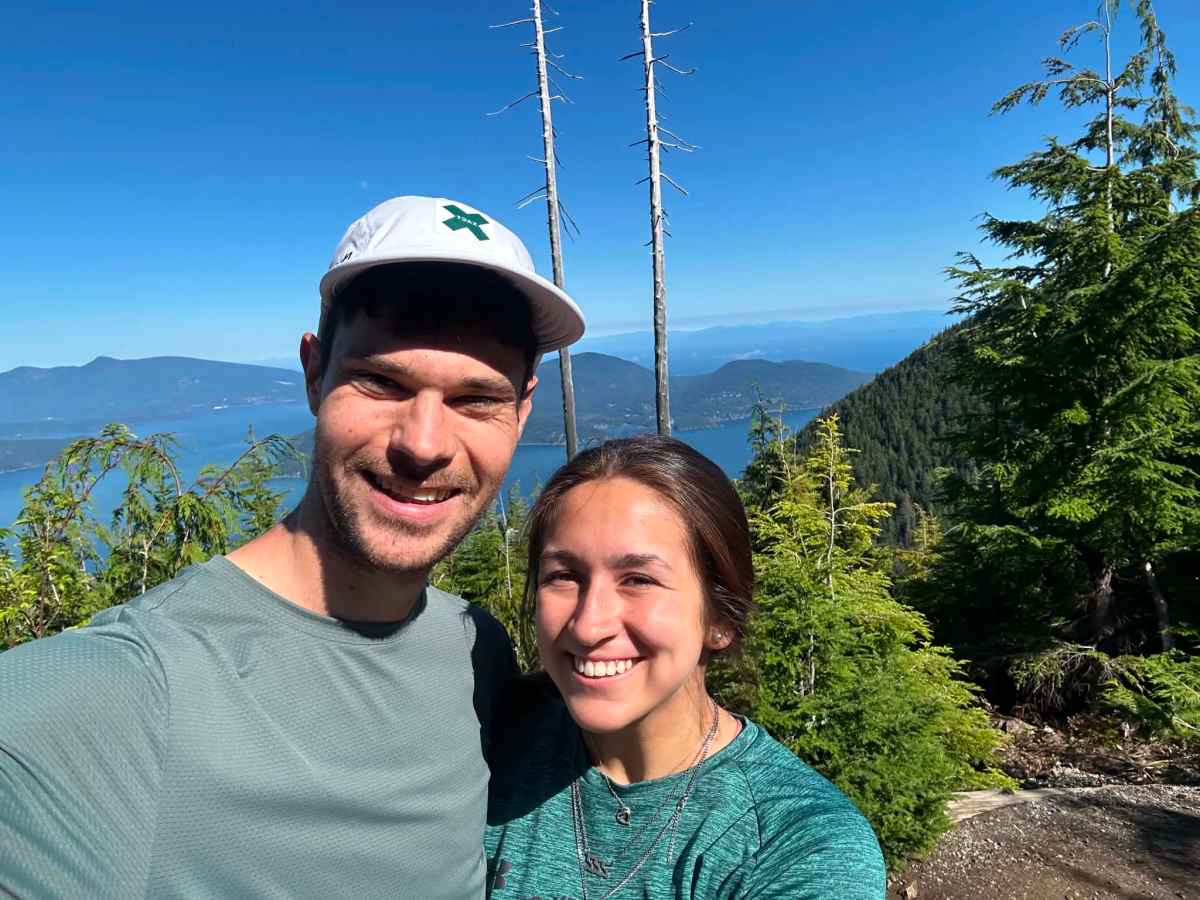
Squamish 23K – Race Recap
This year, I made an intentional decision to go down in distance on the trails, working on fundamental speed and efficiency over total vertical gain, long training weekends, and all the extra layers that go into ultras. Along the way, I’ve relearned what I’ve always known: I’m much better when races get longer. This would…
Newsletter – Three things I do before and AFTER every run
The hallmark of a good runner lies within the ability to not only have good routines around the run itself, but within everything that surrounds it. Growing as an endurance athlete does not only happen within the repeated movement patterns of the activity itself, but within the adaptations that happen when the body stops moving.…



 Rhys Desmond