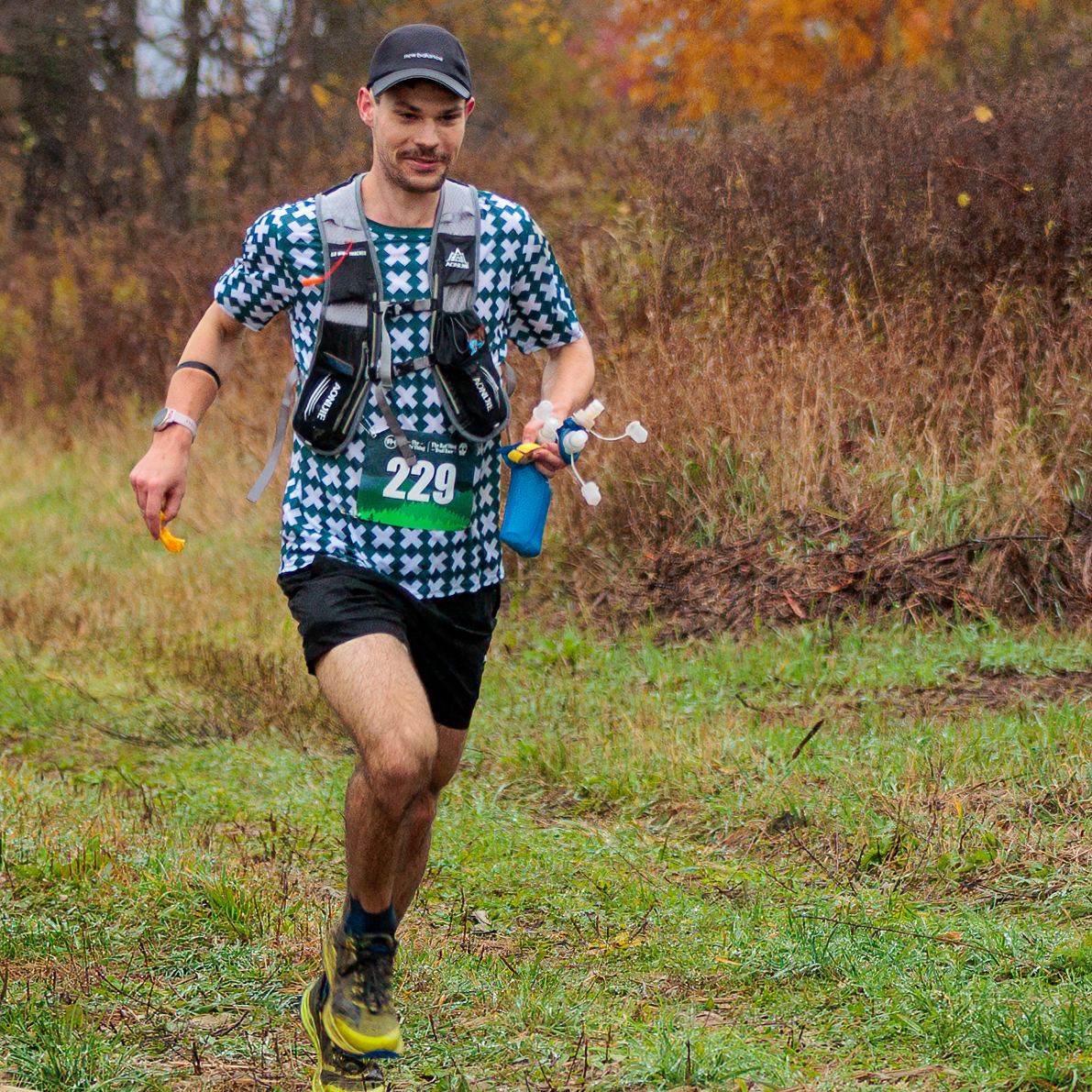

Rihanna loves work. She sang about it that one time. She repeated that line six times. David Goggins and his disciples feel the same as Rihanna’s song. Work, work, work, work, work. If you work hard and stay disciplined, you will achieve your goals. That’s the only way of living life. To work hard.
Hard work is often seen as the holy grail. You need to be disciplined. Cut out other distractions. Focus on one task at a time. Work relentlessly if you want to achieve anything.
All of those statements might be true.
But they’re all missing one key element. If you’re not enjoying what you’re doing, you’re never going to actually want to complete the work. You might work hard at the task for the short-term, but you won’t feel motivated to continue for the long-term. If you approach your work as play and find ways to make it intrinsically enjoyable for you, chances are, you will actually get more accomplished.

Coaching philosophies of the past often centered around similar ideals to the David Goggins playbook. Sports were militaristic, with notions of discipline and hard-work coming to the forefront. It was almost as though children weren’t allowed to have fun. They were punished for it.
Hard work is wonderful. It’s something that everyone should do. But it’s something that everyone should do when they feel intrinsically motivated to complete the task. When the work is something that genuinely feels meaningful. We all have to do things we don’t enjoy from time to time. But if we can prioritize things that feel enjoyable to us, and seek out working environments that prioritize those elements, we are far more likely to work hard.

On the eve of 2024, also known as New Year’s Eve, I set out my resolutions and goals for the upcoming year across different categories. I wanted to focus on establishing more meaningful relationships in my life, be smarter financially, and go through another year of stress-free, injury-free running. But my one main goal for my work in 2024 was to continue along a trend I set out for myself in 2023 – what I call “meaningful money making opportunities.” We all have to make money somehow. But I want to make money in ways that feel meaningful to me, rather than taking a 9-5 job for the sake of the pay cheque. I’m keenly aware of where my strengths lie, and that’s what I want to bring out in my day-to-day routine.
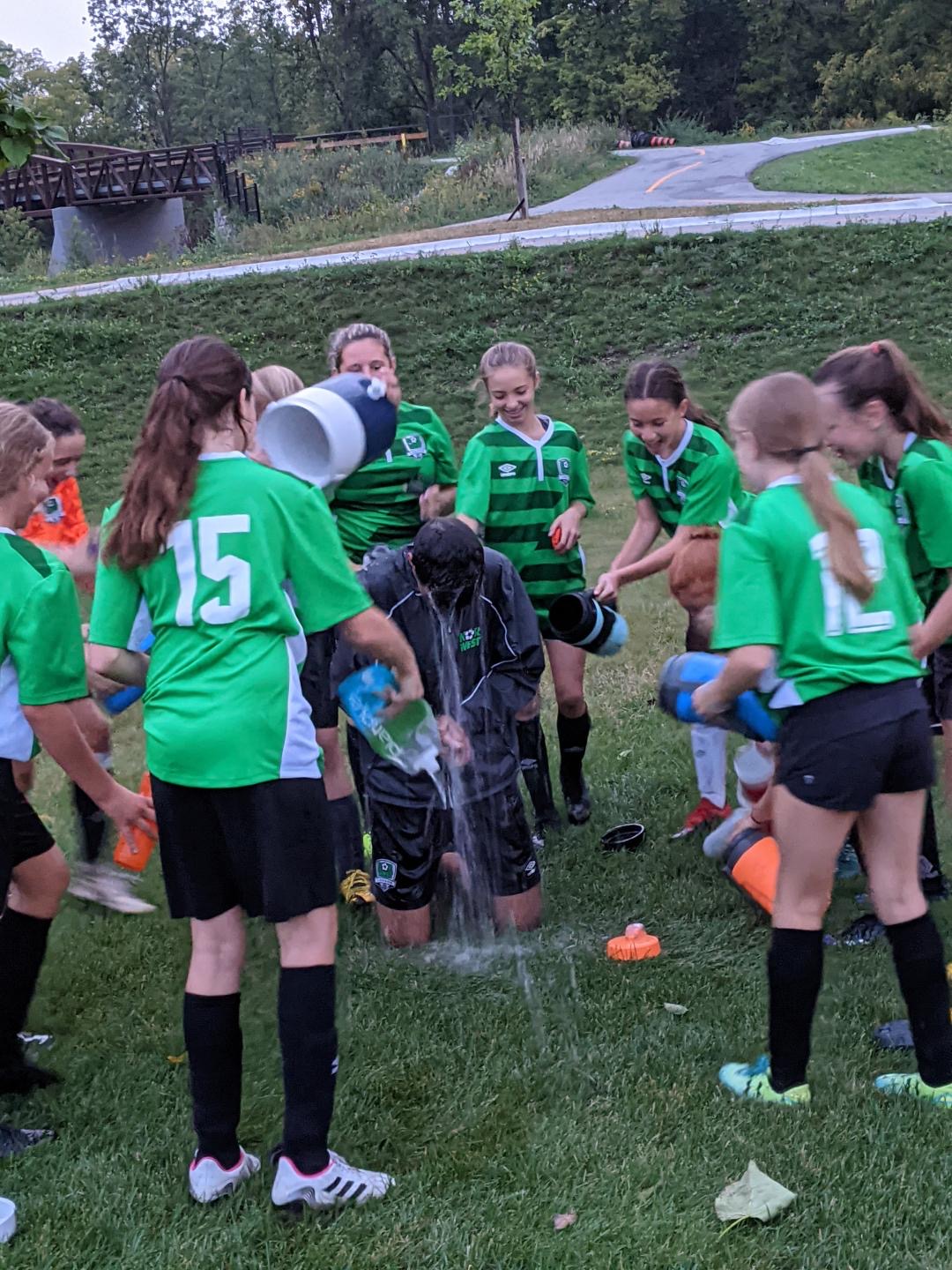
Sure, it’s valuable to work on weaknesses. To improve the small things that can always be better. But it’s even more valuable to bring out our strengths, and live life in a way that feels meaningful to us.
So what if the work is not enjoyable, but you still have to do it? Find ways to game-ify it. Find ways to make it feel like play. Like a challenge. Like something you’re genuinely working toward as part of some greater path or process. Find value in the thing beyond the thing itself, and identify ways that it might allow you to reach your best self in ways that you’re not currently tapping into. Ask yourself “how can I use this experience to better myself?” and “how can I make this more entertaining for myself?” in just about any situation, and you will likely be more prepared to actually work hard at accomplishing the goal.

These are the environments that I strive to create as both a university instructor and recreation program facilitator. We want to create enjoyable experiences for kids that centre around their specific needs and desires. As opposed to the militaristic “hard-work” mentalities of the past, the modern-day coaching methodologies I teach center around two core principles:
1) Fun

Fun is essentially created through an appropriate mix of challenge, competition and intensity; alongside social factors like positive peer to peer interaction and leader to participant interactions. Fun environments are naturally more enjoyable, thus allowing us, and our participants, to feel inclined to continue coming back day after day, week after week, year after week. In doing so, we can more easily get the next outcome in ways we would never achieve had we approached it from an angle of hard work and discipline; or had we created an environment that made our participants miserable.
2) Fulfillment
Fulfillment is all about creating environments where participants feel like they belong, and like they have the autonomy to impact their learning and development. It’s about developing skills they can continue to use throughout their lives. It’s about developing meaningful relationships. When we can create environments that show participants how much we care about their development, the “fun” behind that feeling allows for greater fulfillment opportunities. Ultimately, we want our honey bees to fly around, pollinate, and make honey. Not just fly around aimlessly.

Those honey-bees are never going to feel motivated if they’re told by the Queen B that they’re not good enough. They’ll feel even less inclined if pollinating felt like genuine hard work. Chances are, those bees put in the work and pollinate because its their expression of play. As leaders, these are the types of environments we want to create both for ourselves and for those around us. Hard work comes so much more naturally when the process of the hard work feels intrinsically enjoyable.
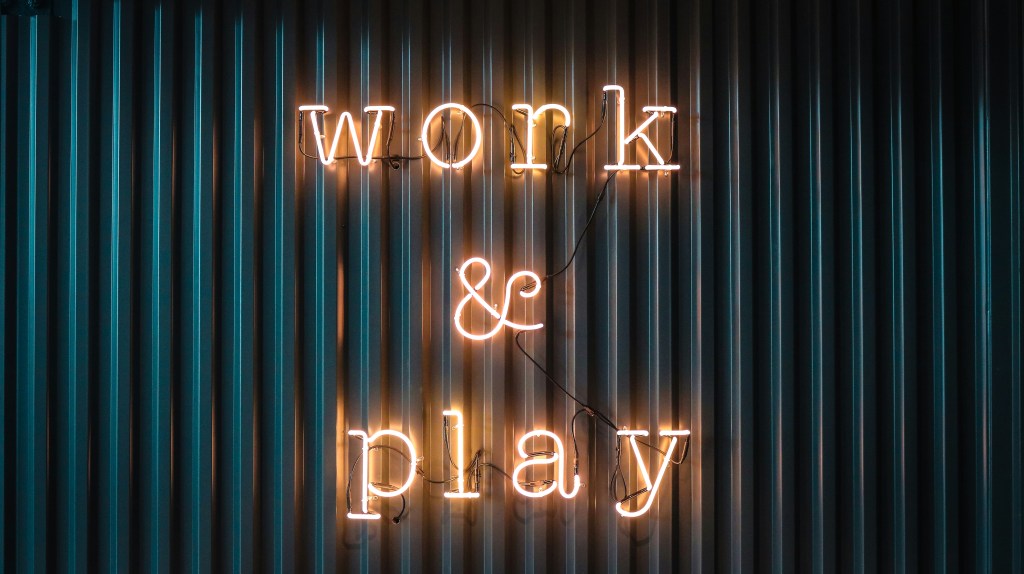
If we can then emphasize fun and fulfillment into everything we do, we’re more likely to approach our work from a perspective of play. We’re more likely to be motivated to actually do our work; and inspire others around us to do the same. We’ll achieve greater discipline, attention, focus, hard work, and all the subsequent positive results that might be yielded from those efforts.
So next time you value hard work or discipline as a desirable trait in a person, make sure that the person actually enjoys what they’re working on. One path leads to misery, the other leads to meaning.
Thanks for reading and see you soon!




 Rhys Desmond