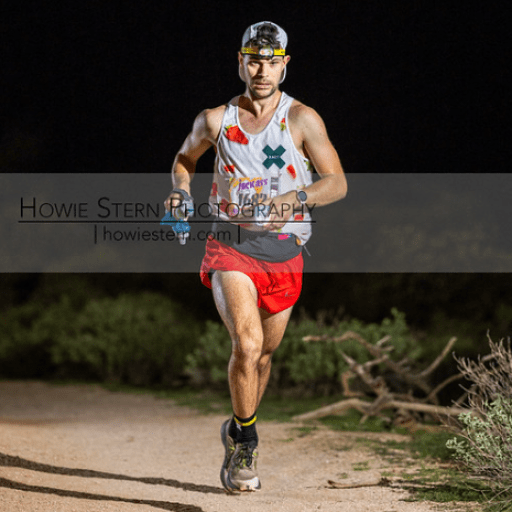
In any sport, I’ve long been a proponent of “game-realistic training”. The notion is that you need to prepare for the specific demands of what the game actually looks like.
Skating in circles or dribbling in and out of cones may have a useful role in skill development in isolation, but will always pale in comparison to having players practice via game-realistic scenarios.
When it comes to endurance sports, this becomes more complex.
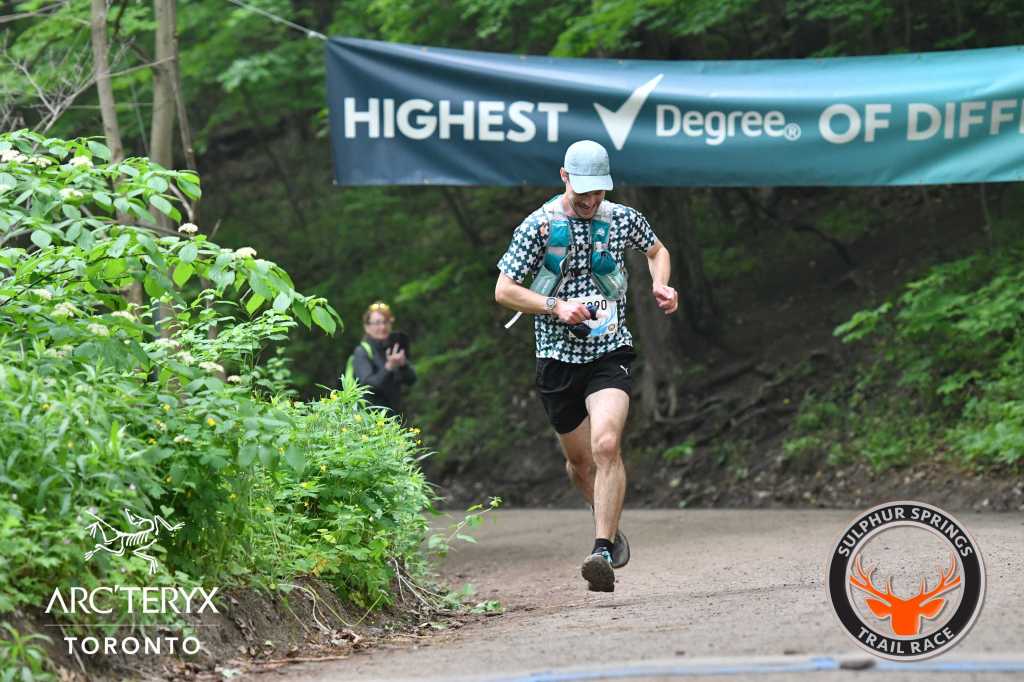
You can’t go out and run your race course at race speed in the same way that you could for sports like basketball, tennis or soccer. At the very least, you can’t do so often.
In fact, it’s counter-intuitive.
What is often associated with better performance is the accumulation of higher volume. But that doesn’t mean higher (or more) intensity. It also doesn’t mean higher (or more) elevation gain on the trails.
Additionally, higher volume and higher intensities are also associated with higher risk of injury. So a careful balance must be struck that might not have to be so delicately walked in other sports.
Instead, what we need to develop as endurance athletes is a well-rounded skillset.
Even for races in the tallest of mountains and the steepest of trails, being a better runner will prevail over being a better hiker, climber, or mountain athlete.
Year round, I train athletes to be well-rounded runners. They focus on top-end speed development through strides + hill strides; and run workouts that vary across all zones and skillsets.
In the 6-8 weeks before an event, that’s when we can then get more specific with race-prep. This is the time to get out on the race-course for long runs, enact workouts specifically designed for success at the event, and practice what it feels like running at “race pace.”
But this does not have to be a year-round fixture. In the cold Canadian winter covered in snow this year, many of the athletes I work with have not managed to accumulate too much trail time in preparation for races in April or May.
They have maintained volume, sharpened speed, and practiced all sides of the sport – from fuelling to mental resilience to troubleshooting.
But they haven’t needed to be on the trails for every single run. Even just one trail session a week is enough this far out, often as the “more fun” run that can be done in a more beautiful place. But it’s not essential as “race-specific training” until we start approaching that 6-8 week window before an event.
In preparation for a mountainous, cliffside race – the Run Ridge Run 25K in Port Moody, BC, I ran about 4-5 times a week on either road or a mix of road and trail. The other 1-2 were done on trail.
Most of my workouts were done on Mountain Highway (a gravel road), or on the track.
I got on course a total of three times for long runs, and visited similar trail networks on two of the others.
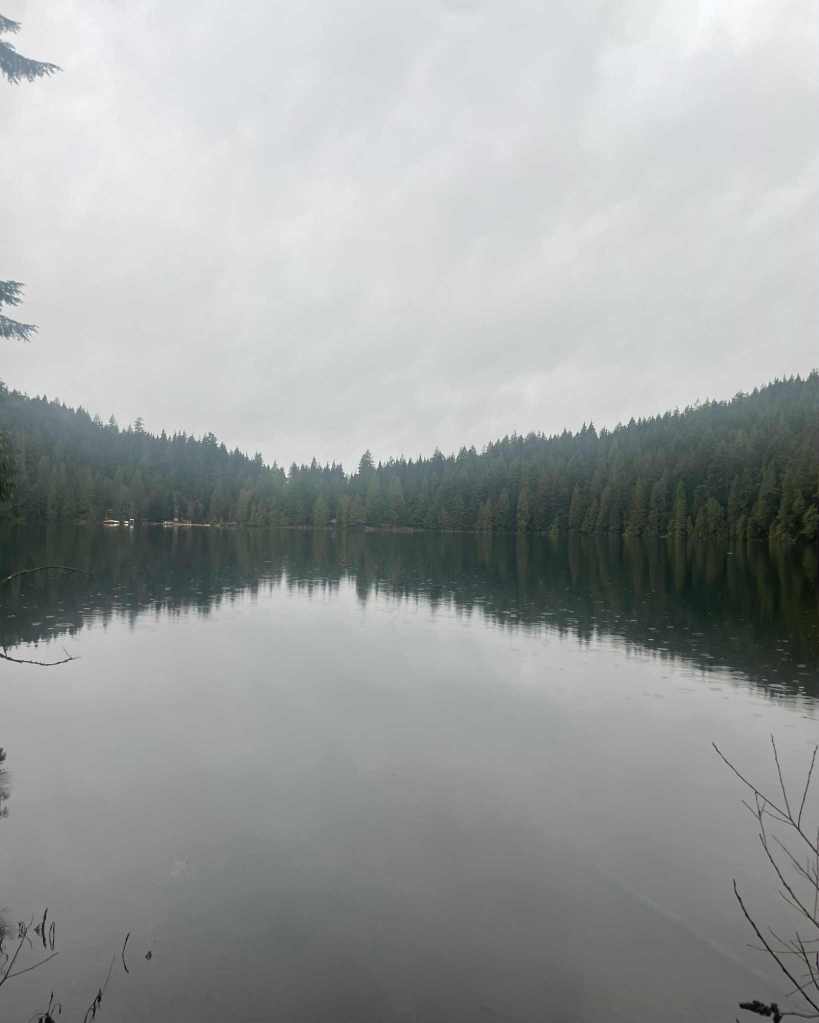
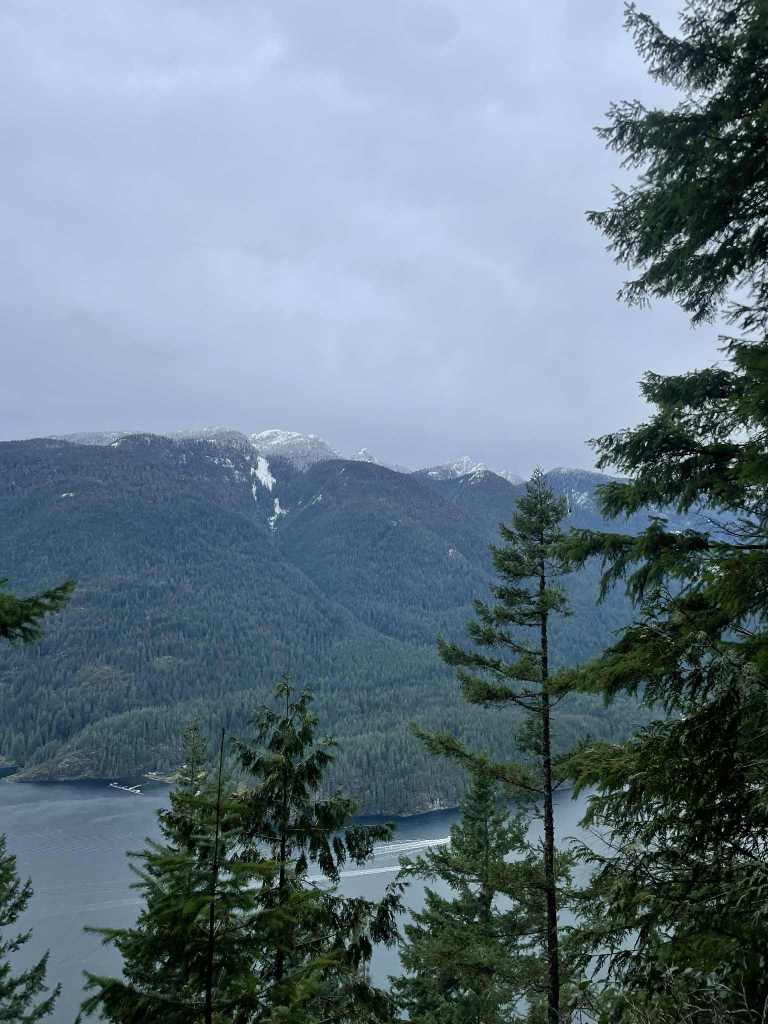
In total, I had five race-specific trail days, and only a few workouts that you could say were directly applicable to the specific demands of the race.
This was more than enough.
I was able to practice running fast downhill, get those power hiking mountain legs, and feel comfortable covering the distance of the race with ease.
I was able to develop the necessary leg strength (in addition to putting in work at the gym), and simulate what it would be like racing on course from every angle (most notably – pacing, fuelling, mental resilience, and strategy).
That race-specific work was done in just three key sessions.
Again – that was more than enough to know the course inside out, know the strategic moves I could make, know how fast I could likely run the event (setting myself up for proper expectations), and develop all the physical capacities needed for success on the day.
My success at Run Ridge Run, like my success at last year’s Harricana 28K, is evidence that you don’t need that much trail time to have major success at trail races. Instead, the wider focus should always be on becoming a better and more well-rounded runner, and a more holistic athlete.
If you can then make things more race-specific leading up to your event, please do! But it never needs to be an everyday thing.
Thanks for reading and see you soon!