When I decided to take up ultra running as a passion project in 2023, I had long seen myself as someone who would always be better going long. Long, and potentially, eventually, longer.
I had suffered through injury from the early days of my high school running career, never really progressing to the very top level I might have imagined.
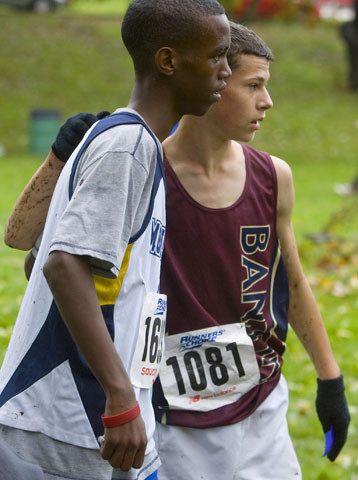
When Muhumed and Ben would beat me in races, I often took that to mean that I just didn’t have the innate speed that they possessed.
I was very good at suffering through hard things, efficient on a variety of terrain, and capable of running longer distances in training and races than my high school peers from the time.
But I never thought of myself as the fastest.
And really, I had no solid basis for making this assumption. Especially when it came to track. I had a broken collarbone in grade 9, bronchitis in grade 10, and a broken toe in grade 11.
It wasn’t exactly like I lacked some kind of mysterious ability that others innately had. I was just very unlucky with my slew of injuries and issues that prevented me from reaching that full potential.
That continued into university, where I had a really great year of running in my early 20’s. I stormed to a half-marathon PB of 1:16, only to finish 7 minutes behind Chris Balestrini, a team Canada trail athlete. Fast, but not fast enough, I thought.
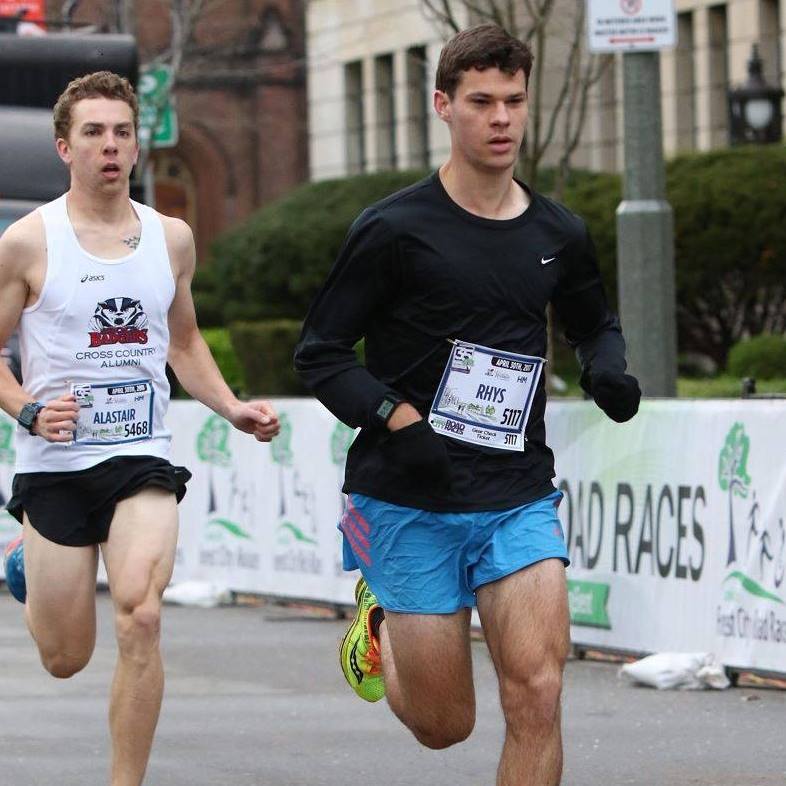
That same year I surprised everyone on my cross-country team when I, the “7th runner”, ran a 34-minute rolling hill 10K at Nationals, only to finish some 100 places behind the guys I now routinely compete against in trail and ultra races.
As many of those 100 guys ahead dropped out of competitive racing or went onto the roads, I thought I might be an anomaly going up in distance toward mountainous 50K’s.
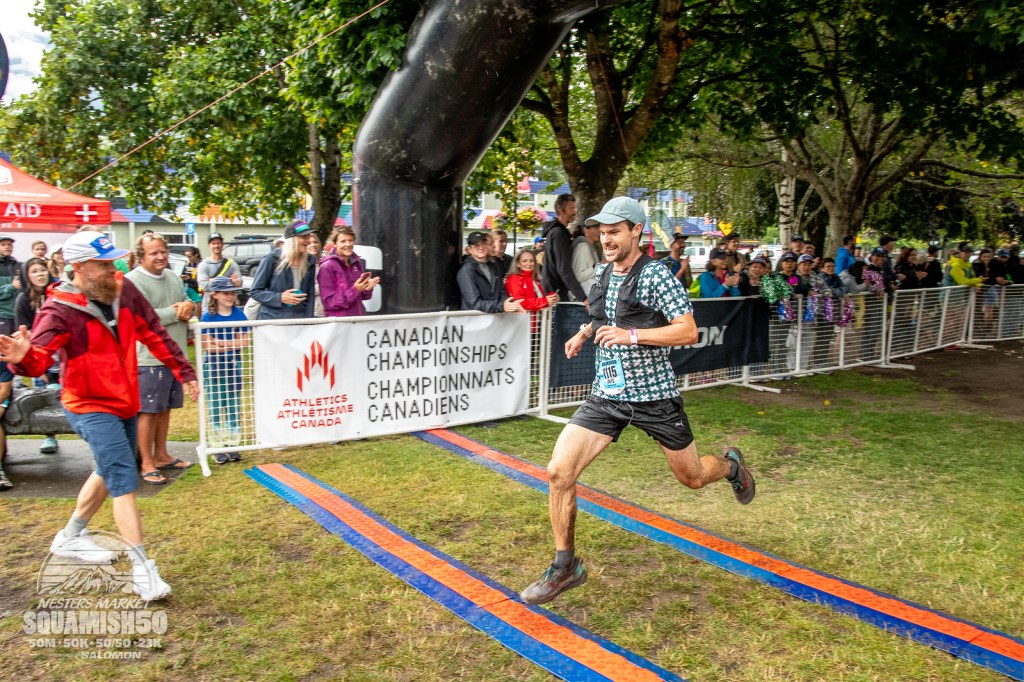
And to some extent that was true. I podiumed my first three trail races, won twice, and finished 7th at QMT, arguably Canada’s most reputable 50K.
But despite the decent success, I always lamented my lack of speed.
The same thing I lamented when Muhumed beat me in grade 9; when Chris bested by half-marathon PB by 7 minutes, and when Alex Ricard, Dany Racine and Samuel Poher were among the hundreds of runners who were faster than me a decade ago.
In my head, it was the speed that always held me back. Both the physical capacity, and the way I knew I perceived it mentally.
And when I first talked to Coach Jade about why I wanted to work with her specifically, it was a lot about the desire to develop my speed and get faster.
The assumption, of course, that I could already…
- Handle really tough things.
- Handle a variety of terrain (uphill, downhill, technical, runnable, etc.).
- Go for really long periods of time.
Speed was the missing piece in the equation.
And in working with Jade and not quite being ready for another 50K so soon after a knee injury, I tested that speed at two 30K’s to start my season.
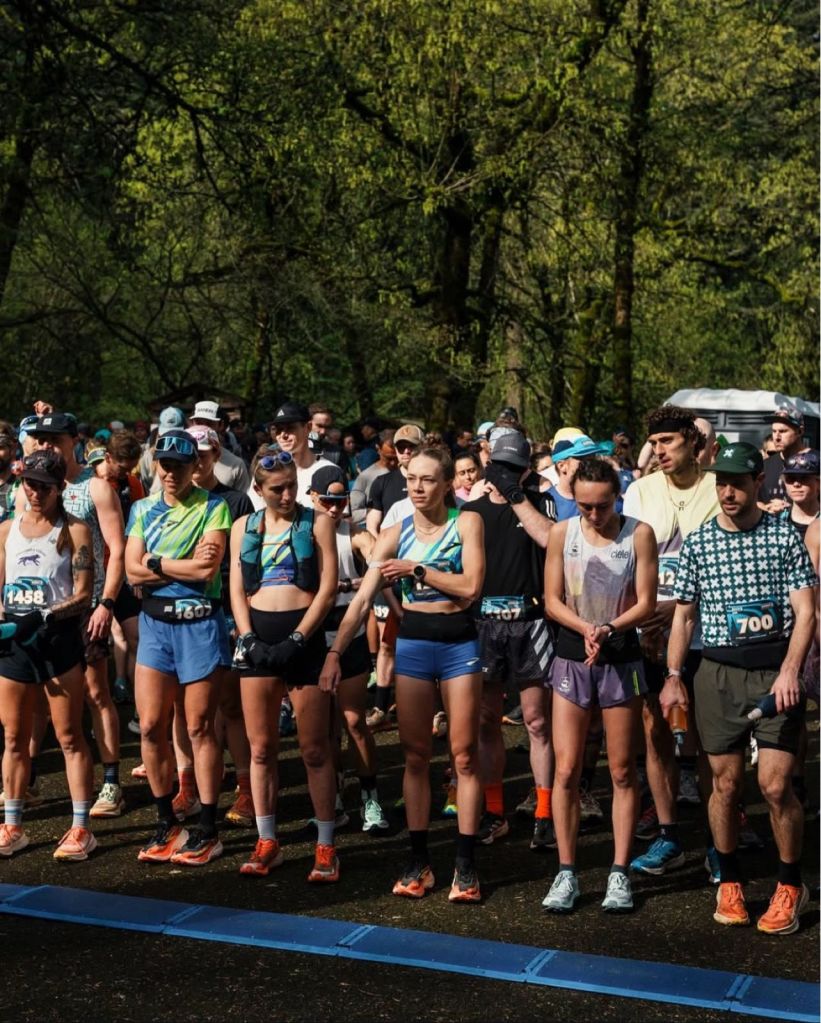
It turns out that if you’re not ready for the demands of a competitive 50K, you’re probably also not ready to hang with short race specialists in a faster, competitive 30K.
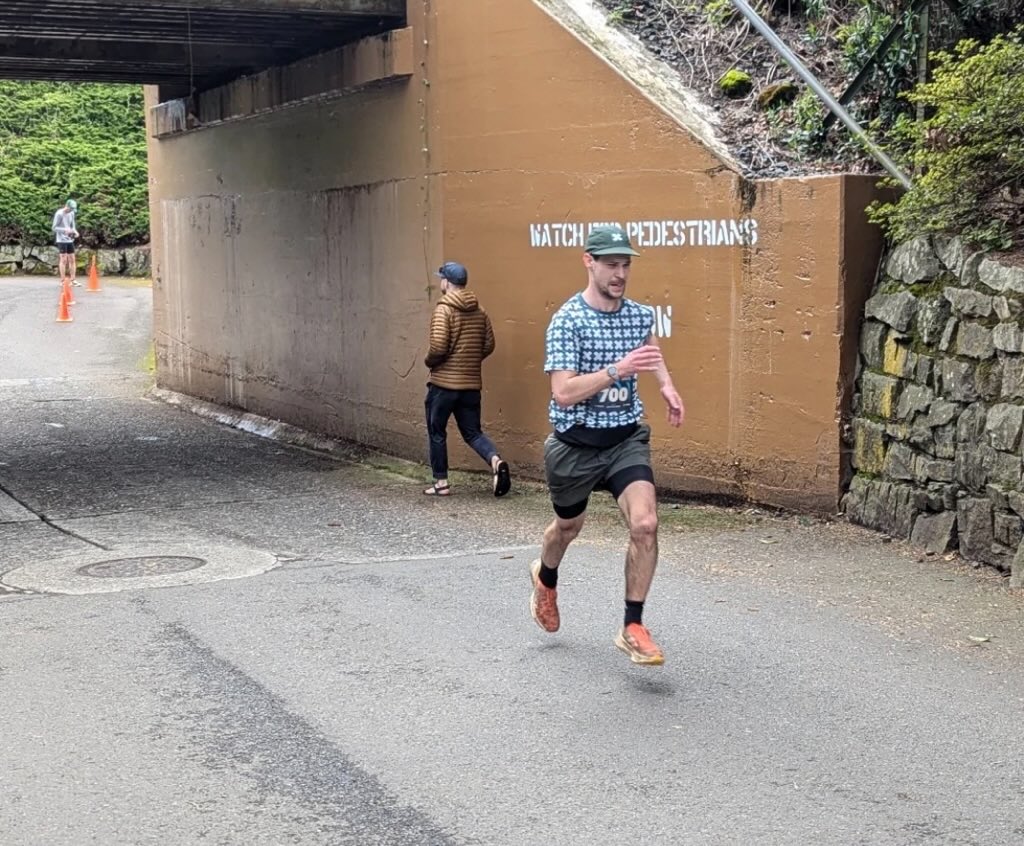
But I squeaked inside the top ten and had glimmers of positivity to take away from that opening Gorge 30K.
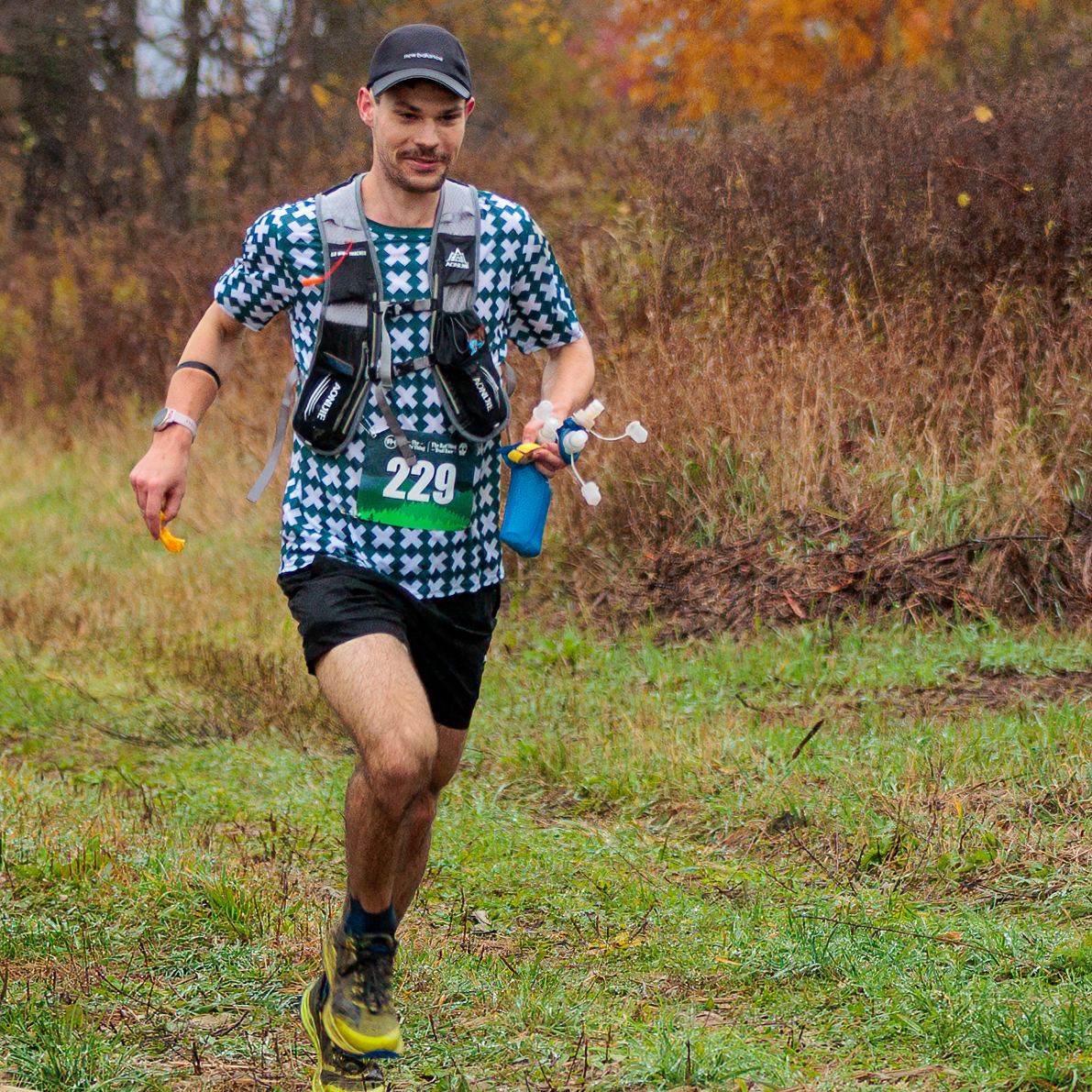
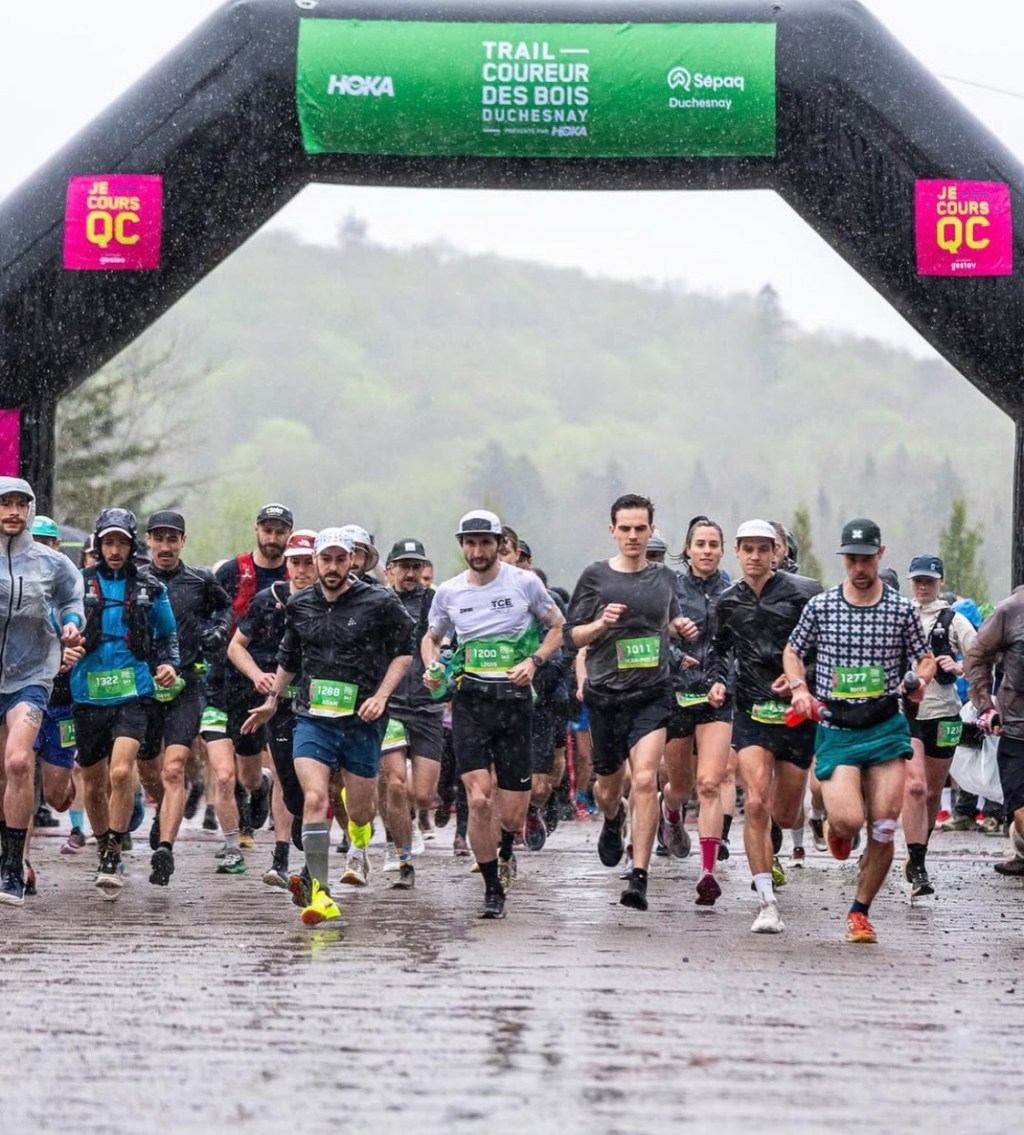
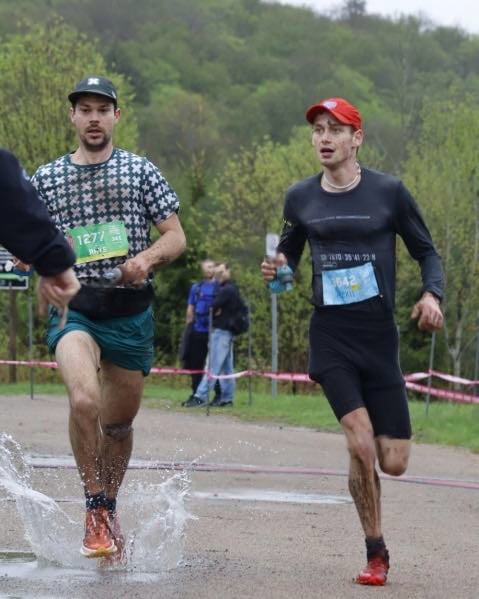
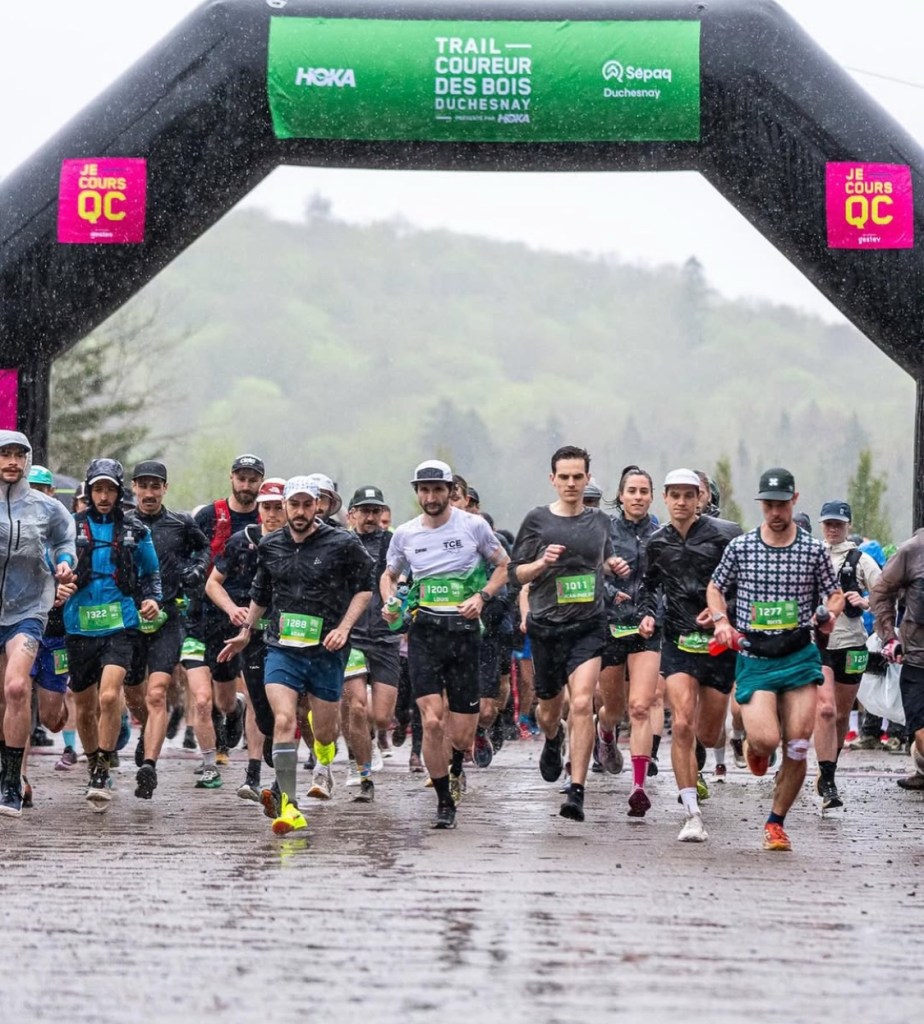
Glimmers that also didn’t quite materialize themselves at Trail des Bois du Duchesnay 34K. The flooding of the race course on that day made it a battle of grit and footwear, but I again took the positives away from the few moments I was able to step on the gas.
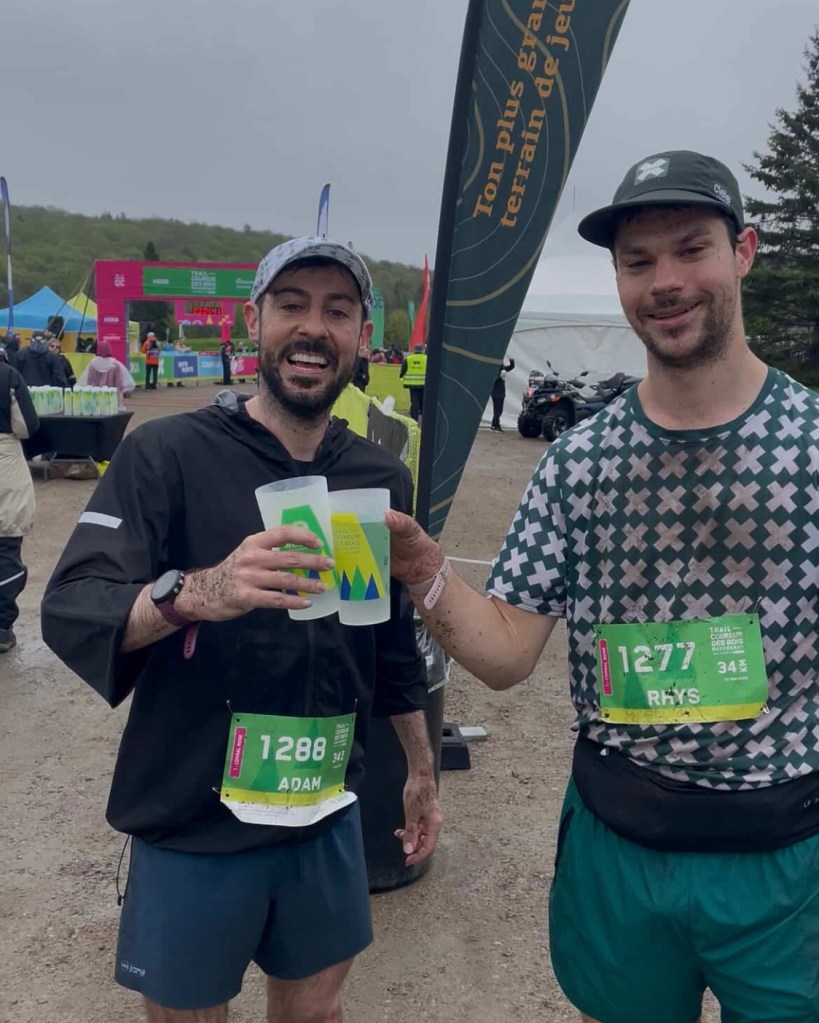
And after racing QMT 50K for the second time and not quite enjoying the experience, I feel ready to continue putting that speed to the test.
In the reflections and conversations with my coach that followed, I recognized…
- I like the training demand of shorter, faster races more than longer races.
- I like the recovery time of shorter, faster races too.
- By proxy, I can create a more sustainable training and racing cycle for myself by doing shorter, faster races.
And all the while, I can continue to try and rid myself of this perceived weakness and re-develop my speed.
Because funny enough, as efficiency and speed have been such a focus this year, that perceived weakness is being perceived as less and less of a weakness, and more and more as a strength.
So as many of my trail running friends follow the long-standing trend of going longer and longer in seeking those new challenges for themselves, and I think they are so cool for doing so, I have a burning desire to do the opposite.
My next race was supposed to be the UTHC 65K, after loving the 42K last year. But following QMT, I didn’t really want another six hour race in my legs.
So I managed to snag a spot in the super competitive UTHC 28K instead.
This distance fits way better in my calendar, as a precusor to the 31K at Javelina, and the Philadelphia Marathon with XACT Nutrition – my first road race in years.
I hope for both of these races to be comfortably under 3 hours, and a 6-hour race just doesn’t line up to that agenda.
Especially, when I know that I don’t want to use a 65K as a stepping stone or trial toward anything longer. I know with confidence that I want to swing in the opposite direction.
So after already doing two 30K’s this year, I’m about to officially enter my sub-ultra era.
Sub-ultra really needs a better name for itself. Too bad “short-trail” is already taken.
And next year, in preparation for the Canadian Mountain Running Championships, I’ll be going even shorter and faster.
I personally think it’s really important to pick a lane when it comes to this sport, making training all the easier to construct, and performances all the easier to boost.
And I keenly know my lane, both as this year comes to a close, all the way into next year.
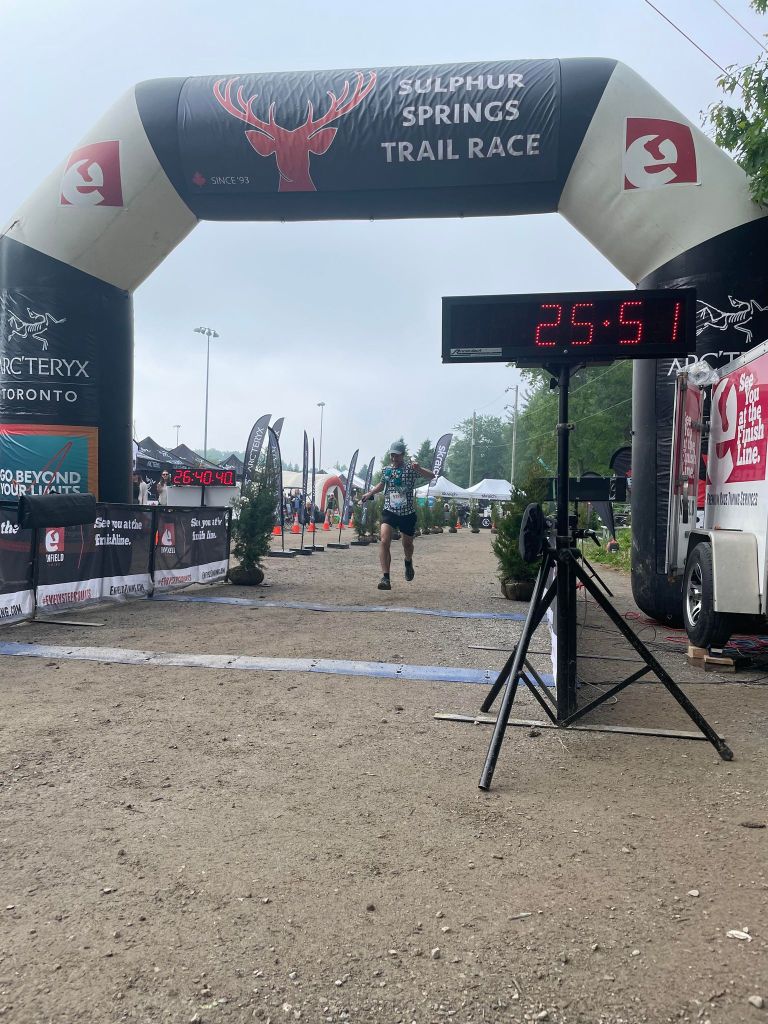
It’s so easy to get the temptation of all the hype in our sport about the longer distances. But with Quebec’s new trail running cup and most big races now having a shorter option, I’m hoping that a lot of runners coming up from high school and university careers onto the trails can feel confident about developing in sub-ultra and not needing to go straight into 50K’s and beyond like I did.
There’s still more that I think the trail running scene in Canada could do to develop more of a country-wide racing series and target younger athletes, but perhaps that’s a story for another article.
In the meantime, I’m working to rid myself of this perceived weakness about my “lack of speed”, prepping for some seriously speedy short races.
And in the process of going shorter and faster, I know I’ll be a stronger runner. Perhaps, even, stronger than ever before.
Thanks for reading and see you soon!




 Rhys Desmond