

Wherever you are in the world, there is some kind of race in your area this weekend.
With so many options at the touch of a registration button, it can be difficult for athletes to not overdo it when selecting their races.
For many of us, myself included, racing is like nothing else in the sport. It is the #1 thing that can keep us motivated, curious, excited, and just feeling our best. It can help to drive training, and it can help drive our hunger and desire to be our best in the sport.

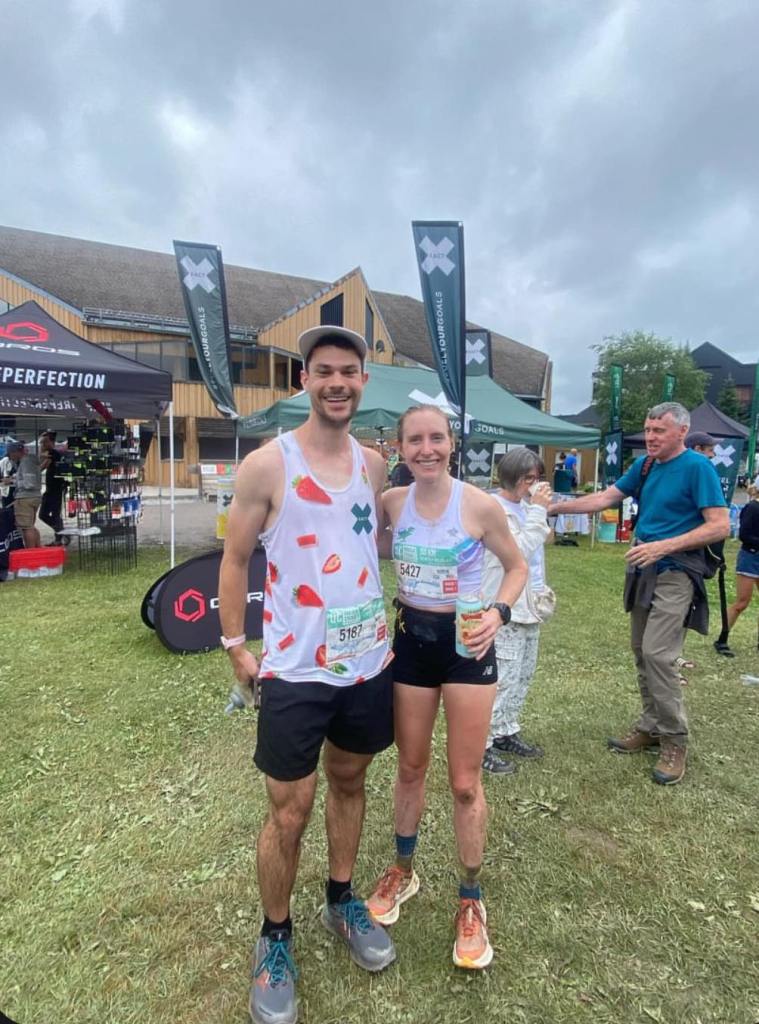
And since races are so fun, and we will inevitably get invitations and suggestions from friends and randoms everywhere we go, it’s easy to get the inclination to race more and more.
While you have to be cautious when planning your calendar, there’s also an argument to be had that races are the best form of training.
The best single training day I could possibly accomplish ahead of the 2025 Quebec Mega Trail 50K has already been done, last year, at the 2024 Quebec Mega Trail 50K.
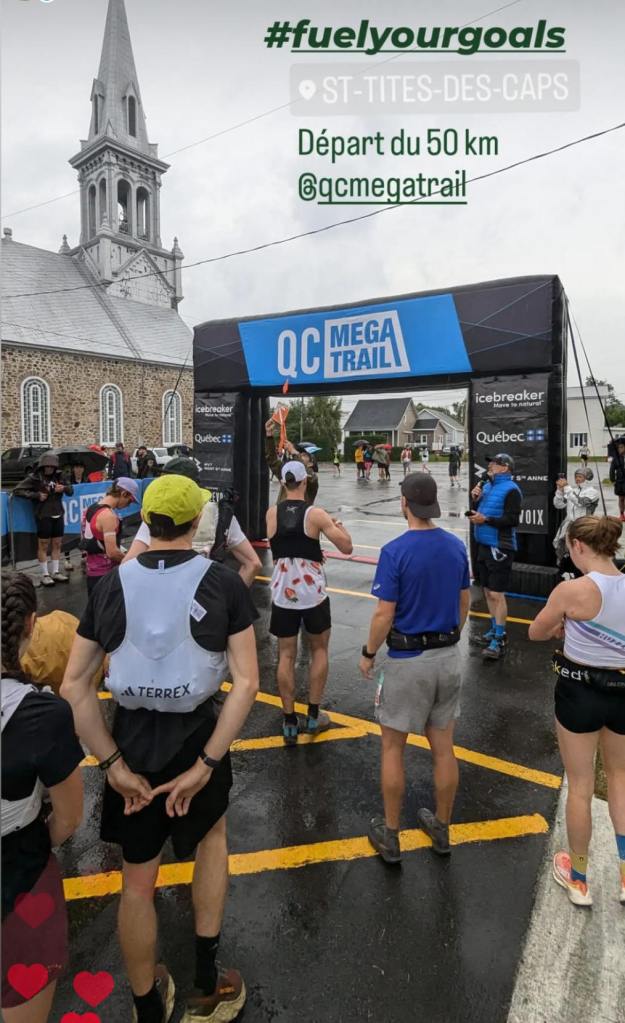

Races are valuable experiences for teaching us about ourselves, most notably what we’re good at, and where we still need to improve.
And you can’t quite get this same stoke out of training in a low-stakes environment. Sometimes you need the stakes to be higher to learn about yourself.
And I think anyone driven by competition and motivated to perform at their best should put themselves into races. So with that, here are my top considerations for constructing a racing calendar. So like Toad, HERE WE GOOO!
COMPETITION / RACING PRESTIGE

Naturally, I think the majority of us are motivated by high esteem races, famous and historic for their deep competitive fields or level of difficulty.
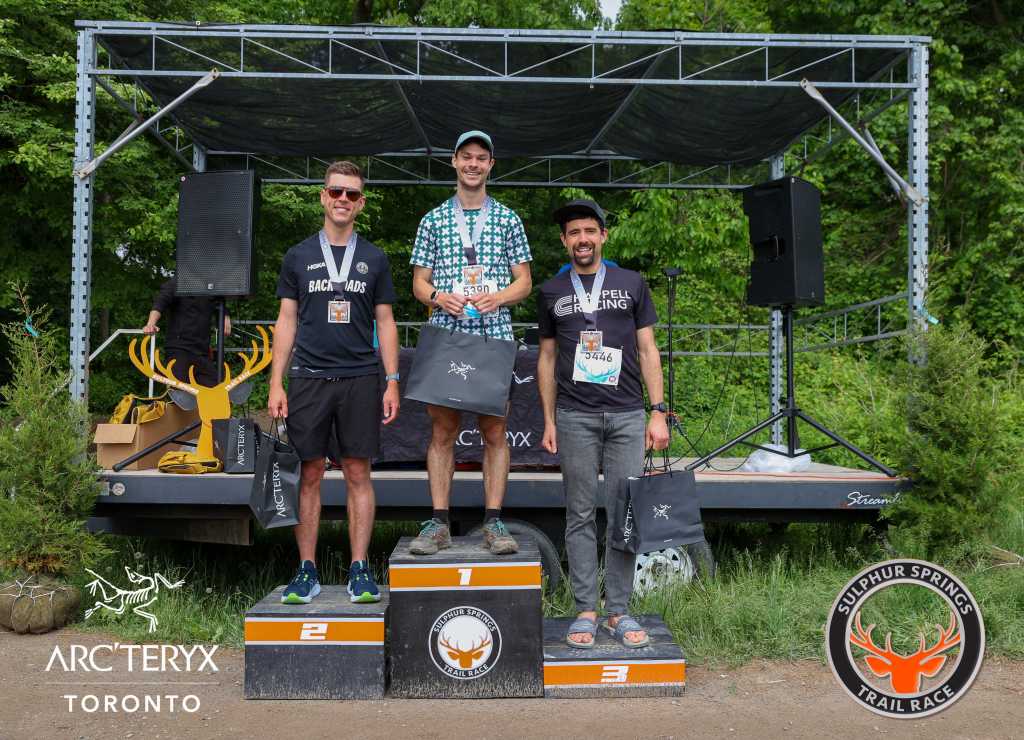
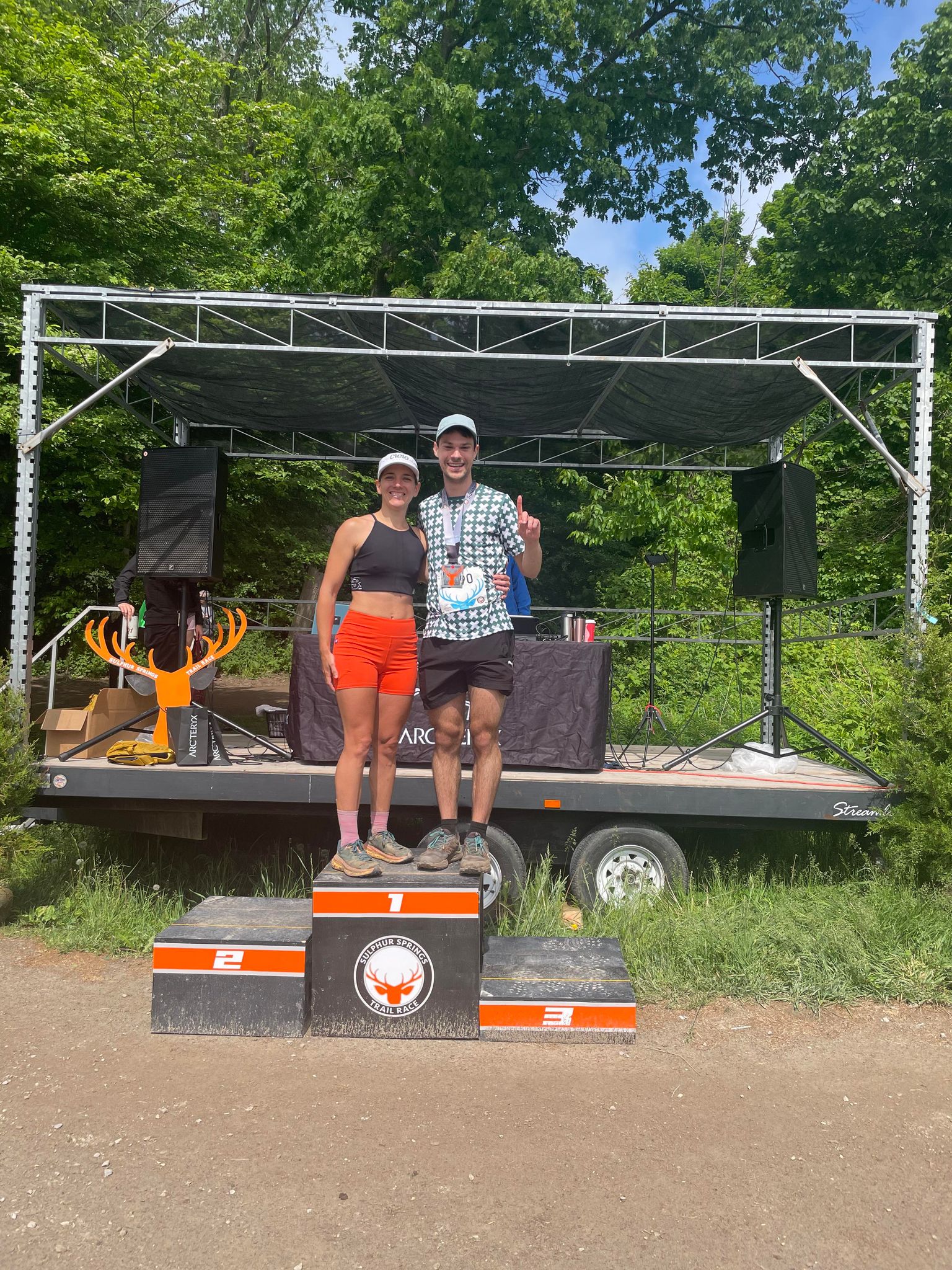
I podiumed at each of my first three trail races in the sport, and going three for three in a calendar year will probably never happen again in my career because since then, I’ve chosen only top-tier competitive races.
I want to push myself against the fastest and the best in our sport, and see where I stack up. I’d rather put myself in a National Championship or World Trail Major, than a local trail race in my backyard mountain.
And for many people that’s not sustainable or affordable. For the environment, it’s always better to race local.
But for me, racing internationally is the best way that I’m going to stay motivated to perform at my highest level.

And I think regardless of where you are in your running journey, nine times out of ten, it’ll be easier to get motivated and psyched for Sierre Zinal, Western States or UTMB, than the local trail 30K or 100-miler. Historic and competitive races have more power to push you to where your potential can go, and I think every runner should be looking for the competitive races closest to home, and the ones that spark the most interest.
I also think it’s important to change it up every once in a while, giving yourself new experiences, new distances and new races to get excited about.
After all, if you can only do four to six races in a year, you have to choose the races that are going to feel most personally motivating and exciting for you.
PLAYING TO YOUR STRENGTHS

With such a limited amount of races to fit into a calendar year, I also think that the majority of those that make the cut should play to a runner’s already existing strengths. It’s great to step outside of our comfort zones and try something new! Maybe we’ll discover a whole new world of things we want to try because of that rolling ball.
But it makes more sense to spend the majority of time in races that are going to favour your skillset. It doesn’t mean that skillset can’t change. I’ve developed a whole new set of speed this year that I didn’t think I’d ever get back. And it has me considering more and more faster races, when previously I only wanted to specialize in technical mountain races.
But playing to your strengths allows you to have the most enjoyable experience possible, helping you continuously develop confidence. And we might even be bad judges of our strengths, so it’s always going to be a good question to ask a coach: “What do you think my strengths are when it comes to trail running?”
I bet they’ll have a different answer from one that you would have put toward the top of your own list.
The problem that I see is that athletes are always chasing races that other people said they should do. That other people liked. That other people invited them to do. That sponsors said they had to do.
Sometimes I think people don’t recognize their own strengths, and at least if they do, they’re always chasing more. It’s so easy to chase one-hundred-milers in our sport, because that’s where the money and the true historic races live.
From my side of the equation, one-hundred-milers might end up being the perfect race distance for me. But I have no inclinations to do one any time in the next five to ten years, if ever. I want to focus on one thing at a time, get as good as I can at that, and then move onto more when I feel like it’s time.
When constructing a calendar, I think the more similar your races are, the better off you can fare at each of them.
I don’t think it’s worth running six mountainous 50K’s in a single year if your body hasn’t adapted yet to running that many 50K’s well. But I don’t see the harm in throwing in a few mountainous 30K’s or trail marathons into the mix.
The muscular demand and break down is way better with this formula:
- 2 x 30K’s, 2 x 42K’s, 2 x 50K’s
Than it is doing:
- 6 x mountainous 50K’s.
If you have two ‘A’ goal 50K’s in a year, make those the centrepiece focuses, and do shorter races to prepare yourself for those events.
If Black Canyon 100K is your goal race for 2026, do a hot Arizona desert race of lesser distance to prepare.
This is exactly what I tried to do this year in squeezing Trail des Bois 34K ahead of our National Champs at QMT 50K.
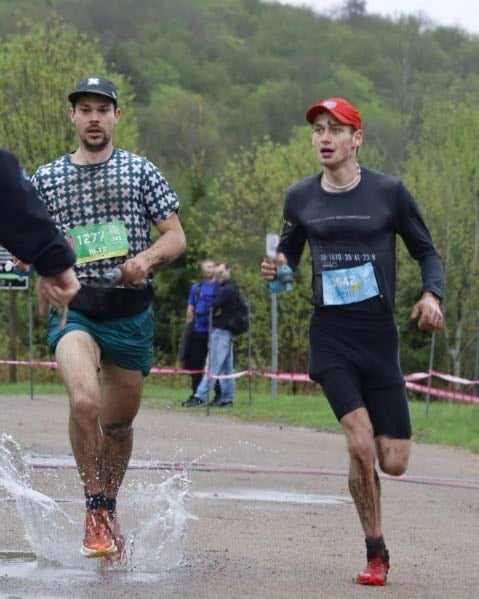
I gave myself the opportunity to practice travelling to Quebec, speaking French, doing the whole thing, racing guys that will be at Nationals, and then flying back. I gave myself that opportunity at a lower stakes, lesser distance event, with absolutely zero pressure to perform.
And while it wasn’t the dream race I had hoped for given the conditions, it was still a useful practice ahead of that big goal race. And that part is pretty essential – giving yourself enough practice ahead of your big goal race.
You can do that in training. But you can do that even better at a race, competing against others for positions and trying to get the most out of yourself.
TIMING BETWEEN RACES

Some people respond incredibly well to races, gaining fitness and bouncing back after each one like an energizer bunny sent from the sky.
But for most of us, racing takes time to recover from, especially harder and longer efforts of those ultra distances (50K+). The more you push yourself on race day, and the harder your training block leading up became, the more rest and recovery you might need.
There’s no exact formula to this, and the rest and recovery should always depend on when the athlete is feeling physically and mentally up for running again.
But still, I think after each race, it’s so easy to immediately think about the next one. We’re so bad at living in that stoke and just enjoying the moment. We’re always thinking about what’s next.
So after taking enough time to properly celebrate, and around the same number of days for every hour you race (in shorter races this can work pretty well), you can then resume training and start to think about that next race.
But even if you can return to training, it doesn’t mean that your body is ready to take on another race. What we do to our bodies in ultramarathons is pretty wild, and it takes a while to come back from, hormonally and physically. Too many races too condensed together is one of the fastest recipes for injury.
Between ‘A’ goal races (which I believe you should narrow down to 1-3 in a year), eight weeks is a great amount of time to get a true training block under your belt and recover properly.
Anything shorter than six weeks means that you’re in a weird limbo of tapering, recovering, trying to peak again, and then recycling back to the start. And that’s a fine place to exist for a lot of athletes, especially if enough of the races are short enough and the muscular demand has been built up enough over time (including not only training and racing experience but fuelling and recovery experience).
But in most cases, it’s just not sustainable enough.

So if two races are too close on the calendar, and one of them can’t really act as a tune-up for the other, it’s just not worth it. I learned this the hard way by doing Canada’s two most competitive 50K’s back to back last year (QMT and Squamish), with just a five-week span between them. I ended up giving myself an injury bad enough that I had to spend most of the final part of 2024 off.
For Marcus Ribi, he was able to recover well from the QMT 50K and then win the Squamish 50-Miler.
But my body just wasn’t ready for a similar demand, and it’s important to recognize that to avoid injuries. Just because others can recover that way, it doesn’t mean they should, that you should, or that you can too.
So for most of us, I don’t see a need to schedule races less than five weeks apart, and I would usually advise against it unless you know you’re great at recovering from shorter races ahead of a longer effort, and your fuelling and recovery is dialled the entire time.
Learning from my experience last year, I’m giving myself a whole two months between my two ‘A Goal’ races this year: QMT 50K and UTHC 65K. The more time between those two goal races, the better. Especially when you’re thinking about long-term development in the sport and being at your best for the next year too.
It’s not uncommon to see a really good year in an athlete’s career followed up by a more underwhelming one. More often than not, it’s because they bit off more than they should have chewed in their race construction of the previous year.
So if you’re planning your races ahead of 2026 or for the rest of the year and want a second eye, feel free to reach out!


Thanks for reading and see you soon!



 Rhys Desmond