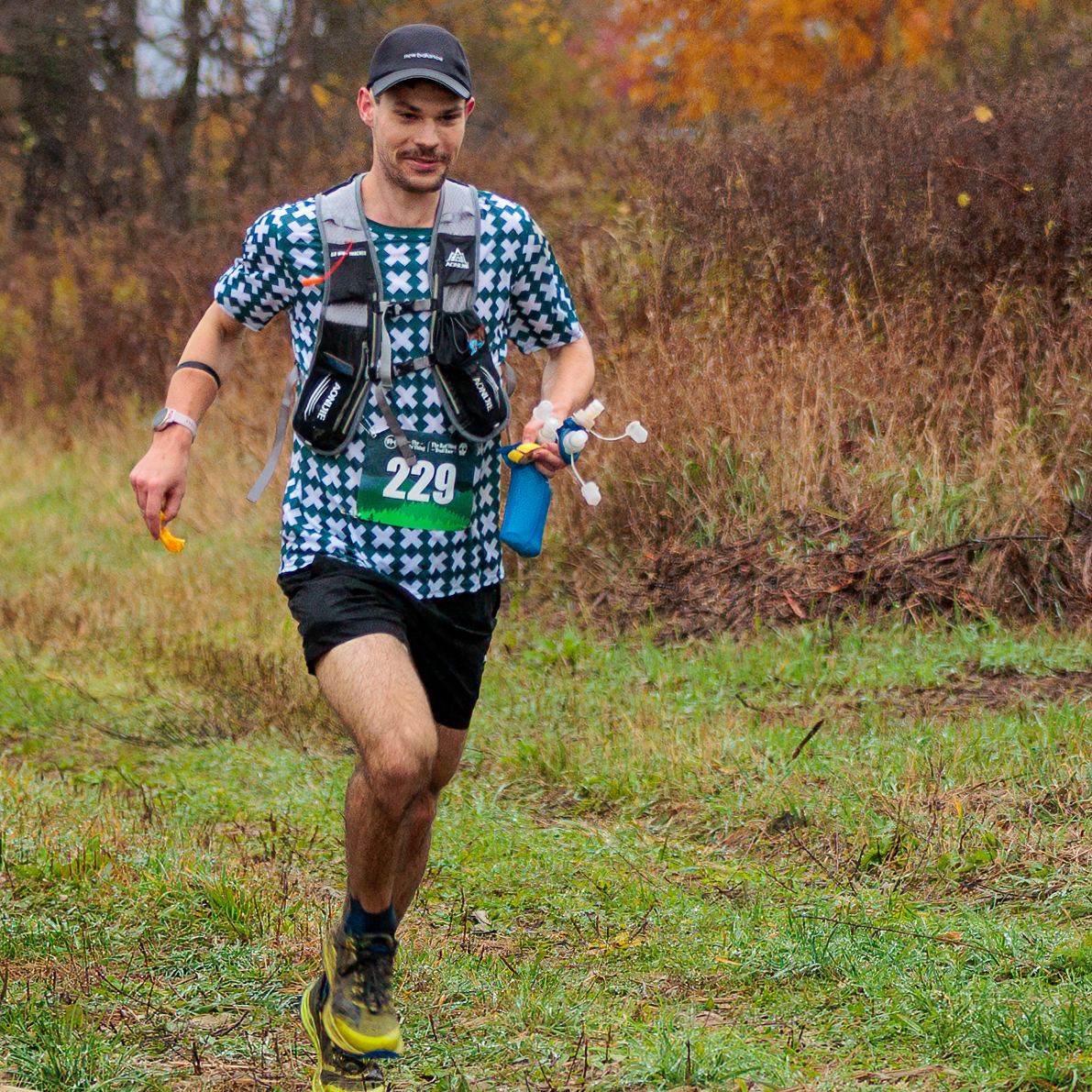

For the past two years, I’ve existed in my sport as a professional athlete.
The term is loosely defined in a sport like mine. For one, because there’s no clear-cut definition. For another, you can so clearly compare your results to others, thus never feeling good enough. For a double ‘nother, because of Imposter Syndrome.
The very, very best in the sport would likely say that there is someone better than them. Imagine how the rest of us feel?
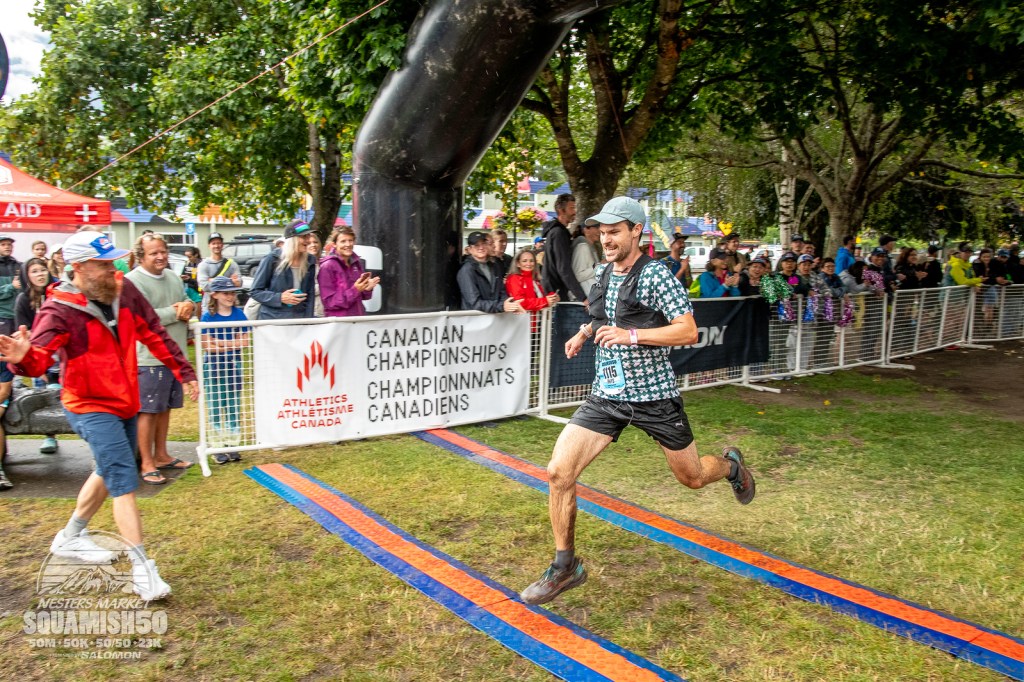
This is unsurprising to anyone in the performance analysis or coaching sphere. Every athlete I’ve ever worked with (even at the professional level), underestimates their own worth and talent. Every single one of them has a hint of doubt. A hint of imposter syndrome ruminating behind every move they make.
I’ve noticed this in myself throughout the two years. Every time I describe my identity as a trail runner, I speak to how I lack the speed to compete at the highest end of the sport. I praise my ability on the difficult sides of the sport like running on technical terrain, terrible conditions, or hills. But when it comes to actual raw talent, I always underestimate my abilities.

Partially, that’s because I’m comparing myself to others. I’m comparing myself to others that have different genetics, different training environments, and different ambitions.
I so often forget these facts when I’m comparing myself to others, and simply think that I can never be like them.
All the while completely forgetting that I’m training for different events. All the while completely forgetting that those same people probably have the same doubts when they compare themselves to others, just like every professional athlete does.
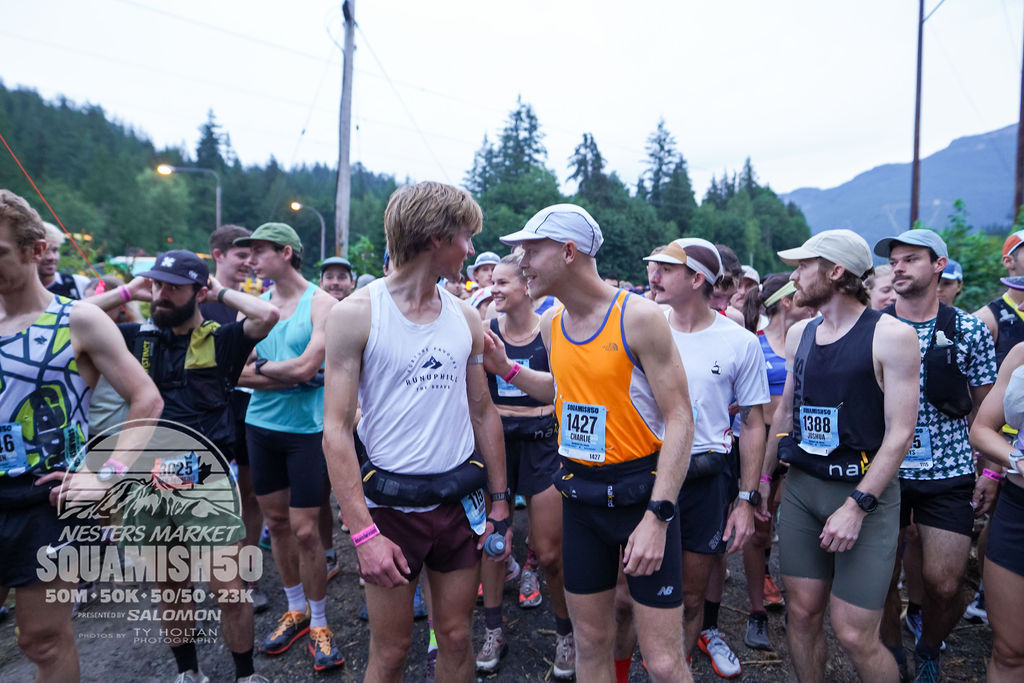
Whenever suffering from imposter syndrome, you have to remember your own unique context. You have to remember where you are in your journey, and what you are trying to accomplish. If someone doesn’t have the same goals or ambitions as you, or they’re working toward something completely different, you don’t need to compare yourself to them at all.
And while it’s true that you need to be frank and honest with yourself about where you stand, you must also remember that growth is not a fixed gear. It can change.

Recognize where you are, accept it, and then realize your own strengths. Realize where you might be underestimating and underselling yourself, even if there’s an echelon high above that you may never reach. It doesn’t make you an imposter to be where you are in the moment, especially not if you’re constantly striving to be better.

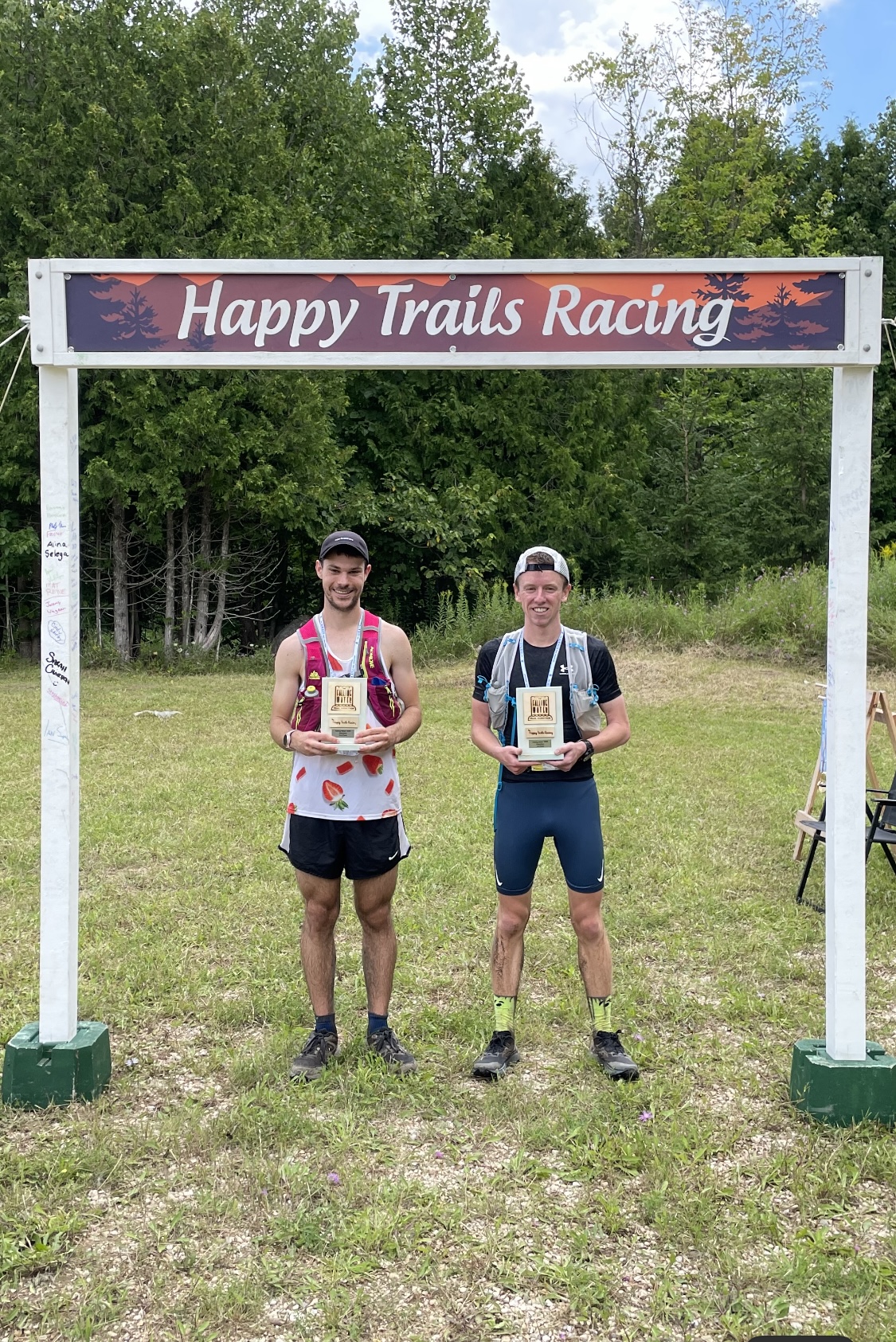
I can’t be in the top 0.1% in the sport, and I know that. My injury track record is abysmal, often stunting the progress I make to get anywhere close to that.
But that can’t be the comparison.
The top 0.1% can’t be the baseline comparison that I’m using to evaluate my abilities. Instead, I can compare myself to other trail runners in Canada. Or maybe to others competing globally in the trail marathon to 50K range. Maybe even to those in my age bracket. In all of those circumstances, I stack up really well and have much to be proud of. To simply only think about how I’ll never be Remi or Elhousine would be insane!
While I’m sure the best in the sport have nice big contracts, I shouldn’t refrain from calling myself a “professional” just because I don’t.
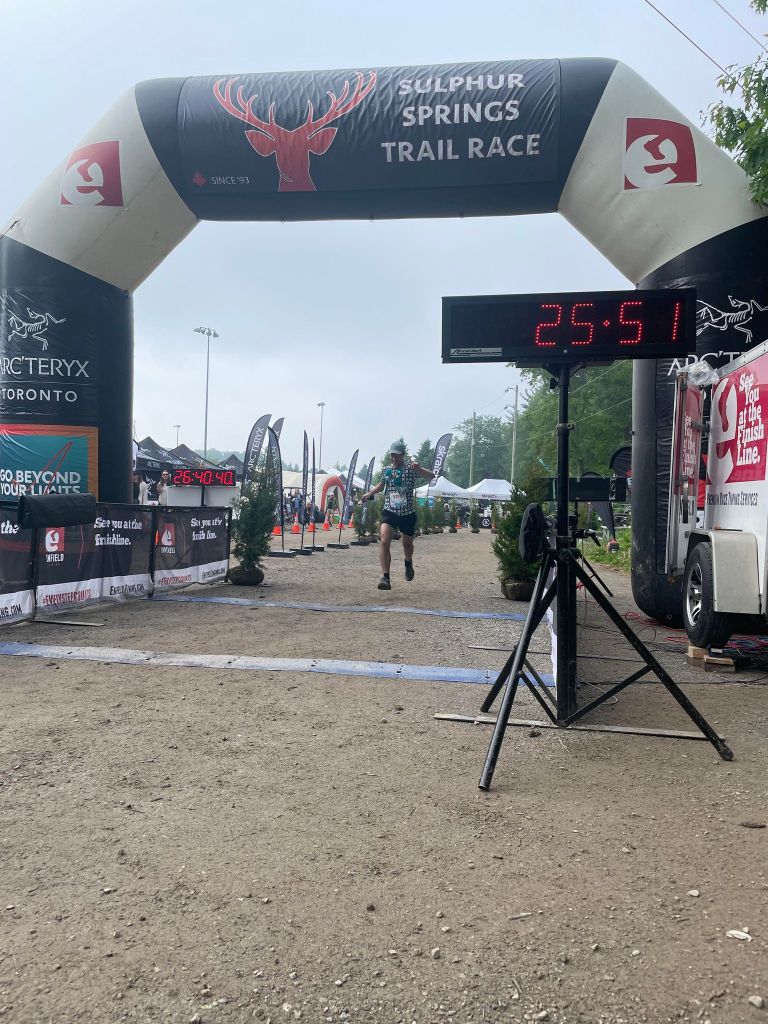
And I do exactly that!
Every time I say that I’m a professional in my sport, I have an awkward pause where I feel as though I have to quantify it with other information. I proclaim it as a “part-time professional”, or simply say it a different way like “trying to compete at the top end of the sport.”
I guess I’m afraid that people simply won’t believe me. What an absurd imposter moment!
If someone came to me and said they were a “professional mountain biker”, I would think it’s cool! I wouldn’t doubt them or think twice about it. Instead, I’d want to know more.
My own hesitation with this comes entirely down to imposter syndrome. There is factual evidence that my brain simply needs to compute:
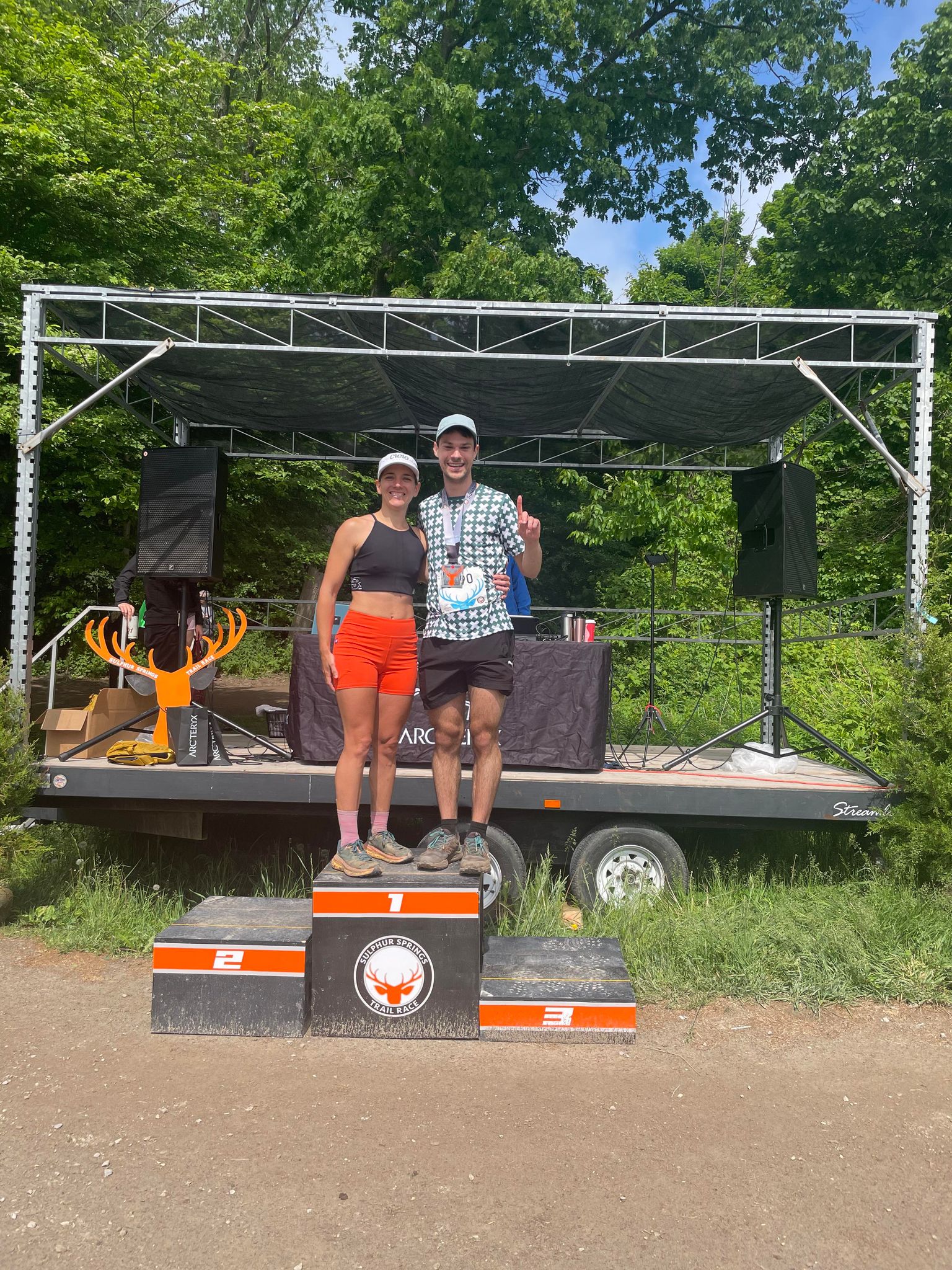
✅ I’ve consistently battled for podiums and top ten finishes at some of the biggest races in North America.
✅ I am a sponsored athlete with a nutrition brand that I fully endorse.
✅ Athlete rankings on any of the various systems in the sport would put me in the top 1% of athletes worldwide.
Beyond that, I exist in the sport as a professional because…
✅ I scrutinize over every detail of the sport.
✅ I spend hours everyday focusing on both the training and recovery processes, hours that amount pretty closely to a full-time job.
✅ I travel long distances just to train in the best environments, let alone race some of the most competitive races.
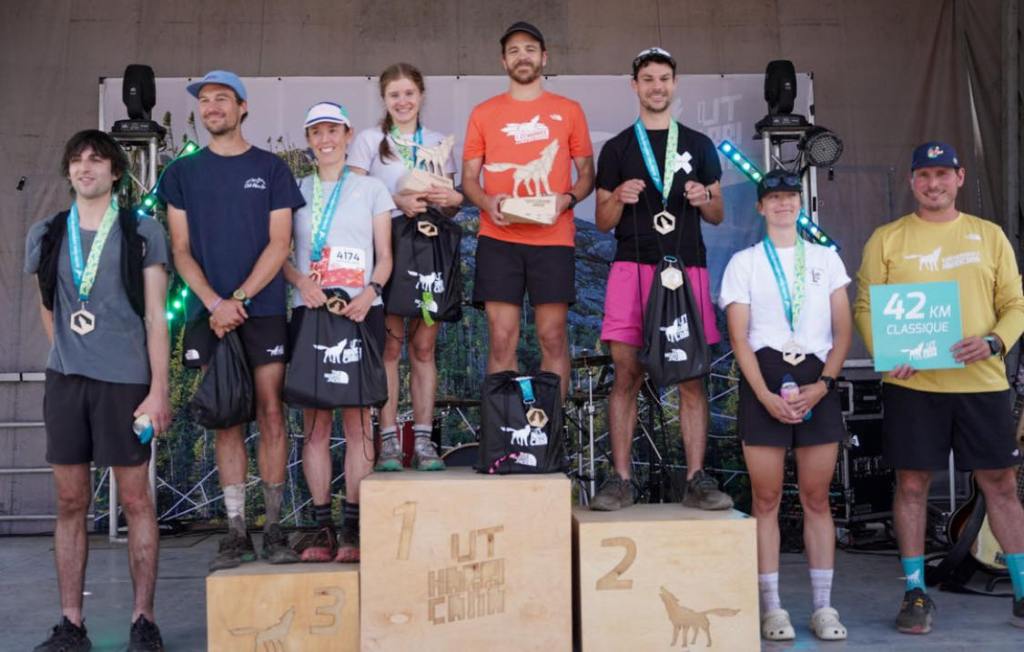
With this in mind, I’m personally doing away with imposter syndrome. From now on, I’m NOT going to call myself a “part-time professional”. I’m simply going to say it like it actually is – I am a professional athlete in my sport.
I urge you to do the same.
Sometimes you need to speak something into existence for it to come true.
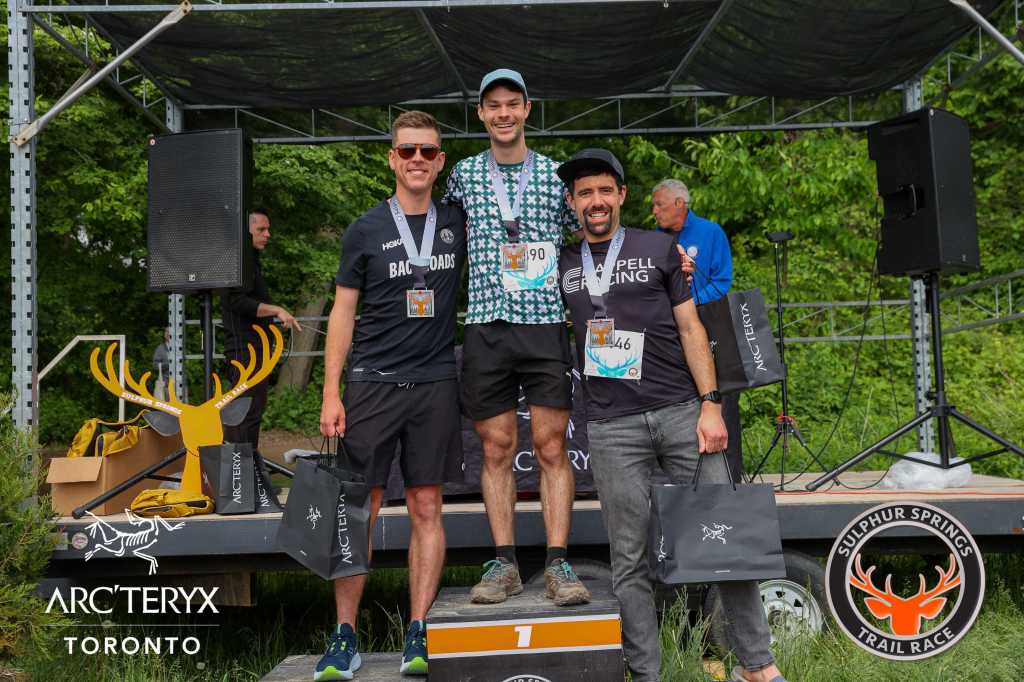
While it’s nice to recognize where you are, you must walk the tightrope without holding yourself back from what you can actually accomplish. I’ve only ever discovered imposter syndrome to exist in situations that are so clearly within the realms of achievability.
I’d argue it requires two things to exist:
1. Achievability.
2. Importance.
Most of the time, we feel like an “imposter” in the silliest of situations. In circumstances where everyone around us would tell us that we’re better than we think. We’re just afraid that the important, achievable thing won’t pan out, and that’s why we get in our heads.
But it’s only in our heads. Everyone else is thinking the exact same thing. That they’re not good enough. Why join them?

Own it. Just like I’m doing with the “professional” label.
And even if you don’t really feel it, you have to say it out loud for it to come true sometimes.
You are not the imposter, so stop treating yourself like one.





 Rhys Desmond