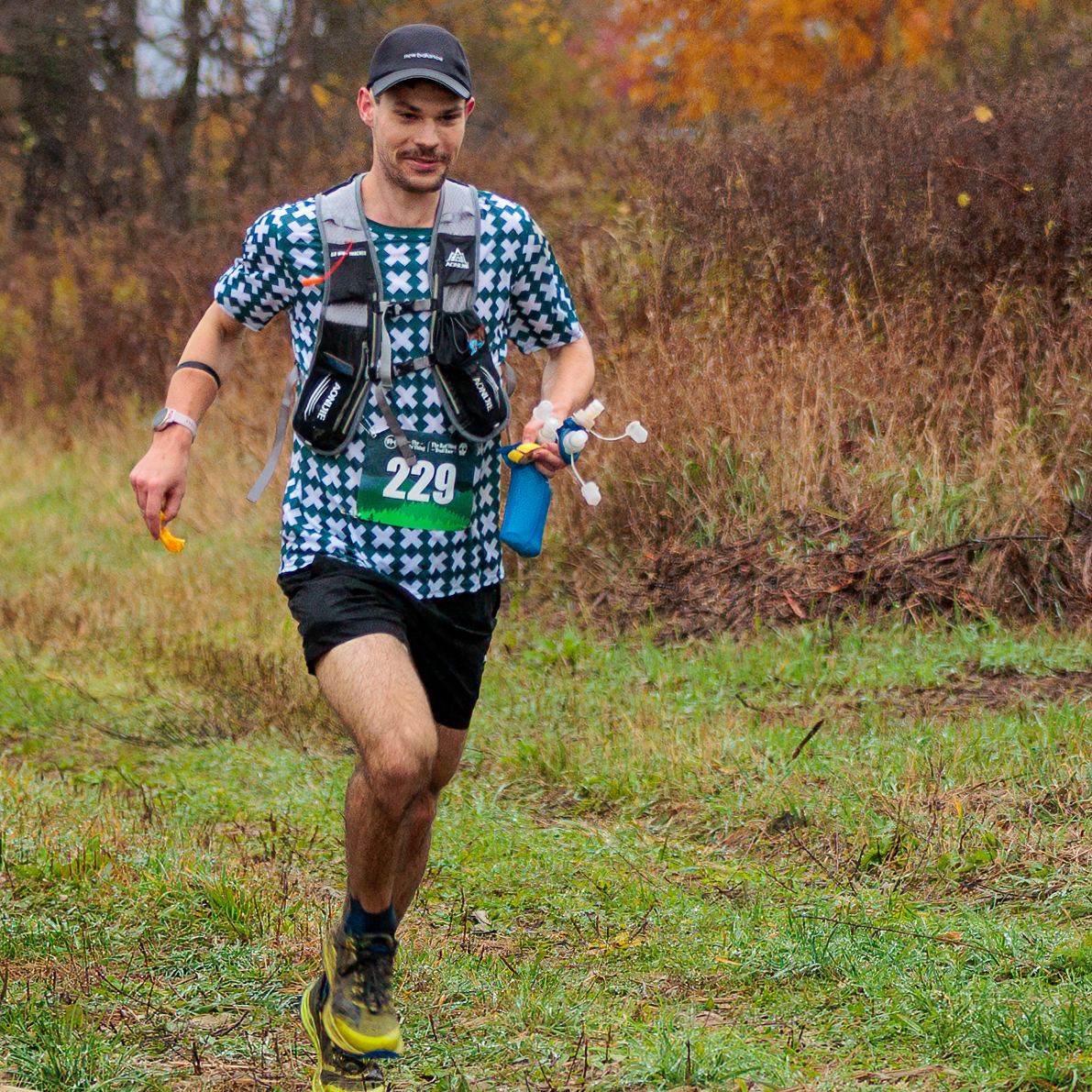

Every time I’ve been injured, I’ve been markedly sad, thinking it will take forever to regain all the attributes I’ve built up over the years, and stunt all the hard work I’ve put together.
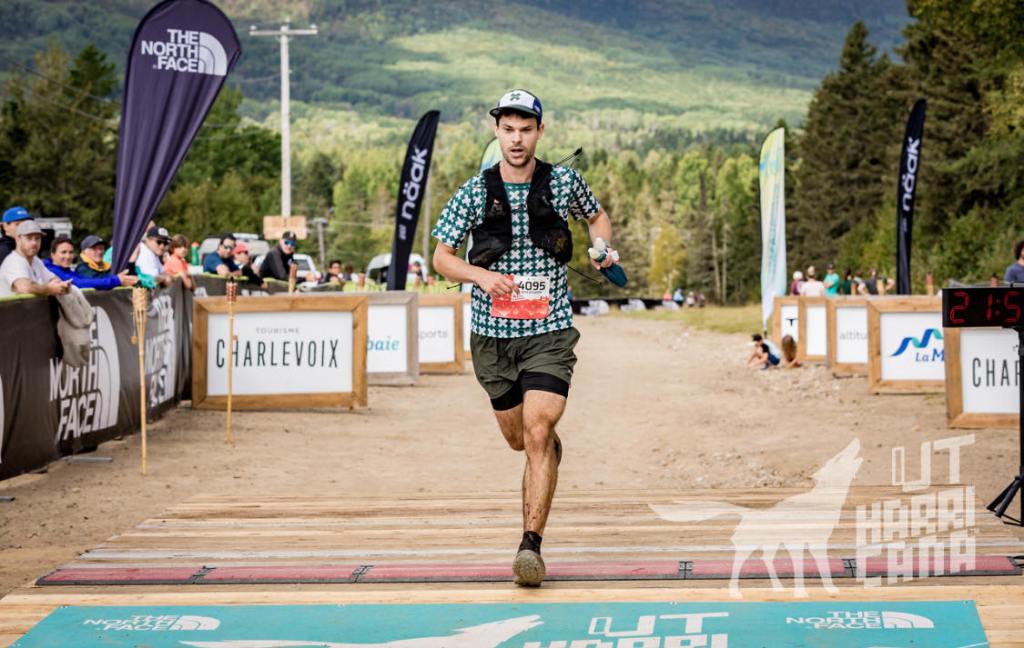
But in a stunning twist of events, every time I’ve been injured, I’ve regained the light of day faster than I thought.
There’s something powerful in the post-injury experience. In the immediacy of the weeks and months following an injury. You’re still weary. You’re still hot dogging every downhill, expecting for every step to hurt. But over time, when you learn those steps no longer hurt like they used to, you gain confidence. Over time, you realize that you’re faster and stronger than you thought. Over time, you realize that maybe the injury wasn’t so catastrophic after all.
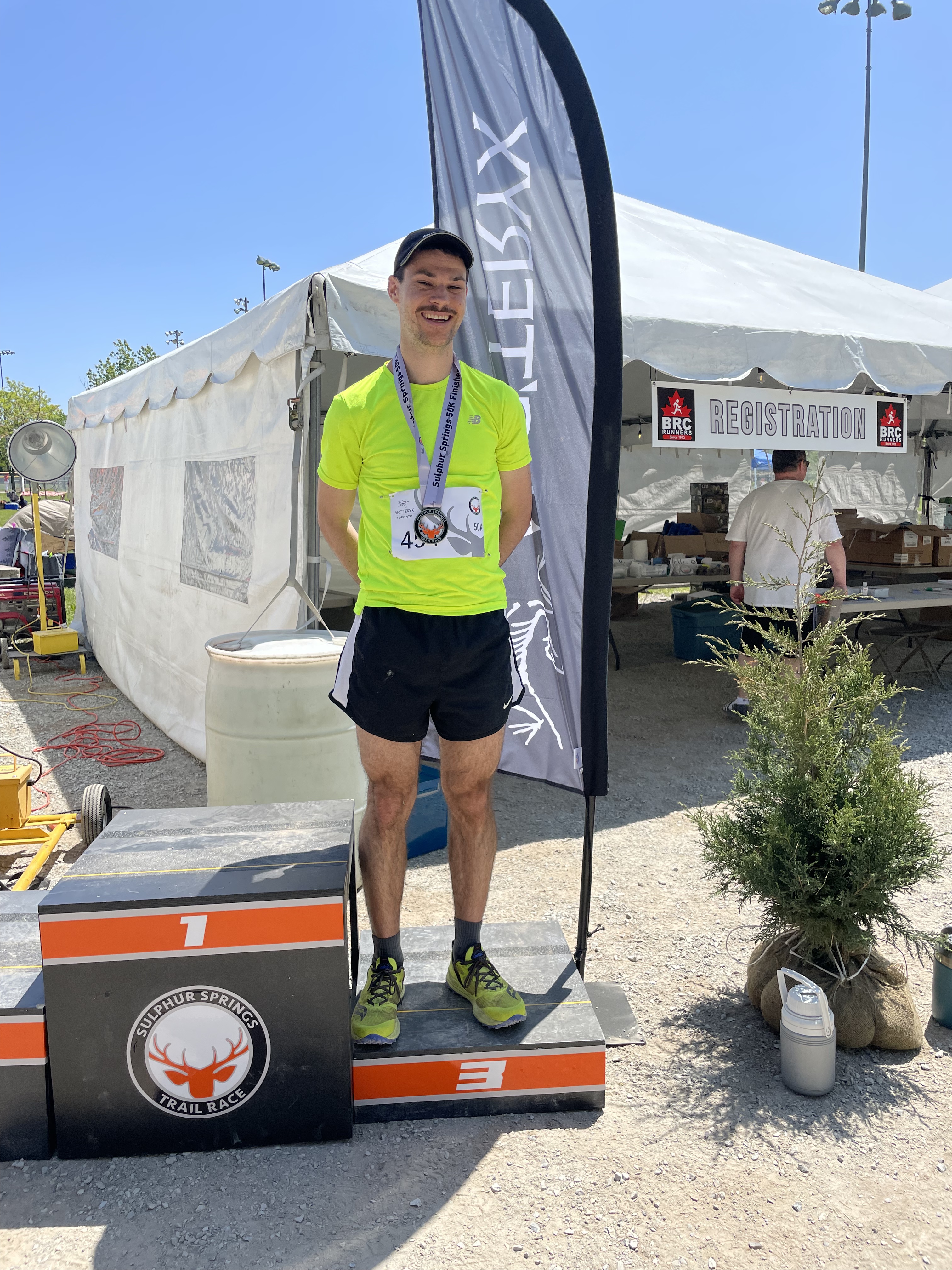
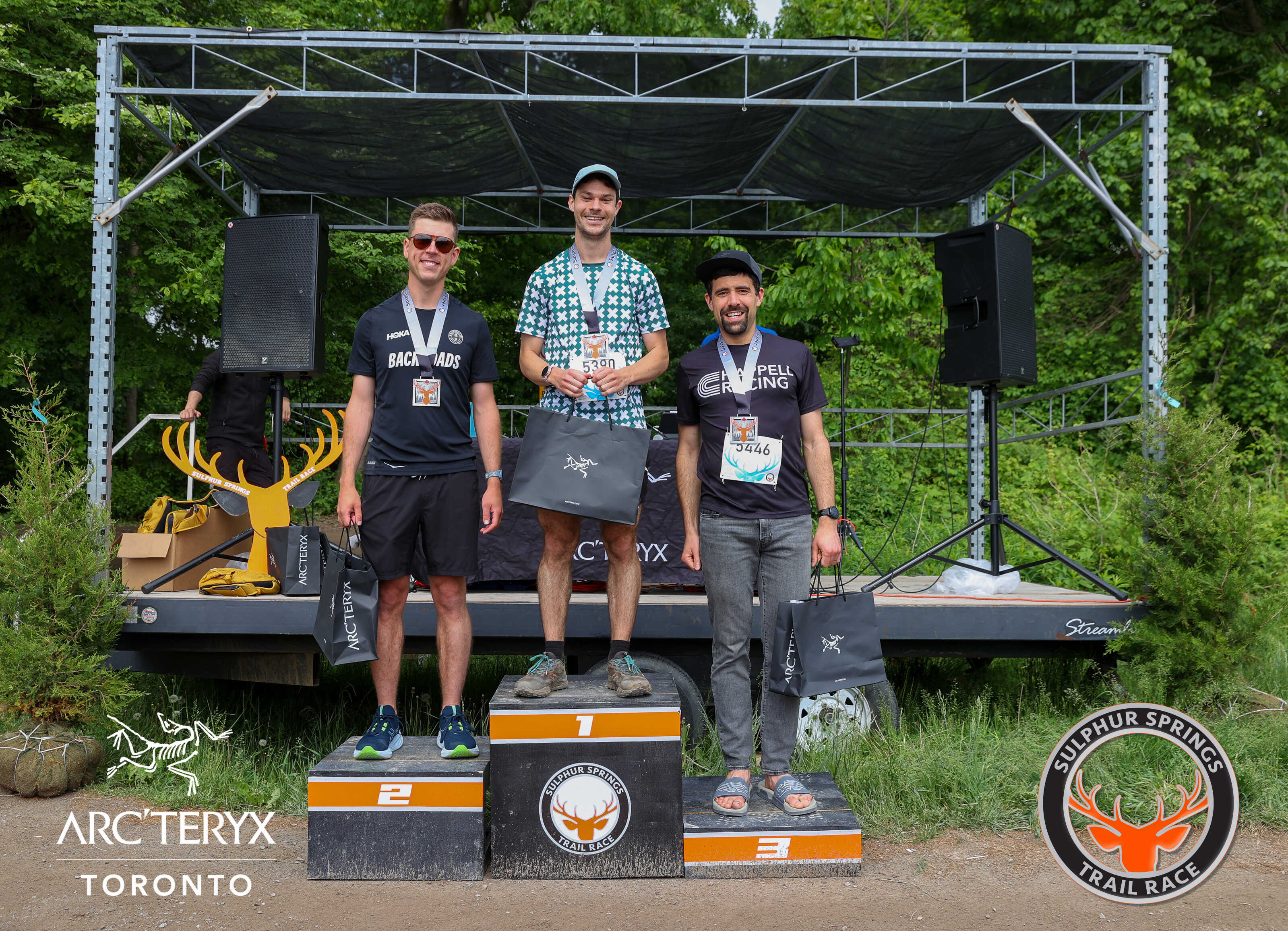
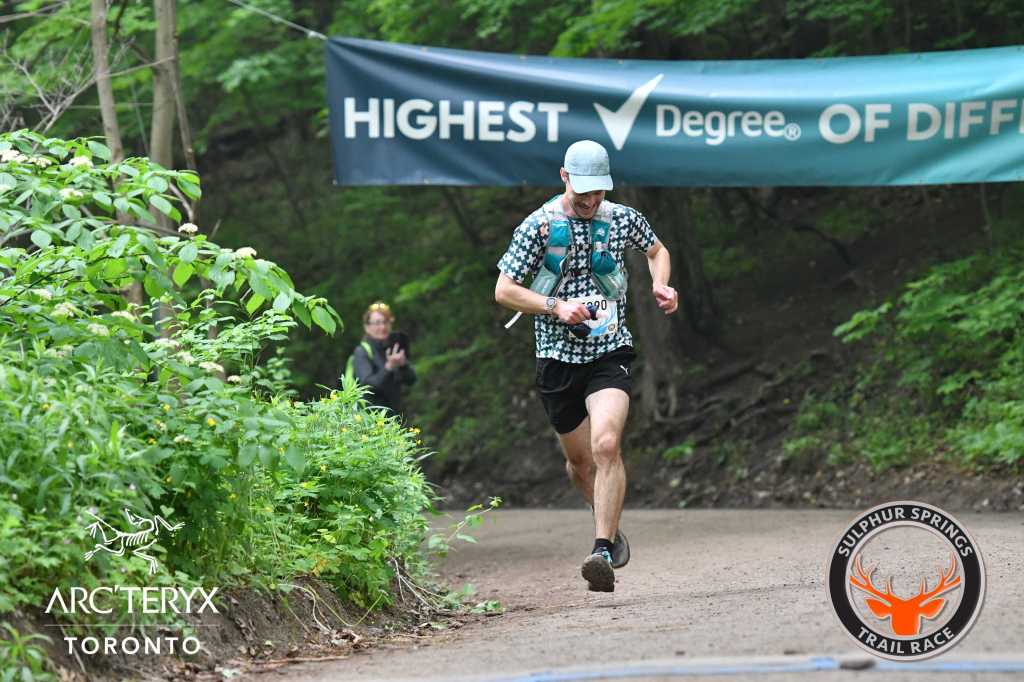
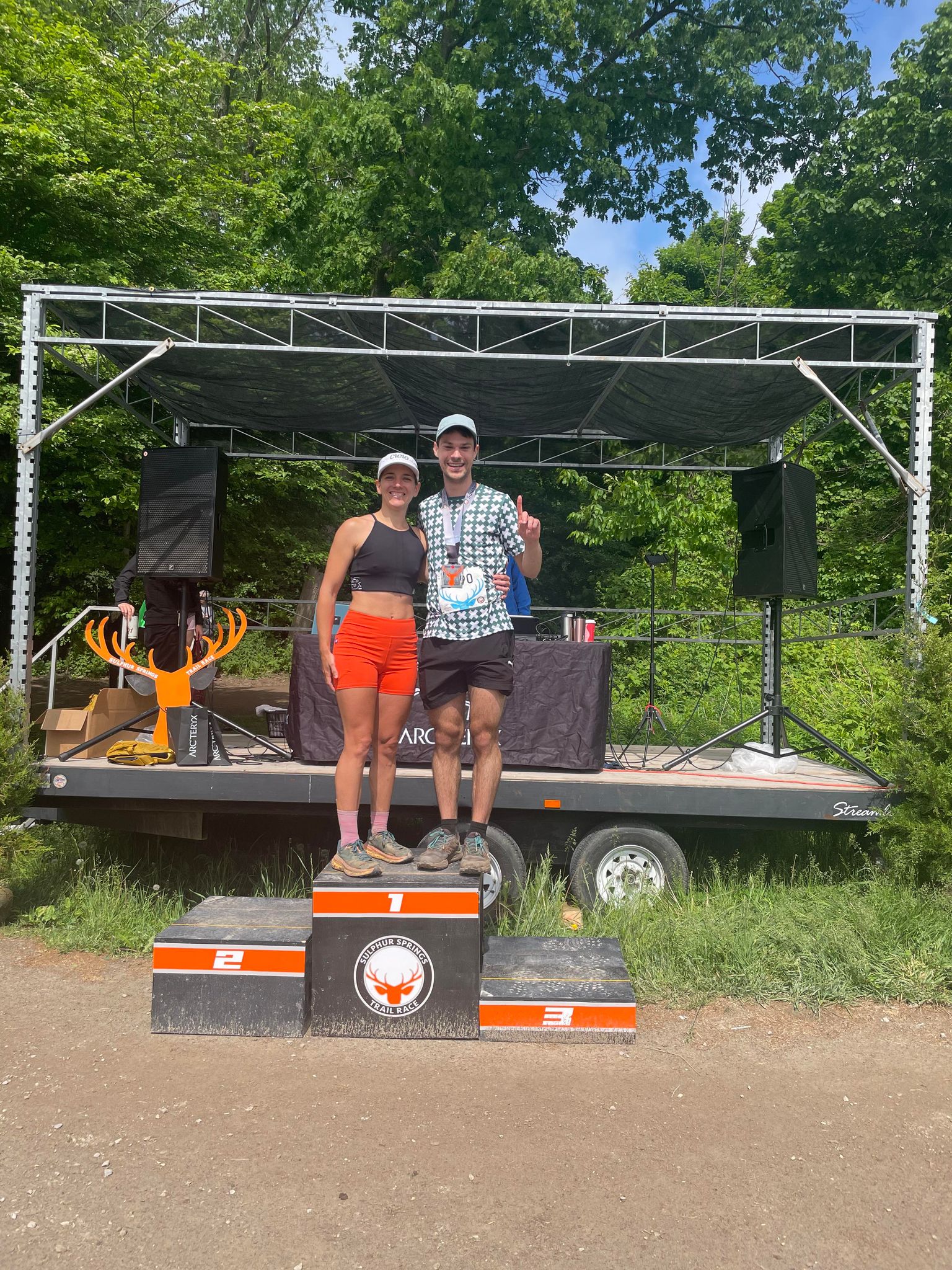
I should already know this lesson, having lived through it several times. Following plantar fasciitis pain between October 2022 to the end of January 2023, I landed on the podium of the Sulphur Springs 50K just a few months later that May.
Similarly, without any flat-ground speed work prior to the Sulphur Springs 20K in May 2024, I reached top-end speeds to beat a former national XC champion and win the race.
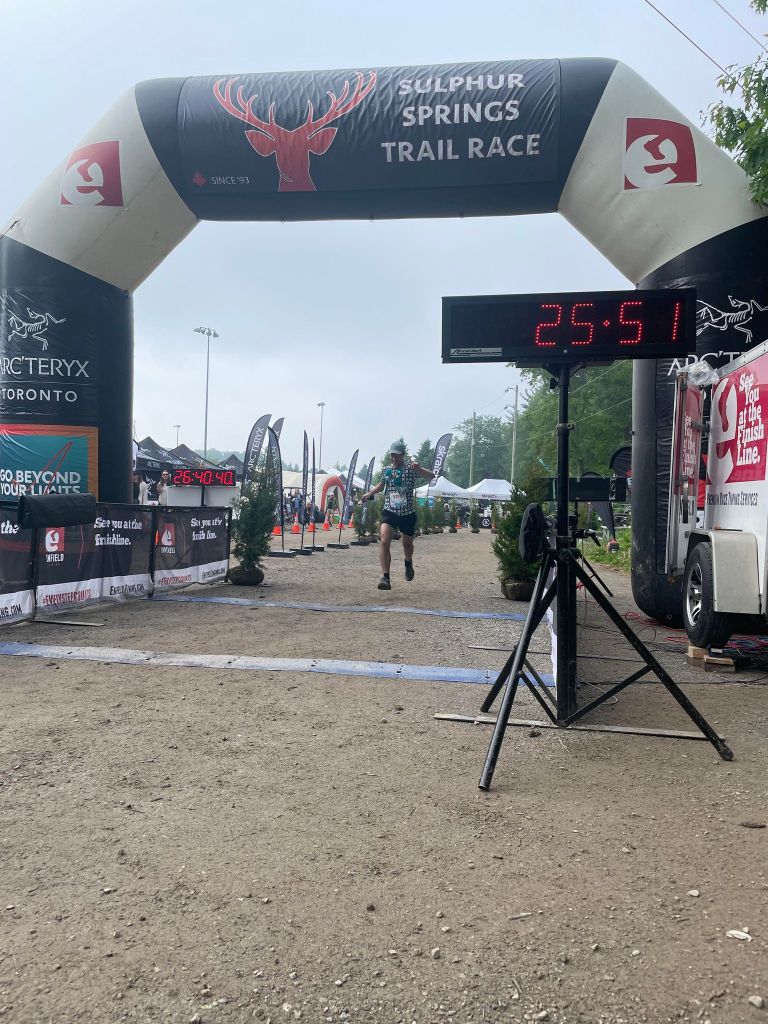
In fact, many all of my best races and “breakthrough performances” have come after injuries.
I think this is an important point for any injured athlete to remember. You will heal if you let your body heal. And you will recover faster than you think upon your ultimate and inevitable return.
RELATED: Lessons from my latest injury
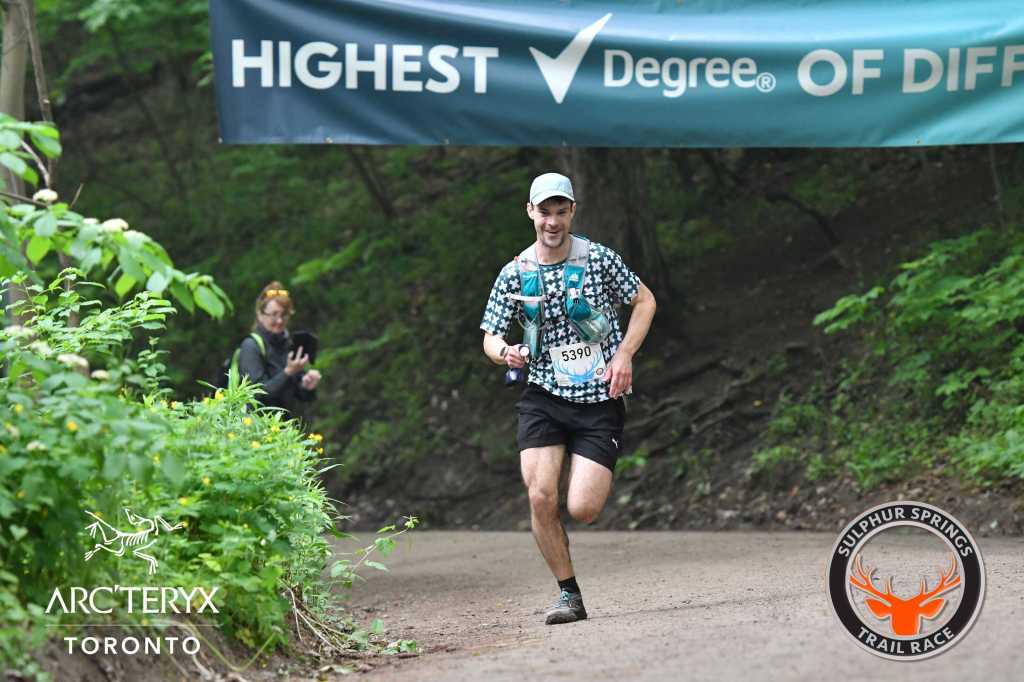
It’s important not to get caught up in the invincibility of the moment, as it’s so easy to overdo things after returning.
But you should also count every small win as a BIG WIN (a PENGUIN as Aislinn and I call them).
Every small win deserves to be recognized in its own right, helping you build your confidence within your return, and build toward getting back to where you once were, if not even stronger.
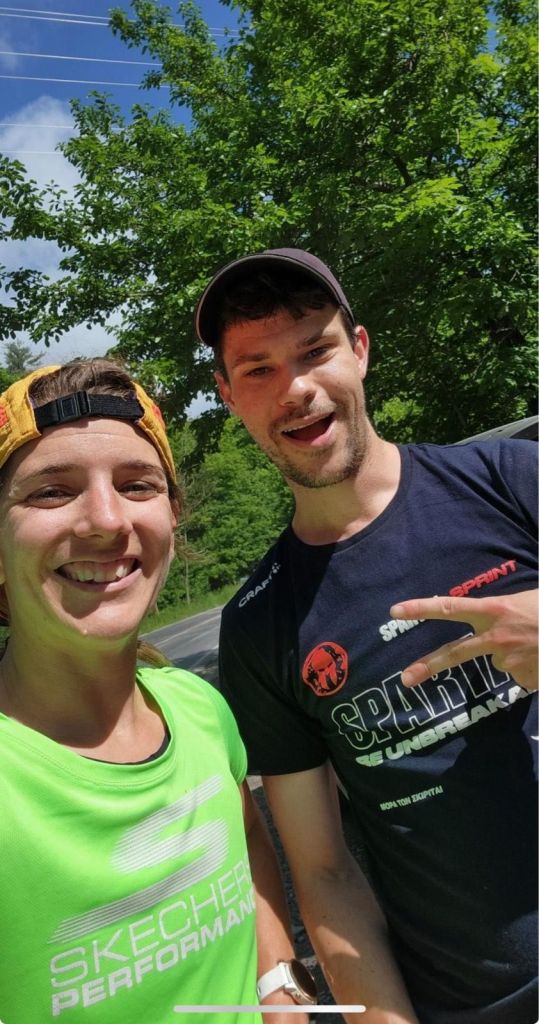
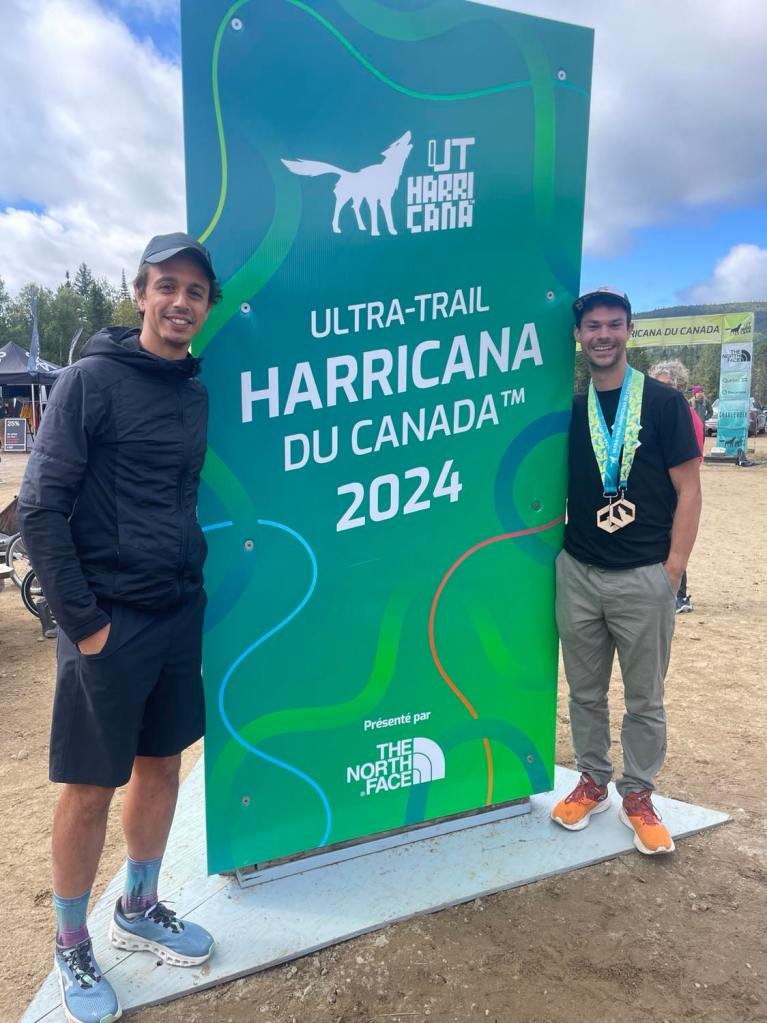
But there’s something even more profound and powerful in the ‘rebound effect’ following an injury. It’s the fact that breakthroughs can so often happen after a spell on the sidelines.
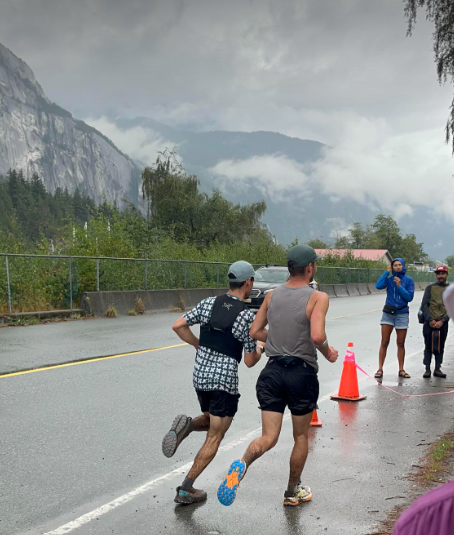
Last year, David Roche went from near-death on a bicycle accident to his best fitness ever, winning two of America’s most prestigious 100-milers in Leadville and Javelina back to back.
My fave Judith Wyder has come back from a stroke and hip fracture to dominate the Golden Trail World Series again, setting records in some of the most prestigious short-trail races.
Examples of this are numerous and countless, and you can probably come back from similar devastating events to do remarkable things too.
Besides, after a while of training the same way, your progress can stall. Having a few months on the sidelines actually gives you a fresh breath of air again, having something to seriously work toward. Something to seriously regain. You suddenly have newfound motivation. You’re suddenly not burned out from having run everyday. You’re suddenly craving that feeling of running every day.
And if you can ignore those cravings and ease back into things with a dedicated strength routine and the right habits around recovery, there’s no reason why you can’t suddenly put together a breakthrough performance.
Recognizing this and my faults in putting too many races too close together last year, I’m excited to work with Jade on structuring in more down-time and rest following big races, and not biting off more than I can chew.
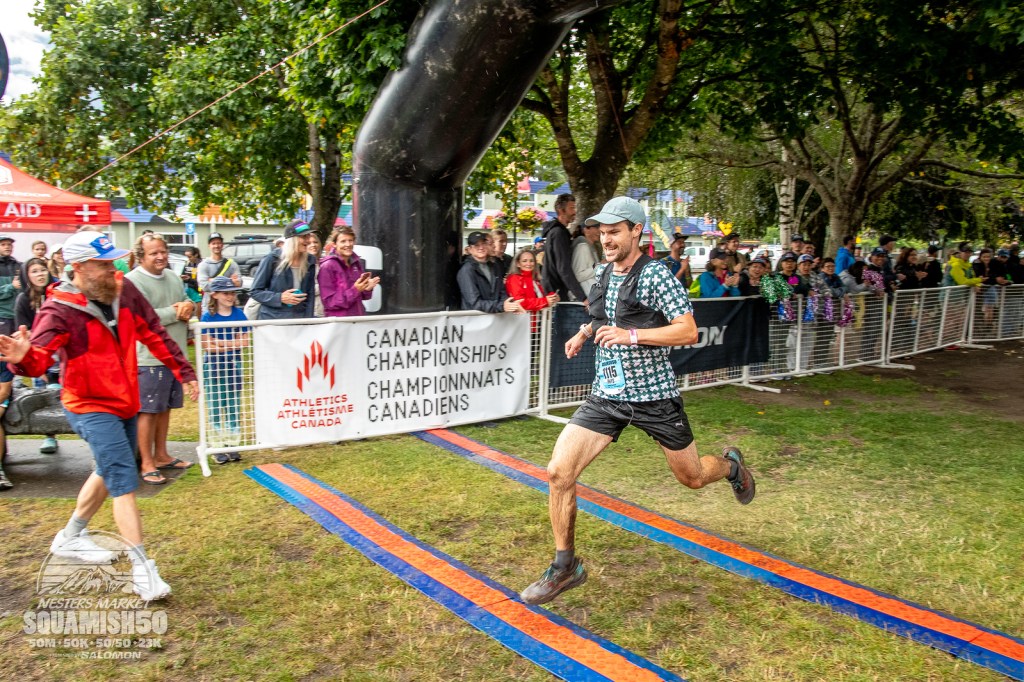
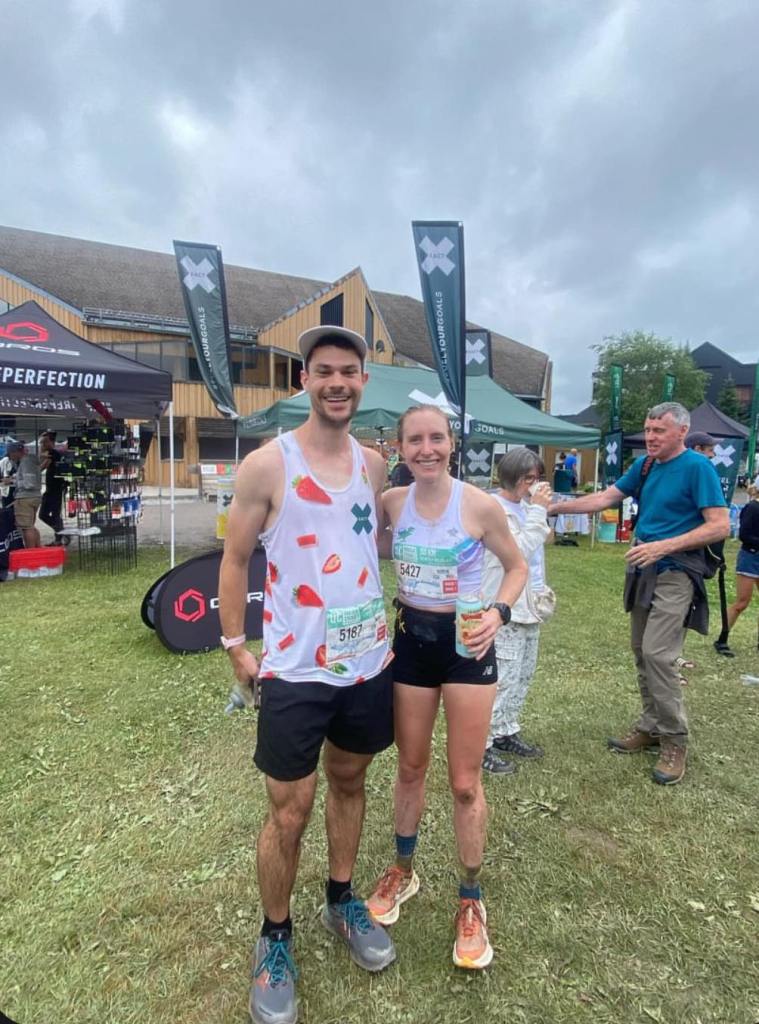
Similarly to the injury chatter here, it’s easy to see all your competitors return from a race running “easy runs” at lightning speeds, and feel at a loss for words. It’s easy to feel like two weeks off will lead to some grand loss of speed. But reality check:
Rest is not only good for you, but actively helpful in making you stronger.
So after my longest period of rest ever, I’m starting to feel optimistic again.
It might only be my second week back into regular training. I should probably wait until some kind of actual breakthrough occurs. Some kind of actual evidence that I’m potentially better off now than last year. I probably shouldn’t write this after one good speed workout following six months of injury.
But I’m feeling optimistic that the rebound effect following my spell on the sidelines can result in some of my best fitness ever.
My new goal, under the tutelage of new coach Jade Belzberg, is to do better this year at the Gorge Waterfalls 50K than last year. Last year things were going okay and then turned disastrous fast, falling from sixth to twelfth in the final quarter of the race.
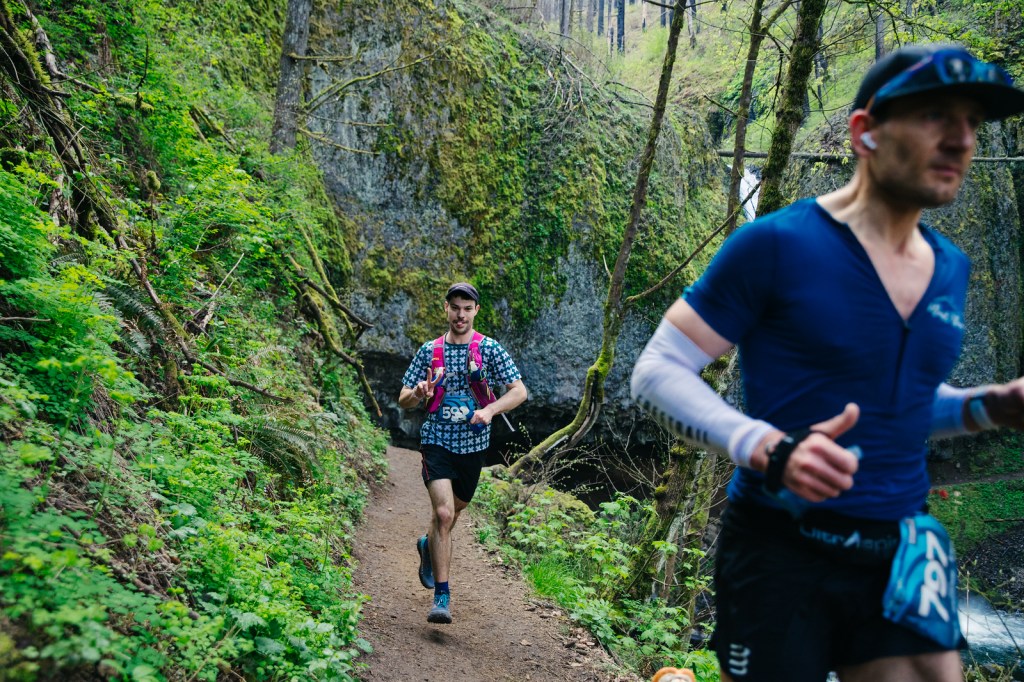
I don’t have any outcome goals in mind, and doing better can be defined in so many ways beyond just trying to finish higher than twelfth. It could be time-based. It could be based on strategy and smarts. It could simply be a vibe and a feeling about my performance.
But optimistically, I want to utilize only three months of fitness to do something against the odds, and perform even better than last year.
And I think this is totally possible. After all, I didn’t do nothing the past six months. I had two races in that time, and then following September, kept to hiking and the arc-trainer with much in the way of Z1 and Z2 work. I did so much in the way of strength to get better over time after I realized what was helping and what was hindering progress, and I used the time to focus on other priorities in life.
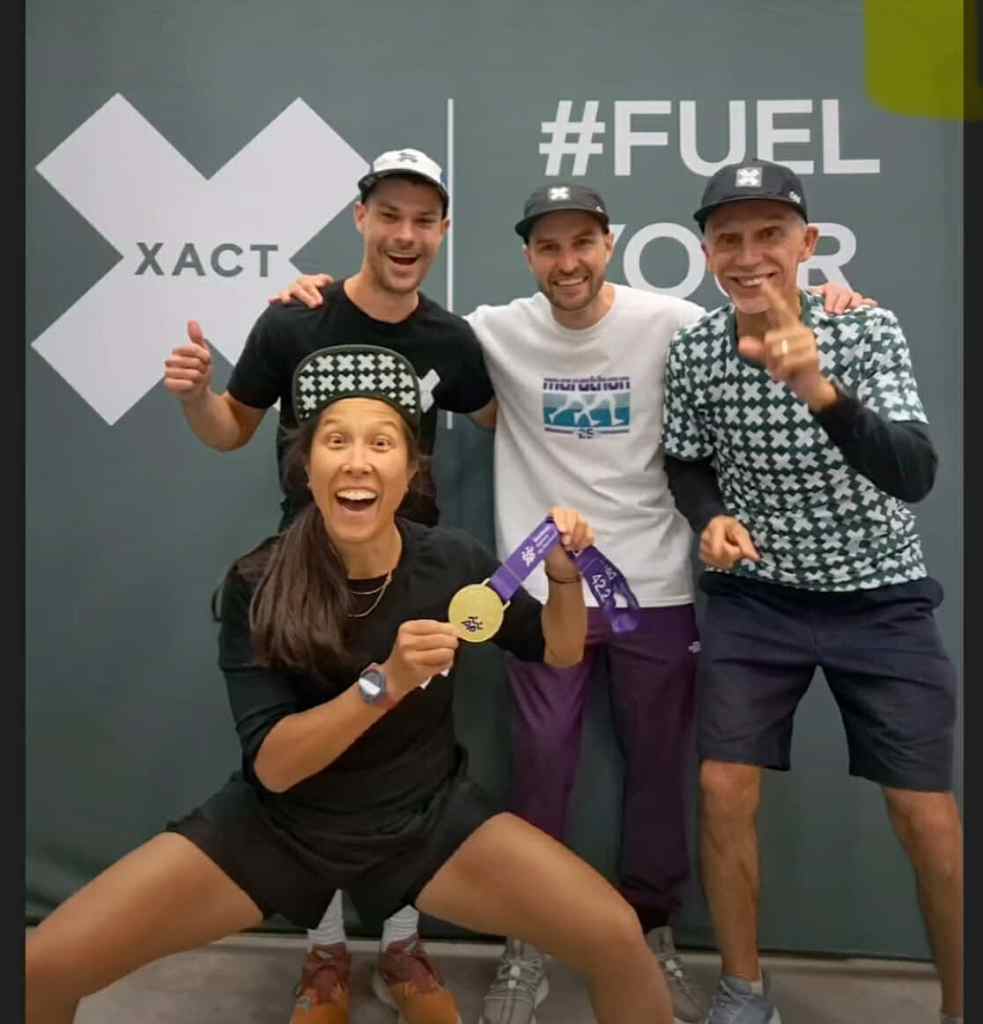
Now with Jade structuring in my strength workouts, I feel heavier than ever. And I love it. I feel so powerful and strong these days, even as an athlete that has often been defined by strength and technical skill rather than speed.
Comfortably hitting numbers like 3:30-3:40/km today on my first speed session back was so cool to see. My last speed workout was at the end of July, and after that I had nothing more than strides/hill strides outside of my two races to hit top end speeds.
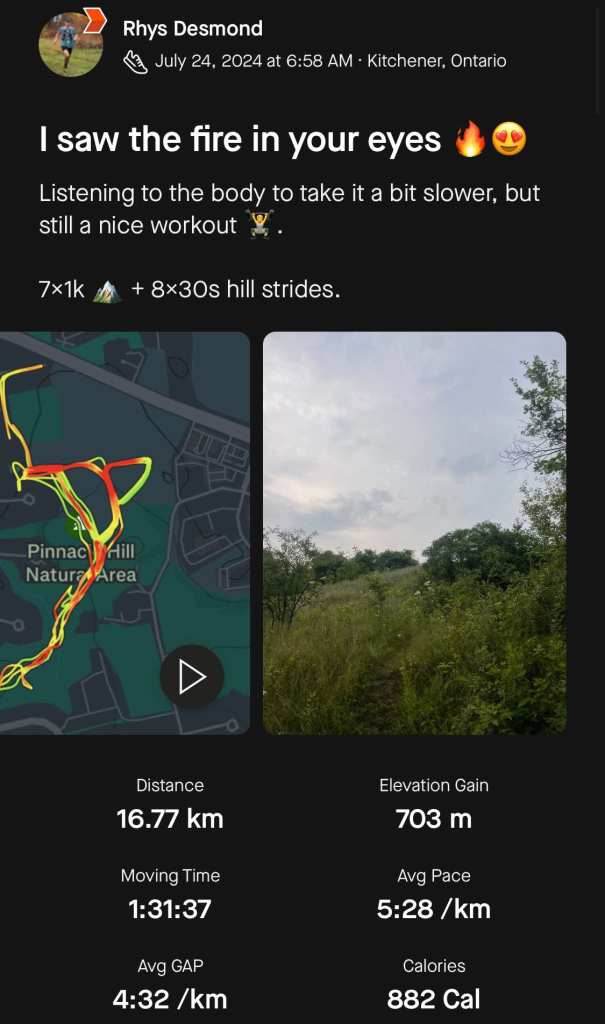
There’s no reason why I should be able to get up to 3:30/km right now. No reason, except for the rebound effect. And that’s pretty cool.
So while it’s unsafe to get overly optimistic about the future and make grand proclamations about how things might go, this reminder about the rebound effect should be perpetually helpful. Next time I get injured, I shouldn’t have to worry so much about getting back to full fitness. As it works, if I put in the work, it will happen.
Thanks for reading and see you soon!




 Rhys Desmond