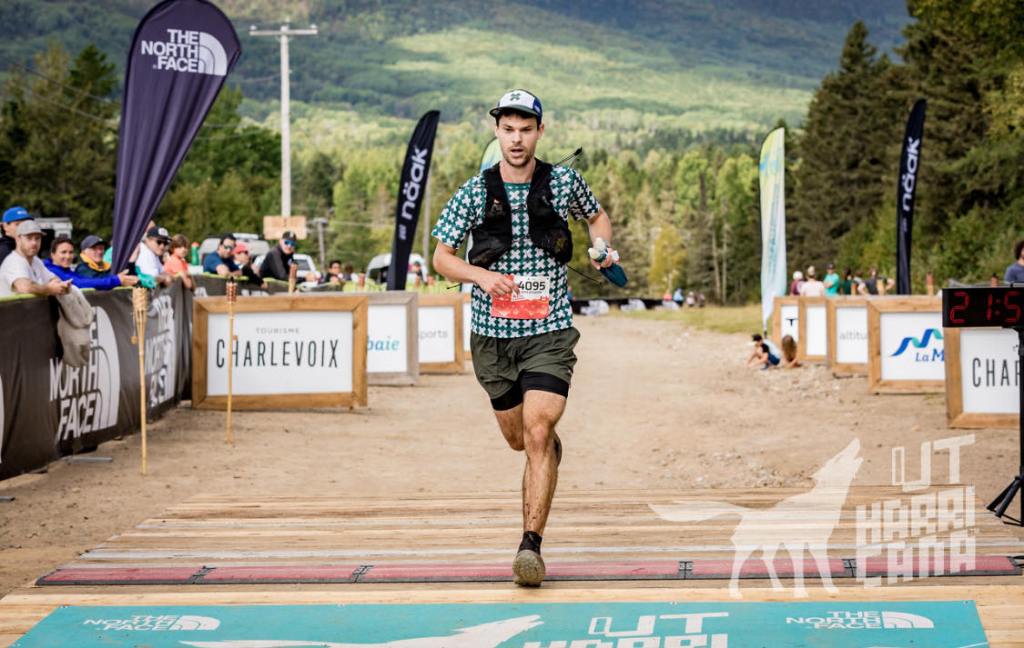
My experiment in La Malbaie served as one of the most useful experiences I’ve had on the trails. Primarily, as a reminder of how critical race day preparation can be to putting together a performance.
I knew everything I wanted to do on race day, at each different stage of the race or section of the course.
This, I think, is something that I lacked in a few other races – like Squamish and Gorge.
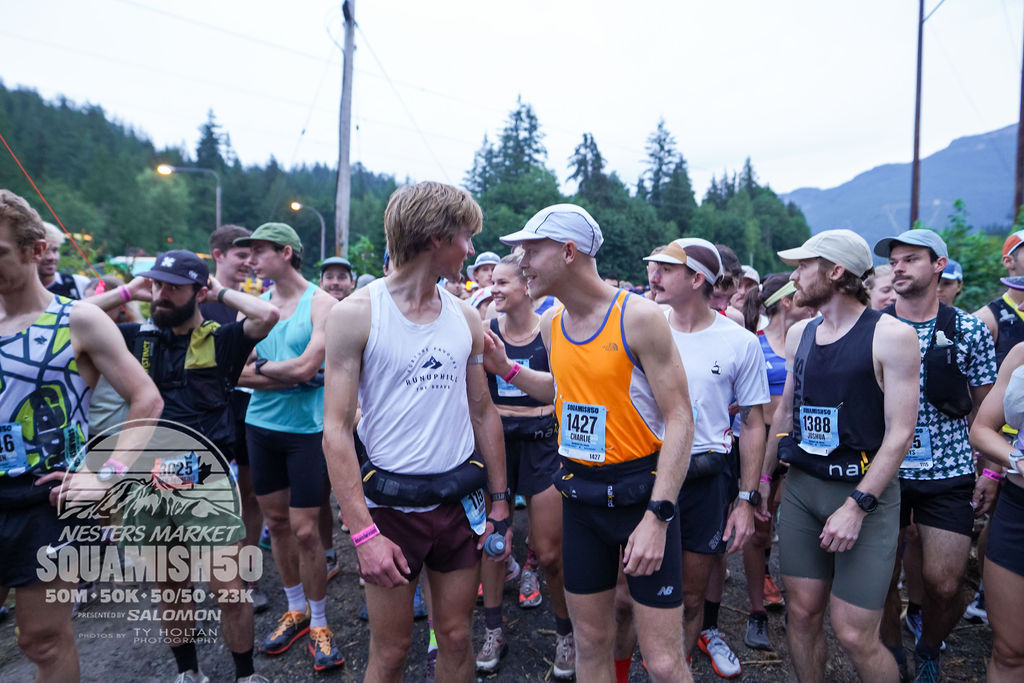
At Squamish, I had no idea what twist there would be in each tale of the trail. I relied on running with other people, keying off their paces and efforts.
But at UTHC and both of my experiences at Sulphur, I was completely comfortable running on my own for the bulk of the race. I was completely comfortable running my own race, knowing that I was making calculated decisions that would serve me well.
Even if just for the simple art of staying engaged and focused on the task at hand, having ideas in your head of where and when you want to make moves helps you stay focused. Whether or not these are actually the correct places to make moves is irrelevant. What’s relevant is that it helps you lock back into racing mode and stay focused on putting together a smart performance; giving you more confidence with every step.
Without that mental and physical prep, it can be easy to get lost in the race. It can be easy to get into negative headspaces. It can be easy to take certain sections too slow or too fast, without a real recognition of what’s still to come.
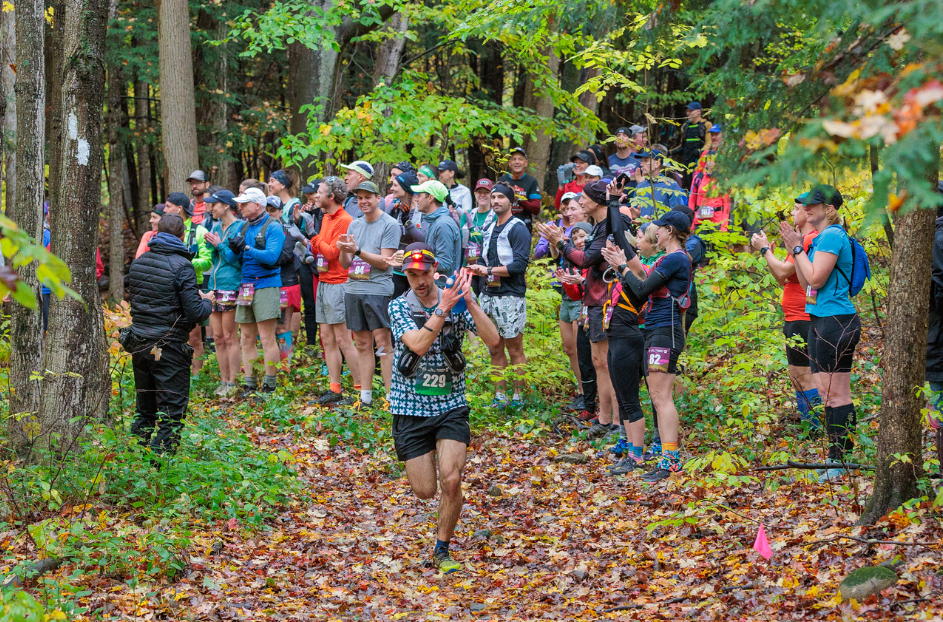
I’ve written about this a few other times, most notably in the lead-up to my win at The Bad Thing 50K in 2023. I went out on the race course every Saturday, even at times, practicing with a headlamp on the dark, leaf-covered trails. Not only did that help the race to become ingrained in my mind and body (muscle memory) but to keep my mind engaged on my own race-day strategies.
For example, I knew I wanted to hit the opening trail section in the lead, in the darkness of the morning. This would mean that I didn’t have anything in front of me to worry about, which could have only complicated my views in already difficult conditions (darkness, headlamps, leaves).
The Bad Thing 50K – Race Recap – Racing Smarter, Not Harder
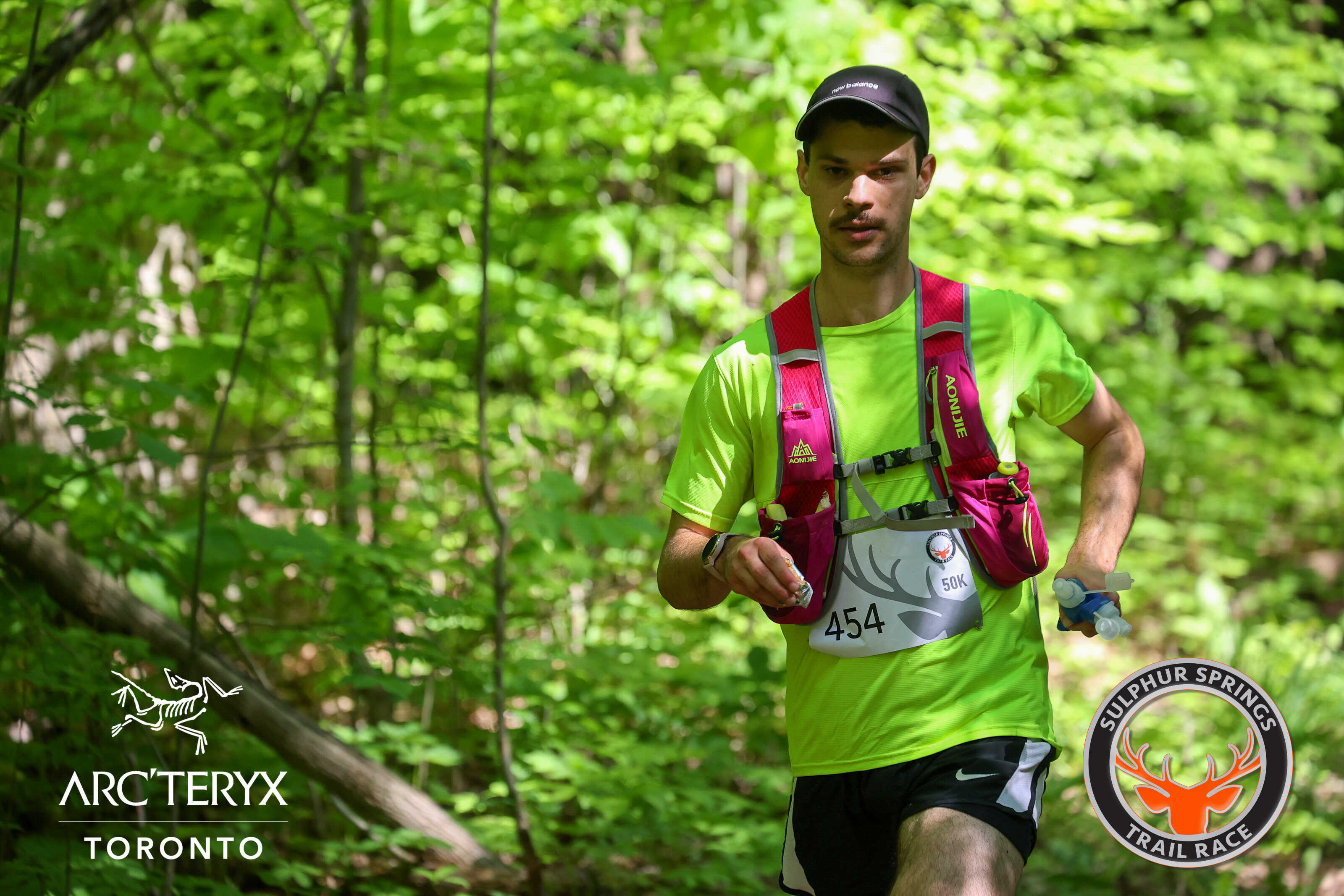
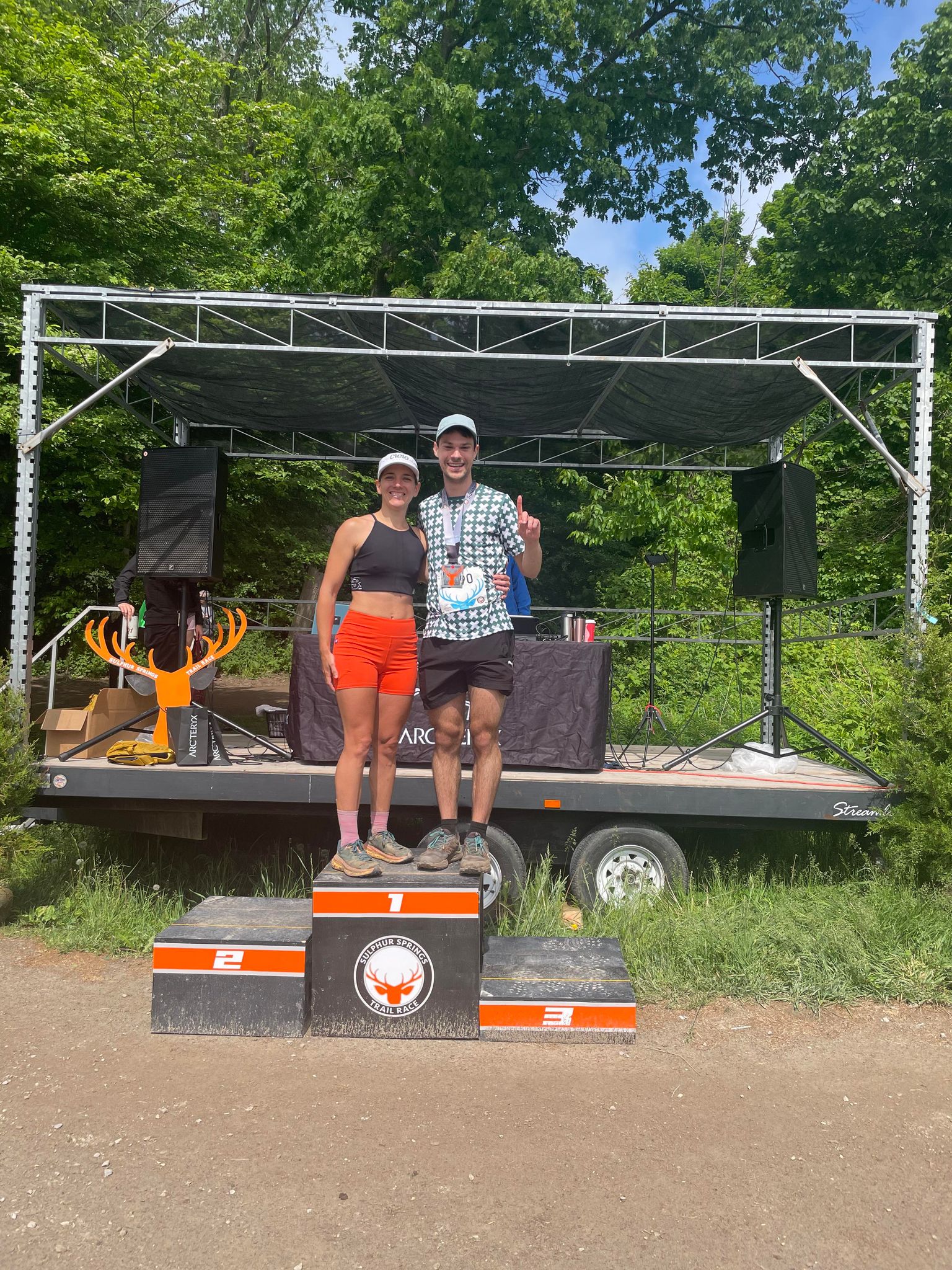
In both of my experiences at Sulphur, practicing on the course gave me plenty of confidence and reassurance that I could let the leaders go out at blistering speeds, and then catch them late on when they started to suffer.
Sulphur Springs 50k Recap – A photo-finish at the final climb
The same goes for UTHC, where I had not only mentally and physically prepped the course in a more meticulous manner than ever before, but had studied the splits of previous podium placers.
From having done this, I could stay completely confident that others were going outside of themselves in the early stages to try and keep pace with Charles. I, meanwhile, was sitting perfectly on Charles’ winning splits from the year prior, feeling calm and composed.
Obviously, race day prep is not always possible in the form of seeing every step of the course. But my experience at UTHC shows that it goes far beyond just seeing the course and understanding how to use different sections toward your own strengths. With that, I wanted to share the prep work I’ve done leading into each of my eight races thus far (or lack thereof) and how it impacted the day.
SULPHUR SPRINGS 50K – 2023
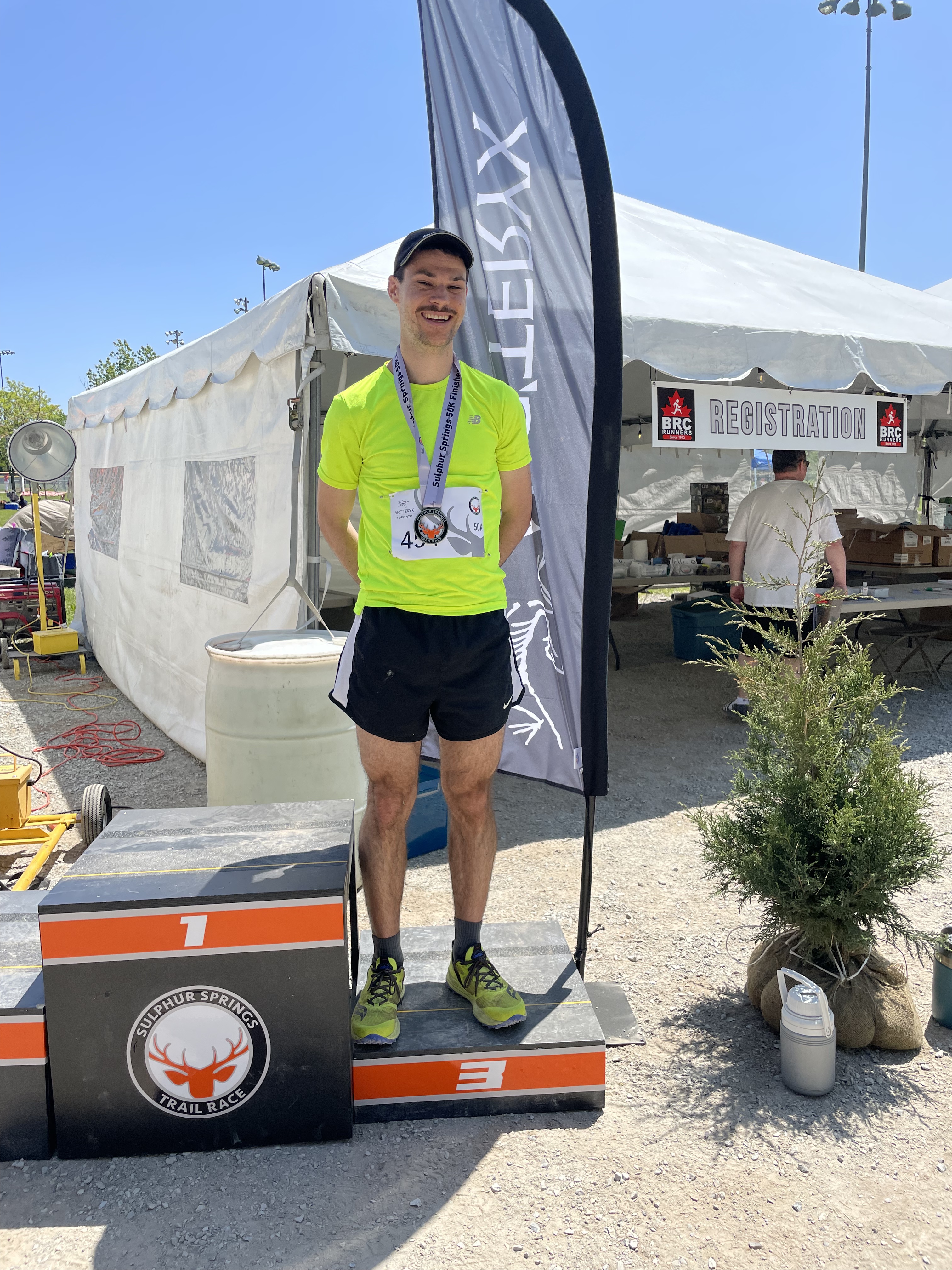
– Ran on the race course every Saturday, often close to race-pace. Even got out for a few hill workout sessions on Martin Road to practice what it would feel like finishing each lap up the hill.
– Studied the 2022 splits of Reid Burrows (he won!) and Reid Coolsaet (he came close!), gaining an understanding of when they made moves on each other and how Reid B. won the race. It played into my understanding of how I wanted to use the Reforestation section as a playground to make moves, which is exactly where I broke free of Paul (5th) and later Rob (4th).
Again, if I’m utilizing Reforestation in my pre-race plan to take advantage and gain micro-seconds, it’s no surprise that I then do exactly that on race-day. The magic does not lie within the execution of the strategy. It lies within the development of the strategy as a tool to stay engaged on race day, and spread greater intentionality to decisions. When you’re smart and it works, it just spreads positive vibes throughout the entire body, helping you stay cool and confident en-route to whatever you’re doing next.
FALLING WATER TRAIL MARATHON – 2023
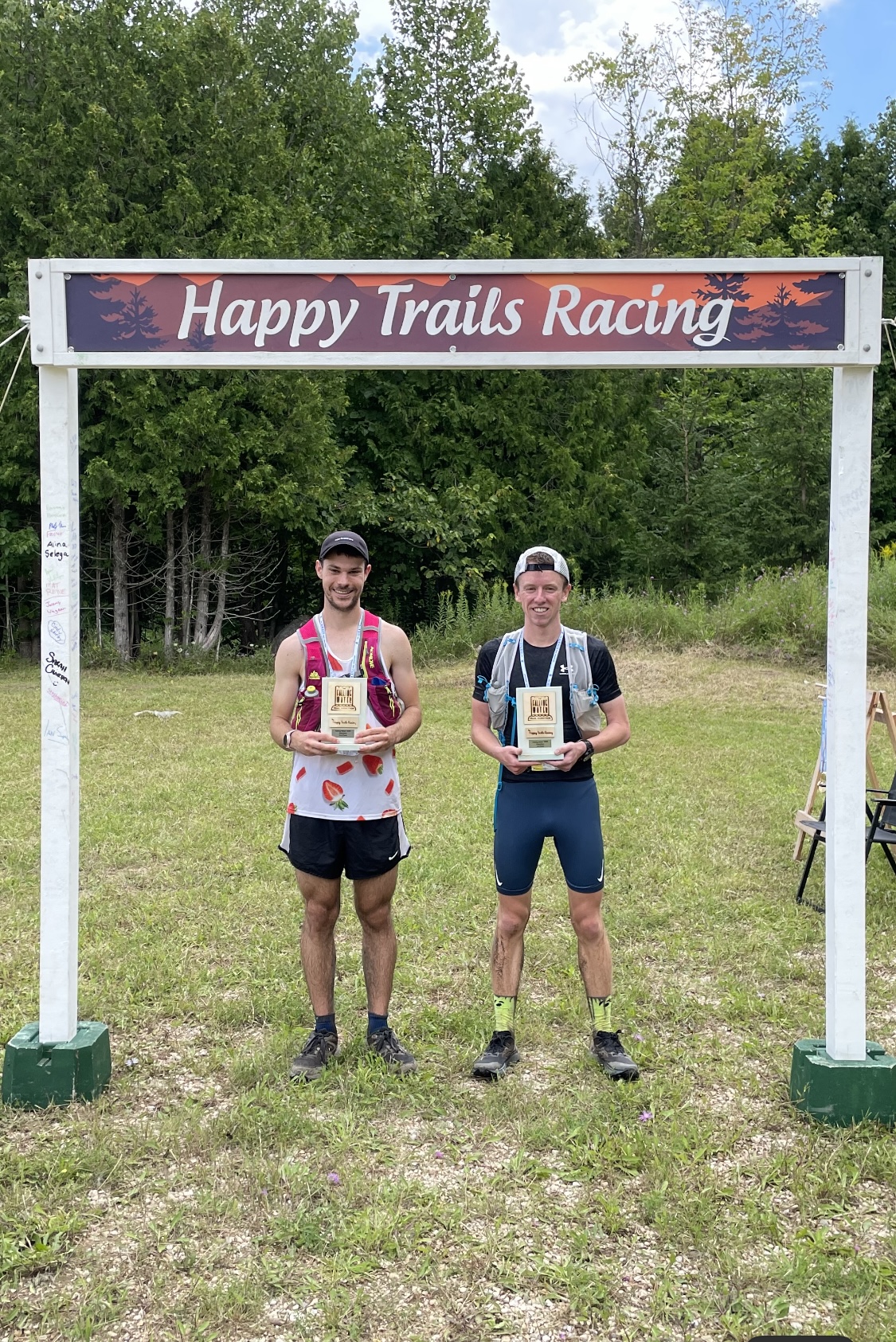
– Ran on the race course every Saturday, ensuring I hit every single section, often in different weather conditions (including the rain and mud we’d experience on race day).
– Tested out two different pairs of shoes on these runs, ensuring I settled on one that would comfortably handle all the rocks and roots.
– Tested running fast on technical sections, building up that muscle memory and comfortability in the most difficult moments of the course.
– By proxy of hitting the course every Saturday, I also had an understanding of what the 2-hour drive would feel like on race-day, which meant I knew to eat food on the way.
THE BAD THING 50K – 2023
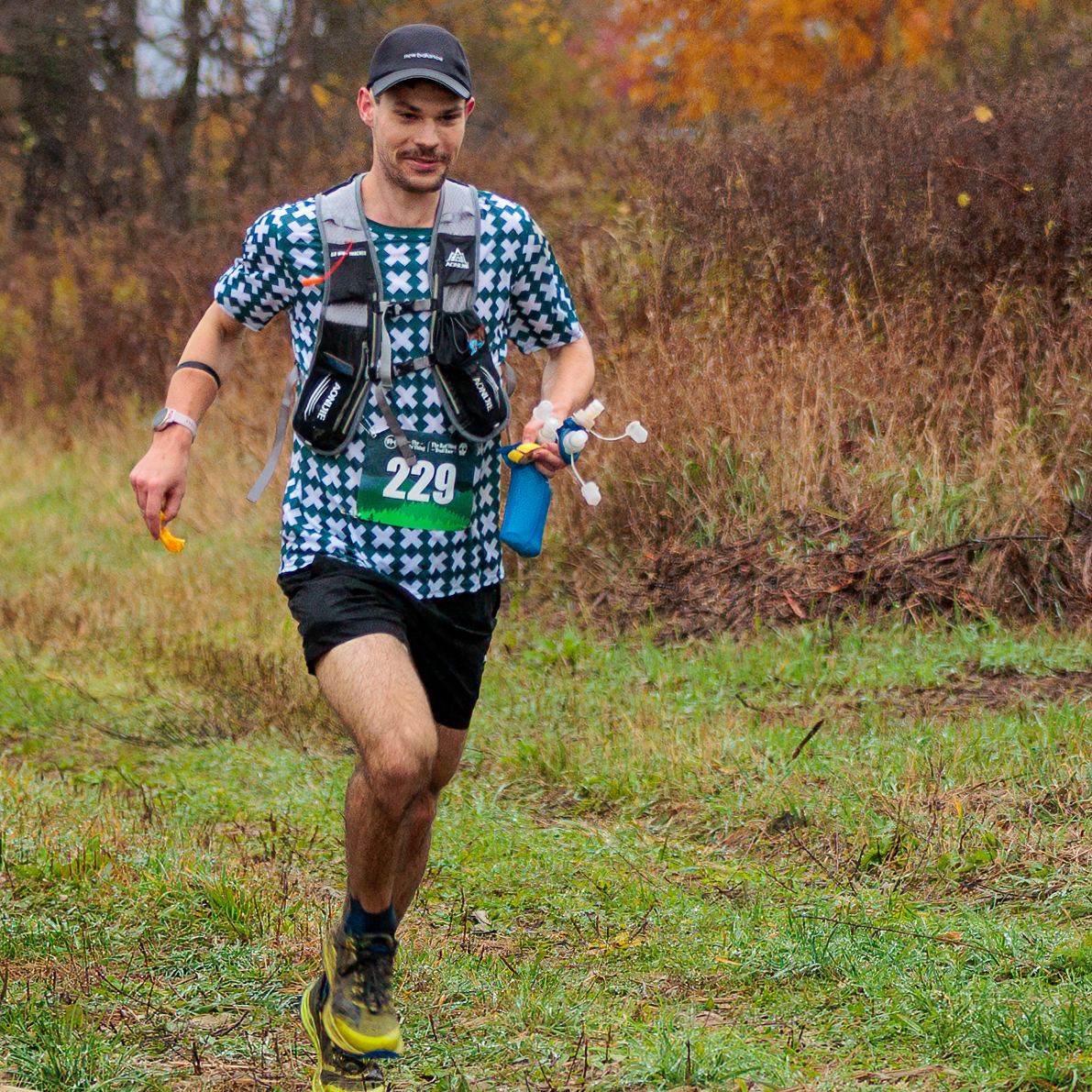
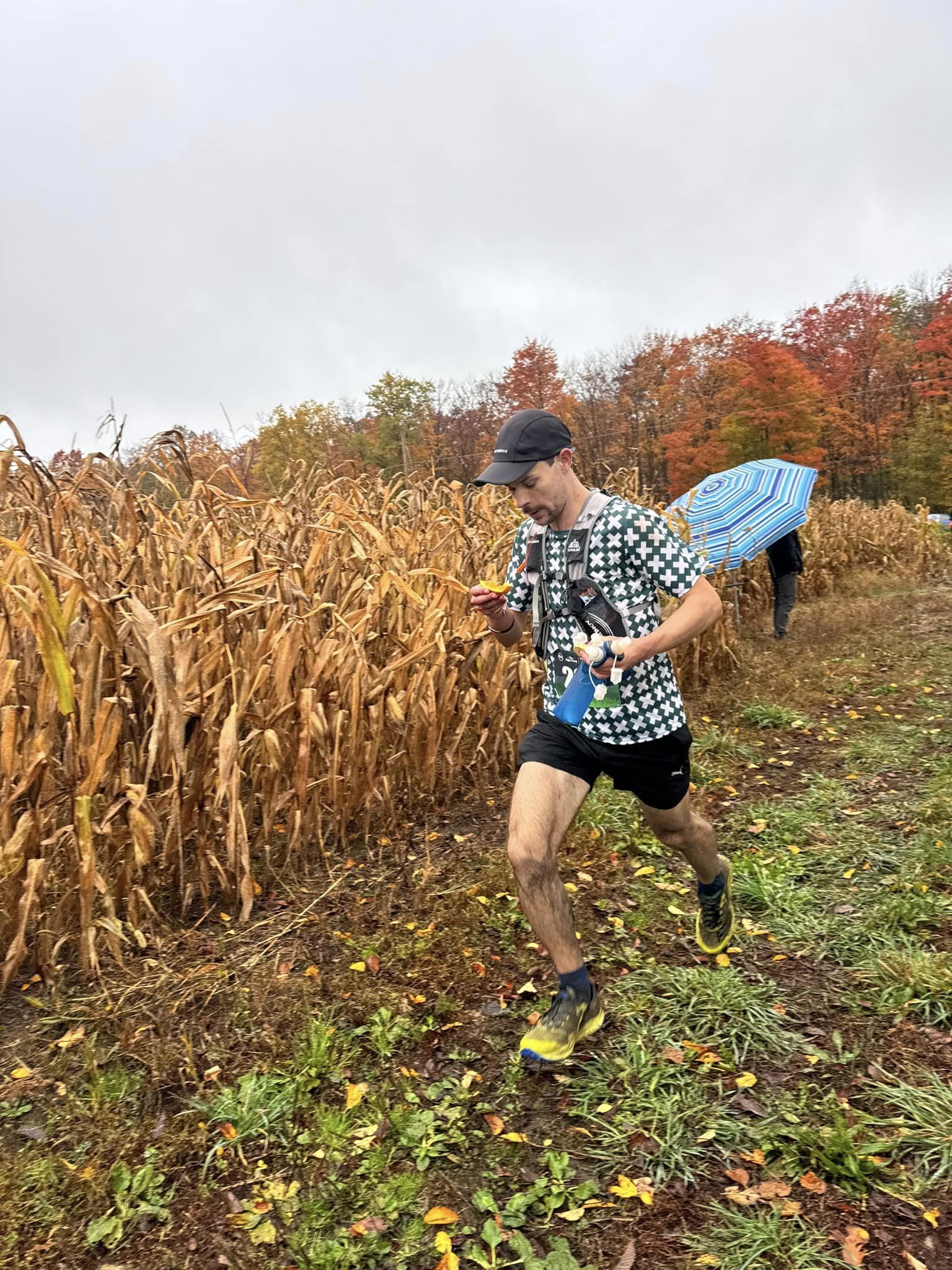
– Practiced on the race course every Saturday, often in poor weather conditions like rain and hail.
– Practiced in the dark with a headlamp, just like the opening stages of the race would require.
– Studied Matt F.’s record winning splits, which eventually became helpful in feeling confident on the most difficult section of the course.
– Tested out different ways of supplementing my XACT products with other forms of carbohydrates and came up with a fuelling plan that completely worked on race day, and helped to inform what I’d do a year later at UTHC.
GORGE WATERFALLS 50K – 2024
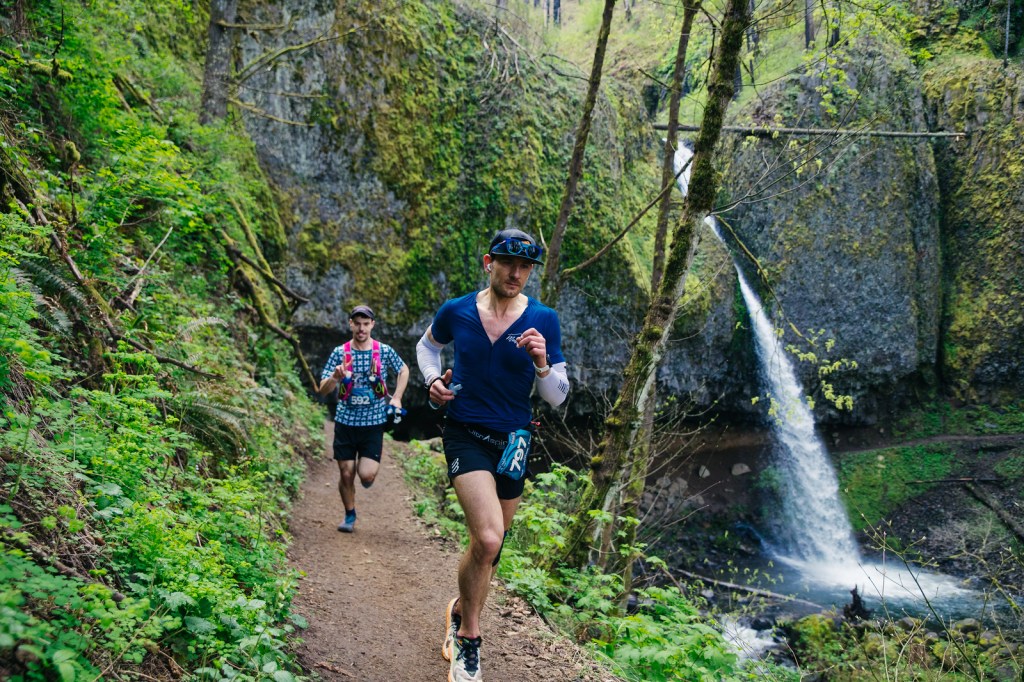
– Very little specific race prep. Only saw the back-half of the course the Friday before the Sunday race.
– Did not study any splits or previous performances. Did not reach out to anyone who had done the race before. Did not even do any runs that lasted over three hours until two weeks before the race. Yikes.
SULPHUR SPRINGS 20K – 2024
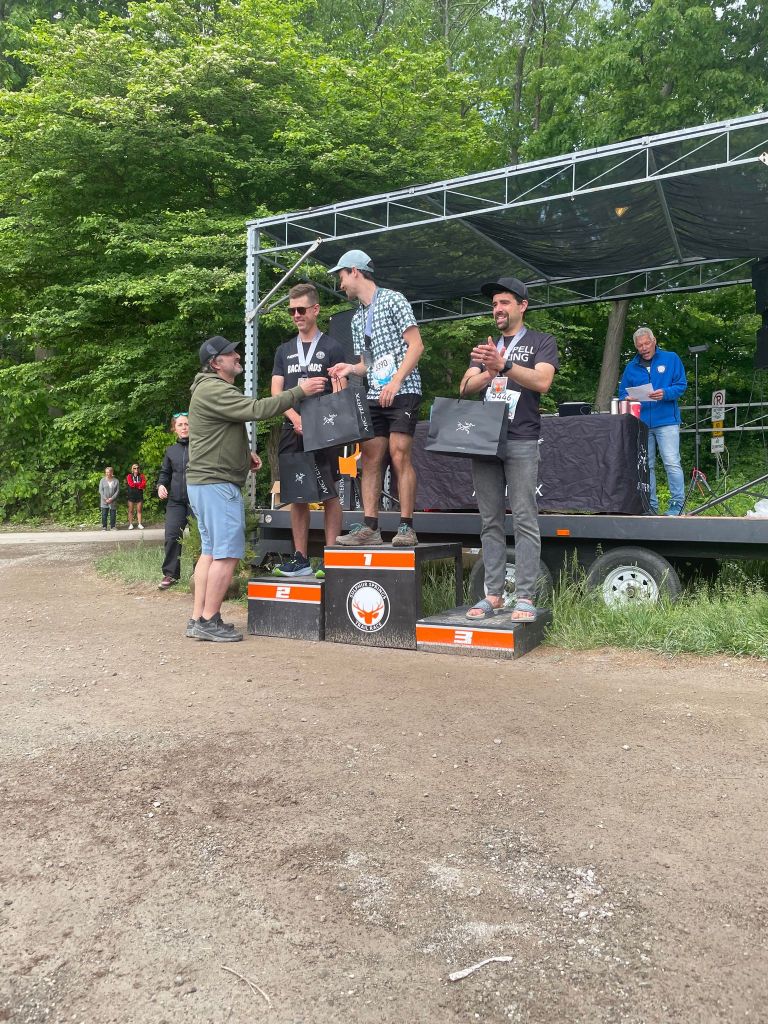
– Relentlessly studied what went wrong at Gorge to come up with better game-plans for race day, having already accumulated enough course-specific knowledge.
– Studied previous times against my own through an easy run in training and what I’d done on the course the year prior.
– Completed at least one lap of the course about two weeks before the event, gaining back some of that muscle memory and familiarity.
QUEBEC MEGA TRAIL 50K – 2024
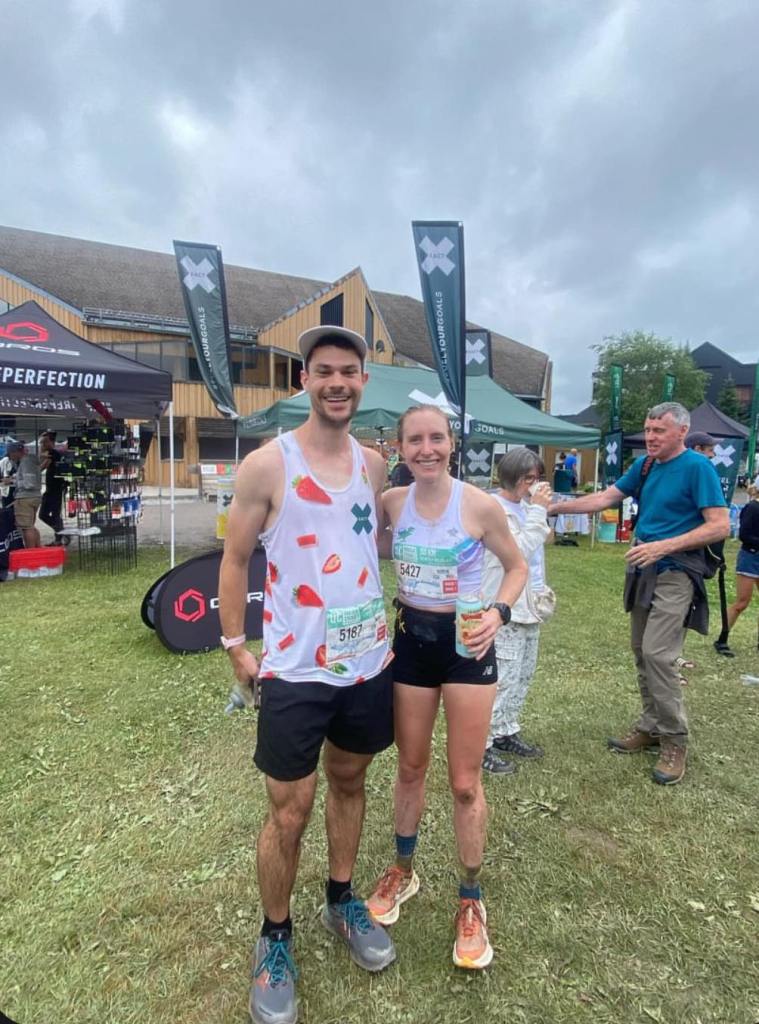
– Went out for a training camp six weeks prior to the event to see just about every section of the course beforehand. This drastically informed the training I would then put together for myself in Ontario, and the strength work I would do to ensure my muscles were prepared for the demands. It also meant I knew hiking was completely okay for both big climbs, where I might have otherwise gotten into a negative headspace on race day thinking I was falling behind.
– Did very little additional course prep (aid stations, studying previous times, etc.). Partially as a result, I don’t think I used the back-half of the course completely to my advantage. While carrying an injury and trying to play it conservatively, I still wish I increased my efforts between 30-40K.
SQUAMISH 50K – 2024
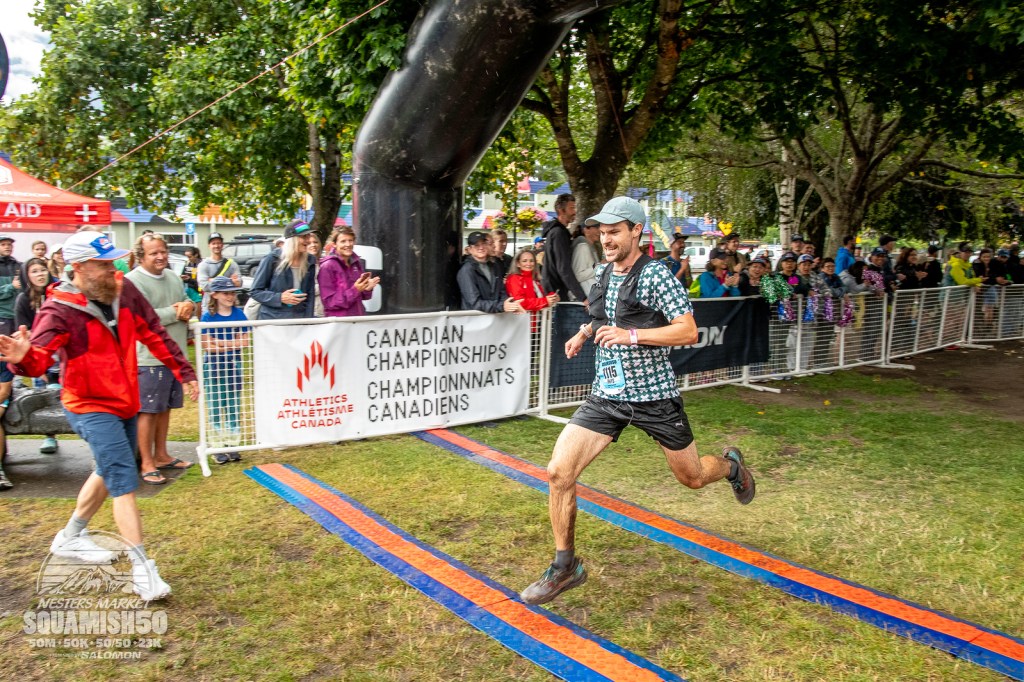
– My first race without having seen any of the course. It made for a fun racing experience without really knowing what was about to come. But I don’t think it’s the optimal way to race. In the first half, I was hitting paces and efforts that others were probably comfortable in, not playing to my own strengths. Not having the course knowledge also played into some poor fuelling decisions.
UTHC 42K CLASSIC – 2024
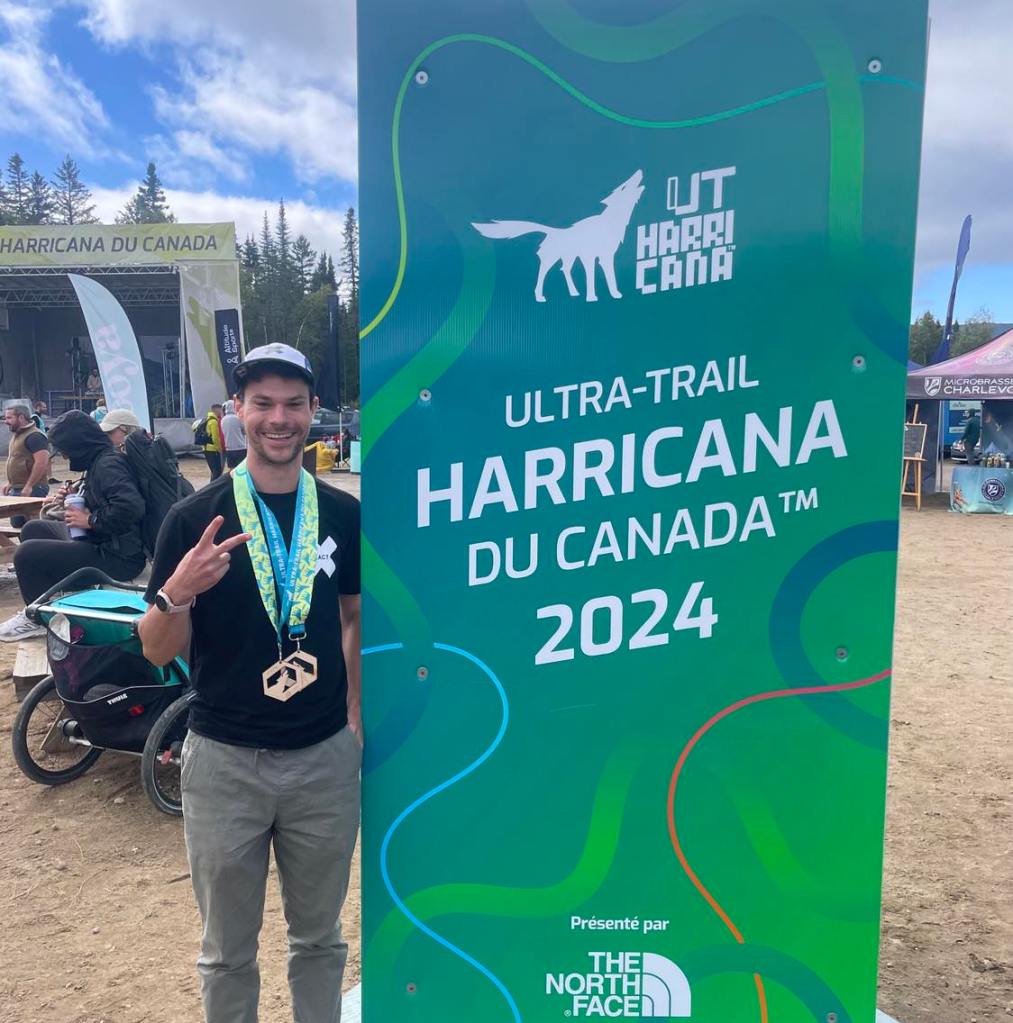
– Ran on the race course seven times in twelve days, giving myself the insight on everything except for the first 10km.
– Tested my times on certain segments and sections at easy to moderate efforts, against the splits of previous podium finishers. Afterward, developed ideas around certain times that I could hit to stay smart and play to my strengths.
– One example of this was the climb out from the third aid station at the heart of Mont Grand Fonds, where I knew I could run every step. I did the climb at tempo effort before the race, hitting 15-minutes. I then did it again at threshold, setting a crown in 13-minutes. I then guessed that I could comfortably run it in 16-minutes. In doing so, I would make up significant ground, because no one else would likely be able to run the entire way. The top of this climb is exactly where I caught Charlie Shea to move into third on the day, and it’s the downhill immediately after where I caught Francis to move into second. Again, this helped me not only stay engaged on race day, but stay composed in the early stages – knowing I could make up ground on sections like this climb in the second-half.
– Studied the splits of JF Cauchon, Chris LS, and Benoit Didier from the two previous editions of the race. I knew that I was on the race winning splits set the year before throughout the day, helping me stay confident in my decisions to let the leaders go. I bested that 2023 winning time as I closed in on the finish, but Charles was simply too strong to catch. However, I know that after Squamish, I did not want to race all out for the win, but rather a smart race. So to run a smart race and finish in 3:53 was probably my best performance on the trails.
– Tested out different fuelling strategies within the bounds of the course, ultimately deciding to decrease my sodium intake prior to the race.
– Lived and breathed the La Malbaie lifestyle prior to the race, feeling like a local rather than an outsider on race day.
UTHC 42K Classique Recap – Controlled Crushing
Again, I know that not everything on this list is attainable in all situations for every runner. But I wanted to present this list both as a library for myself in helping my future race prep, and for any runner that may get some small takeaway from it in better preparing for their next race.
I also recognize that for some athletes, a meticulous approach where they consider every angle is more likely to freak them out. I know many athletes actually prefer to go in blind.
But in these eight races, I’ve only ever gotten lost once (and it was in the pitch black darkness). I’ve claimed five podiums and two wins, with race day preparation absolutely playing their part in my performances. It’s not for everyone, but I prefer to study every angle possible. For me, this helps to make race day more automatic, without ever going on auto-pilot.
Thanks for reading and see you soon!
–



 Rhys Desmond