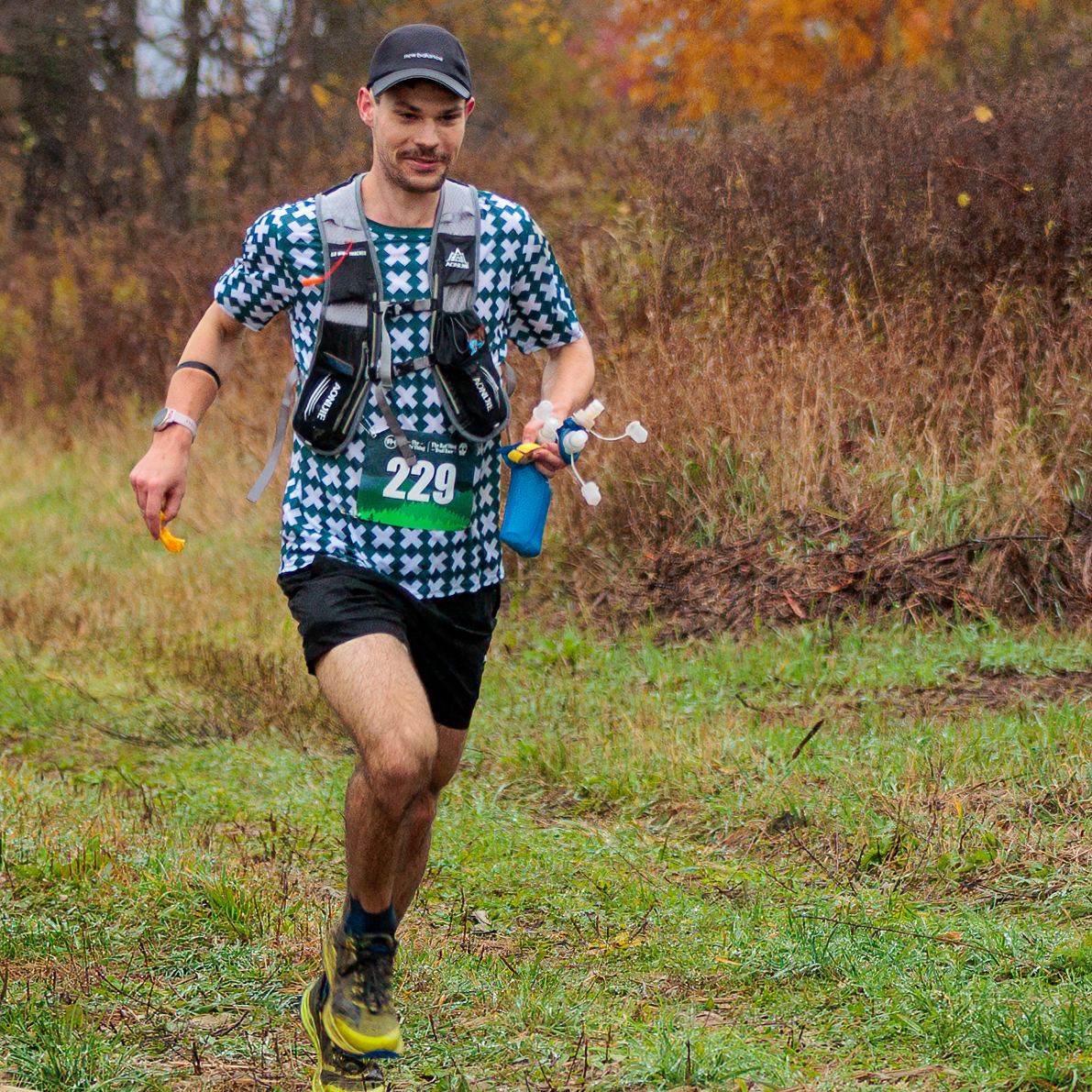
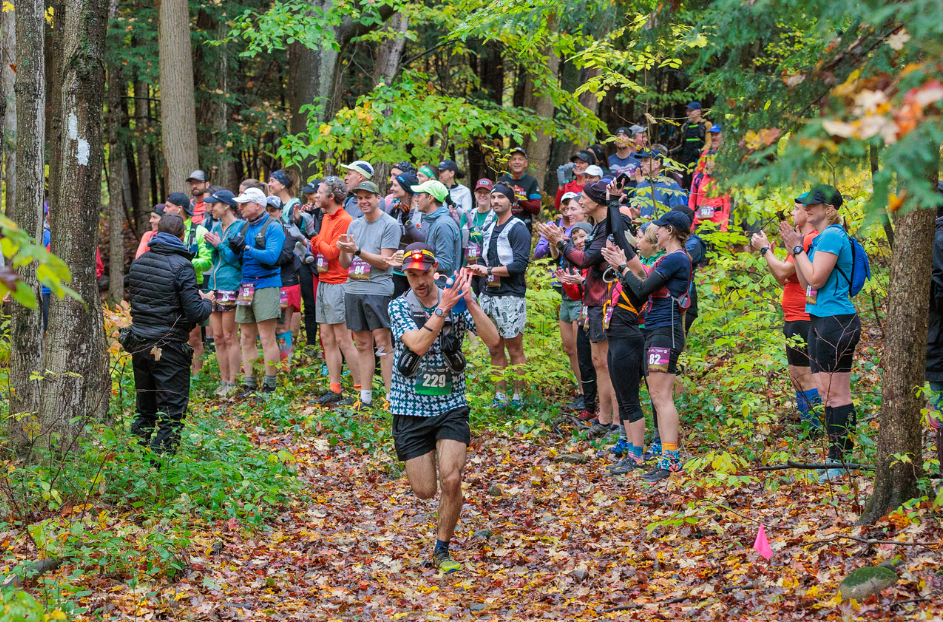
A year ago, in the midst of my Zombie mode recovery from Falling Water, I started training for my final trail race of the year – The Bad Thing 50K.
The race fascinated me in so many ways, and entered the frame as the first ultra to catch my eye when starting my journey into this realm.
The complexities extend to headlamps, rain, leaf-covered trails, a confusing mix of technicality and runnability, and almost non-existent crew access.
Why The Bad Thing is the most difficult 50K in Ontario
All the more intriguingly, despite being a relatively flat 50K (just shy of 1,000m) and reasonably sized, no man has ever run under 4 hours, and no woman under 5 hours. The exact formulas of how to crack those numbers are something I’ve strongly considered over the past year. With the race now being a little under two months away, I wanted to present a dossier as to how someone could not only win The Bad Thing 50K, but break those course records.
The lessons from this article will apply to anyone running the event, not just those racing for the podium. Here is how to win The Bad Thing ~ whatever that means for you!
POSITIVE SPLIT
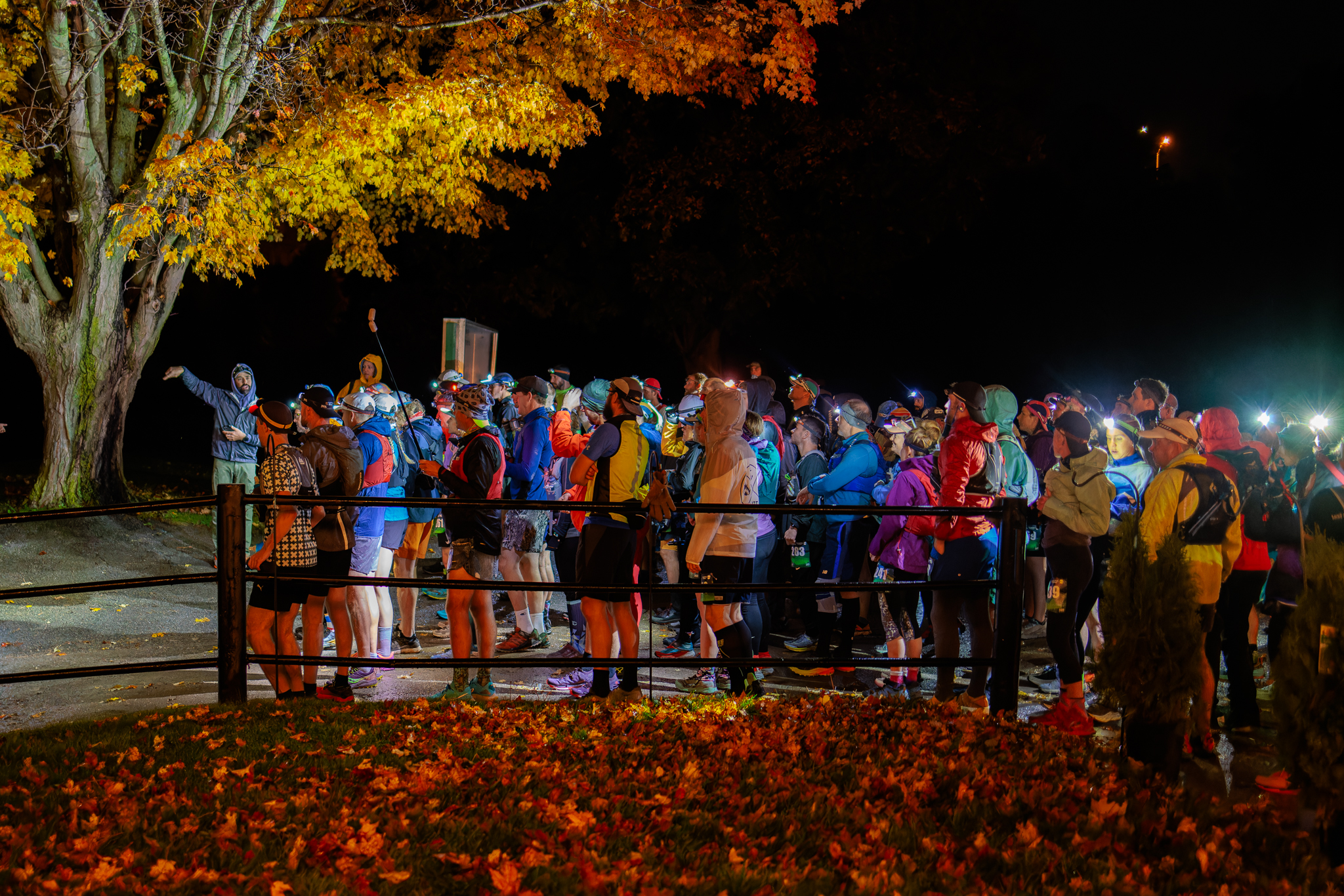
Despite the darkness of the early morning, The Bad Thing 50K course record would require a positive split. In the three fastest times ever (2x Matt F., 1x me), a 4-hour finish was still on par after the 25K mark.
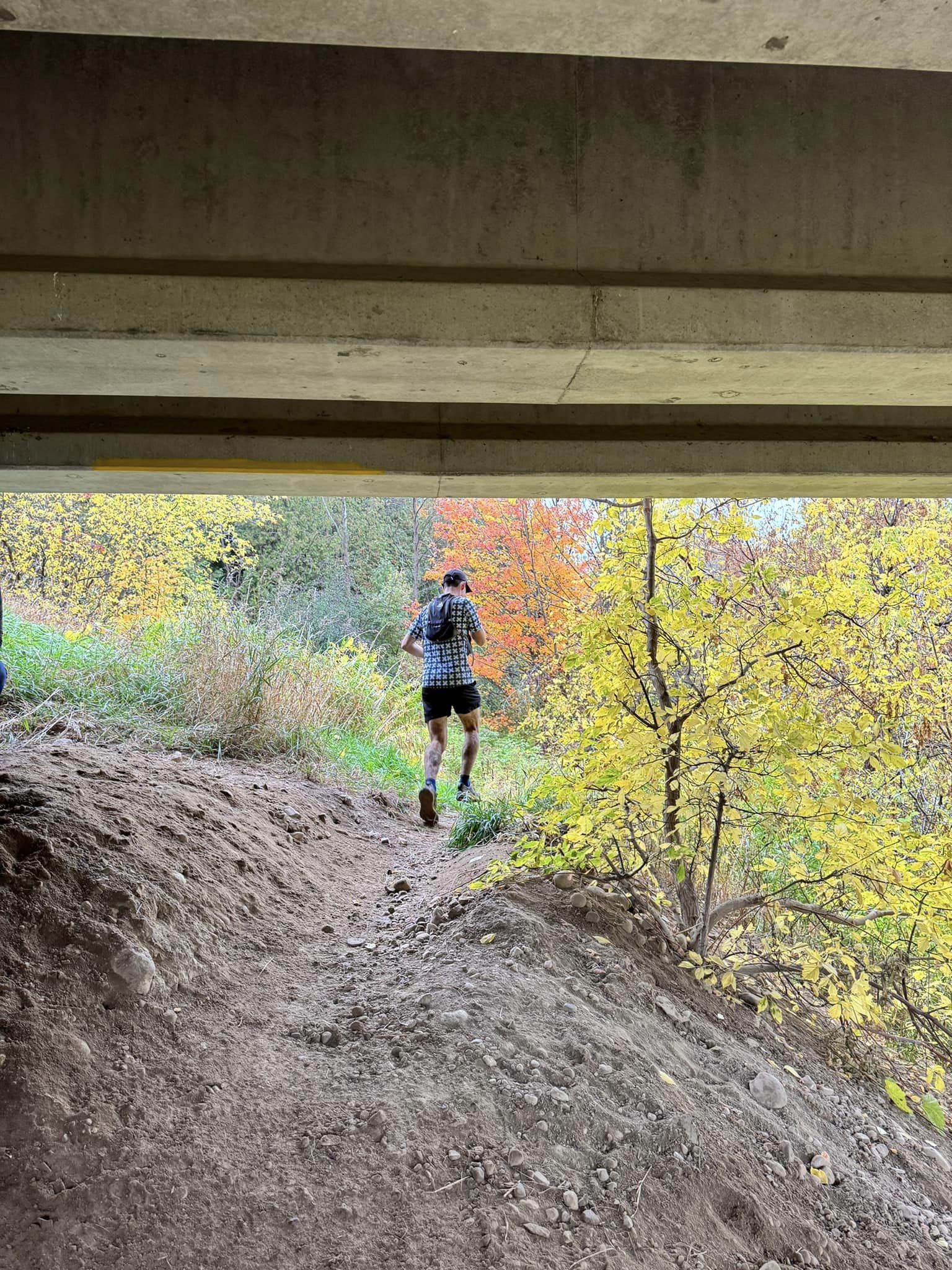
It’s difficult navigating the leaf-covered-trails throughout the day, especially in the dark. But the second half is naturally slower. The super technical section after Sharpes Creek Line to Boundary Bridge slowed both Matt and I down significantly, and is best practiced beforehand to build up the muscle memory.
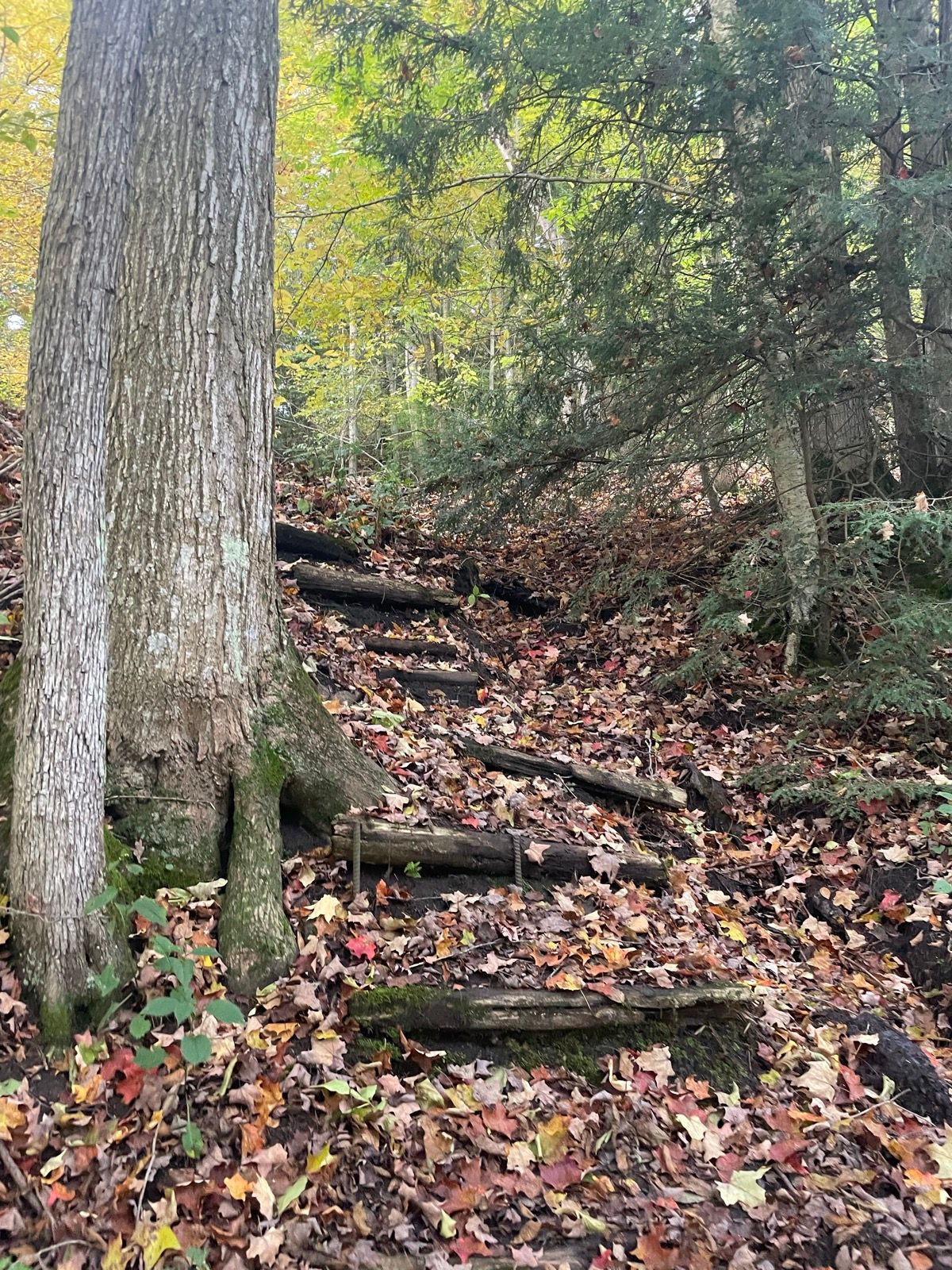
Tips for running on technical terrain
The segment is an 8km section starting at 30k (the difficult parts between 33-38K), with about 300m of climbing across super technical downhills, river crossings, and the already difficult to navigate trails. The fastest time ever completed on the segment is only 43-minutes for men and 51-minutes for women. In other words, it moves slow, at what is already one of the more difficult markers in a 50k.
The final 10K afterward is mostly road and flat, but it takes a bit of time to find your rhythm again after just having shuffled for several kilometres straight.
If someone wanted a course record, I would project that they’d need to hit the 25K mark at around 1h50 for men and 2h20 for women, giving them time to hit the 8-km Sharpes Creek section in a slower aggregate. If simply looking to finish the race, account for the fact that the Sharpes Creek section between Aid 3 & 4 will feel like the toughest. It’s not you. It’s the trails.
FUELLING WITH NO CREW
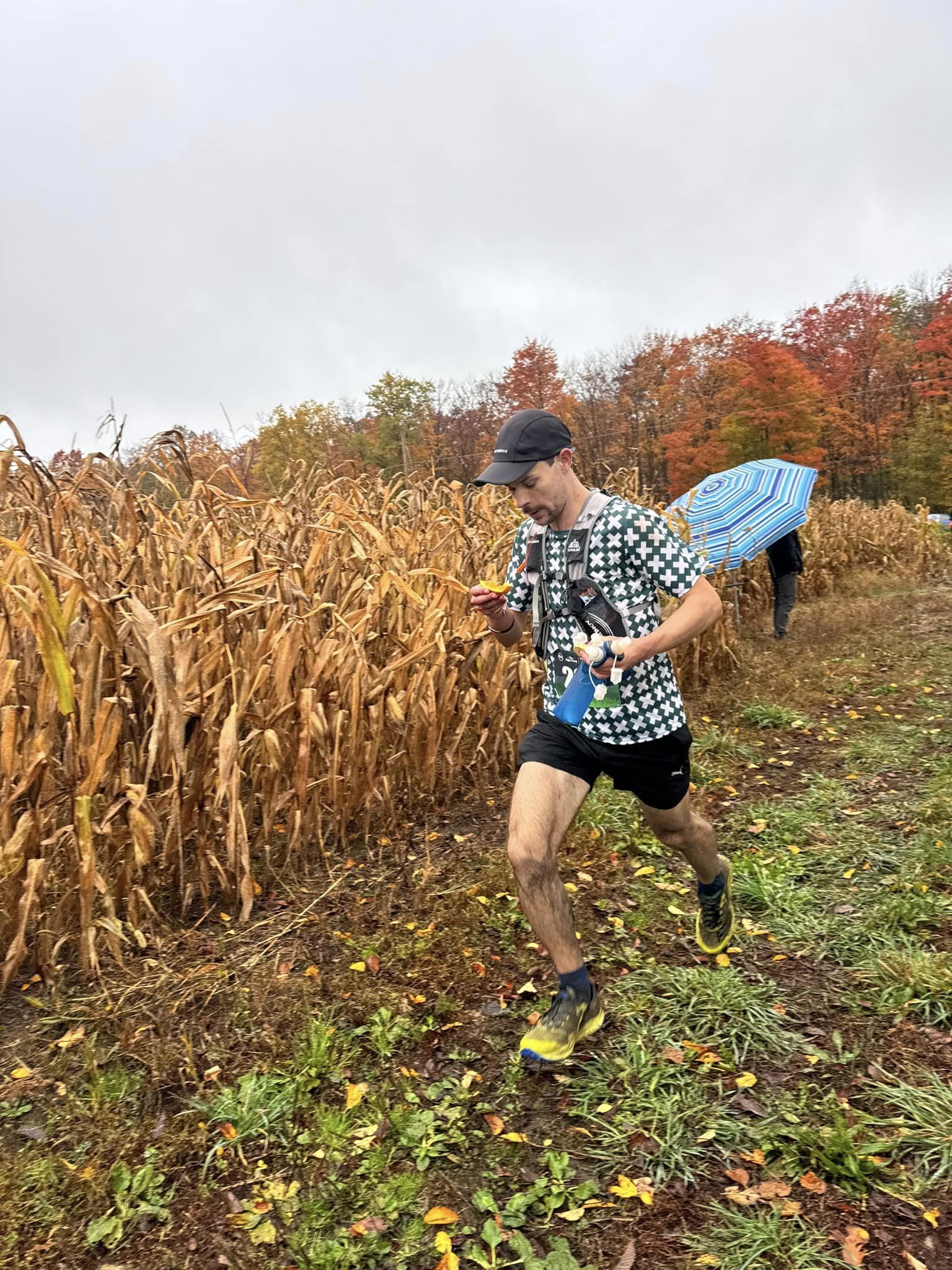
One of the complexities of The Bad Thing is that spectators and crew are discouraged from the event. The only crewed aid station access is at 30K, and its an awkward roadside parking situation that the race organizers likely don’t love.
With that in mind, I carried about 90% of the calories I consumed on the day. I had three bottles of 30g of carbohydrates each before that 30K mark, taking in another 75g through XACT Nutrition bars each hour (1x25g every 20 minutes).
A trick that I learned from Brett Hornig prior to the race was to carry a spare bottle of just powder and no liquid, to be filled up at the 30K Aid Station. In my haze and desire to get out of there quickly, I forgot to fill up this bottle, and went the entire Sharpes Creek section without any liquid. My fuelling went downhill from there, and I didn’t take in what I needed as I closed in on the record.
Time at aid stations is still one of the biggest killers of my own time at big races, as I frequently take in more liquid than others. But if looking to carry less, you will have to inevitably stop altogether at The Bad Thing 50K to fill up bottles.
That said, knowing what I do now, if I had the ability to see crew at the 30K aid, I would personally do an entire pack-swap.
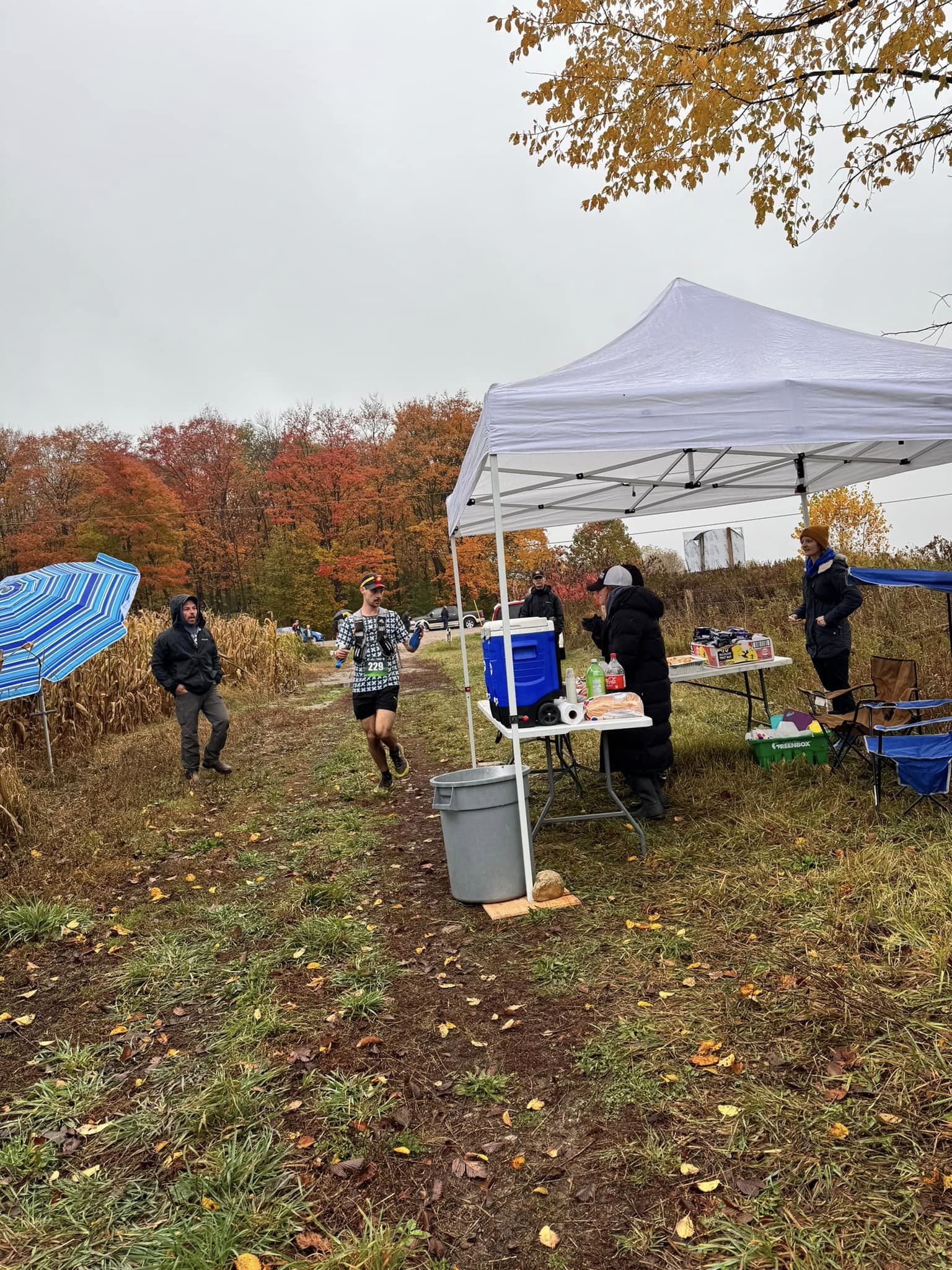
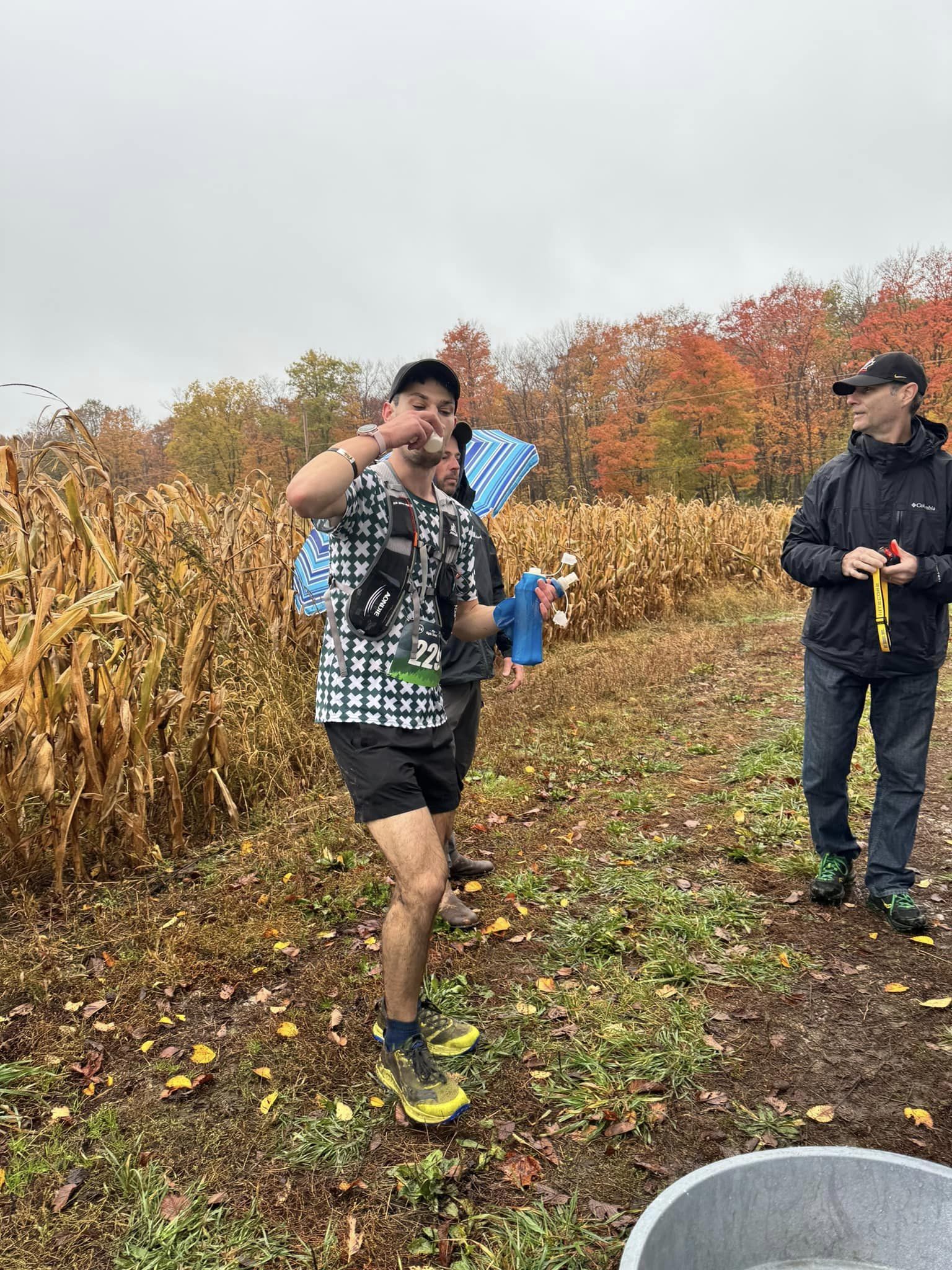
This I think could be the one biggest game changer. 32K to 40K is the toughest stretch of the race, and again, usually one of the toughest in any 50K. After that 30K aid station, the next one isn’t for another hour. If you don’t play your cards right, you need to stop at both. Why stop at both when you can stop at neither?
So if you have the ability to switch out an entire pack (say three bottles and several gels) at 30K, you can more easily ensure that you are properly fuelled, while cutting back time at two aid stations in the process.
WORK OFF THE 25K RUNNERS
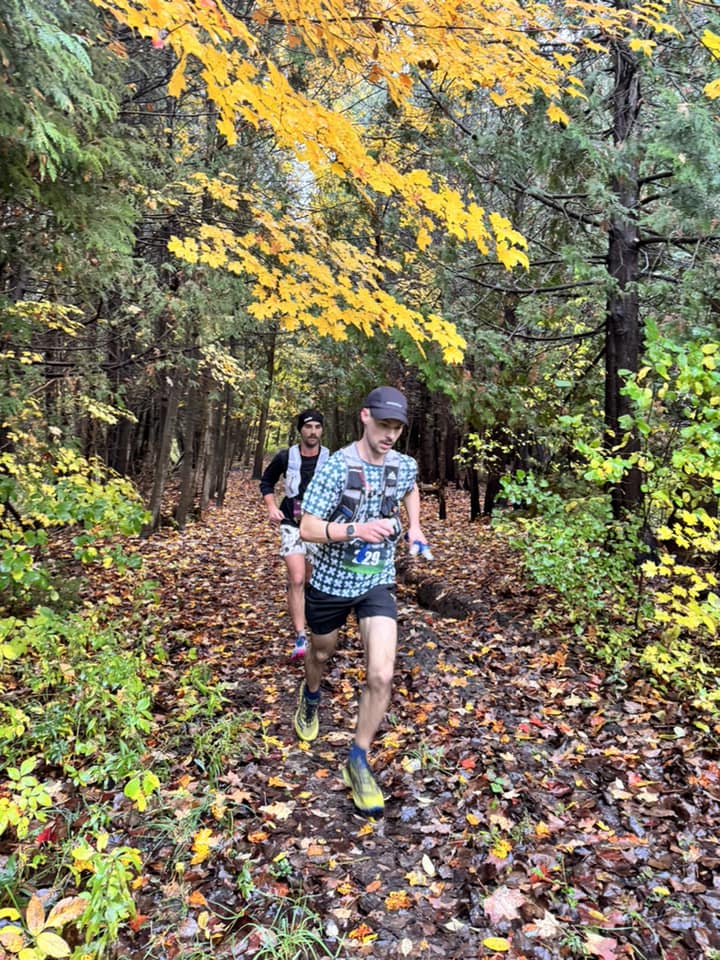
When both Matt F. and I set our fastest times on the course, it was relatively uncontested for the second half of the race.
While it was certainly under more stress and mind games, my faster moments in 2023 came in the first half, with Matt Suda breathing down my neck.
If someone was to try and break 4 hours in the men’s race or sub-5 in the women’s, it would likely be another uncontested performance from Sharpes Creek to the finish. The best way to overcome this is to utilize any 25K runners as motivation.
One of the coolest moments of my race last year was entering the 38k aid station at the same time as the lead 25K runner, Jordan Kadlecik. Jordan didn’t need to stop, so I lost him immediately. But in another world where I have a pack swap and can drift off the back of his pace, that record is broken.
They’re usually moving at a faster pace, but if you can hang onto a 25K runner and use them as motivation for the second half, you’ll get all the benefits of running with someone else, without the added pressure of competing against them.
I’ve spoken about this in most of my recent race recaps, especially with my Squamish 50K time this past weekend. Running with Élisa Morin for the majority of the race put me at peace, where running with Michael for that final section put me under stress. I still wanted to run faster than Élisa when it came down to the road as it mattered for the overall finish, but I didn’t feel any pressure to do so since we were essentially in separate fields and could celebrate the success of one another.
I pumped up the crowds and pointed at her in the final sections, only motivating both of us to go faster in the process. Without Élisa, there is no world where my cruel cramps allow me to catch Chad Boissy right before the finish line. But she helped me push past the pain until the point where I saw him in my sights and knew I could capitalize.
If I had been able to do something similar with Jordan or Phil last year, I am positive that I could have broken that record and gotten the finish I had worked toward all morning long.
This goes for anyone struggling at any point in the race. Run with some 25K’ers, keep your spirits high, and help them as they help you. You’re in two completely different races, so there is absolutely no pressure to perform against them whatsoever.
While these tips directly apply to anyone looking to fight for the podiums this year, I hope that anyone racing The Bad Thing 50K this October can take away some valuable lessons from this article. For anyone looking for a bit of extra edge to their training ahead of the race, simply reach out!
Thanks for reading and see you soon!



 Rhys Desmond