

Gorge Waterfalls has kicked off with controversy to start their 2026 event, after ACG sent their athletes to the start-line early, ahead of the mandatory race shuttle buses. What initially appeared to be a potential rules issue has since shifted toward broader questions of transparency and consistency, following confirmation from Freetrail that an agreement allowed ACG athletes access to the start line.
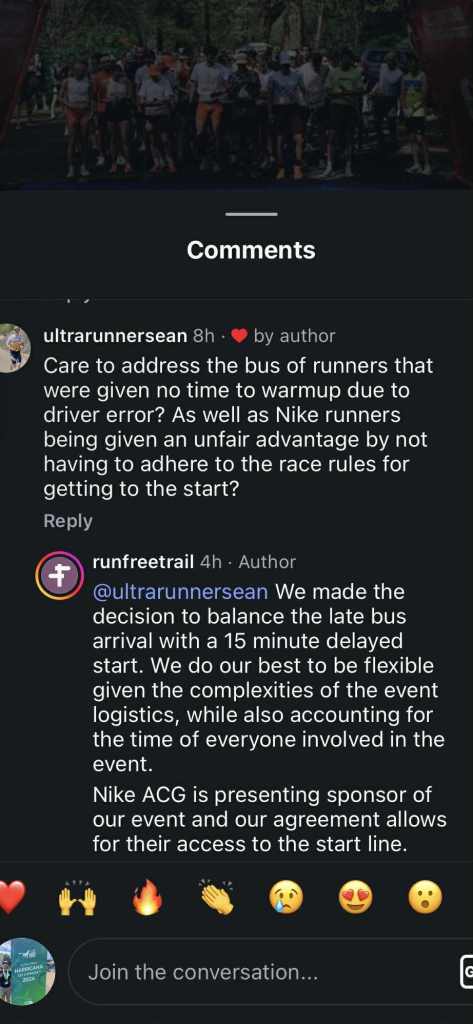
The race website had been clear that no athletes were to be dropped off at the start.
Yet it appears as though rules were applied differently when it came to the race’s title sponsor and their athletes. Amidst this controversy, I wanted to break down how so many other races in North America completely avoid this kind of controversy, whilst adhering to the fairness and equal access for all of their athletes – pro, elite or not.
GORGE WATERFALLS CONTROVERSY
As stated on Daybreak’s race website, the shuttle bus prior to the start of the 30K and 50K leaves one hour before the start of the race. This requires athletes to check in well beforehand, carry all of their gear, and upend many pre-race routines so that they can sit on a bus.
It’s a necessity, given limited parking access at Wahkeena Falls, which already serves as a tiny tourist attraction. It’s even more of a necessity given the narrow trail room along the course, meaning that athletes can’t feasibly head in different directions in a modified ‘out-and-back’ course safely.

The shuttle is mandatory, but there appears to be limited formal tracking of its usage, such as assigned boarding times or attendance. Additionally, the start line is located in a publicly accessible area, making independent access possible.
Amidst the debate about fairness, several athletes have informed me that at least two shuttle buses got lost on the way to the 30K start on April 10, 2026. Those athletes were faced with added stress over the start of the race, without being given proper time to warm-up in comparison to the ACG athletes who could arrive on their own.
This is all the more puzzling given that Nike ACG put up $7,000 in total prize money for podium finishers at the race. Inevitably, three of the six podium placed athletes were sponsored by ACG.
To offer up prize money at a race and then work to give athletes of a certain sponsor an unfair advantage in obtaining that prize money seems questionable, at best.
Looking ahead, Daybreak Racing could draw from practices used at other events. It’s not too late to change course ahead of Sunday’s 50K. But at the very least, they can learn from how other events operate their shuttles.
SQUAMISH 50

The Squamish 50, produced by Coast Mountain Trail Running, has a similar bus shuttle. But there are some stark differences that they employ – ensuring independent access to the start line becomes significantly more difficult.
Firstly, athletes must book a time to the start line. Athletes who book early get the earliest times, allowing them the opportunity to get settled at the start area upon arrival.
Secondly, when you enter the bus, your bib number is noted and highlighted – confirming that you are both a participant (not a spectator) and that you did indeed take the shuttle should there be any debate.
Thirdly, the starting area is more of a pit than a park. While the start of the race takes place in Alice Lake (which does have pretty sizable parking available), the actual start location looks more like an active construction site than the rest of the park. If someone were to try and arrive late to the party on their own accord, there would simply be nowhere to park, and you’d be quickly identified by race staff.
ULTRA-TRAIL HARRICANA

Ultra-Trail Harricana is known for its breathtaking landscapes and rugged, rolling terrain in remote areas surrounding La Malbaie, Quebec. As a result, access to certain start locations is limited, especially in the event’s most populated event – the 42K Classique. The 42K starts in the middle of a remote campground site that you need a park permit to access, so there’s really no other choice.
Based on both direct observation and athlete accounts, the race organization has made attempts to help some elite athletes receive transportation to the race start in distances where shuttles were optional. This can create a small disparity. But for these races, prize money isn’t really a thing as much as a bag of coffee and an additional engraved medal.
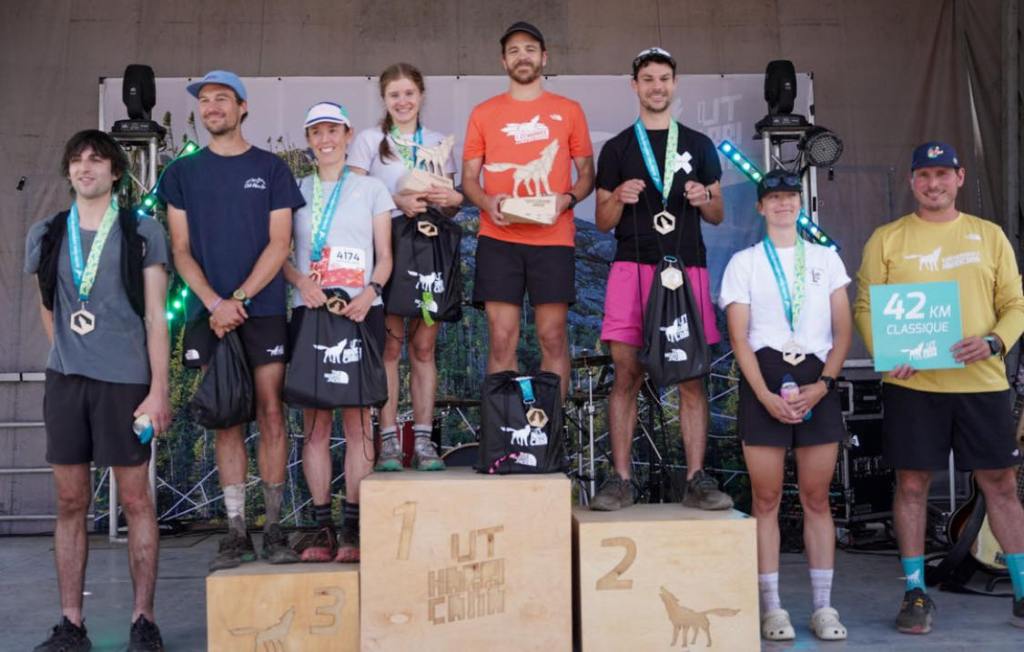
Separately, the shuttles are so well organized. They’re spread across three stations around La Malbaie, operate frequently for return trips, and they’re even available to spectators and loved ones. If an advantage were to exist, it would be marginal. The shuttles are well timed, quick, and optional in many cases.
THE BAD THING

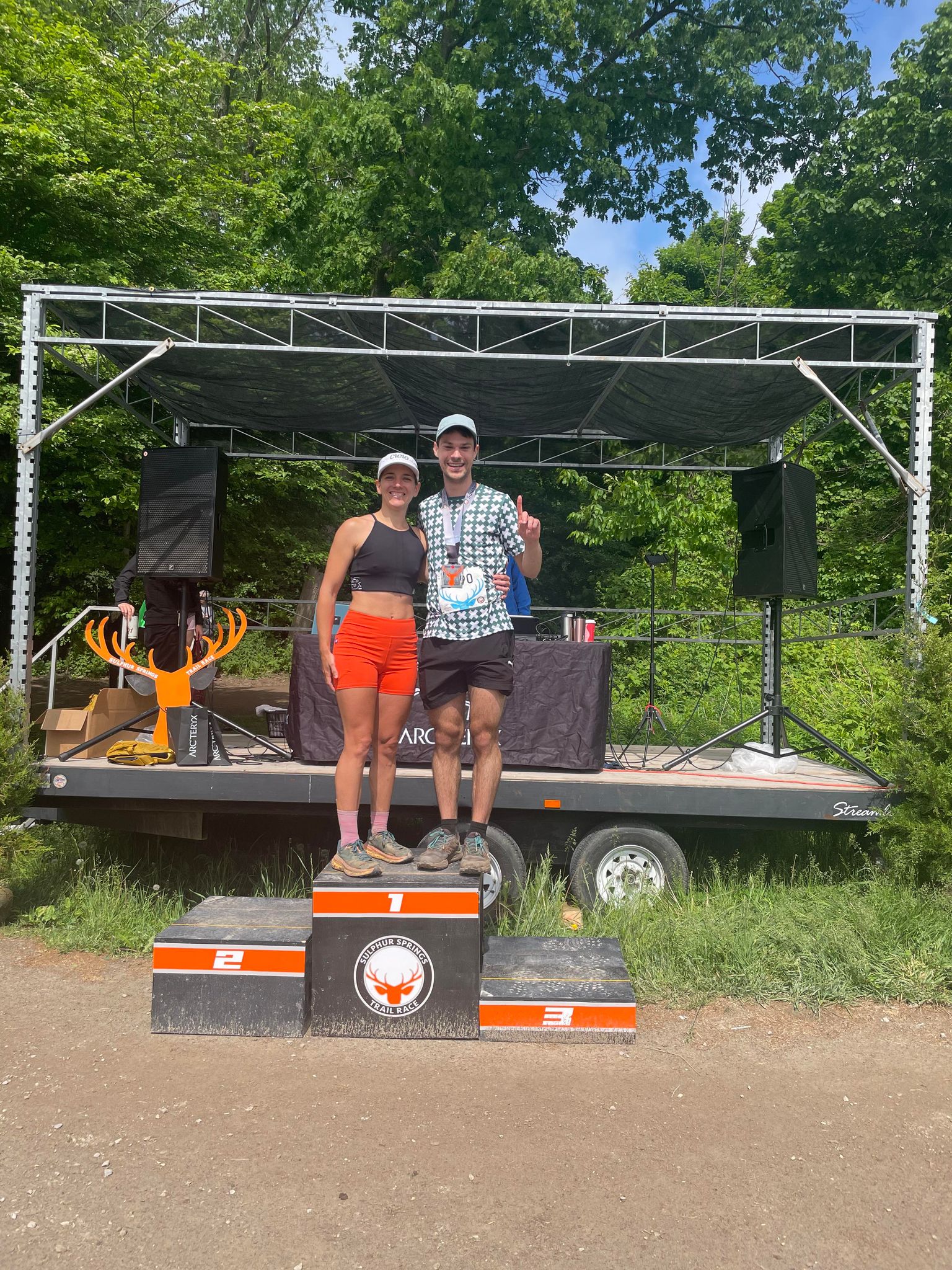
The Bad Thing in Goderich, ON has my favourite way of solving the shuttle bus issue. They operate with a “mystery start”, that can be subject to change from year to year.
Race directors take the bus with the participants, and track bib numbers on and off.
Anyone now attempting to arrive to the start line before the shuttle bus would need insider knowledge to that “secret” location. Not impossible, but highly unlikely. Further, the record keeping of the race organizers simply means you would likely be in hot water for trying.
While The Bad Thing is a race of a smaller scale than the other three, it provides a fantastic example of how to run a well organized system and limit some of the potential for rule breaking that Gorge Waterfalls witnessed this weekend.
MOVING FORWARD
As our sport continues to professionalize and grow, race organizers need to become more watertight with their policies. When the rule clearly states one thing and then under the table deals have been made to allow for another thing, it undermines the credibility of the entire event.
While there is so much excitement happening at Gorge Waterfalls this weekend and course records ready to fall, the event might ultimately be remembered for the controversies surrounding ACG and the shuttle buses over anything else. For a race organization wanting to grow the sport and “save the world”, this needs to change next year, if not ahead of Sunday’s 50K.







 Rhys Desmond