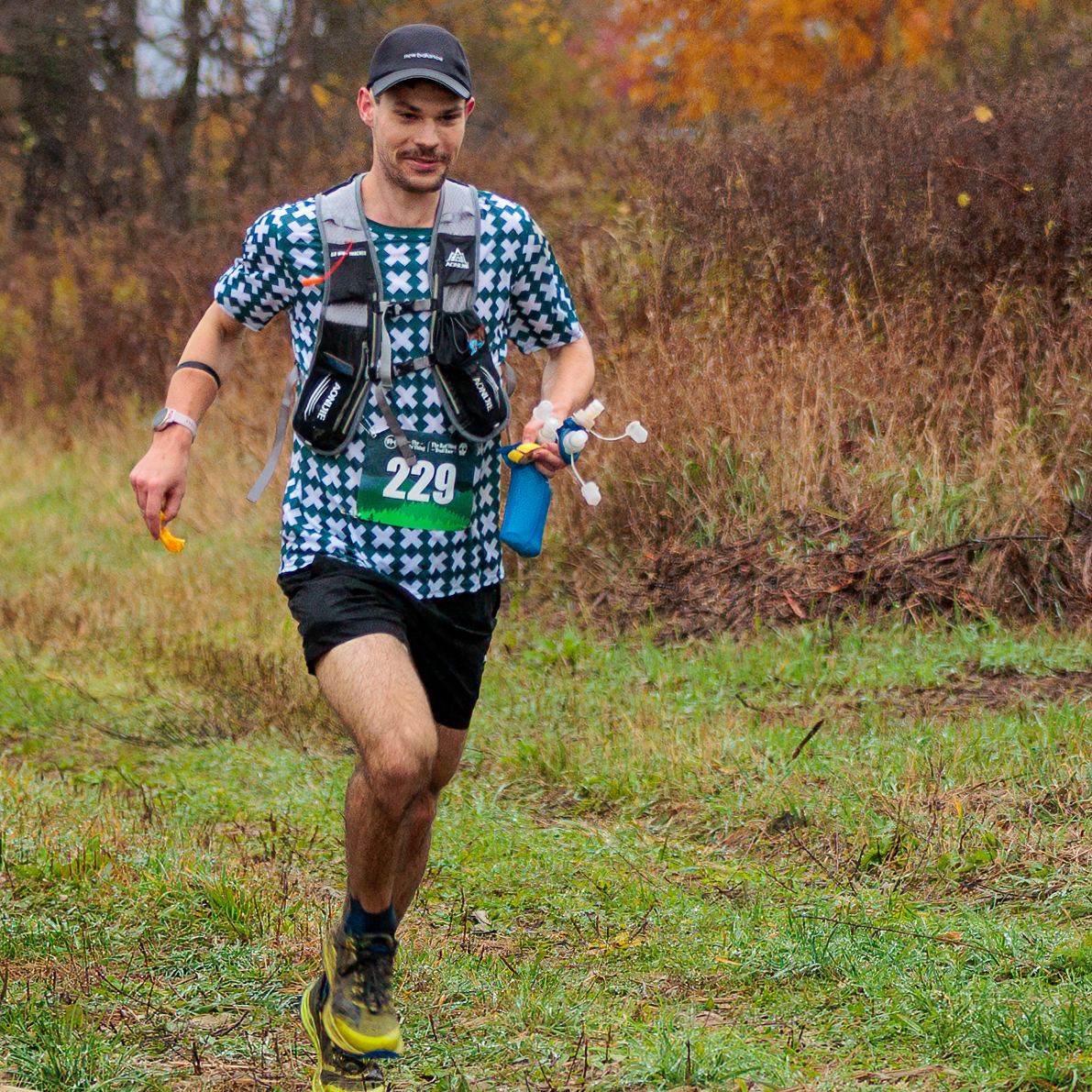
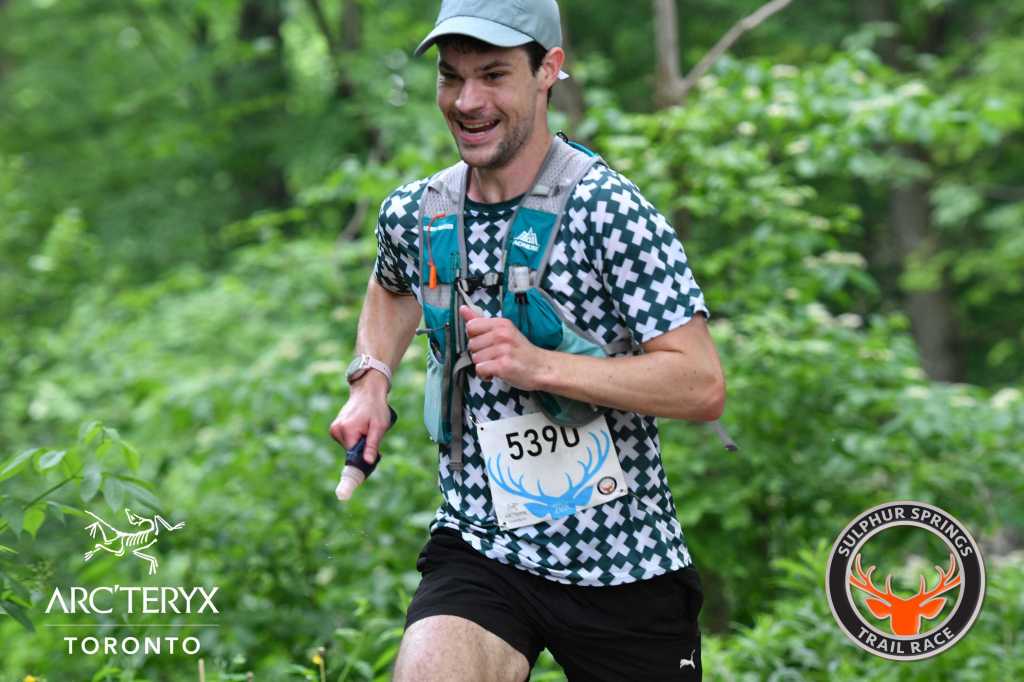
2025 has been a big year of learning for me in the world of running. I feel as though I’ve learned more this year than all my other years in the sport combined!
Part of that has been from working with a really good coach. Part of that has been from working with many more athletes this year. And, as I reflected about today with my work in the soccer world, a lot of that comes from taking notes. From reflecting. From writing. From doing the homework!
And one of the biggest takeaways that I’ve had all year? The best fitness comes from a variety of stimuli.
I’ve spoken at length in other pieces about how I often trained in the exact same way for two years straight.
RELATED: The changes to my training in 2025
That included only the steepest, most technical trails I could find. I only did workouts involving hills. I rarely ran on flat trails at all, and never on road.
My greatest transformation this year has been really loving running on flat ground again. Running on roads in particular (which, actually, aren’t flat at all where I live), and the flatter paths that I might have previously avoided.
And it’s showed up in my fitness.
I’ve done a ton of trail time. I’ve done a ton of vert. But I’ve also acquired a greater variety of stimuli across all types of terrain and inclines.
Most of my workouts are on roads. Many of them are on flat ground. And many of them are being run at paces I previously only hit at the peak of my game in university.

I’m a better and faster flat runner again. I’m a more efficient, economical runner again. I’m a more complete runner again. And that translates very well to continuing to run well on trails with high elevation change.
As I wrote about in previous pieces, my skillset around technical trail running hasn’t gone anywhere since I started training more on “runnable” terrain. It’s even where I made a decisive move at the Harricana 28K this year.
But every other skillset in my running has improved in ways that never would have been possible had I stayed on technical trails all year long.
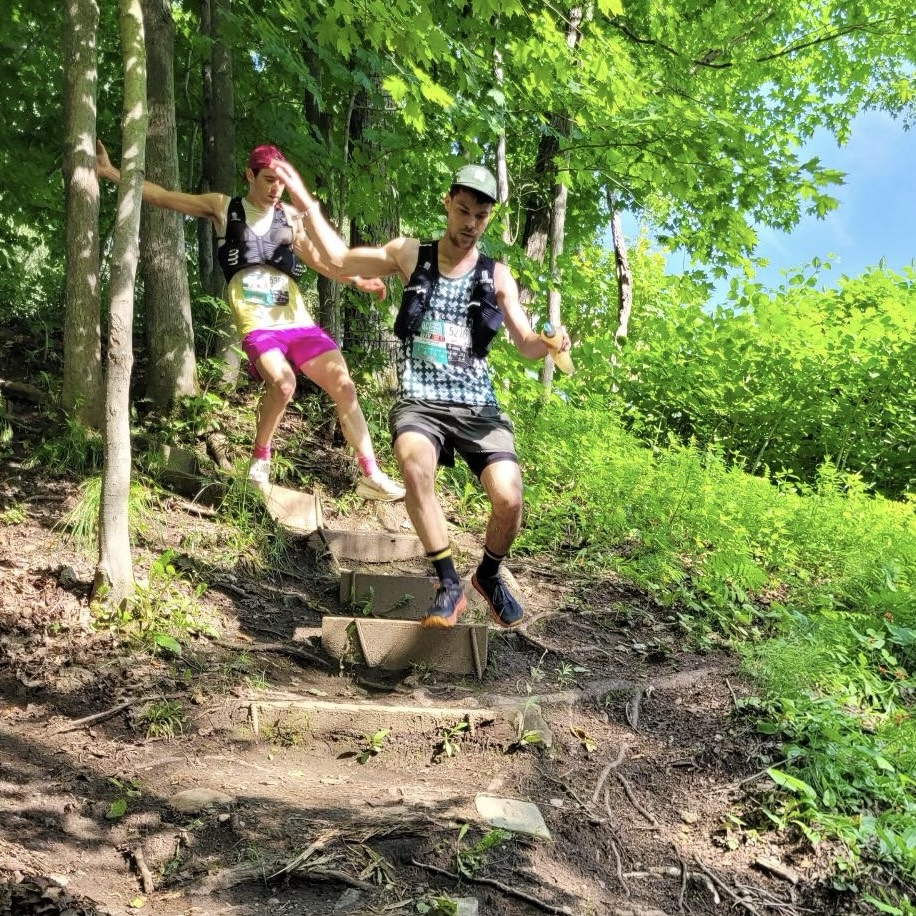
I also take this approach into my coaching with athletes. I want athletes to train in not only a variety of settings, but sharpen a variety of skillsets. Closer to races we do much in the way of race-specific work. But we never stop doing strides, hill strides, flat workouts, and incorporating variety into the week by week routine.
In thinking this through, this is also what we did in a high-performance environment of university cross-country.

We trained on grassy hills, flat ground, roads, tracks… all over the place! We did tempo work, threshold work, VO2 max work, strides, steady state long runs… everything. We built every engine in our toolbox, and that worked in making all of us the fastest we’ve ever been.
Even trail coaches who differ in their general approach, like Jason Koop / CTS vs. David & Megan Roche, agree!
You can’t build fitness by sticking to just one workout style, one heart rate zone, or even one type of terrain. You need a variety of stimulus across all facets of the sport to achieve the best results.
In my own running in 2025 this has really clicked into place. I’ve loved running on roads, trails, mountains, tracks… you name it.
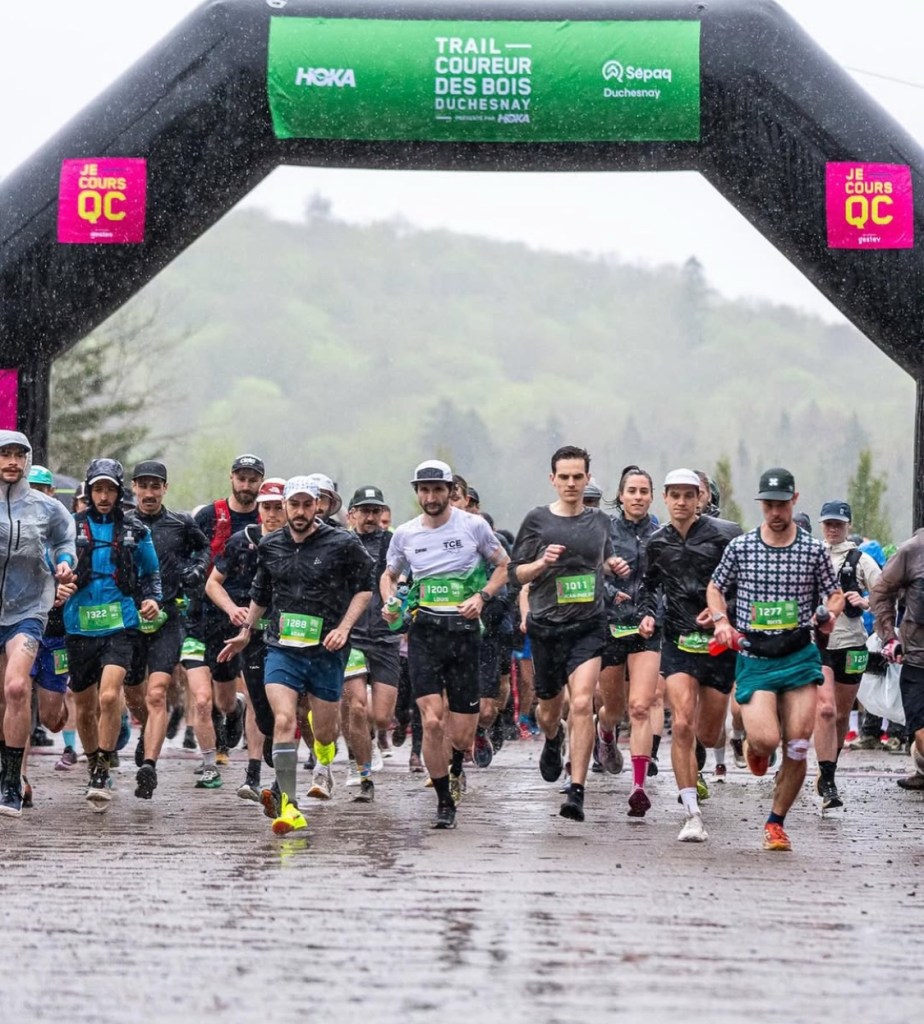
I’ve loved training in all zones. I’ve loved hopping on the arc-trainer or bike. I’ve loved combining running with strength training and mobility. I’ve loved incorporating all of this variety! And, to a certain extent within race specificity, the more variety the better.
This even goes for racing, like throwing a 20K into a training block for a 50K.
So if you are the type of runner who loves your routine and loves doing the same run every day, I definitely encourage you to think about ways to change it up. The body adapts best when you are constantly changing things and throwing new things for it to master.
If you need help doing that or want to see what it looks like working alongside a dedicated coach, feel free to reach out! Thanks for reading and see you soon!





 Rhys Desmond