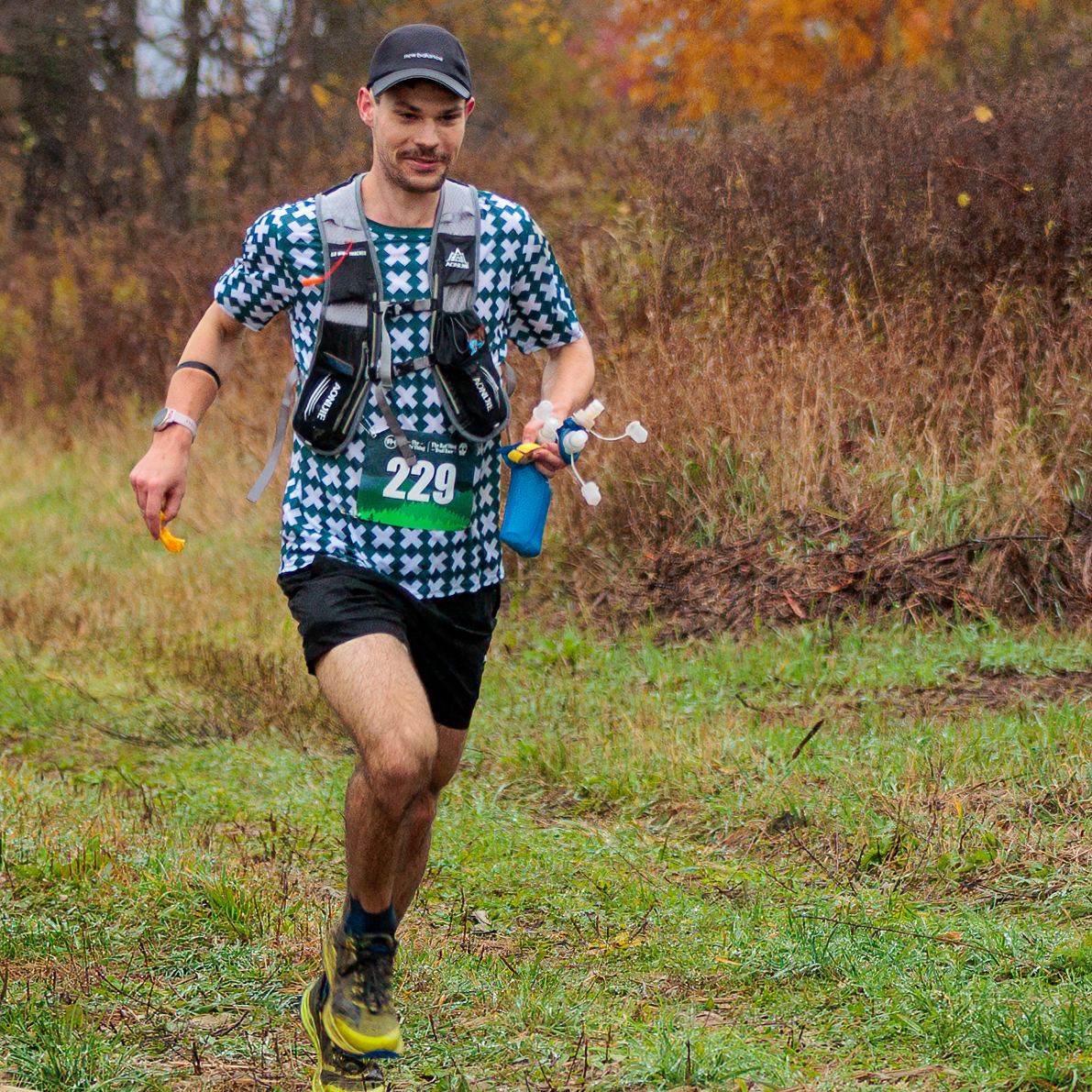

Back in 2011, I endured my first longer-term injury, breaking my collarbone in a soccer match. Between that and likely the hits I often took in hockey growing up, I’ve had a history of misalignment issues, and recurring injuries.
I always treated mobility as a pretty critical piece to the puzzle, having learned from the old-school soccer coaches that made you static stretch before games ❌; and my very ‘in with the times’ running coaches that had us do core work and alignment exercises post-workout ✅.
Around 2018 or so, I developed my own mobility routine that I’ve tweaked and adapted ever so slightly every year, always adding new exercises. What started as mostly core work has now become mostly hip, glute, and leg strength, and I HATE missing a day of mobility almost as much as I HATE missing a day of running.
But recently, as I’ve continued to endure injuries even despite the diligent attention to this piece of the puzzle, I’ve reflected on how I can make sure my mobility is properly attended to as much as my runs.
WHY MOBILITY FOR TRAIL RUNNERS?

I know plenty of physios that make fun of runners because ‘we’re always injured.’ And this is partially true. A systematic review by Dutch researchers in 2020 found that 50% to 70% of runners report being injured during any given time of the year.
Most runners that I know have at least one injury worry or doubt at any time.
I’m one of the ones I know.
Injuries occur so frequently in our sport because, well, bacon.
Training is like bacon.
It’s so easy to overcook it.
One moment it’s perfectly crispy. The next it’s burnt.
You can so easily overcook the training bacon by going too fast or too far than the body is ready for.
Since we can in fact do the things that we’re doing in the moment (like running that fast), it’s nearly impossible for our bodies to recognize that we are indeed going too fast.
POV of me running for the first time post-injury.
In sports like soccer and hockey, you can train all day and rarely suffer an overuse injury. In endurance sports, training all day would just be counter-productive.
You need to train more to get better, but training more often leads to injuries. It’s an impossible tight-rope to walk, especially for those with a history of previous injuries.
When trying to walk the tight-rope, it’s so easy to end up like this Christmas snow cow.
But when it comes to trails, there are a few more facets that can lead to unexpected injuries and alignment issues:
- The varying movement patterns
- Heavy packs
- Falls, slips, ankle rolls, etc.
Everyone who’s ever run on trails has rolled their ankle at some point. My ankles have been through so much that they no longer even feel ankle rolls! But I’ve also had injuries from things like falls (like at QMT last year), slips (from things like mud and snow), and crashes (such as into rocks, tree branches or off-leash dogs).
If anyone says this isn’t an extreme sport, they’re not running on the right kind of trails.


There are so many movement patterns to trail running that it’s easy for people, especially in the beginning phases, to have muscular breakdowns in any given part of the body. Not to mention the insane distances we run!
Random things just come up all the time and you have to constantly evaluate whether you’re injured to the extent where you need a few days off, or if it’s something you can run through.
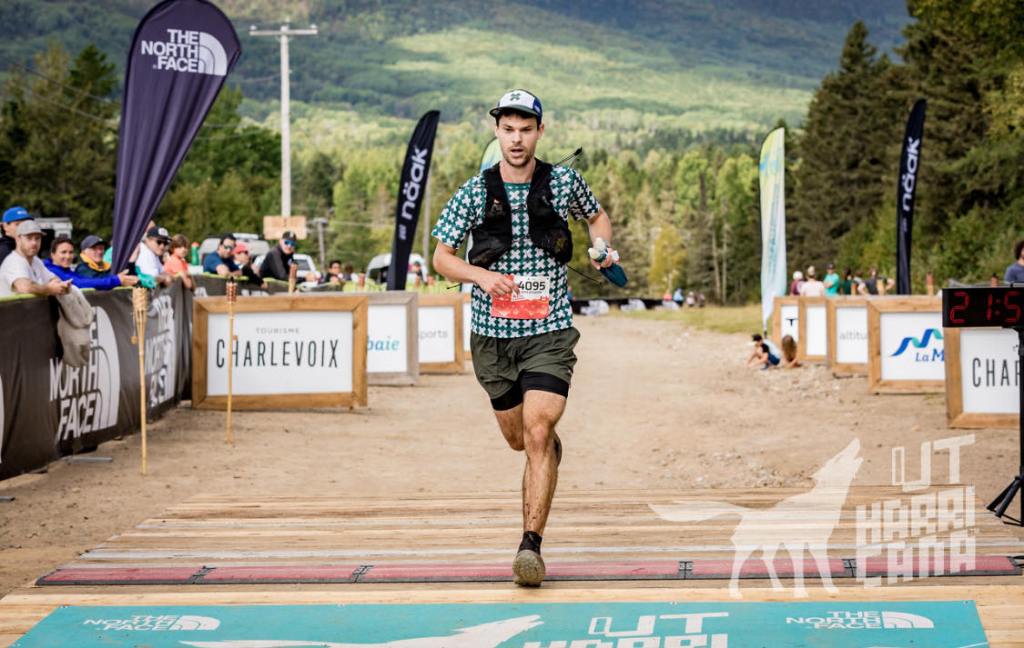
If you get that question wrong, a few days can become a few weeks to months. That’s a frightening tightrope to walk, like the Christmas snow cow found out.
From the mobility perspective, the pilates/yoga piece is pretty essential to both rehab and prehab. Even more so, when we’re often carrying heavy things when we run on the trails, like packs filled with water flasks and gels XACT Nutrition fruit bars. My neck is often tight from that head-down position on climbs and the weight of the vest. It’s easy for things to become misaligned every single day within the daily things we do, let alone that extra weight we have to carry.
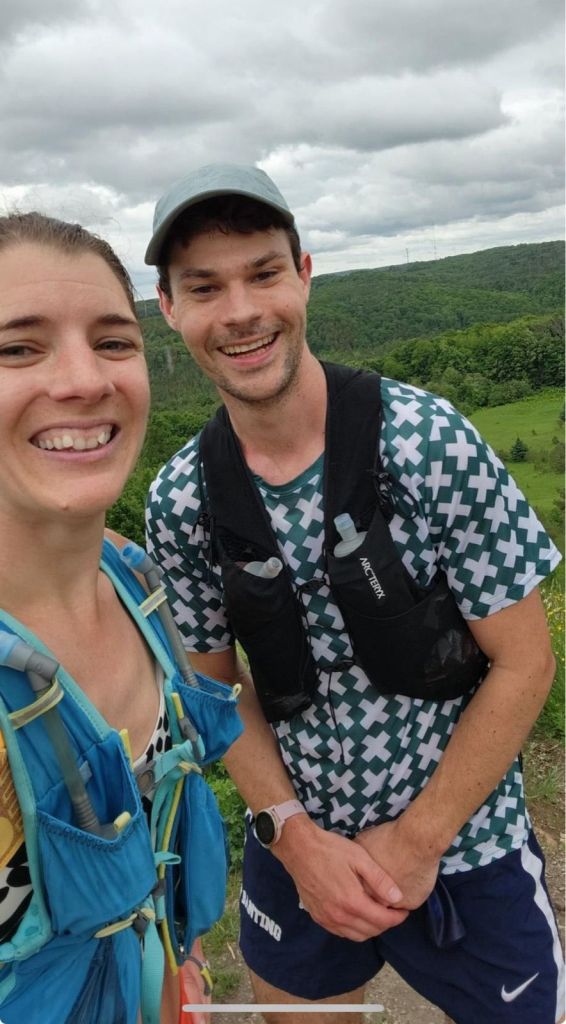

So for both trail runners and just your general injury prone athlete, mobility work is absolutely critical to continued success in sport.
From Courtney to Jim to Kilian, all the best have some sort of mobility routine factored into their training on a daily basis.
This year, I’ve started to change up my routine and optimize for my own physical health. Again, the point of mobility is a range of things:
- Realigning the body
- Strength
- Balance
- Posture
- Relaxation
When you put all of these puzzle pieces together, you, in theory get this:
- Amplified injury prevention and performance.
But the best way to do that is to focus on the work that you’re putting into mobility (rehab and prehab) to the same level that you would for your running.
For the past six years, I’ve often done the mobility work distracted.
I watch TV, I drink my tea, I barely breathe (probably), and I do the same exercises every single day. I’ve now started to think more deeply about this work in three key ways. Here are my new pieces of advice for myself, and you too.
1. CHANGE IT UP
This year, I’ve started doing different exercises, and not just the same routine everyday. If my hamstrings are tight (like right now) I might focus more on lower back, hips and glutes. If my knee is bothering me, I might focus more on my lower back, quads, and overall alignment.
You should be aware of your body and what needs the most fixing on any given day. If you only have 20 minutes to get your mobility in, why would you do the same exercises every single day when the body is always adapting to new stimulus? Progression will only ever occur if you change it up. Besides, it’s more rewarding to change it up and try new things anyway.
2. USE TOOLS & RESOURCES AROUND YOU
In addition to adding weights, bands and other mobility tools to my routine more often this year, I’ve also started using apps and videos again.
Following along with an exercise pro helps you to do the exercises right, and focus on the details that you might otherwise forget when watching TV or doing the exercises distracted (such as your breathing and alignment).
This will also help you with point #1, allowing you to mix it up and focus on different areas of the body. While I’ll always have my “go-to exercises”, it’s equally cool to learn new exercises from others, prioritizing muscle groups that might have been previously neglected.
3. DON’T SHY AWAY FROM TOO EASY OR TOO HARD

Mobility work should be easy. It’s not another workout in your already busy routine. It’s a chance to re-centre and relax as either prehab, rehab or both.
BUT in the past, I often skipped exercises that would feel too easy.
Too easy is good when it comes to mobility, as it’s probably something designed to work on posture and alignment (which someone like myself really needs). It’s okay to not feel like you’re getting anything out of an exercise. Somewhere deep down, you definitely are.
But I also had the opposite problem.
I would also skip out on exercises that felt too hard (even at low resistance).
If it feels too hard at a low resistance, it probably means there’s a weakness there that you can work on. It therefore should be one of the last things you neglect.
With this realization, I’ve stopped shying away from exercises that are too easy or too hard.
In order to become the best athlete that you can be, focusing on the entire body is essential. Mobility is one of the best ways to do this and critical to the everyday routine of a trail runner. Especially those with a greater history of injuries, like myself. Maybe in the future I’ll even put out some videos showcasing my favourite exercises and routines.
But in the meantime, thanks for reading and see you soon!








 Rhys Desmond