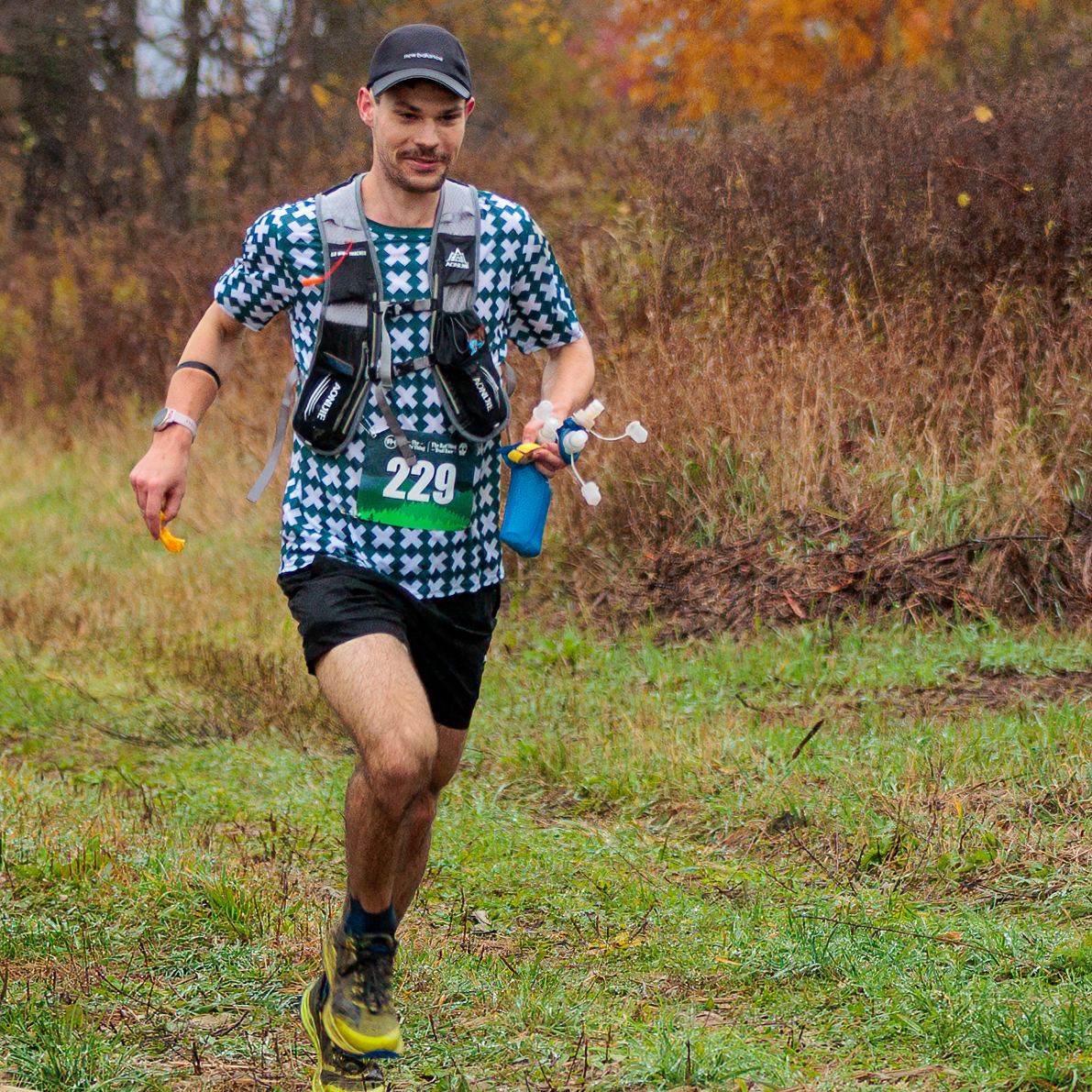

I’ve read a countless number of self-development books this year, and each of them discuss a common thread about being abundantly clear on what you want your 80-year-old to 100-year-old self look like.
The idea is that if you know what you want to be like in the far far, almost unimaginable future, you will have a better idea of exactly what you should be doing in the present. What’s worth prioritizing at this very moment? What’s not going to be important to you at 80 but is still important right now? What won’t be worth your time at 80 at all, and can go right now as a result?
I’ve even thought all the way down to who I’d most want to still have in my life at year 80. I don’t have any time for negative people now, but I imagine that will be even more the case then. Knowing that, it’s pretty clear who I want to have in my life right now.
But there is so much more value to the 80-year-old looking glass than just the blanketed idealizing.
Ali Abdaal often talks about how whenever your faced with a dilemma, you can gain a greater perspective by simply asking what your 80-year-old self would think of the situation. What advice would your 80-year-old self give you in this very moment?
It’s become one of my favourite questions to ask of myself.
I find that my 80-year-old-self has a a wicked sense of brutal honesty to his wisdom. He tells it like it is, and doesn’t hold back. Often times, it’s the exact answer I already knew, but one that I was either too afraid to tell myself, or too afraid to enact.
We’re often too afraid to take the risk, to do the thing we’ve always wanted to, or even to eliminate negative people or situations. We become very stubborn, even when that stubbornness is causing us to live in a constant complaint cycle where we have a never-ending list of problems needing to be addressed. Your eighty-year-old self doesn’t have time for that, I can guarantee it.
Equally valuable to consider is how you want your 80-year-old-self to be remembered by others.
In all my work with kids and with leading programs, educating people, coaching, teaching, etc., I always want to help people learn and inspire them to create greater quality in the things that they do for other people.
I want them to learn how they can be their best, but even more so as part of a greater quest – being their best to allow others to be that way too.
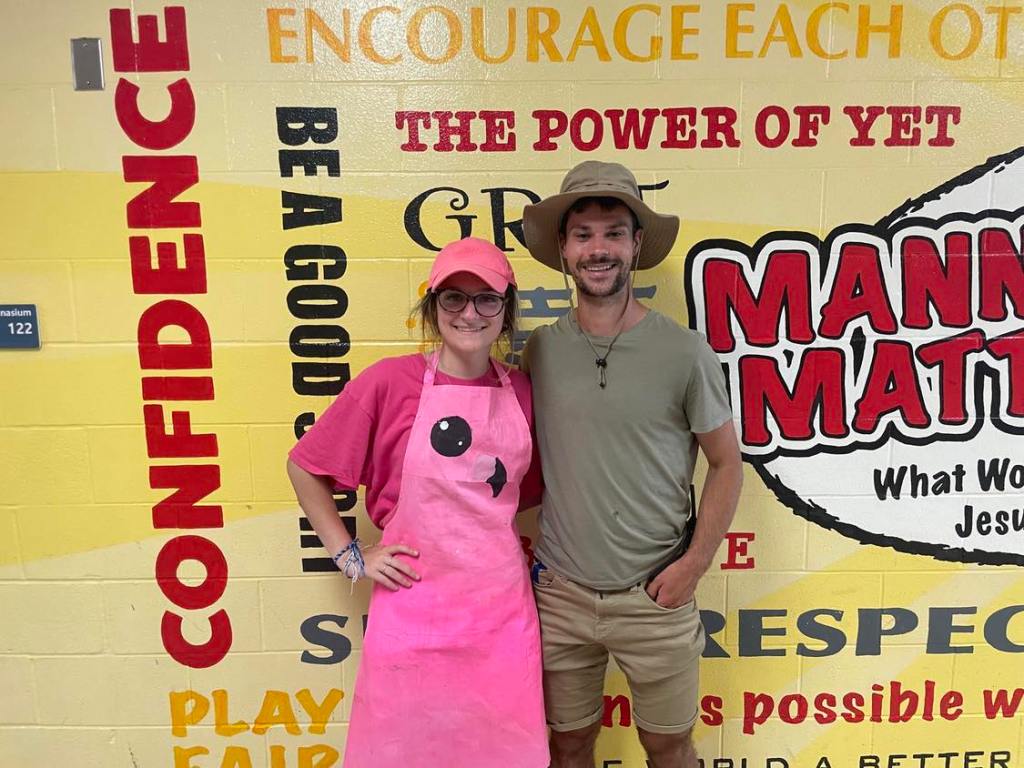
I want them to have a better understanding of how to create that quality and that difference for not only themselves, but for other people.
It’s one of the many reasons why my programs, my coaching environments and my classroom environments all exist within a certain scale of creativity and creative problem solving.

I strive to create environments full of positivity and learning, where every voice can feel a part of the process. But even more imperatively, I want to create environments that are different from what they are going to get anywhere else. Where they feel a greater sense of challenge.
In recreation programs, that comes in the form of escape rooms, massive scavenger hunts, and a host of other skill-based / teamwork-based activities. Innovative program planning so that they can actually learn and develop skills. It’s not just free-play, and it’s not just child-care. Any recreation program is an opportunity to grow and develop people. And I want to be a key part of that development process for everyone that I work with – from the children to the volunteers to staff.
For university classroom settings, it comes in the form of putting students in the real-life environments they’ll one day work in. Giving them real opportunities to succeed and fail by leading others (their peers) through real life scenarios.
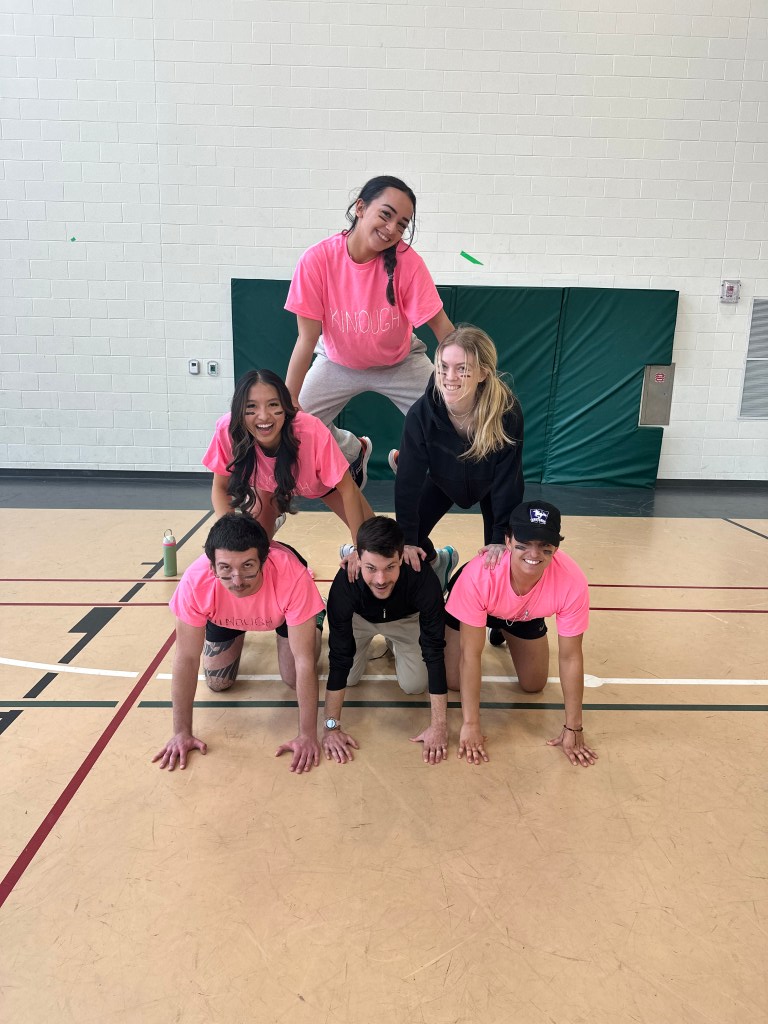
Regardless of where they end up or what kind of work they do, I hope that they can take even 1% away, and implement that small piece of the puzzle into their own environments. Whether it’s done consciously because they studied it, or unconsciously because it was the only way they experienced it.
That’s how I want to be remembered, by the impact I can have for people that I will never even meet. Even at 80, hopefully that trickle-down effect only continues, and even if no longer working with kids directly, hopefully my writing will continue to live on as an additional form of inspiration for some.
But as I always talk about, even if no one gained any inspiration I would still write and I would still work with children, because it’s fun for me in and of itself.
RELATED: How to identify where you want to go in life
If taking away nothing else from this article, you should take away that small token of advice. Most of the things in your life, and certainly the things in which you spend the most time, should feel enjoyable, and feel like play rather than work. The more it feels like play, the more you will want to continue coming back day after day, year after year. It’s the same for the environments you create for others.
If you can somehow manage to do that and make it to 80, I think you will be feeling a whole lot more satisfied with your life.
But if you want to take away even more than 1% from this article and set yourself up for a better chance of getting there…
- Be abundantly clear about what you want that idealized 80-year-old to 100-year-old self look like, even if it’s far far in the unimaginable future.
- Ask yourself what you want to be remembered by, and how you can ensure that the impact you made on others continues to live on.
Thanks for reading, and see you when you’re 80.





 Rhys Desmond