

If you read anything about the vast majority of successful people, a common throughline comes up. In its simplest form, it’s the art of saying “no.”
From stories of Steve Jobs to Eliud Kipchoge, we’re told that successful people say “no” so that they can better prioritize the projects that truly matter. For Kipchoge, it’s focusing all day on recovering from his training efforts, so that he can go out the next day and work off all the ice cream he ate (running blisteringly fast paces in the marathon).
So too Steve Jobs. He famously gave an absolute baller response to a question in a Q&A, probably while bouncing a basketball (or an apple) – proclaiming himself to be equally proud of the things he didn’t do with Apple, in comparison to the things he did.
Baller.
Saying “no” is the best! Isn’t it?
NO.
Saying “no” is great and all. But there’s a missing piece to the NO puzzle. The most profound “no’s” in life often only arrive as a result of previously saying “yes”.
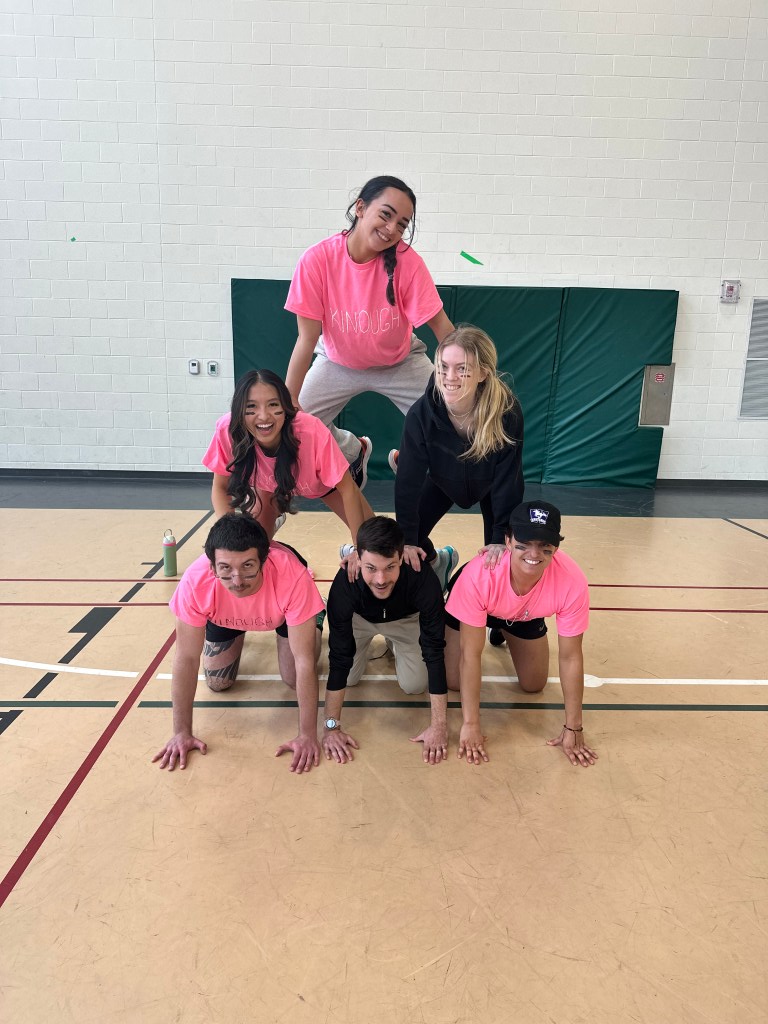
Quick but relevant side tangent – In thinking about the environments that I create for kids in programs, I sometimes wonder if the creative and expressive chaos of my programs would simply be easier to manage if I had a better time saying “no.” Then I squash those thoughts immediately, remembering that dinosaurs once roamed the earth too. Saying “yes” is something that can be granted more often than most working with kids will ever do.
If it doesn’t hinder safety or fairness, I’m all about saying “yes” and allowing kids to explore boundaries and risks on their own. Creating environments that are overly strict limits creativity, risk taking and inevitably makes children more fearful of the leaders they interact with. Saying “yes” can often allow kids to explore new ideas, gain new skills, and learn some of their most valuable lessons.
Most importantly, saying “yes” allows them to know on their own when the answer to a problem might be “yes” in the future, and when the answer to something dangerous should be a “no”.
You have to be careful about when you say “yes” and cannot do so blindly. But you also have to be careful about when you say “no”. A lot of the time, saying “no” to children is an ego-driven decision with something not being done your way. There can be more leeway to say “yes” – raising the fun and easing your own stress in the process.
In recently reading Matthew Dicks’ Someday is Today, he agrees. As he points out, saying “yes” often leads to new opportunities.
I’ve certainly found that out, having become a university instructor, director of a soccer club, poetry prize winner, part-time professional athlete, and a consultant for a variety of professionals in the sports industry, all before the age of 26 (I’m now 27 and have different priorities).

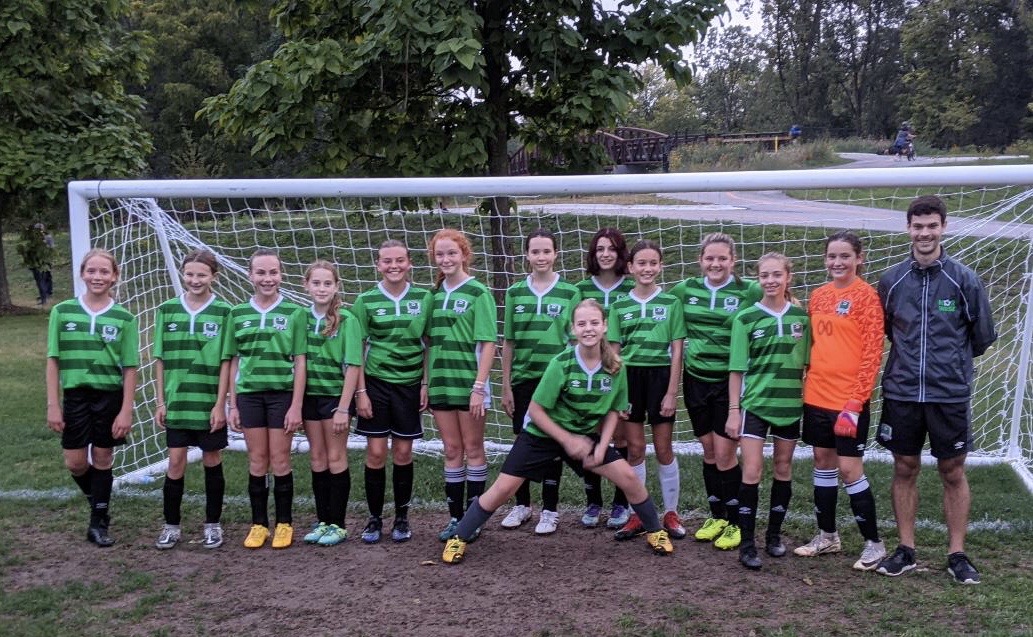
Had I never started coaching soccer at age 16, most of that wouldn’t have happened. Had I said no to any one of those things, the ripple effect that led me to where I am right now would have, at the very least, looked very different. For example:
- Coaching led to teaching at the university level.
- Coaching also led to being way better when I started working for non-profits in recreation, which led to meeting most of my favourite people, and inadvertently, my professional athlete journey.
Similarly:
- Writing fiction led to creating my soccer site – TheMastermindSite.
- Writing on TMS led to consulting for professional clubs, athletes, coaches, and a variety of people in a variety of sports I never even played
(so too did my coaching and teaching experiences). - Writing on TMS also led to my work on this site, which is thirty-thousand times better than the 1,200 articles I posted in the soccer world (not a flex, if anything a compulsion).
Life evolves in unique ways. But sometimes the “yes” is a requirement behind the evolution.
Evidently, you need to carefully select which things you say “no” to and which things you say “yes” to. One of my favourite books is Derek Sivers’ Hell Yeah or No – centered around making your time more worthwhile – including the premise that if it’s not a “hell yes” it needs to be a “no”.
However, even sometimes things that are not a “hell yes” can lead to new and exciting opportunities if you simply say “yes” (or “heck yes”). HECK YES!
Saying “yes” can be the greatest stepping stool toward saying “yes” again in the future, in pursuit of something new and exciting that can help you learn and grow in a completely new way.
You can always say “no” later on. But saying “yes” will often lead to new connections, new people, new opportunities, and new adventures.

It can completely alter the course of your life in unexpected ways when you say “yes”. Far more, I think, than it can when you say “no”.
You can’t say “yes” to everything. That would just leave you burned out with no time for what truly matters.
But while Jobs’ quote is so incredibly insightful, it’s also, underratedly, major-time fence-sitting. It’s used over and over as reinforcement for the “no” truthers. But in truthy truth, the second half of the quote is equally valuable. That is – he was equally proud of all the times he said “YES!” (I imagine he whispered it with a fist swing to the side and everything).
In my own journey, I’ve come to realize that new paths always emerge. But they always emerge based on previous paths. Previous paths that required you to formerly say “yes”.
Herein lies the beauty. As Matthew Dicks perfectly posits in Someday is Today, the more you say “yes”, the more future opportunities can and will be presented to you.

It’s true – the more you say “no”, the more clear you can become on what is worthy of your “yes”. But my journey showcases that you can say “yes” to a ton of things, allowing you to also better understand what opportunities are most worth saying “no” to, and which ones are worth keeping.
Had I stayed in the soccer world forever (my friend Ryan recently had to remind me that the MLS still existed), I would have likely been happy. I would have likely had a host of cyclical coaching content to continue propelling TheMastermindSite to never-ending heights. I would have met different people, made new friends, and gained some pretty cool experiences.
But I chose to ultimately say “no” to a career in the soccer world, and I’ve never looked back since. I had a mix of some of my happiest days to some of my worst to formidable learning experiences in the non-profit world instead, meeting just about all of my favourite people today.
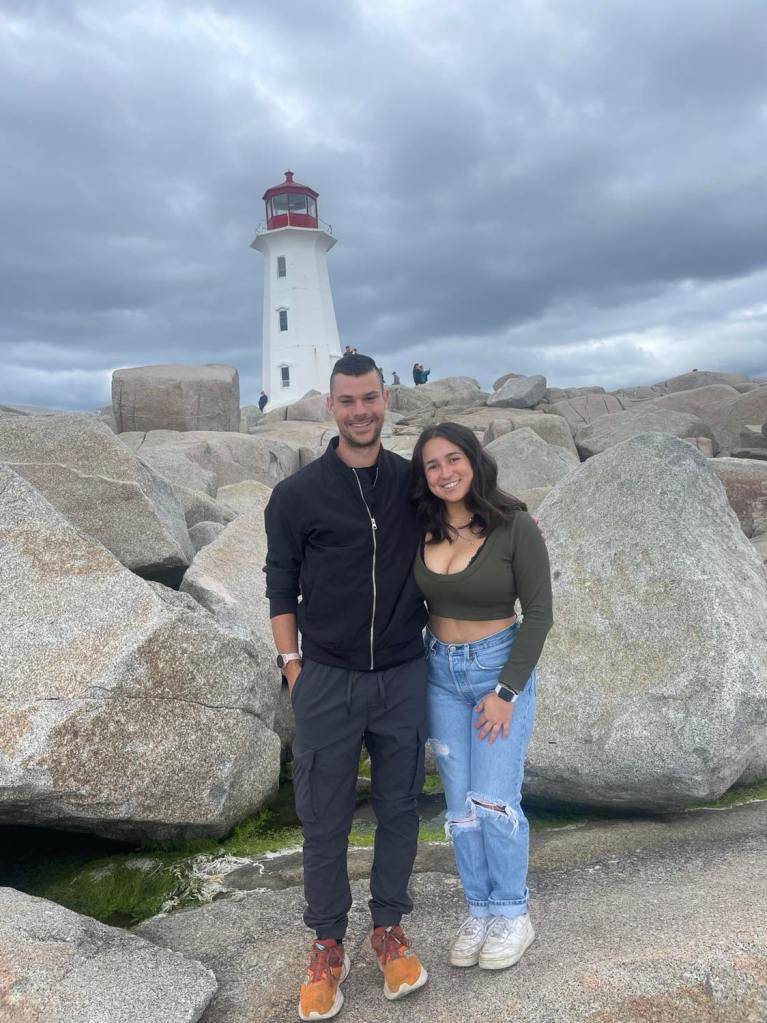
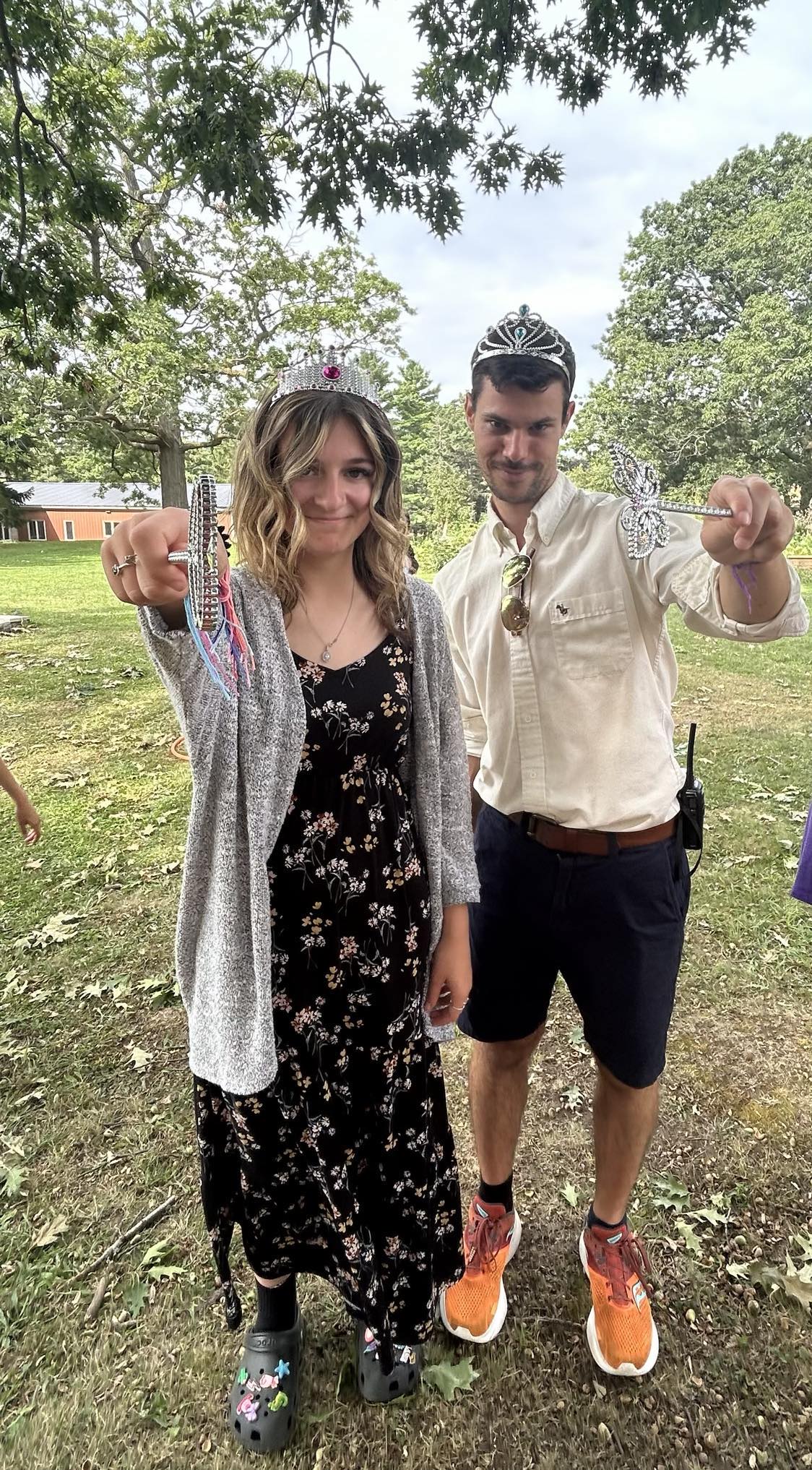
When all signs were screaming at me to say “no” to staying at my previous job, I also said “yes”. It was a miserable experience, but gave me some valuable learning for my next job, some of my most memorable moments with the kids and families I adored so much, and casually resulted in meeting Aislinn.
Had I listened to the screaming of “no’s”, I would have been fine. I would have moved to BC, probably avoided injury, and enjoyed my life. But I wouldn’t have gained those valuable working experiences, I would have made some very special children very sad, I wouldn’t have enjoyed an incredible day racing in Quebec, and I wouldn’t have met Aislinn.
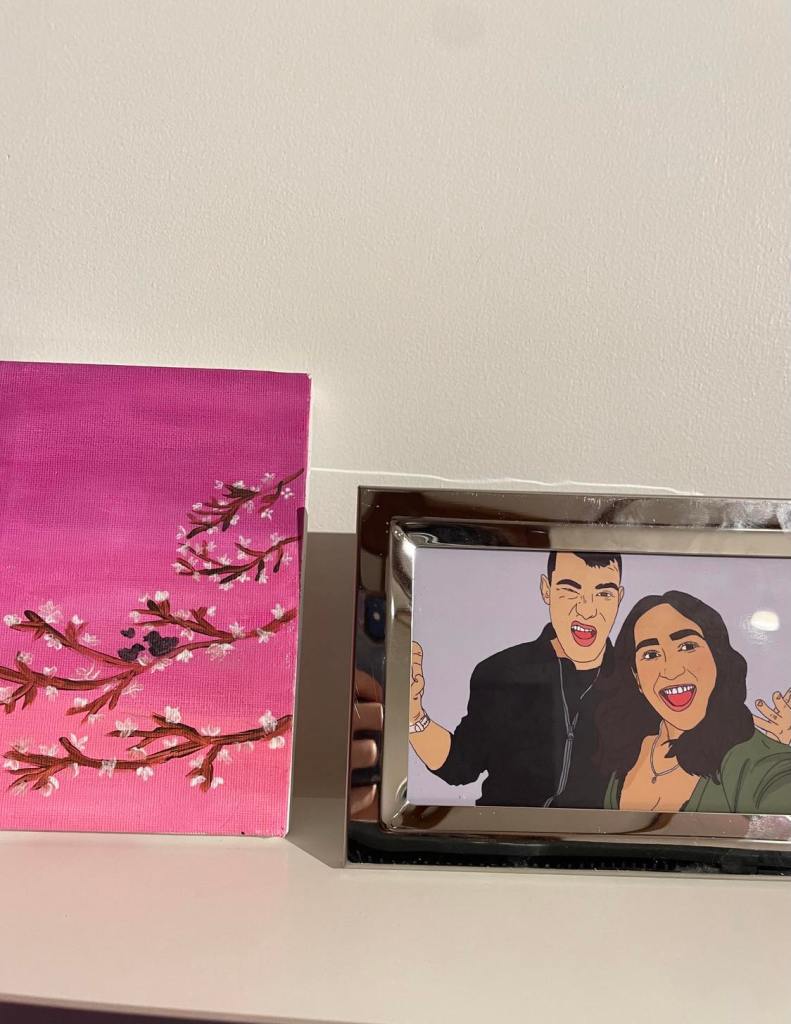

Like Steve Jobs, I’m incredibly proud of the things I’ve said “no” to. Like saying “no” to continuing TheMastermindSite when it ran its course. Or saying “no” to continuing as the Technical Director of a soccer club when it ran its course. Even sadly, saying goodbye to my favourite ever team or the kids at my previous job. Saying “NO” to so many things! But I’m so proud of the times I’ve said “yes” too, including moving to Cambridge and then later North Vancouver, without much thought. And actually, every single time I’ve said a profound and life-changing “no”, it’s only came as a result of a previous “yes”.
So while the art of saying “no” inevitably breeds success, the art of saying “yes” might just be one of the most underrated skills. And not to be a Steve Jobs major-time fence-sitter, but especially if you can recognize when to say “yes” and when to say “no”.
Sometimes it’s about where you go in life. But sometimes it’s also about where you don’t go in life, in pursuit of a new “yes”.

Thanks for reading and see you soon!








 Rhys Desmond