
It’s been over a year, and Doja Cat’s Paint The Town Red still hits so hard.
Unequivocally, the part that hits the hardest: “B, I said what I said.”
Doja Cat’s words are utterly inspiring, even if coming with severe angry girl energy.
For me, there’s something truly powerful about speaking what you actually think into existence. For one, you often learn about yourself. Actually, I’d estimate that you gain six-times the insight into the actualities of your actual thoughts.
For another, you give others the chance of resonating with your words, whether that’s used as a learning experience or simply an ‘Oh dang, me too!’.
So as I go through the process of identifying my next coach, I wanted to share my thoughts about what I’m looking for in the perfect fit for the job. Classically, as one does, I wrote an entire article in my head while swimming in a pool today. Now I know six-times more. Thanks Doja Cat.
RISK-TAKING WITHIN SAFE BOUNDS
Historically, I’ve been an injury-prone athlete. One minor tweak often leads to a completely different major twinge. Especially, but obviously, when stressed at work and lacking the essentials to recovery outlined here.
To the credit of my previous coach, I went an entire year without any major injuries popping up. It was all safe and games, and that’s not a typo. I wasn’t running all that much and everything was kept at the safest minimum.
At this point in my running career, I know that I respond best when a little more moderate intensity is structured into my training. Trust me, I have magical foresight. For example, when I can do a 10-minute tempo or 12-minute threshold hill effort within the bounds of an easy run. When I can do strides and hill strides, and consistent speed work, then take the next day truly easy.
But when structuring this for myself, I’ll often do too much at these higher intensities, in moments when I don’t have enough time to recover.
Having a coach again, I want to take calculated risks with my training to push higher intensities or volumes in the safest structure possible, accumulating these training stimuli at the right moments in the season.
This leads me to my new favourite dichotomy: Le Fun vs. Le Duh.
I first presented this dilemma in a recent post on race recovery periods.
My idea is that I want to continue to prioritize Le Fun, but do so at the right moments in the season, so that I stop myself from having as many Le Duh moments. Le Duh!
Most notably, I want to work closely with a coach on the structure of my racing season next year. Specifically, how to best prepare for the National Championships in Quebec, this time in early July.
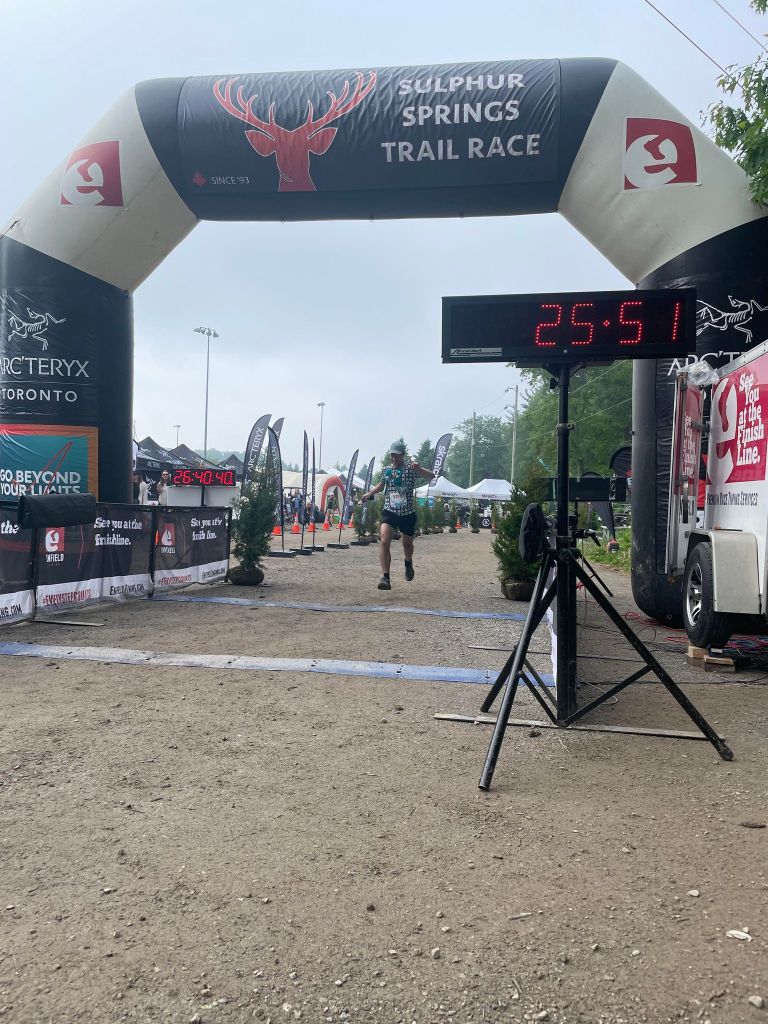
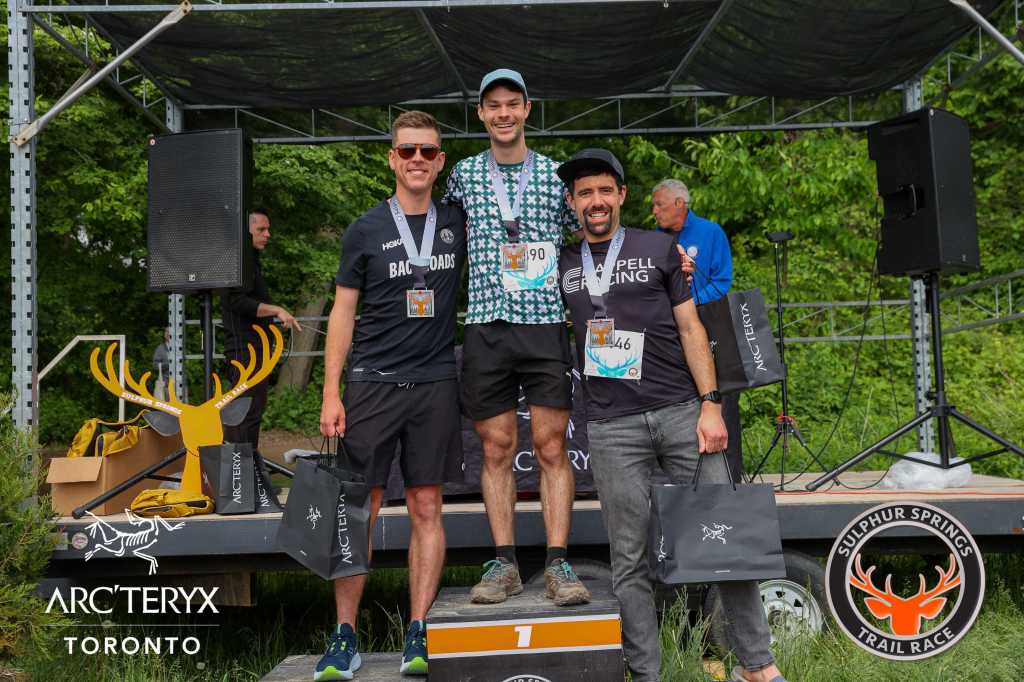
I want to do Zegama, and that might be both Le Fun and a great tune-up, as a shorter mountain race about a month-out. Or it might be a catastrophic idea, causing greater recovery time when I could be developing speed. Speaking of speed, maybe a fast race like what I did this year – racing Sulphur Springs’ 20K – would be perfect. Maybe it’s a Quebec mountain race like Trail du Coureur des Bois de Duchesnay. Maybe it’s a race with a shorter title. Maybe it’s Maybelline. Maybe it’s nothing at all.
It’s early days and this year involved a bit of a fluke injury to set me up for more to overcome than desired. But indications would suggest that I’m probably not the type of athlete to get away with over-racing. Le Duh! I take a bit of time to recover from races, and even when doing all the right things from a supremely smart perspective, still manage to pick up some sort of strange issue that I have no choice but to attach Timothée Chalamet’s name to. I had no choice, really.
Do you have any recent examples of this, Rhys?! Certainly, I do! And here’s a side of fries with that.
I took an entire week off after Squamish, prioritizing being able to run again the moment I stepped foot in La Malbaie for UTHC. I tried to ensure my body was fully ready to return with a little test run and a bite-sized uphill treadmill run prior to leaving. Smart!
All systems appeared to be in order. My knee seemed to be responding well, and so I resumed normal training. Inevitably, the next two days, I ran 2.5 hours on technical trails. Each run not only had over 1,000m of climbing, but incorporated several muscle patterns and movements that I might not have been ready for on my first two actual runs back. I felt really good on the second run, and thought I’d cured my knee problem forever. It came back the very next day. I should have known! Le Duh!
Le Fun is thinking that even though it’s my first real run back, that it will be fun to run in Mestachibo, shuffling across just about the most demanding and challenging terrain possible. Le Fun!
Le Duh is stopping myself and saying – maybe it makes sense to just do a 45-minute flat run on a rail trail, take the next day off, and then do the same two days later. Then, if it works, I can run on technical trails after.
This is why a coach is helpful. They can stop you from having Le Duh moments, by prioritizing Le Fun at the right moments. Le Duh!
RACE-SPECIFIC TRAINING
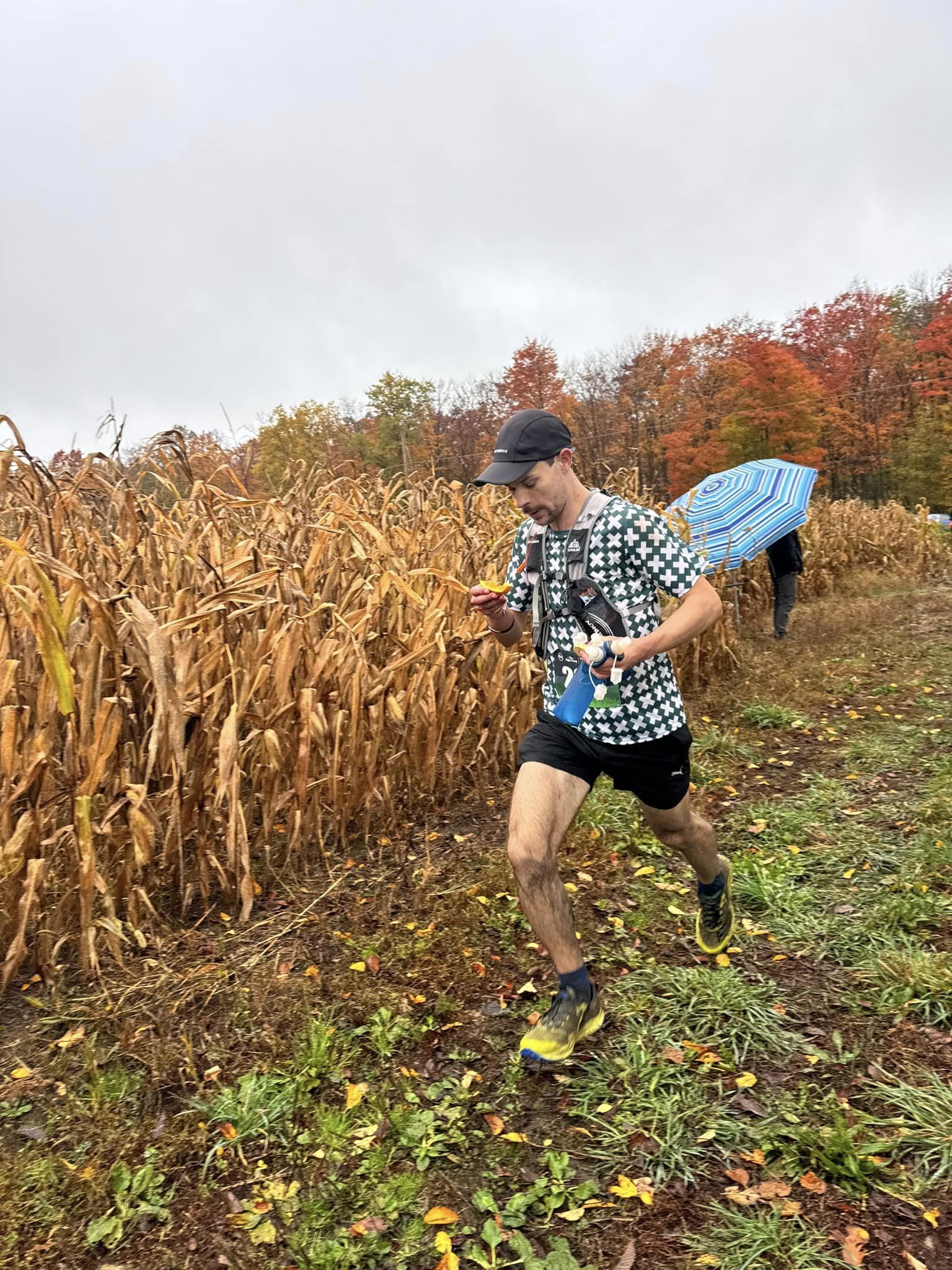
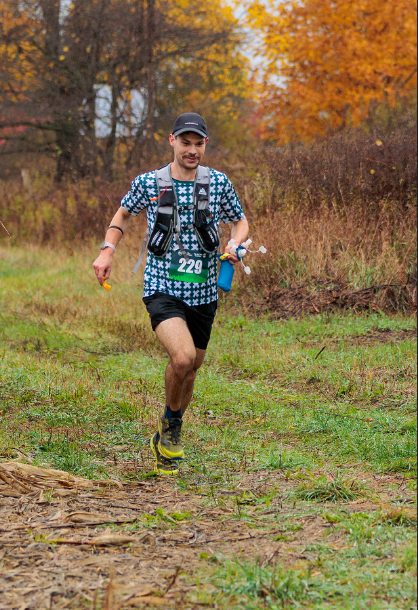
I’m a big proponent of race-specific training, coming from a background adopting and teaching games-based learning in other sports.
There’s a common thought in the ultra world that speed is speed, and you don’t need to do race-specific training until closer to your event.
I can absolutely exist within an approach that works to develop my speed and focuses on race-specifics closer to an event. But I will always have the most fun (Le Fun!) doing the most race-specific workouts and long runs in the build-up to an event. I’m also going to be better prepared than the vast majority of my competitors, having prepared for the specifics of the race unlike anyone else.
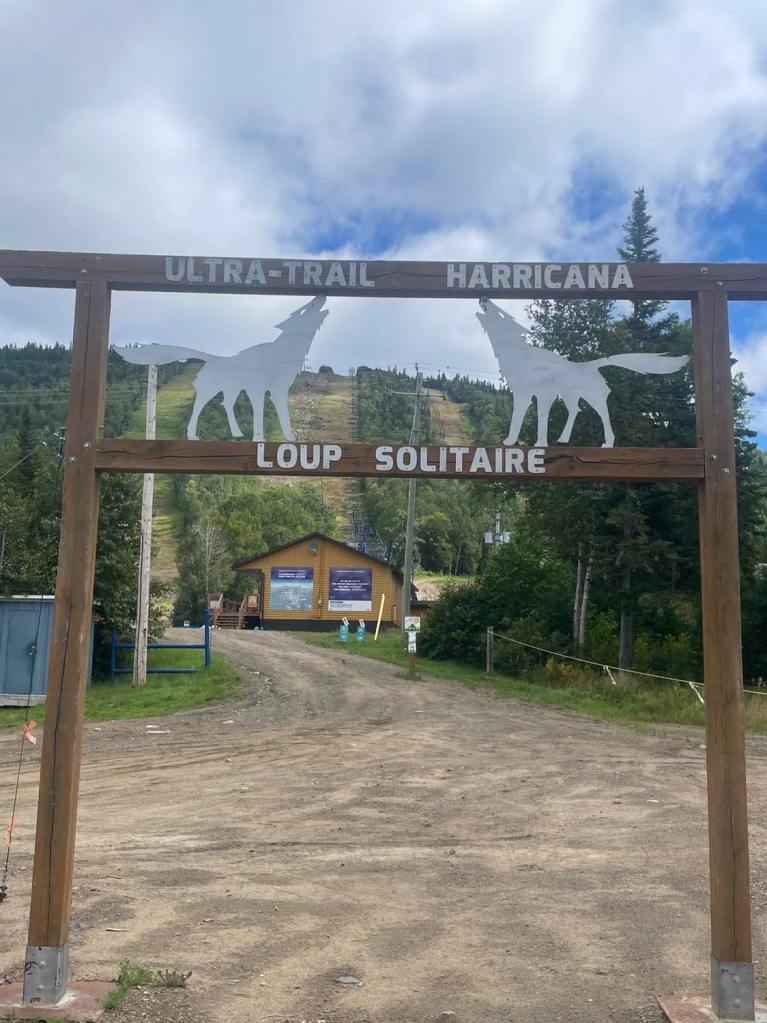
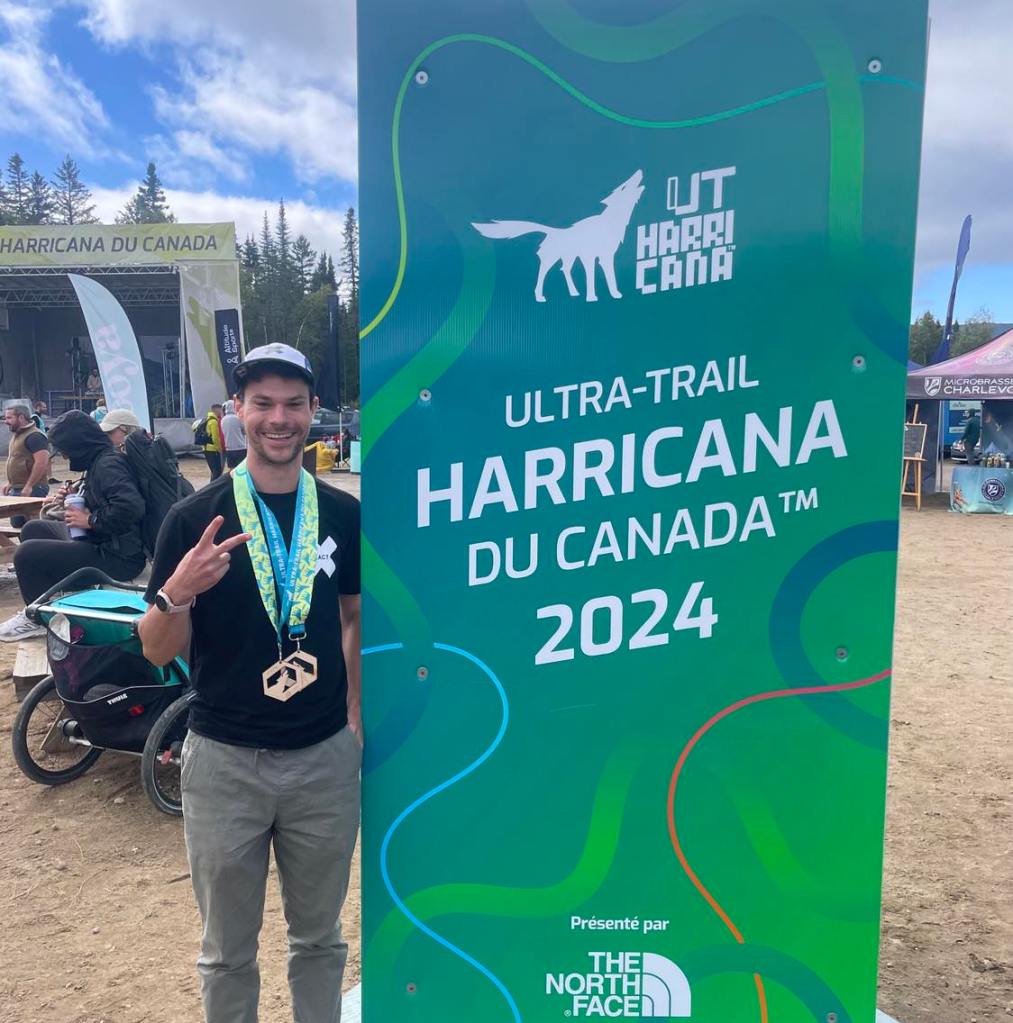
This is where I can get my advantages, as someone who is not the most gifted runner in any field. I’m strong, skillful, and smart, and that’s why I do well in these races. Most of my success comes from knowing the course really well, and having developed enough race-specific strength and muscle memory. So what’s still left on the cutting room floor?
The cutting edge speed. Le Duh!
But I don’t want that cutting edge speed to come at a sacrifice of race-specific training or trail time. Yes, I need to run more on flatter ground and develop my speed. But I would always want an emphasis on trail time and race-specific training to remain a focus.
My first two races of 2025 are two incredibly runnable ones – Black Canyon 50K and Gorge Waterfalls 50K. I’m not going to be the fittest, fastest person in the field. I’m not going to win. BUT, I can be the smartest person in the field, and the best prepared, giving me the best shot at performing well. If I can develop my speed on top of that, I’ll have a better shot at performing well too.
SPEED WORK / CROSS-TRAINING
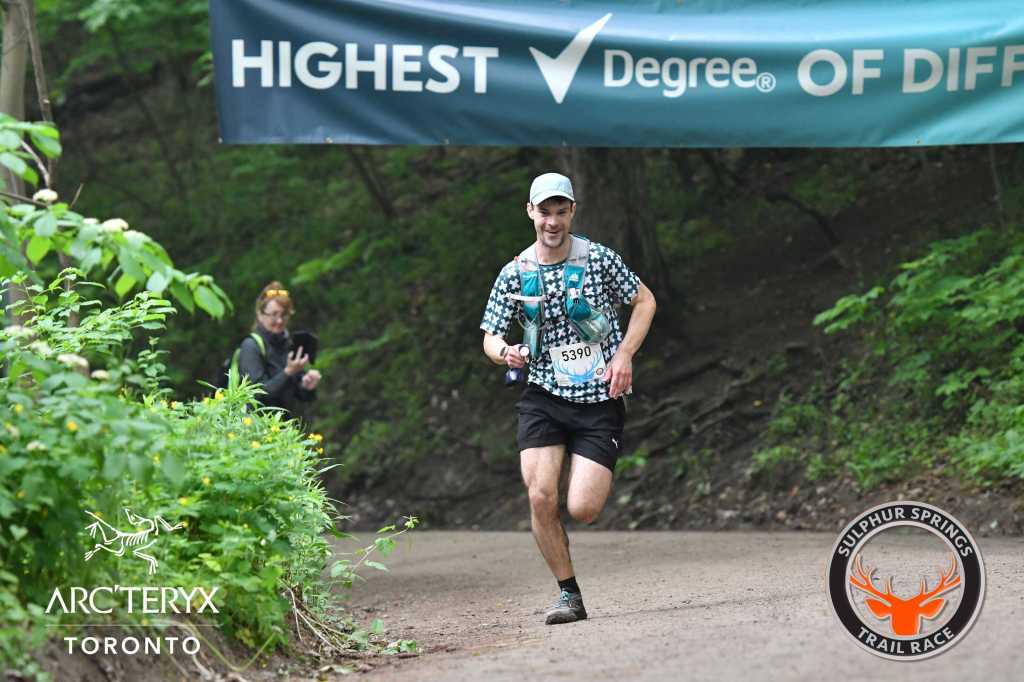
With that, I need someone that can help me develop my Nascar F1 racing speed. Cue the choruses of how lucky I am to even be this fast, but my top-end speed has never been particularly high. Track was my worst artform of the sport, and I did much better at cross country when some hills, racing tactics, and strength were added into the mix over longer distances. My top 10K time came at the 2016 CIS National Cross Country Championships, where I ran a blistering fast 34:20 only to finish 112th or something, about 100 places behind the guys that I’d now, almost ten years later, need to compete against for a spot on the Canadian team someday.
A pure downhill race aside (can someone please invent this?), I’m not challenging for a win at any race the size of Quebec or Squamish. Yet.
You see, I want to develop that speed. I want to develop the ability to surpass my best times in the 5K, 10K and half-marathon, recognizing that the speed will translate into better performances on runnable 50K’s like Black Canyon and Gorge.
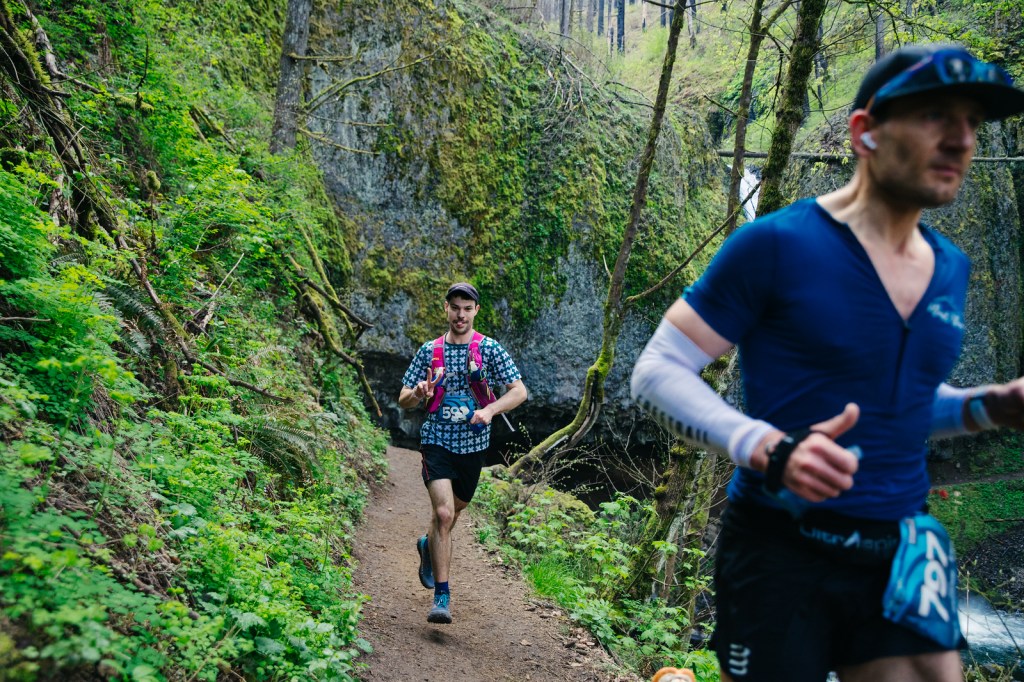
When injured and dealing with the cold Canadian winters, I also want to have someone help me structure cross-training or treadhills, in a way that will directly apply to what I need in that moment of the season.
I mean at risk of over-branding myself, I exist as a professional athlete in this sport. I also follow the training and racing of a lot of other professionals in this sport. So, I can confidently say that inside that top 1-2% on UTMB and ITRA, I am slower than 99% of them. I outperform a good number of them, and I’ll always credit race-day strategy and a clear knowledge of how to use sections of races to my advantage. But I don’t have raw speed like any of them. I have the strength. I have the skill. I have the smarts. I need to add the speed. This is what I want to develop into 2025: becoming not just a great trail or mountain runner, but a great runner. Period end point.
COMMUNICATION / EFFORT
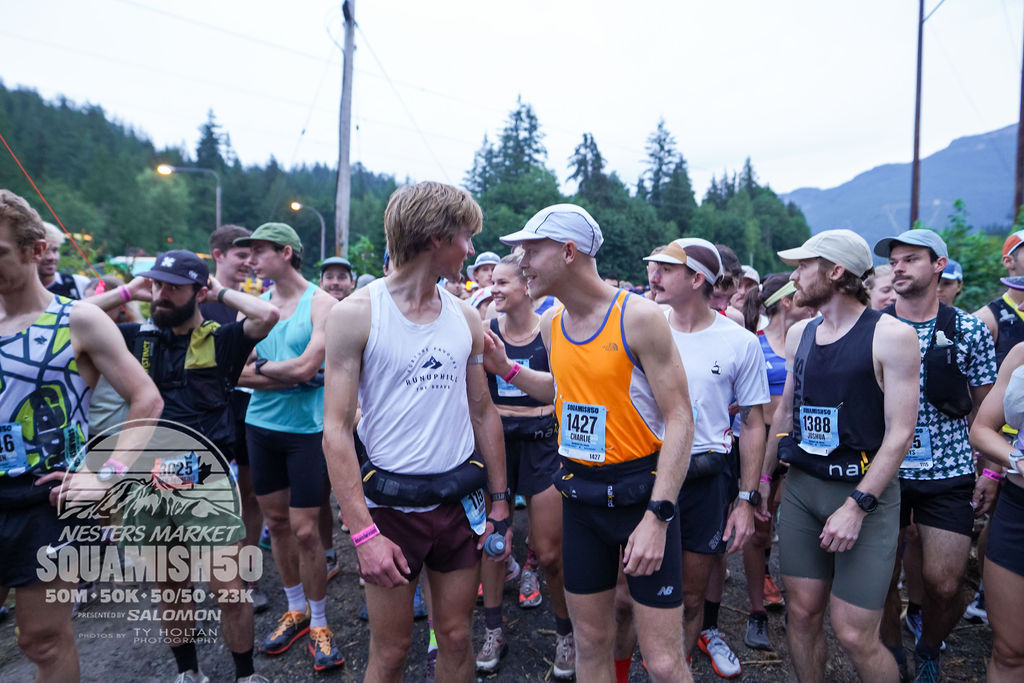
Trail running coaches are hella expensive. If they’re going to be hella expensive, I need to feel like the effort is being put in and that communication is high. It’s impossible for a coach to constantly check-in on the multitude of athletes they might have. But I still want to feel like a priority in my coach’s life, and like they are available to make training adjustments as needed.
If feedback is fairly minimal and the training plan incorporates very little specifics of what I should be doing on the day, I might as well continue coaching myself. And, actually, I’m free too.
I also need to feel like I have a certain amount of trust that what they’re putting together for me actually directly applies to me rather than a cookie-cutter approach, and that they know my strengths and weaknesses just as well as I do. I’ve struggled to fully trust a few coaches in the past, because I study my own metrics relentlessly and notice when the trajectory goes downward.
I recognize that you sometimes need to get slower to get faster in this sport, but if I’m just getting slower and never getting faster, I will recognize it. I will notice the differences. Both the good and the bad. This time around, it’s essential that I have that trust right from the start, so that I continue sticking by the process when the trajectory inevitably starts to take a tailwind.
Finally, I also want to have some small sense of collaboration, taking into account some of these desires outlined here. I’d want my coach to have free reign to make the plan how they see fit, but if it can incorporate some bare minimums like speed work, good overall volume and substantial trail time, I’ll be more likely to trust the process.
With that, I said what I said. Thanks for reading what I said, and if for whatever reason you think you’re the coach for me, reach out. See you soon!




 Rhys Desmond