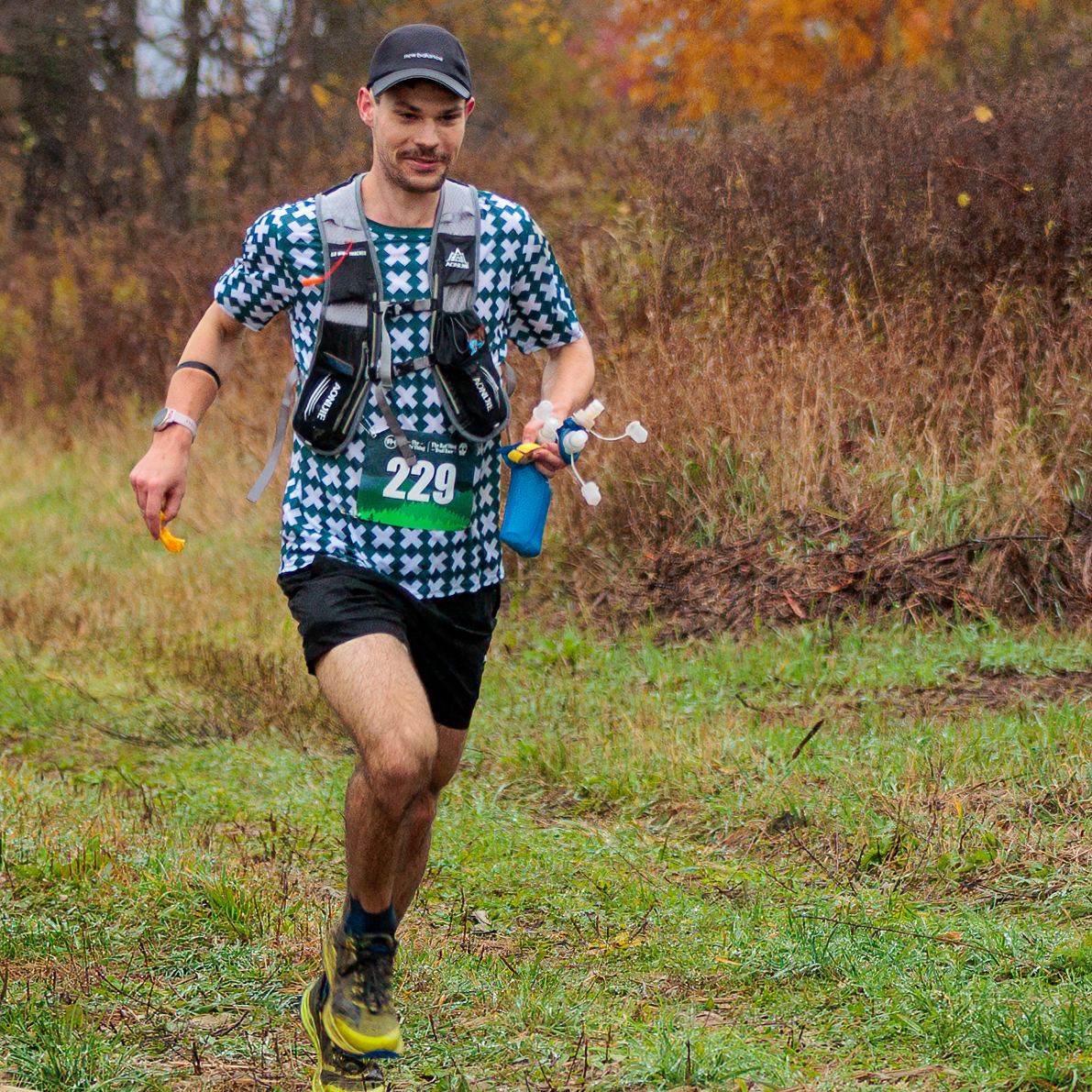

Let me tell you a secret.
I’ve worked with professional athletes across a few different sports now. (That’s not the secret).
There’s something that’s surprised me, fascinated me, and inspired me all at the same time. One singular thing. One singular thing that they all share in common. Every single one of them.
They all think they’re not good enough.
Yes, even professional athletes, who are at the top 1% in their sport, who make a living to be good at sports, think that they’re not good enough.
They’re constantly comparing themselves to their peers. They’re constantly wondering if they should move onto their back-up plan. They’re only even working with me in the first place because of that one key thing: they don’t think they’re good enough. Now it makes sense….oh.
It’s one thing to recognize your faults and endeavour to improve. It’s another to completely exist in a state of Imposter Syndrome where you are constantly comparing yourself to those around you and deeming yourself ‘not good enough’ in comparison to those others.
But here’s the thing:
Being the best is so, totally, overrated.
Nobody wants to be Goliath.
Being the David is so much more fun. Just ask David Roche.
It’s so much more fun to be someone that is really good, working toward being THEIR best. It’s so much more fun to have a really good race and surprise everyone in the field, than to have all the weight and expectations on your shoulders to win, because you already think that you are the best.
This is a mentality I’ve had from the start of my own journey on the trails, but one I’ve more closely adopted since April, following Gorge.
I’ve only ever approached two races in my career so far with outcome goals. These are the only two races that I have any sort of sense of disappointment.
I wanted to break the record at The Bad Thing. ❌
I wanted to podium at Gorge. ❌
This isn’t to say that you shouldn’t have outcome goals, especially if that is something that motivates you to be your best. But you need to be prepared for the reality of that goal not coming to fruition, and to find ways to still be happy with the result.
The Bad Thing was actually one of my better races. But I still carry some kind of slight feeling of thinking I could have done better. We’ve all heard me talk about my story from Gorge at this point. The best thing to happen to me on the trails, but could have definitely been better.
Here’s the thing though…
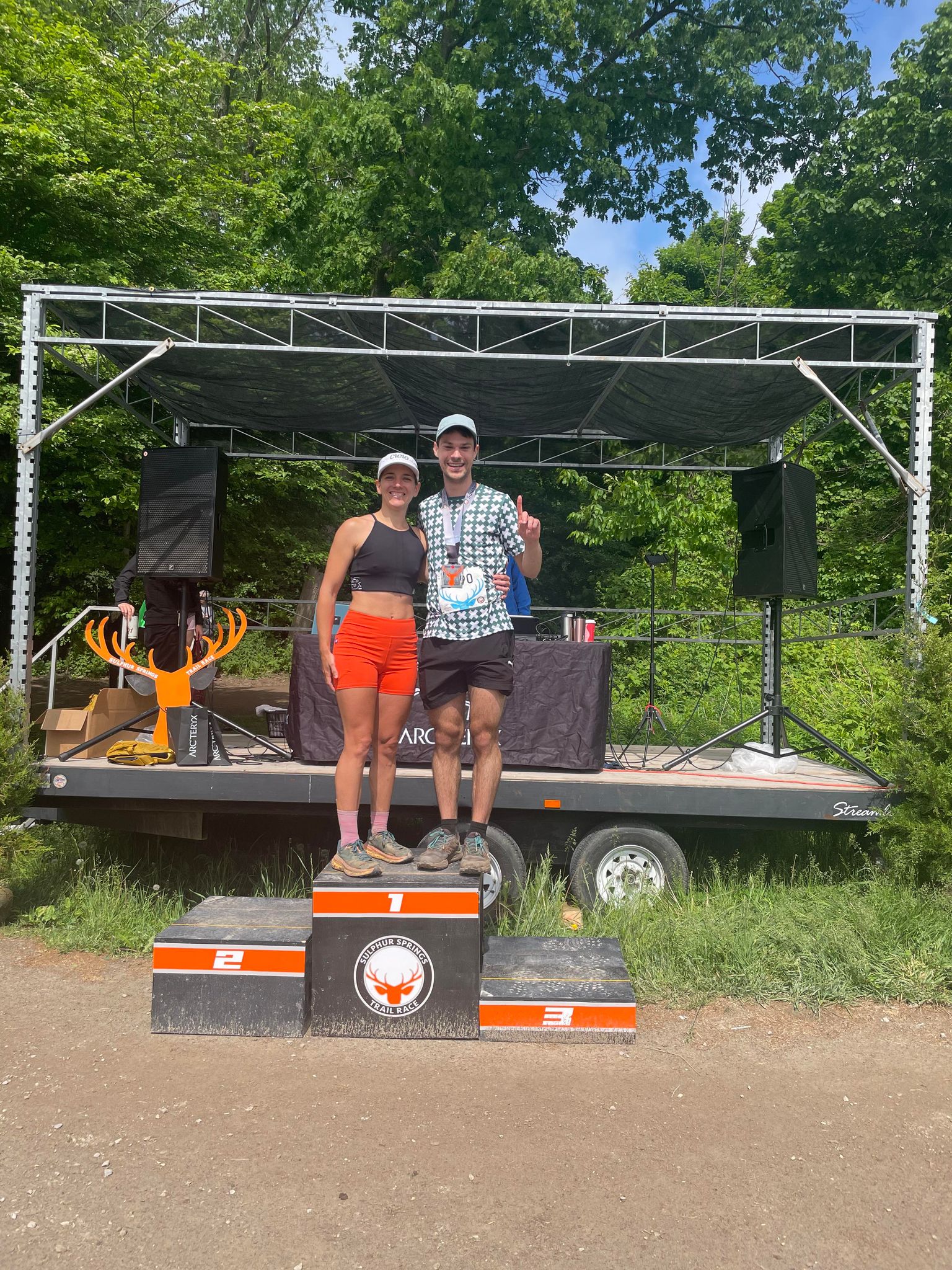
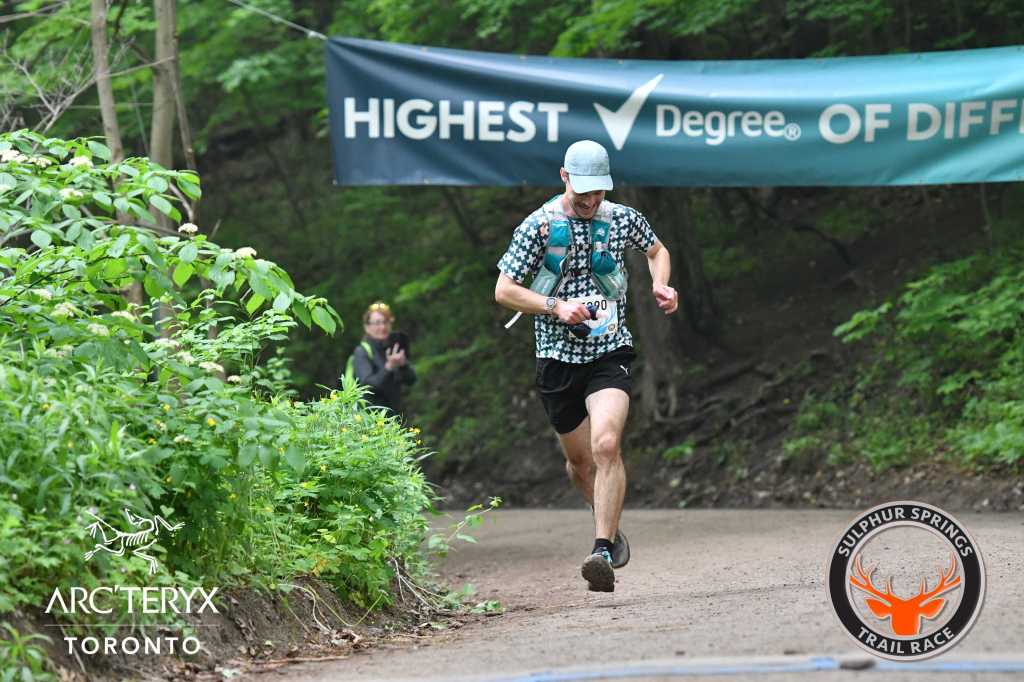
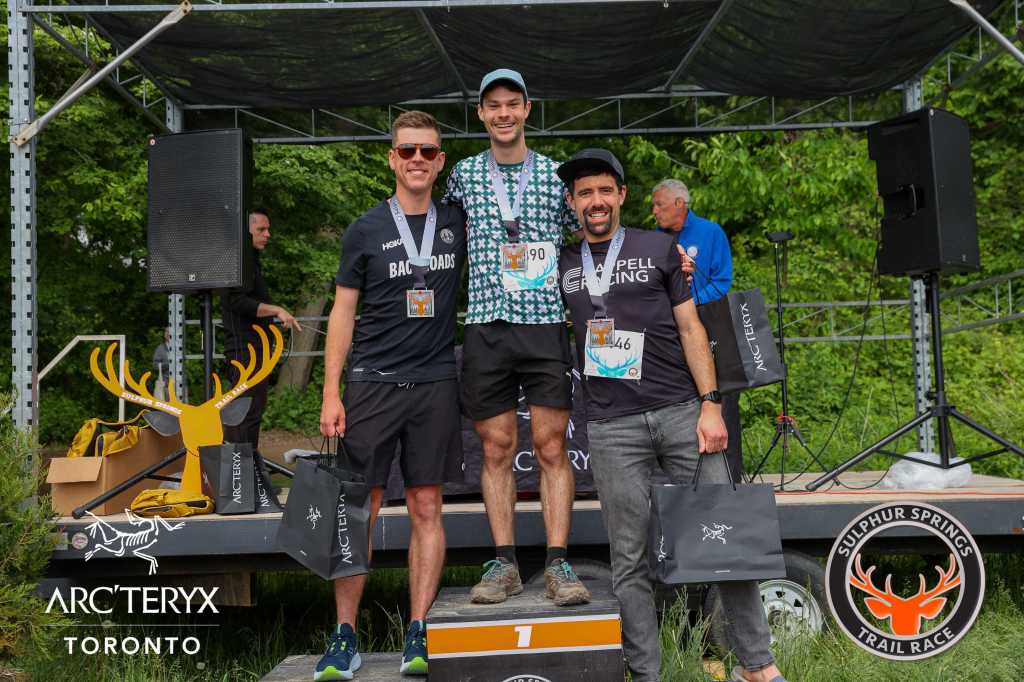
I’ve approached every other race with intentions of being smart, working hard, and having fun. When I finish and accomplish something amazing, whatever that ‘amazing’ feat is, from finishing 11th at Nationals to winning Sulphur, I have been so incredibly happy.
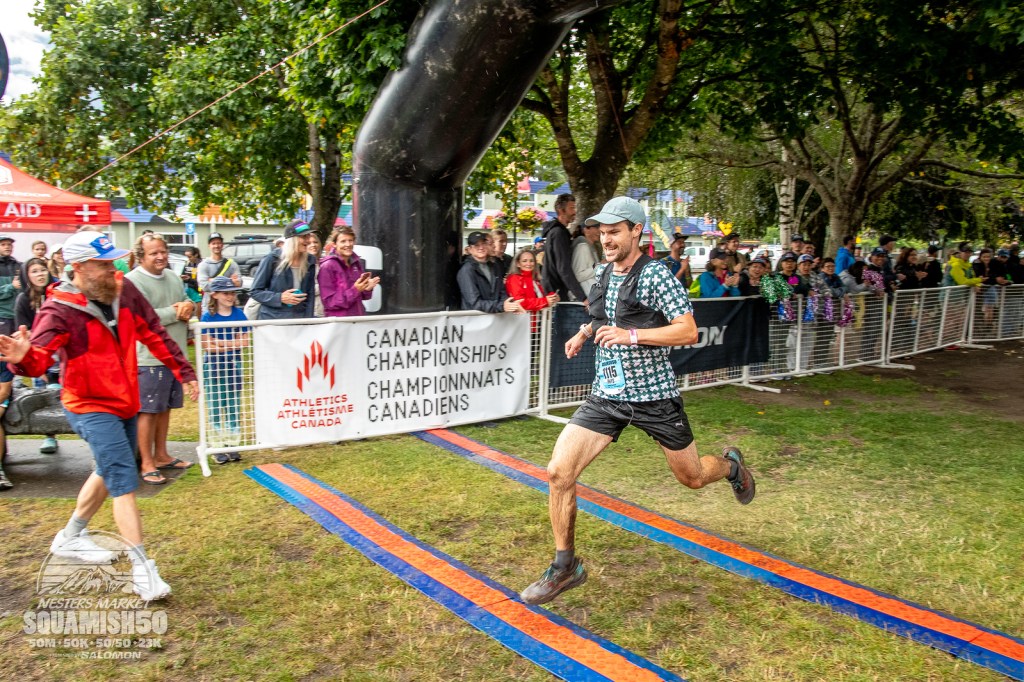
Through that lens, it can be so fun to see what happens, and to see what comes of the day, with zero expectation on the result.
Ultras are so fascinating, in that anything can go wrong at any given moment. The compounding variables can combine in ways that you’d never expect. This leaves so much more margin for error, and so much more capacity for the smartest fast person in the field to win, rather than the fastest fast person in the field.
Hyper-focusing on all that could go wrong and worrying about all of the variables before the start-line is a sure-fire sign that your setting yourself up for lofty expectations. After all, it’s an ultra. Something is bound to go wrong. Sometimes, everything can go wrong. You can still finish. You can still have a day worth celebrating.
When it comes to my own journey on the trails, one of the most powerful psychological feats that I’ve accomplished this year is in completely doing away with Imposter Syndrome since Gorge.
Again, I came into Gorge with ambitions. I wanted to podium in the race, or at least come top five. Knowing that under 4:10 would get on the podium, that’s also where I wanted to be. But even before the event began, travelling to a place I’d never been to before, and lining up with Chris Myers, Jared Forman, Sarah Biehl and Tara Fraga, I, yes even I, started to question whether or not I belonged.
I overshot my shot, and blew up.
Since then, I’ve had this steady acceptance of where I actually am. This, I think is the #1 way to overcome imposter syndrome. It’s a beautiful acceptance of where you actually are, so that your expectations are never dashed by lofty ambitions.
Going into Sulphur, I knew I could win the race. But I had no expectations on myself to win the race. Even when asked, I casually said that if there were fast guys in the field, I would be happy with whatever result comes. Fast guys were in the field, including 2x National Cross Country champion Aaron Hendrikx.
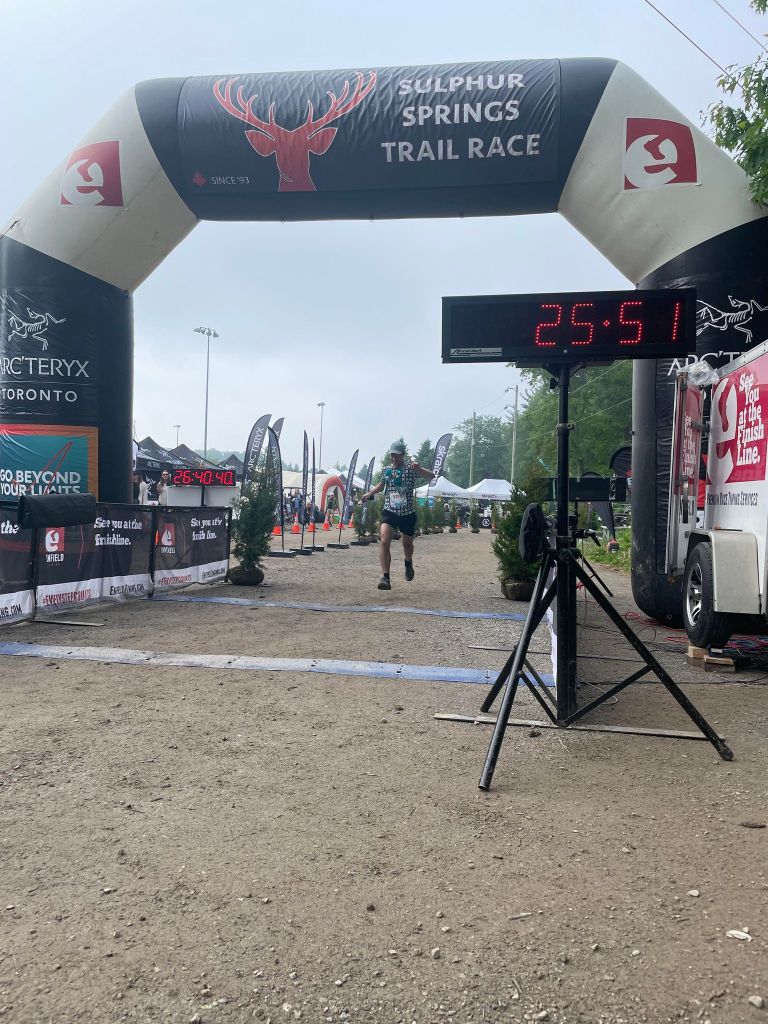
I won. I surpassed my own expectations, because I never set the expectation of winning, even though it was something I knew I could do. I played it smart, worked hard, and had a ton of fun. Way more important than the win, if you ask me.
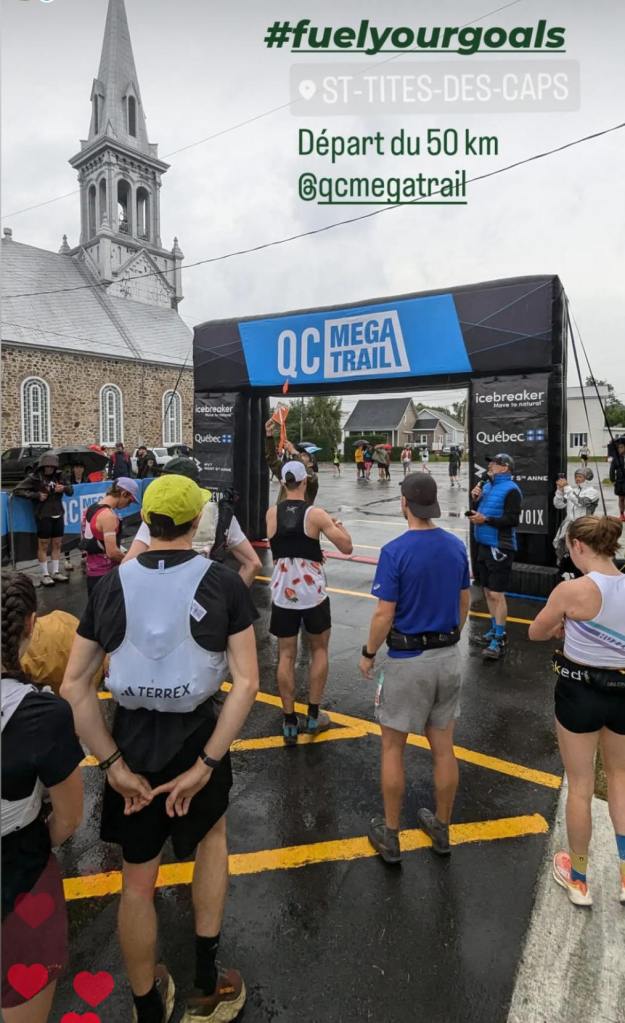
Going into QMT, I knew that there were three men that would be better than me if they had their day. Those three men all went under the previous course record (for that specific map) and were utterly unbeatable. I knew that my best day was a fourth-place finish, and adjusted my goals as I picked up an early injury in the race to adjust expectations. From there, I played it smart, worked hard, and had fun. In the end, I couldn’t have been happier with a 7th place finish.
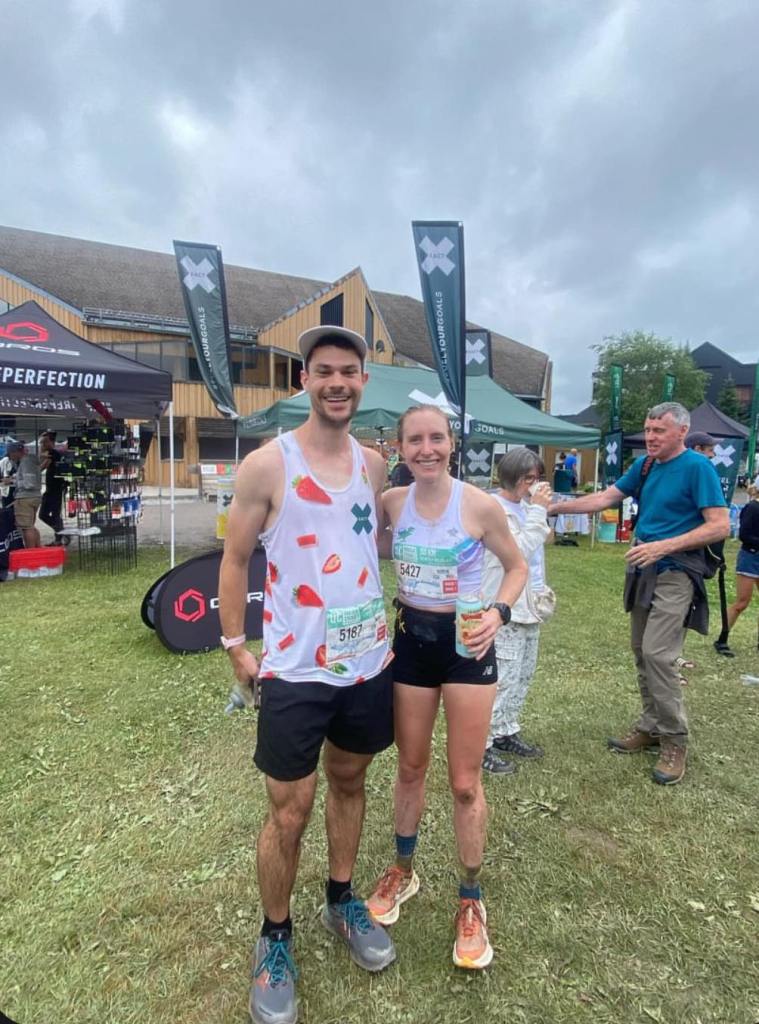
Going into Squamish, I knew that there were at least ten men who were better than me. I played it smart, worked hard, and had fun. I finished 11th male, and spent the next few days on cloud nine.
Going into the Mountain Running Championships next month, I’m part of a fifty-name list of elite male athletes.


As a random guess out of left-field that is bound in no empirical evidence, I might be the 34th fastest on that list. If I come 33rd on the day, I’m going to be happy. If I finish even lower but do all the right things, I can still be happy.
Here’s why: I know that people are better than me. I can work to get better in the ways that I need to try and challenge them in the future, and I can continue to grow into my peak as a trail runner, recognizing that next year I will still only be 28. It’s not a defeatist mindset, but one that actually recognizes my own current ability at this moment in time when stacked up against the others.
Right now, I know exactly where I stand. And where I stand is something that I’m incredibly proud of. I don’t need to be the best on the day. If I can then surprise and finish in the top ten, I’ll be happy too. But if I finish 33rd and do everything in my power to be smart, work hard, and have fun, I’ll be incredibly happy.
Remember, every single professional athlete I’ve ever worked with has one thing in common:
They all think they’re not good enough.
At the start line next month, every single athlete is going to be thinking about that 50-name list and whether or not they can beat the fastest guys in the country and the two random David’s from the States. David always slays Goliath.
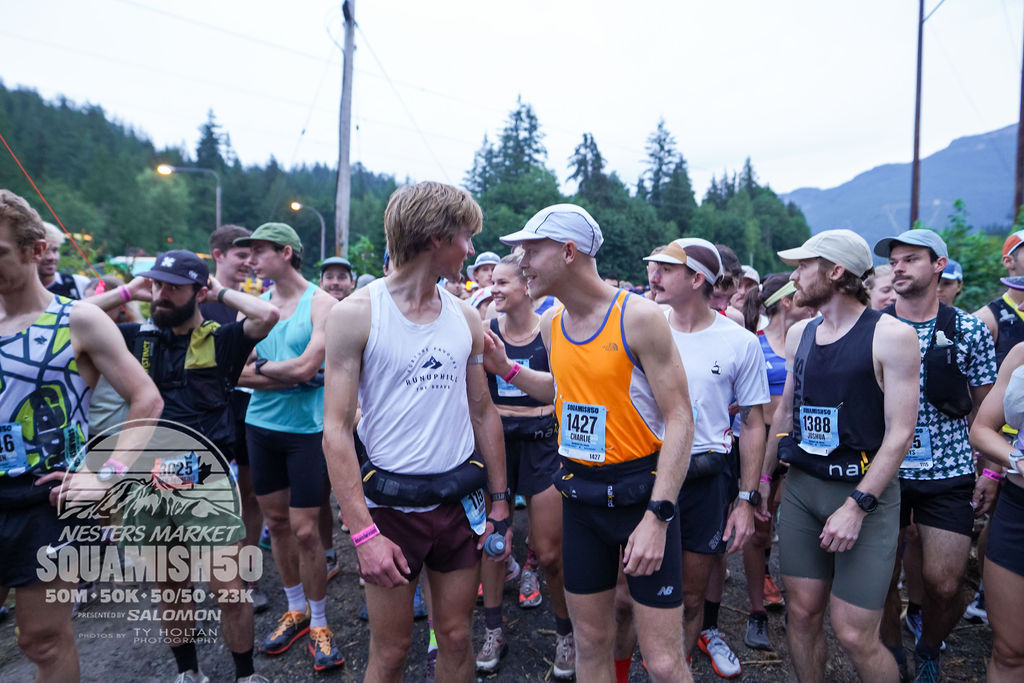
Every single one of them is going to feel like they’re not good enough to be there.
Except for at least one person.
Because I will just be excited to be there, on that start line, and I will endeavour to be smart, work hard and have fun. If I do that, it doesn’t matter where I finish. The result will be amazing no matter what.
Being the best is overrated. So why not be your best instead?
HIGH-PERFORMANCE COACHING
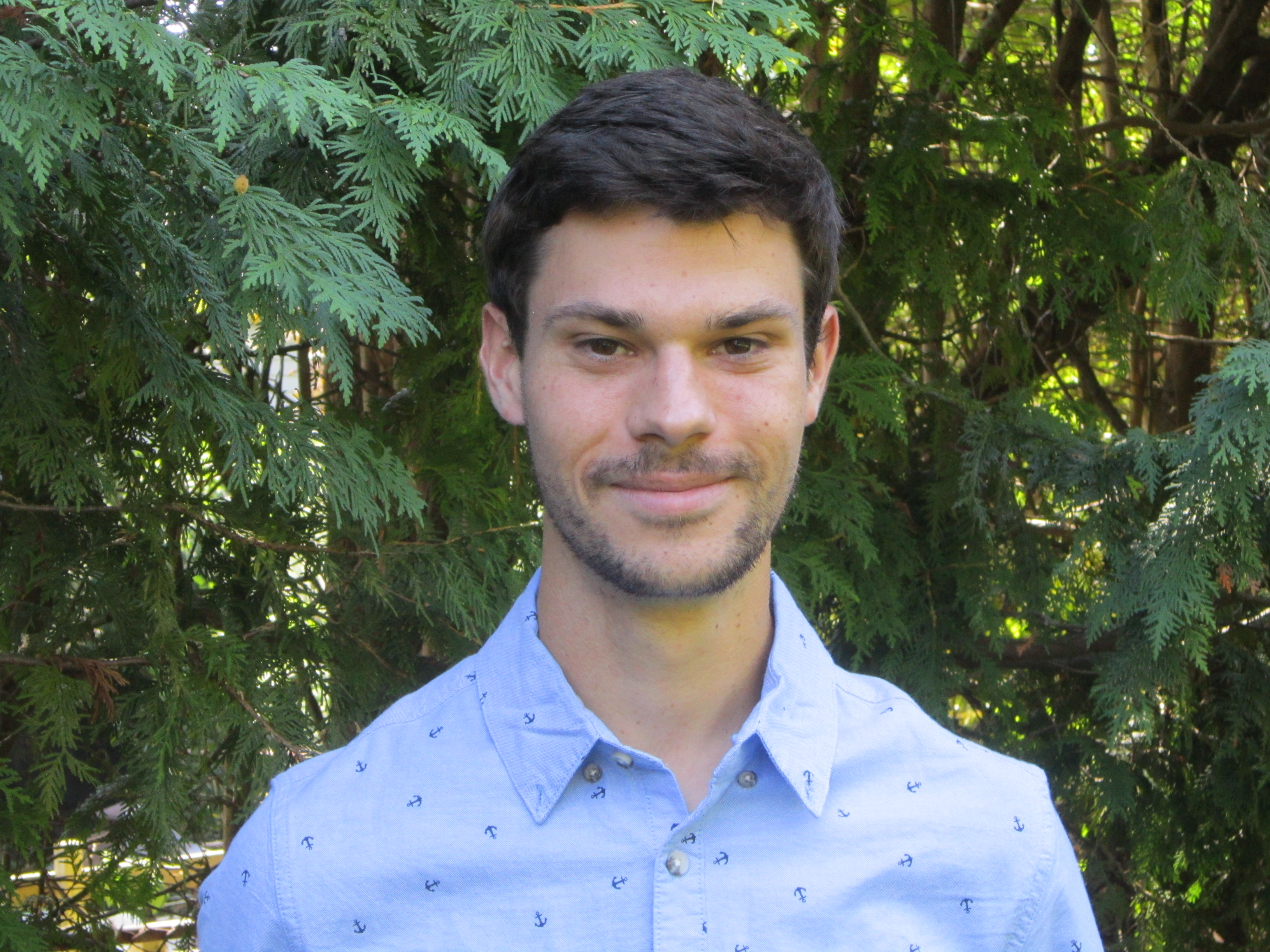
I work with athletes to help them overcome mental blocks and assess the high-end of performance across all areas of their sport. If you are interested in learning more about how I might be able to help you, you need to reach out now!






 Rhys Desmond