“Talking to myself because I am my own consultant.”
– Lil Wayne
The most competitive race of my career on the trails is now just 2 weeks away. I’ve done this entire block self-coached, and it’s been a long time since I’ve felt this fit and this confident with my running.
Like Lil’ Wayne, I’ve spent the past few weeks listening to myself. Listening to my body. Listening to what I know works for me. Listening to what I know I enjoy.
I’ve taken advice, gathered information and used a similar model to what Brett had me doing across the past year, but I’ve raised the bar for myself in new ways simply by putting more emphasis on the type of training that I enjoy.
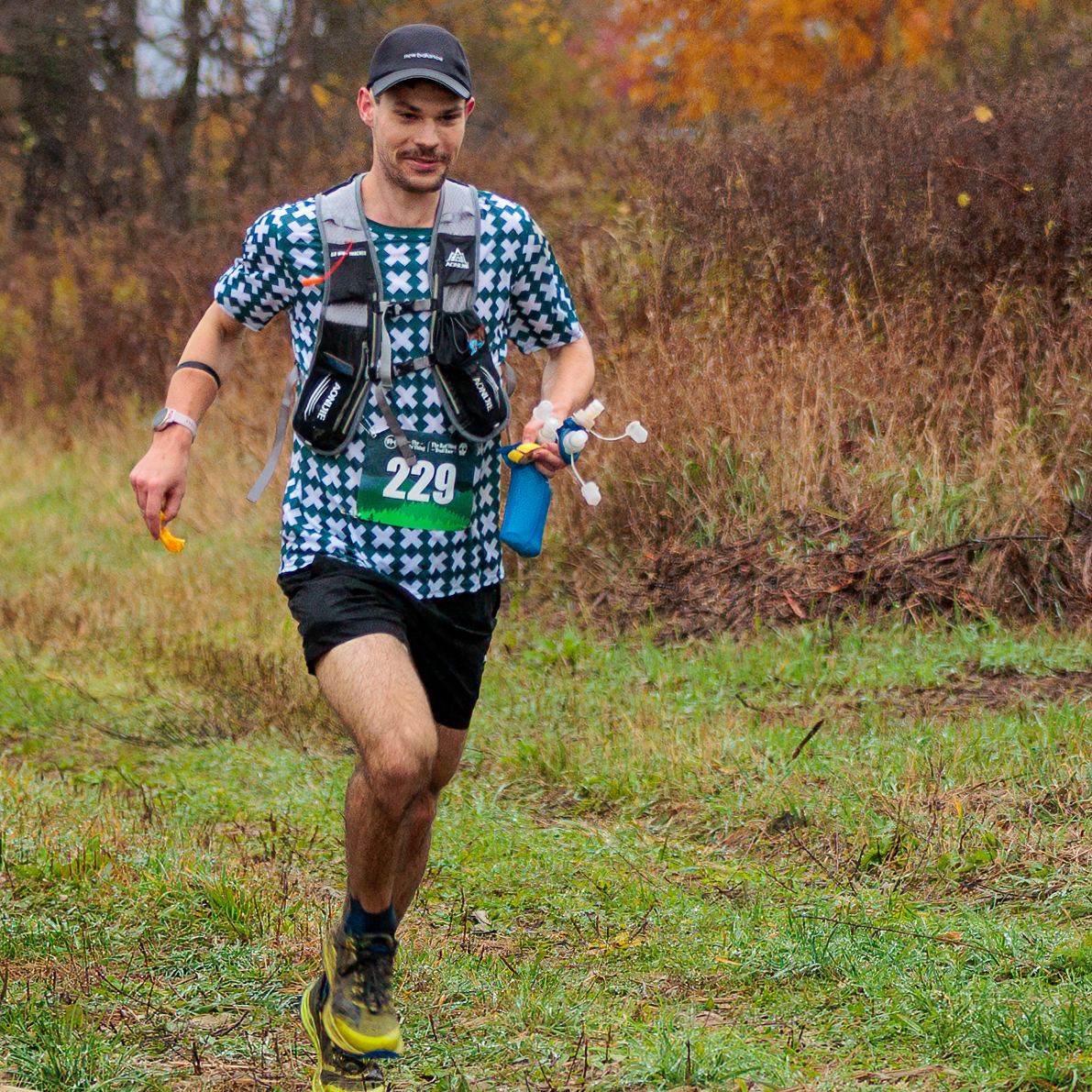
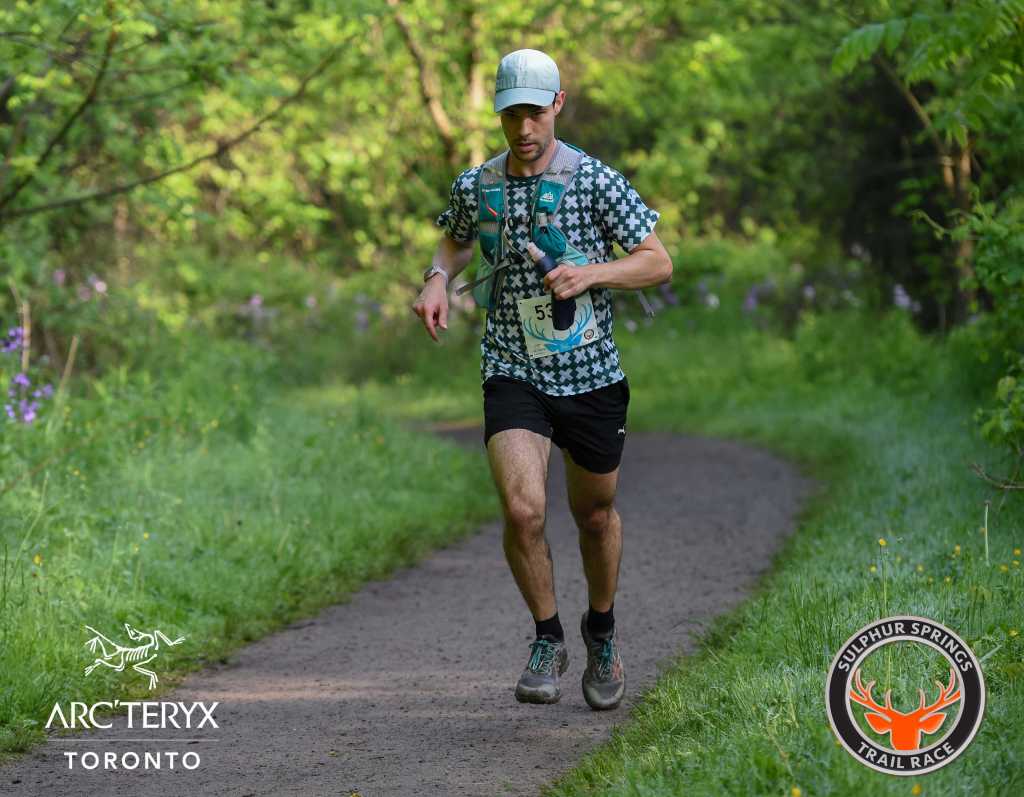
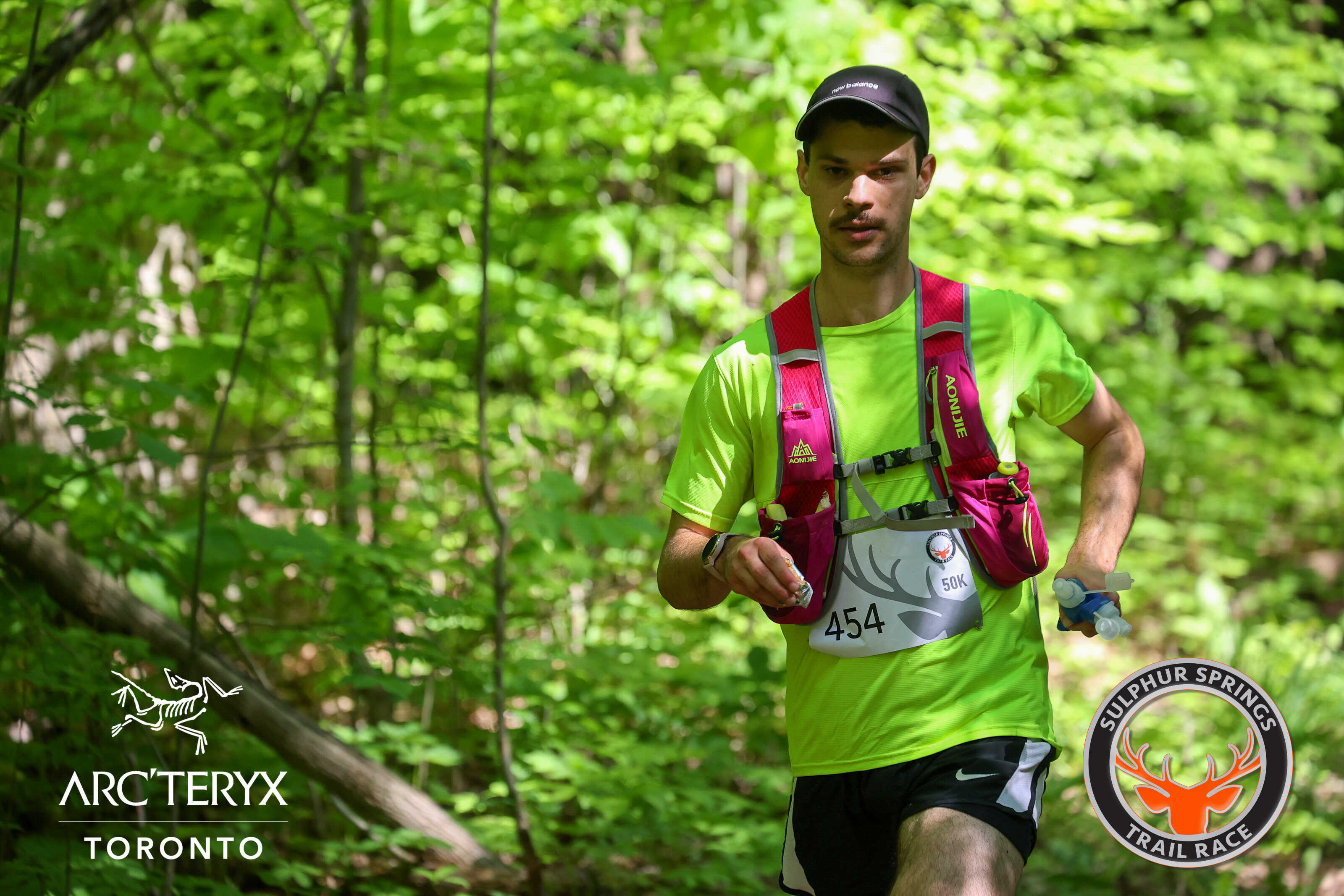
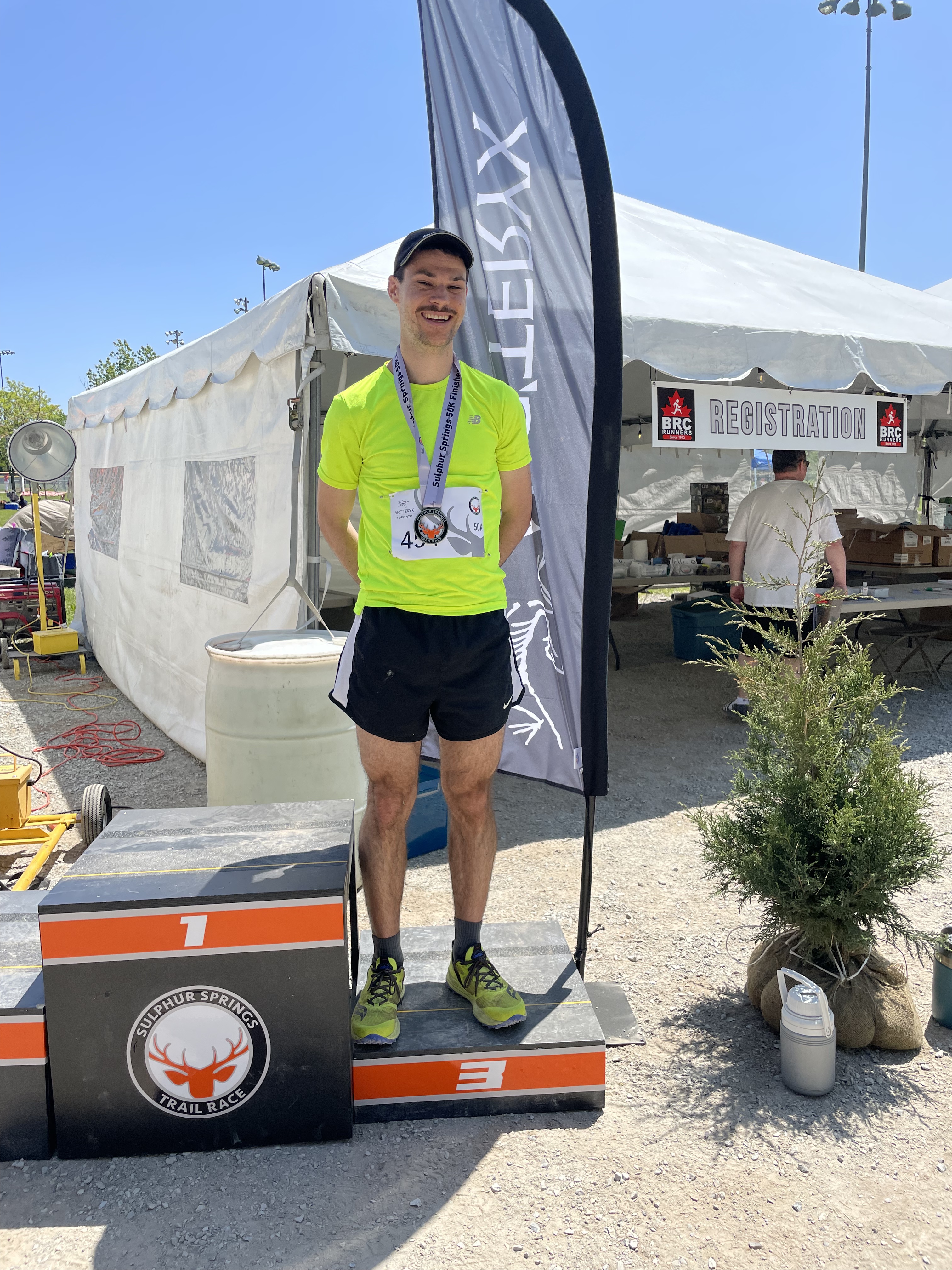
I’ve always been a bit stubborn with my training, wanting to do more than what’s prescribed of me. Perhaps in partial consequence, I’ve also battled a ton of injuries, never filling my full potential in the high school or university cross-country scene. I came into trail running knowing that it suited all my strengths, and then trained like a maniac to get fit fast for Sulphur Springs 50K in 2023.
Coming off injury, I was running less than what I wanted in that block, just at super high intensities. The plan would have been to run more at less intensity, under the guidance of a coach who could propel my career to the next level. I ended up running less at less intensity and could feel my trajectory going down rather than up. To Brett’s credit, I went an entire year under his guidance without a single injury.
He smoothly prioritized my long-term development and structured training in a way that allowed me to fulfill other commitments. But I wanted to run more. I wanted to run more on trails, have almost all the emphasis be on vert and technical terrain, and have my long-runs last longer.
In the build-up to Gorge Waterfalls 50K, the longest runs I did peaked just over 3-hours. I didn’t feel prepared to run a 4-5 hour race, but it didn’t feel like the priority. At the time, I was prioritizing other things (namely work and relationships). Three hours into the race (albeit carrying an injury), I couldn’t move my legs.
I had to tell my body for 20K to move my legs when they simply did not want to move. At 42k, I thought I stress fractured my shin. At 47k, I thought I’d given myself a heart-attack. My body wanted me to stop so badly that it was sending signals to anything that would listen (since I wouldn’t).
I somehow hobbled to 12th overall, 9th male, at to be fair, a super competitive 50K featuring at least five genuinely world-class athletes.
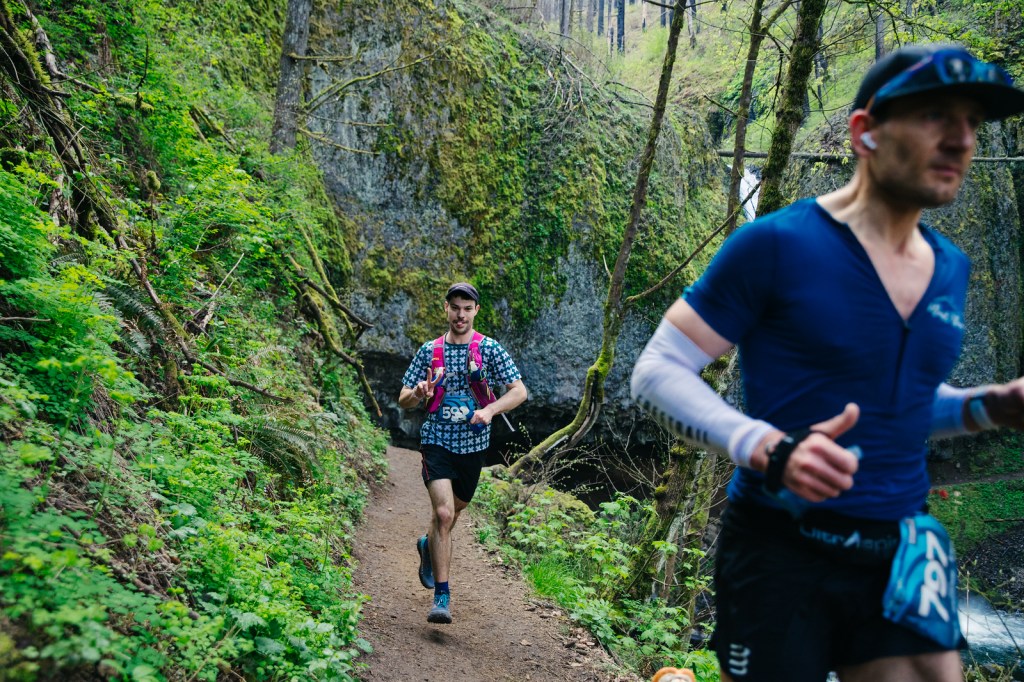
Wrecked. Absolutely wrecked. For four weeks.
I had Sulphur Springs 20K on the horizon and in the month post-Gorge, I hadn’t done any speed work outside.
Then everything clicked into place. My cyst went away the more I moved at low intensities, and I was able to get out for a weekend in Quebec the week before Sulphur Springs to finally kickstart my Quebec Mega Trail 50K training block.
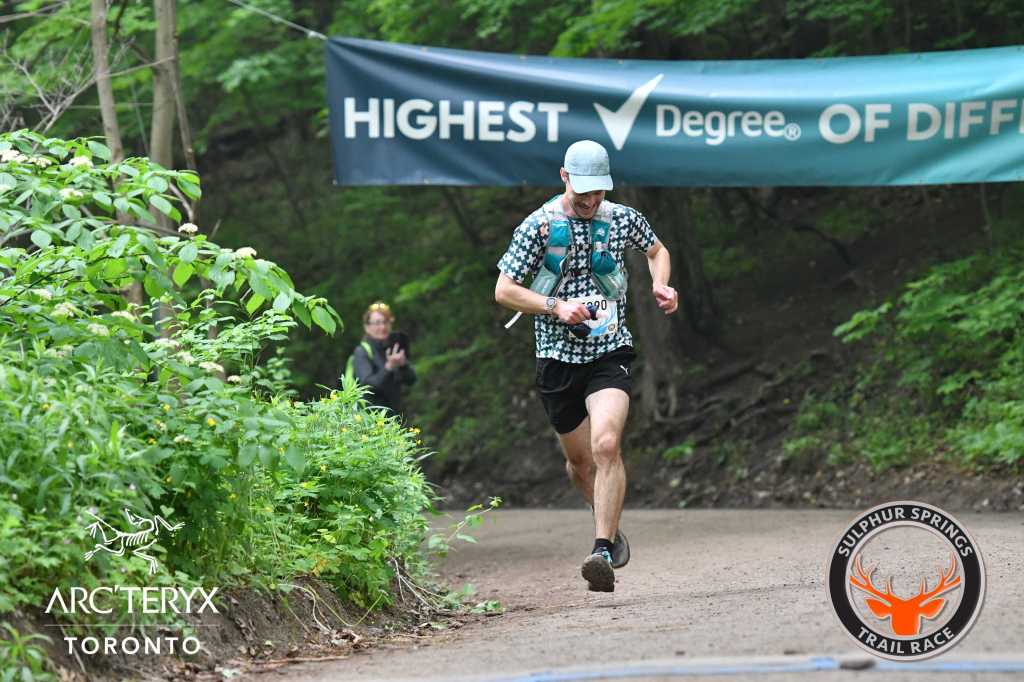
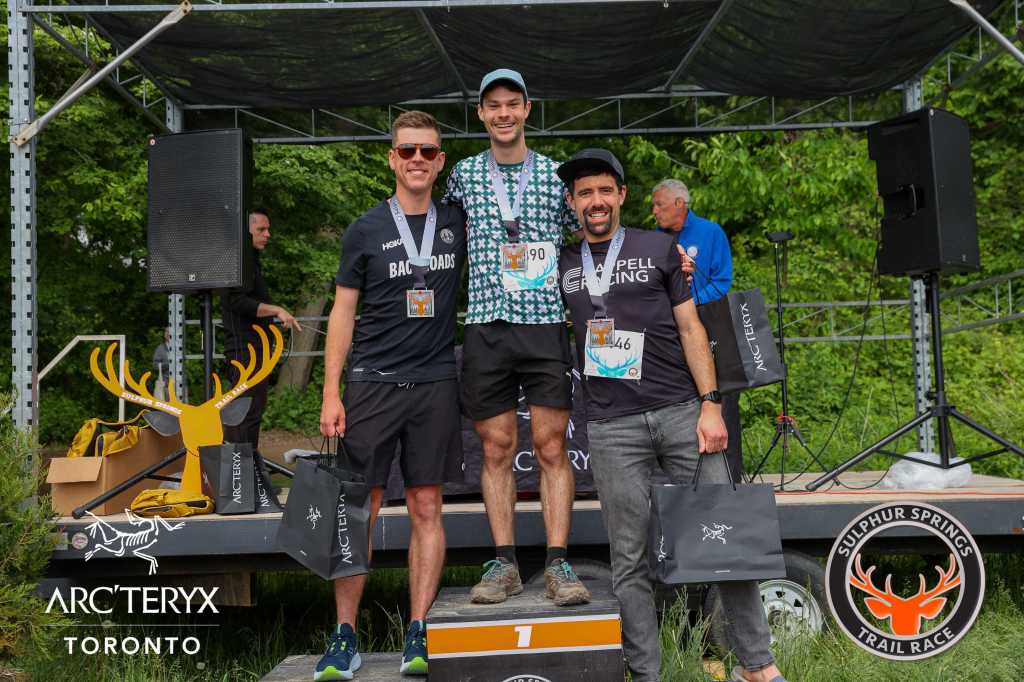
Since then, everything has been firing on all cylinders. Confidence hit the highs following the surprise result at Sulphur Springs 20K (personally, I credit the mud). Then I had four weeks of training to get accustomed to the demands of QMT.
My heart-rate’s been the lowest it’s been in over a year (not since Sulphur Springs 50K in May), and I’m smashing workouts again in times I didn’t know I could run. Better yet, I know that I’ve closely trained the demands of the race to the best of my ability. I’m sure there will be something on race day I simply wasn’t prepared for, but I feel more prepared for a race than I’ve been since my first dance on the trails – again Sulphur Springs 50K back in May 2023.
Here’s what’s worked for me ahead of QMT 50K this July…
1. QMT TRAINING WEEKEND CAMP
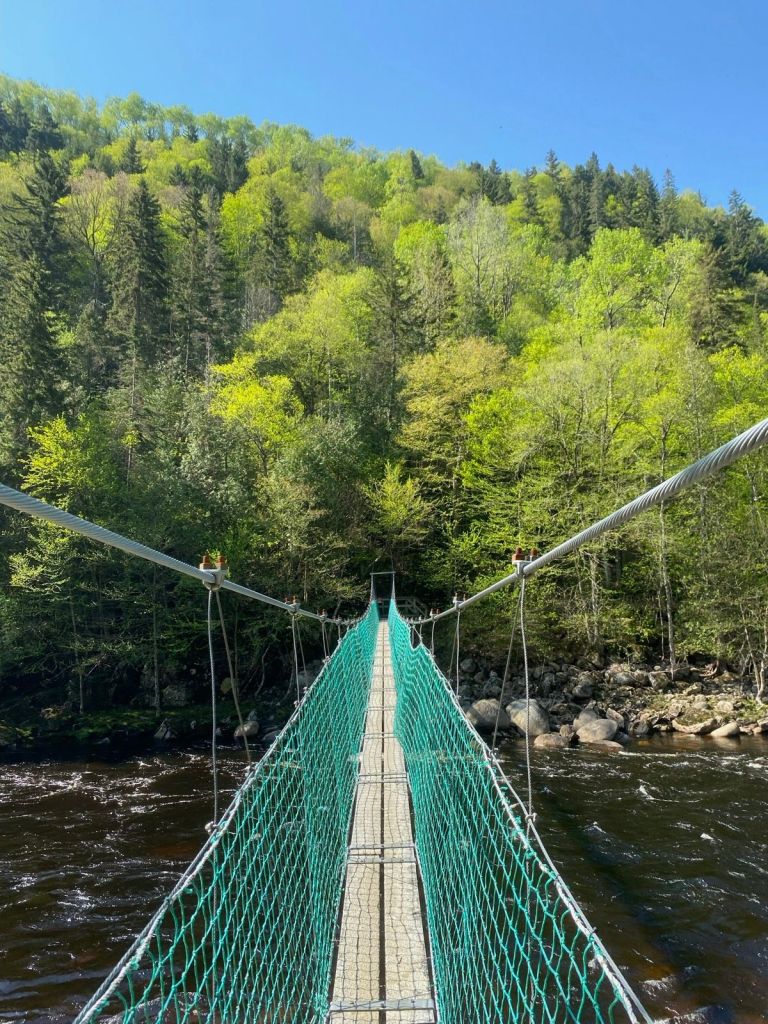
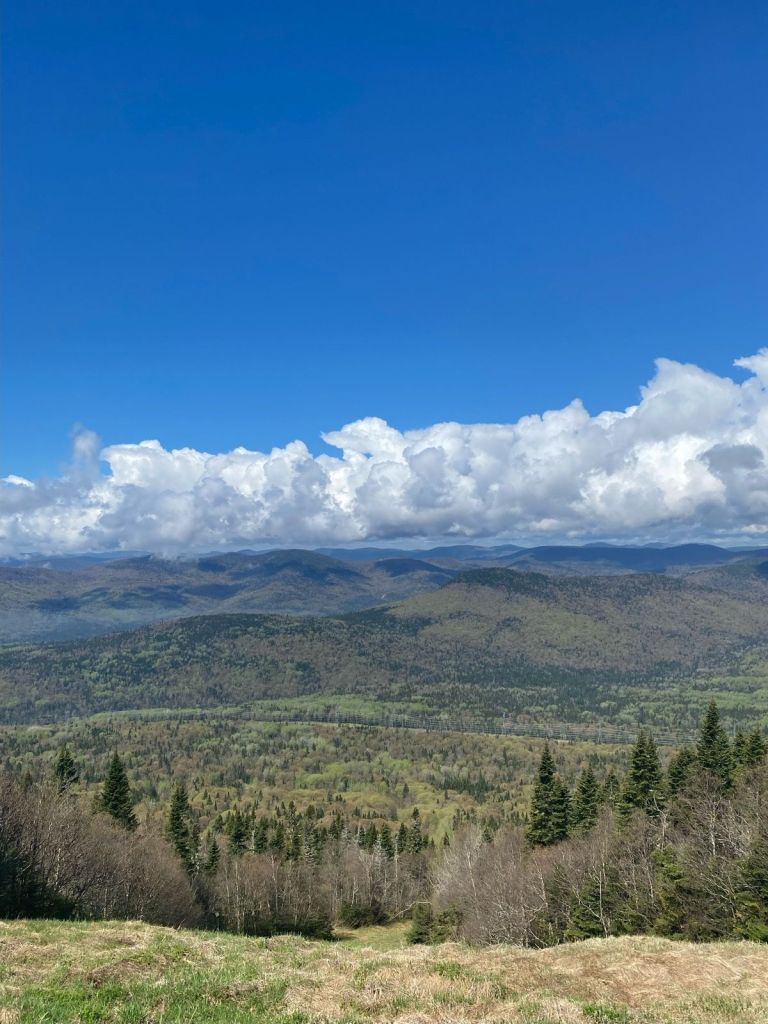
In mid-May, eight weeks out from QMT, I took advantage of the Victoria Day weekend to see the course. I wanted to see as much of it as possible, knowing that I could then structure the next 7 weeks to prioritize the specific demands of the race to the best of my ability in Ontario.
I studied the movement patterns required in Mestachibo, practiced my hiking skills for Mont Sainte-Anne, and strategized over which Ontario trails would best prepare me for the demands of the race.
This was hands-down one of the best decisions of this block. I think I lost about 1,000$ over the course of the trip, but it felt like time and money well spent to see the magic that QMT has to offer.
I then knew that I wanted to mix up my long runs between Boyne Valley, Pretty River and the Falling Water section of the Bruce. Sustained uphills, rocky terrain, and shuffling. There’s a certain step-down motion that the Falling Water course requires, and it’s probably the one thing that underratedly messes up so many. You get that exact same repetitive step-down motion in Mestachibo.
None of the uphills in Ontario are particularly difficult enough that I need to hike, and the longest sustained uphills I can get here range from 12-15 minutes, as opposed to 30-45 minutes in Quebec. So I’ve done a mix of uphill treadmill hiking, stair climbing, and simply more hiking in training even when I don’t need to.
The other cyst buster (as I found out) to the QMT course were these two sharp ski downhills. The leg-turnover is simply at a different pace than any downhill I experience in Ontario, and you’re holding back in a way that puts more pressure on the quadricep muscles so that you can stop yourself from falling face first. I wanted to get out to some ski hills and practice this motion, and got in at least a few reps in Blue Mountain and Beaver Valley.
The results even after just four weeks of having my training be where I want to be?
- An ease at grinding up sustained uphills at a comfortable running pace, accompanied by a lower HR.
- Strong, powerful hiking, and less demand on the hamstrings when doing that motion of pushing-up from one rock to another.
- Complete comfort handling sustained downhills.
- Three-hour runs no longer feel long.
2. RACING SULPHUR SPRINGS 20K
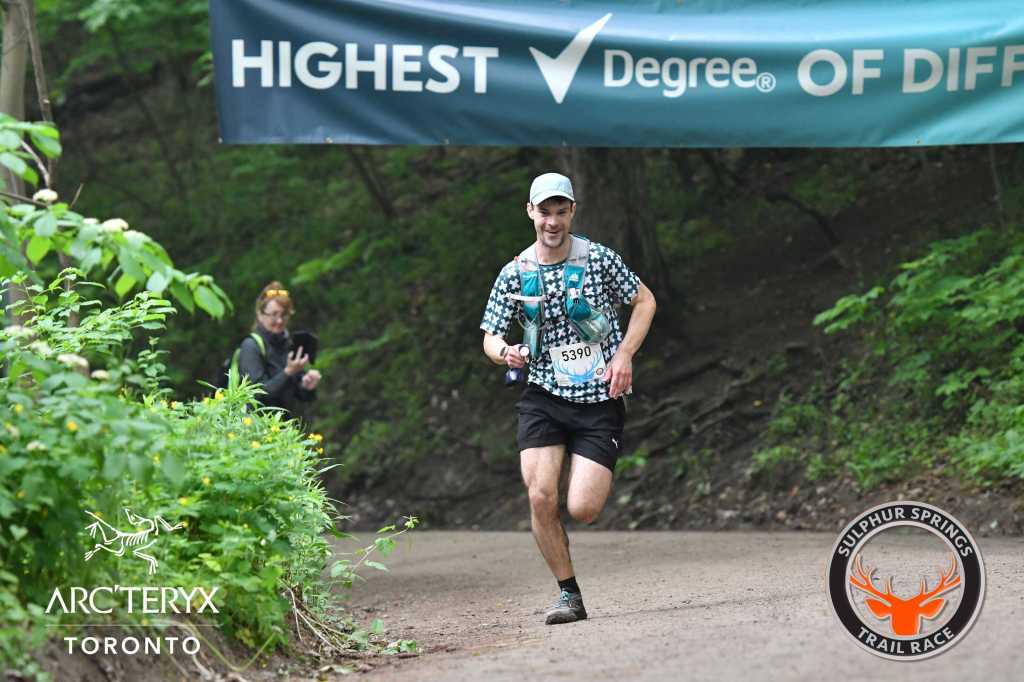
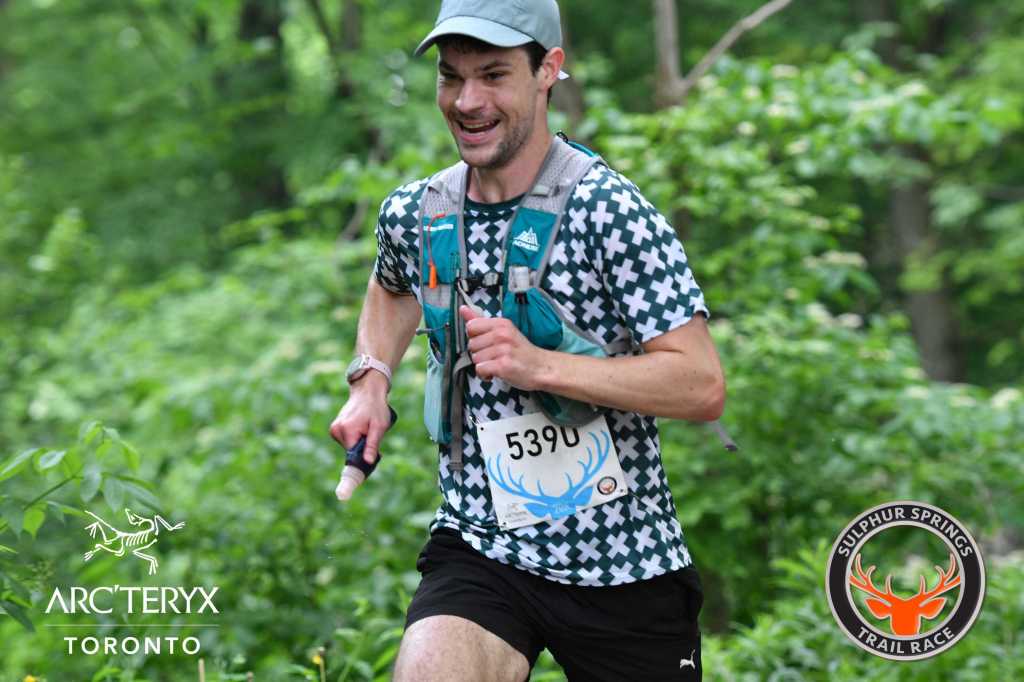
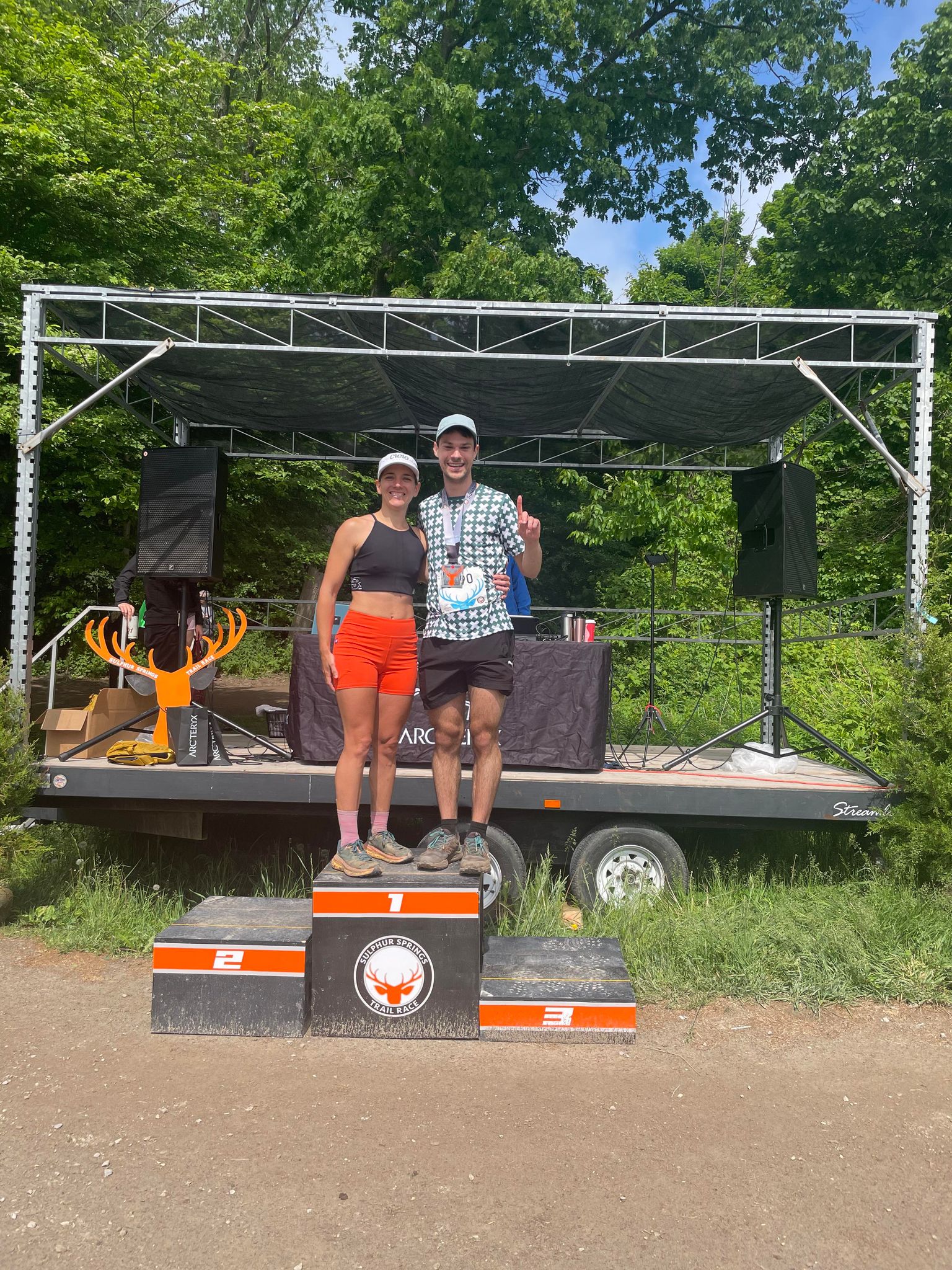
That 20K gave me all the confidence I needed to simply say to myself that I still have some speed in my legs. Going into the race, I hadn’t done any speed work across the month, and didn’t even know if I would be capable getting up to the speed required to win.
I’ve started now doing workouts that I know I’ll enjoy, prioritizing the up-down stimulus of doing a climb and not being tired after. Across the downhills, I feel faster than ever. Across the uphills, my heart-rate is lower than it’s been in a year. I’m putting in less effort, and moving faster.
But I think it’s not only having the confidence to think of myself as fast again, but some strange stimulus that Sulphur’s done to my body. Despite only being an hour and a half 20K, It was the highest intensity run of this entire block according to Strava (184). Everything else has felt so much easier, even though I know I held back for much of the day.
3. TRAINING WITH OTHER PEOPLE
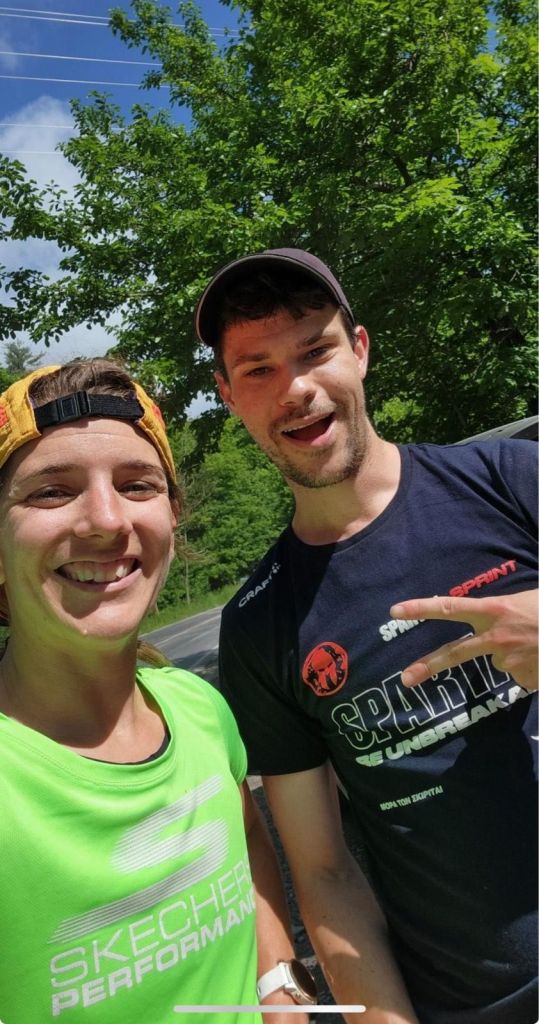
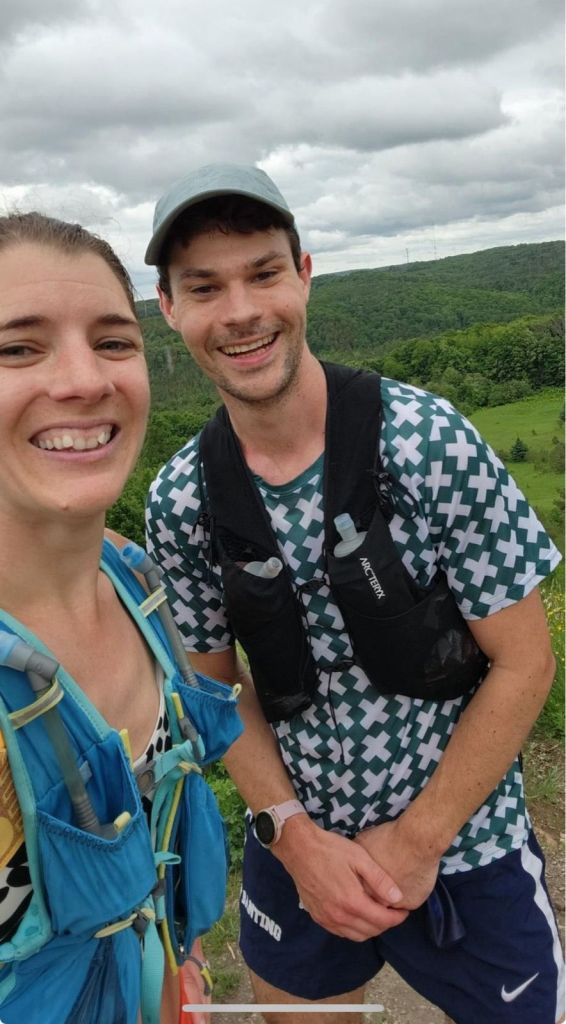
I don’t tend to train with other people. But I’ve found a few benefits in doing so across the past few weeks. First, I slowed myself down and put more emphasis on hiking. That meant on back-to-back weekends, a 3-hour run felt easy and gave me so much energy to do 3 1/2 hours the next day. It was fun sharing the trails with Tanis Bolton, who I think is the most talented short-trail runner in Ontario. She handles technical downhills really well, meaning I could more or less do my dancing. She’s also one of the only other people in the province trying (and succeeding) at doing short-trail at an elite level, and we have many similar race interests.
I then went for five-hours with Paul Vanoostveen (sorry Paul), giving myself some sense of what a five-hour run feels like on the body ahead of my five-hour race ✅. The pace of the run meant not only that I confidently handled the run without any cramping in the legs (often have blood flow problems at the end of longer efforts), but that I bounced back the next day to do some rock running in prep for Mestachibo.
Back to back three-hour days now feel super comfortable, when even one single three-hour run felt like a lot to my body prior to Gorge. Tanis and Paul are probably to thank for that stimulus, helping me go at the right pace on the first day to then do the second day with ease. I now know that my body can even handle a bit of a push on the first day, with the second day still feeling smooth.
Two weeks out, I will now start my taper and try to get rid of this cyst before the race. I went into Gorge and Sulphur carrying injuries, and want to ease into Quebec without any worries.
To Mont Sainte-Anne and the likes of David Jeker, I’ll see you in a few weeks.




 Rhys Desmond