“Play is the highest form of research.”
– Albert Einstein
As early as the days of Plato and Aristotle, play has always been recognized as an important function of human life (I bet you even the dinosaurs liked to party). All of the world’s most acclaimed researchers and innovators recognized that they wouldn’t have been able to make their discoveries without treating their work as play. In my own line of work, I’ve often talked about how my imaginative mind as a child often helped me actualize my dreams. I’ve also banged the drum for years about why it’s so important to game-ify everything.
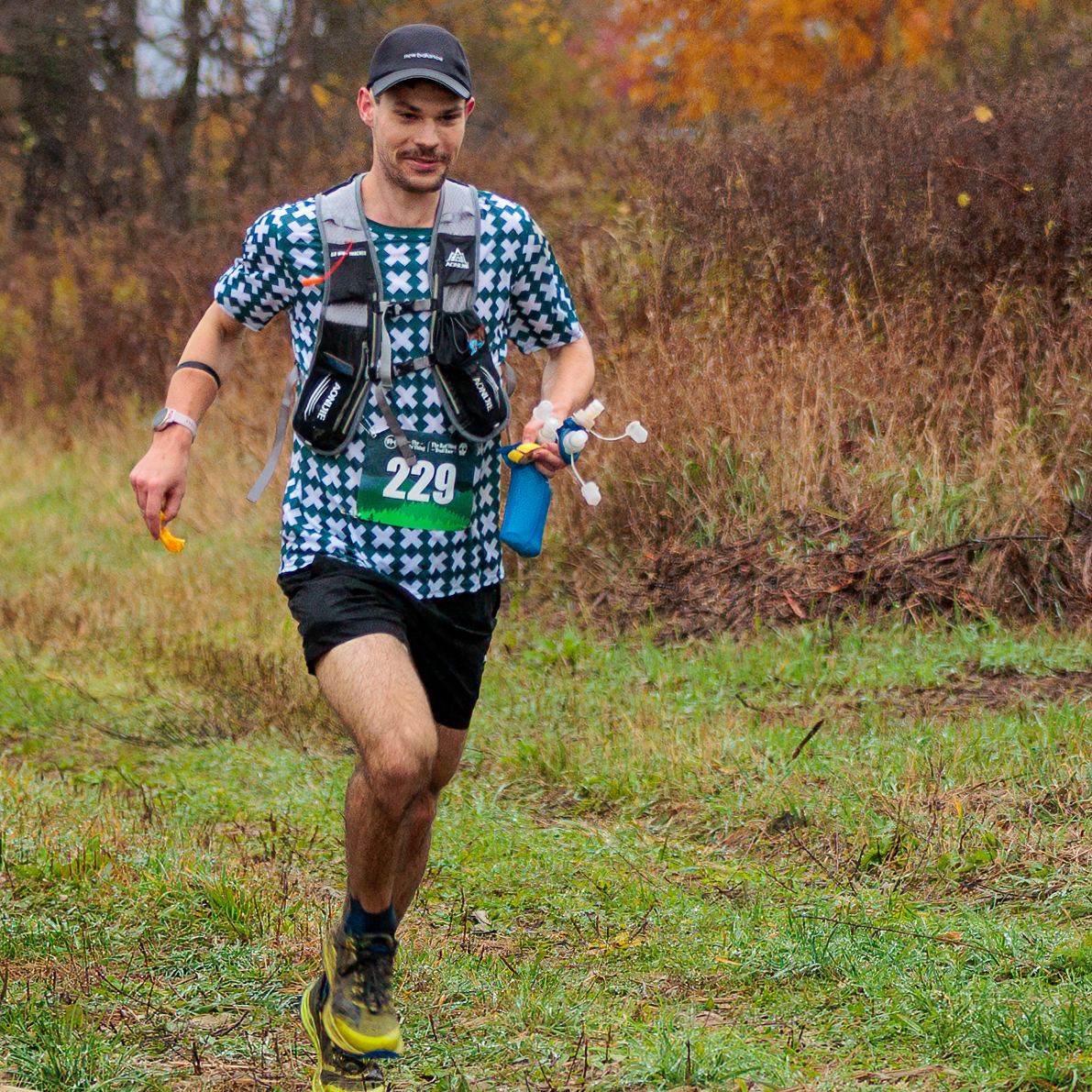
As a child, play brought my dreams to the forefront of my mind, thus making them more likely to be prioritized. That sounds like a sentence that I’d type in reference to journaling, visualization, or deep reflections in moments of solitude. But my best ideas have always come in a state of play. Mostly in the middle of runs. But also through pretending like I was the world’s greatest sports-star in my parents’ basement, or inventing playground games at recess.
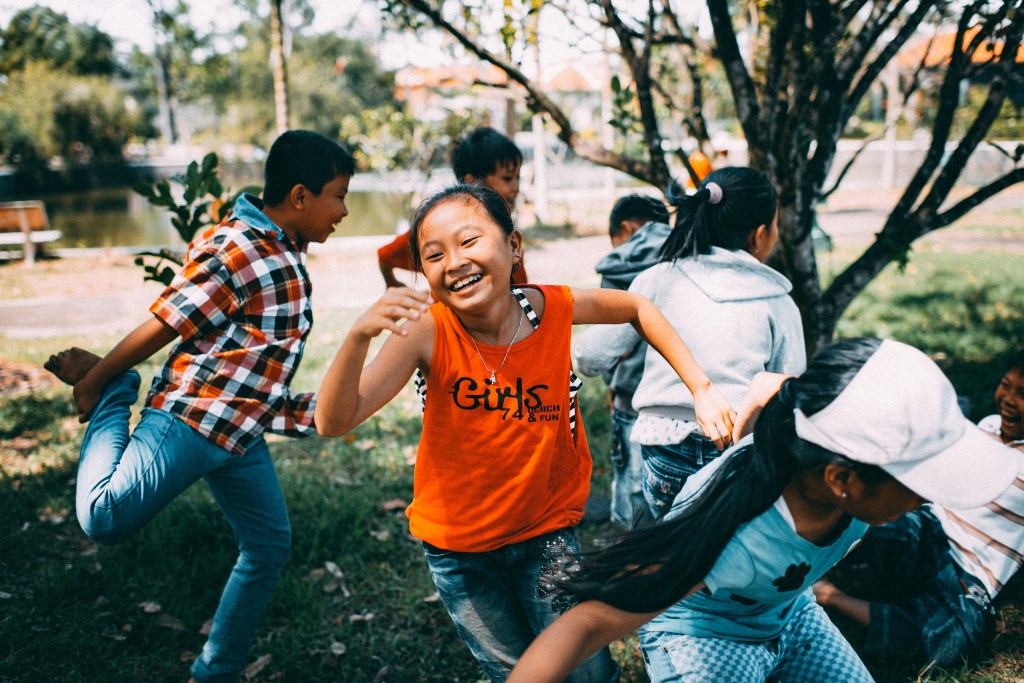
The importance of play has been well documented. It does wonders for creative thinking, problem solving, and imagination on an individual level. When collaborative, play helps children learn how to navigate real world conversations and interactions.
For the likes of Einstein and Plato, play always worked best as an unstructured experience, where they were able to go through the trials and tribulations of their own hypotheses on their own time. It’s the same for children, when creating something from nothing. My sister and I spent many hours playing “OUTS”, balloon soccer, and an unnamed game where a ball had to be thrown from the bottom of a stairwell into the bathroom. Bonus points for the toilet.
Some of my most creative ideas for the After School Program with The Blue actually came from the kids themselves, and their own explorations during free time. One in particular that worked wonders was a ‘Pop-Up Shop’ idea, stolen from two participants who created their own shop out of our crafting supplies. Others (Silly Ball shoutout) came from my university students, who had full autonomy to create whatever they wanted for the class.
Unstructured play is infinitely powerful.
But if I want to help participants self-actualize more learning on the process of their development, I want to create enough experiences where I’m facilitating the process of their play, creativity and imagination. Play can work well as a structured process. I’d possibly go as far as to say it works even better from a self-development, team-building, educational perspective.
I facilitate this process through what I brand to parents as “innovative-based play”, creating unique and novel experiences that children won’t experience elsewhere. I don’t want our After School Program to be like any other, and I don’t want our participants to just go through the motions of playing on their own with little interaction from leaders. I want to challenge them to think differently. I want to challenge them to grow. The best way to do this is to give them experiences they’ve never had before; with a leader that feels infinitely passionate about facilitating that experience.
This is the hallmark of my approach to developing recreation programs. Games like Duck, Duck, Goose & Cross Canada are easy, accessible, active games that everyone knows how to play. As a leader, it’s easy to take a mental break. The children do everything themselves.
If you don’t have ‘Cross Canada’ in America, it’s just like ‘Cross America’.
What these games might create in the development of motor skills and genuine fun, they lack just about everything else. They don’t allow participants to explore their own strengths and limitations. They don’t require participants to utilize or develop a multi-faceted set of skills. They don’t require complex thinking, problem solving, or genuine imagination. They don’t teach much in the way of actual lessons in the grand scheme of life.
This is where I differ in the development of my programs. Everything is new all the time. Some of the ideas work, and I do them again, if not tweak in unique and novel ways. But for the most part, I’m looking to create new experiences for the children and youth in my programs.
As an aside, this is not only more fun for the participants, but more fun for me. A beautiful process then unfolds. If I’m having more fun, I’m likely to be more engaged. If I’m more engaged and passionate about what I’ve created, the participants will be too. I explored this recently here: The #1 way to increase engagement in programs.
In doing so, I create opportunities for children to explore themselves. To explore their own unique skillsets, to challenge pre-existing mental blocks, even to explore what they actually like and don’t like. A deeper level of thinking can happen in a ‘Disappearance of After School’ mystery than in a classic game of Octopus. I might incorporate the motor skill development of Octopus into my mystery. But that’s only one piece to the puzzle. If I truly want to help my participants explore themselves on a multi-faceted level, I need to think outside the box from the traditional games and activities played at every other After School Program across the country.

This is the mindset I want everyone in my wake to have when developing programs for The Blue. Anyone who says that they lack creativity is lying. Our grade 5-6’s took ten minutes to develop fully fleshed out games from scratch using three supplies given to them from a storage room this week. It’s something that every leader has inside of them, and something we can all work to bring out more when developing programs. It’s going to be more fun for us in the process, helping us facilitate with greater passion, which will then transcend onto the participants.
Unstructured play is infinitely powerful. But so too is structured play that we create. The more thought that goes into the play environments we create for our participants, the more likely it is that they will learn and grow under our guidance. As Diane Ackerman said – “Play is our brain’s favorite way of learning.”
If we can create more opportunities for children to play and explore their sense of self in both unstructured and structured environments, we will 2x the learning process, building a better future for our participants.
Thanks for reading and see you soon!




 Rhys Desmond