

I’ve always had a wild imagination.
Growing up, I’d play hockey and soccer in my basement for hours on end. Every single time, I’d visualize being the best in the world. I’d break all the records, score the wildest of goals, and mesmerize the commentators every time.
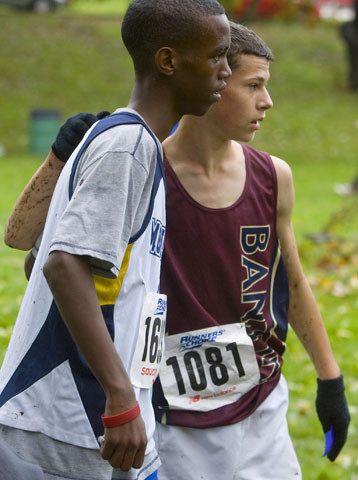
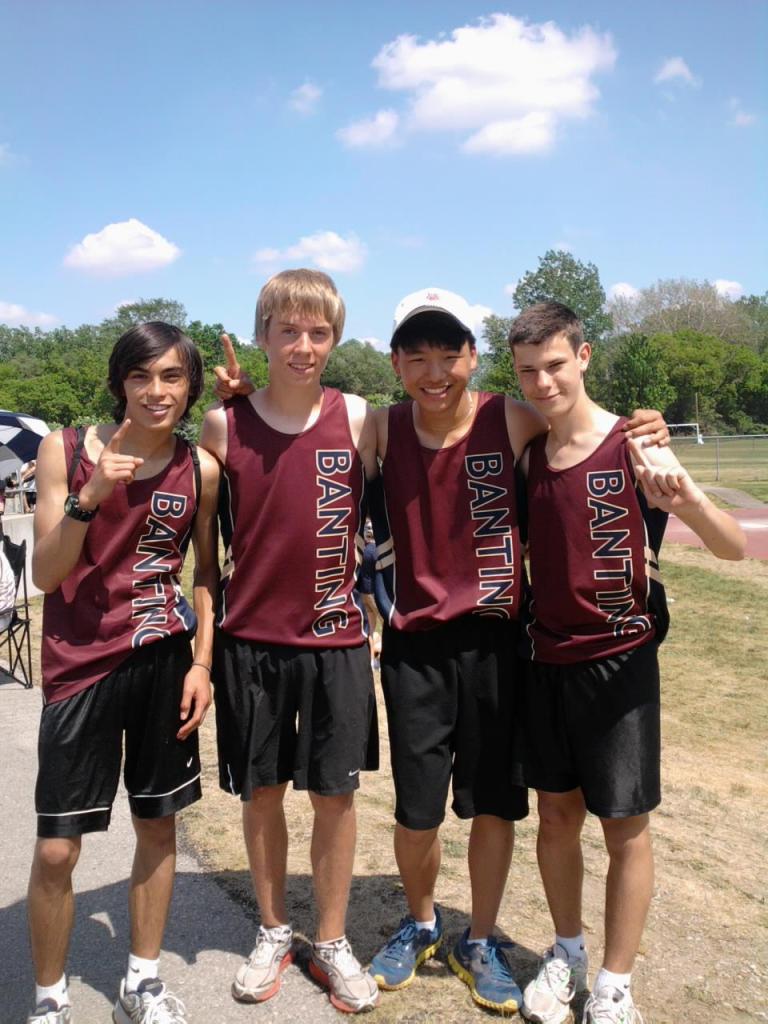
When I quit hockey at age 12 and took up running instead, my imagination never disappeared. Whether or not I was running with Ben Harris, I was always running with Ben Harris.

Sometimes Muhumed Sirage was there too. He always finished first (I knew where to draw the line).
I think the art of visualization helps keep the mind and body focused and engaged on the task at hand. I love being out in nature, I love running, but I’ve always had this burning desire to be the absolute best I can be. This mindset can be problematic. In fact, it’s probably held me back.
But at its core, running has never been just about the love of nature or the love of running itself. It’s about seeing what I’m fully capable of in a realm where I’ve visualized more success than I’ve achieved.
That only motivates me more. The fact that the others in this realm are faster only motivates me more. And it’s awesome to have them by my side in training. But recently, I’ve started to only visualize myself. No one else.
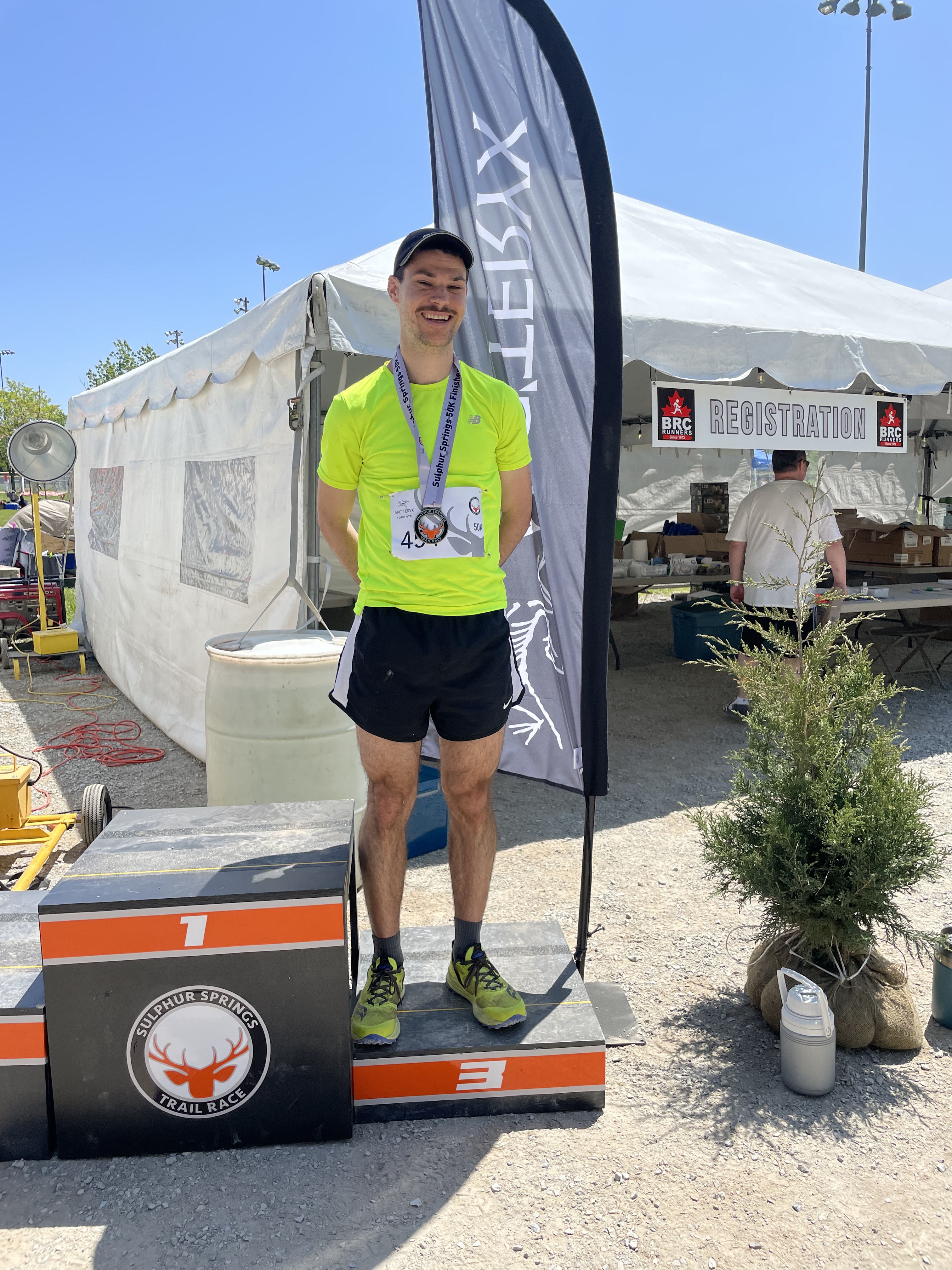
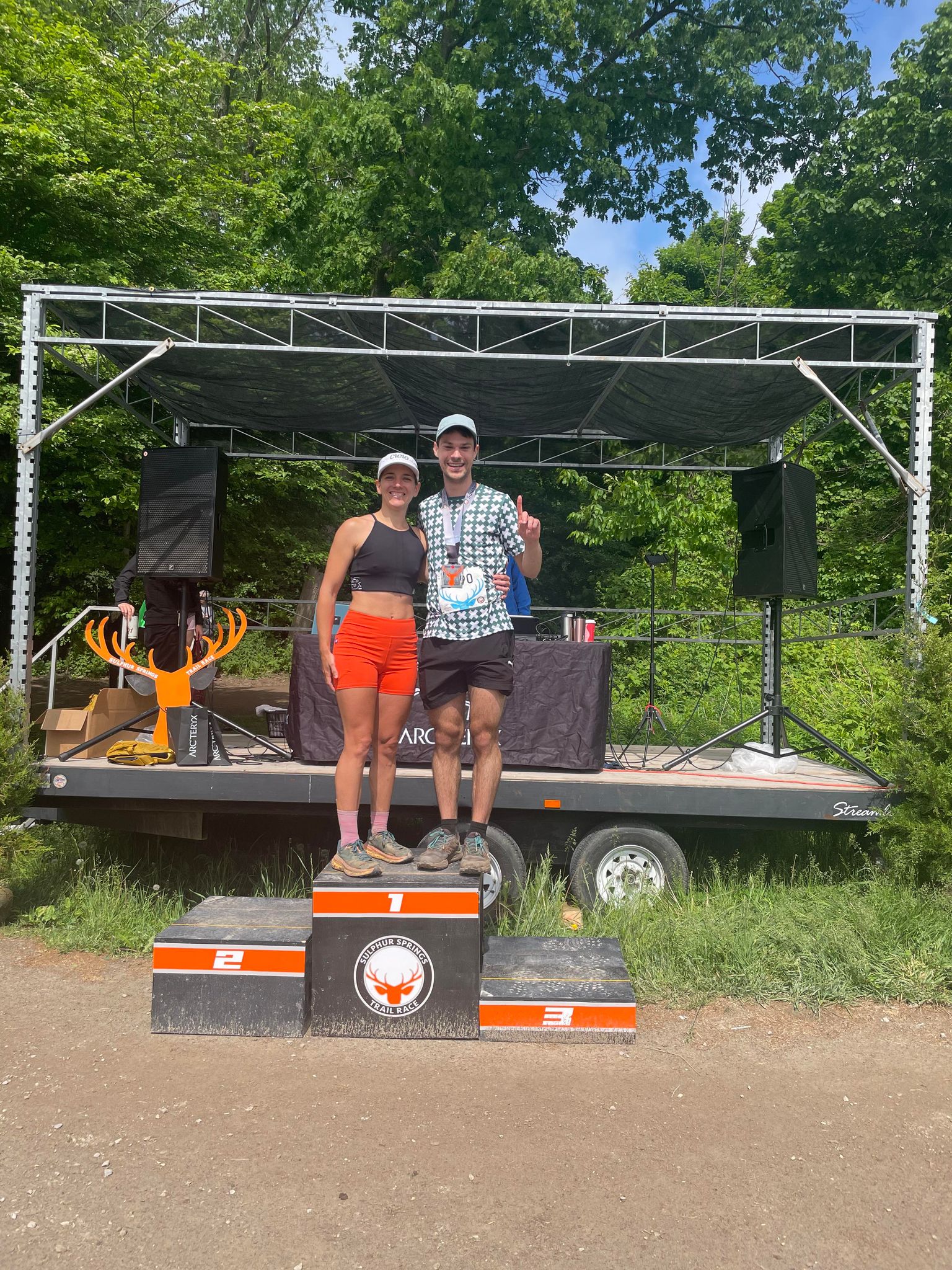
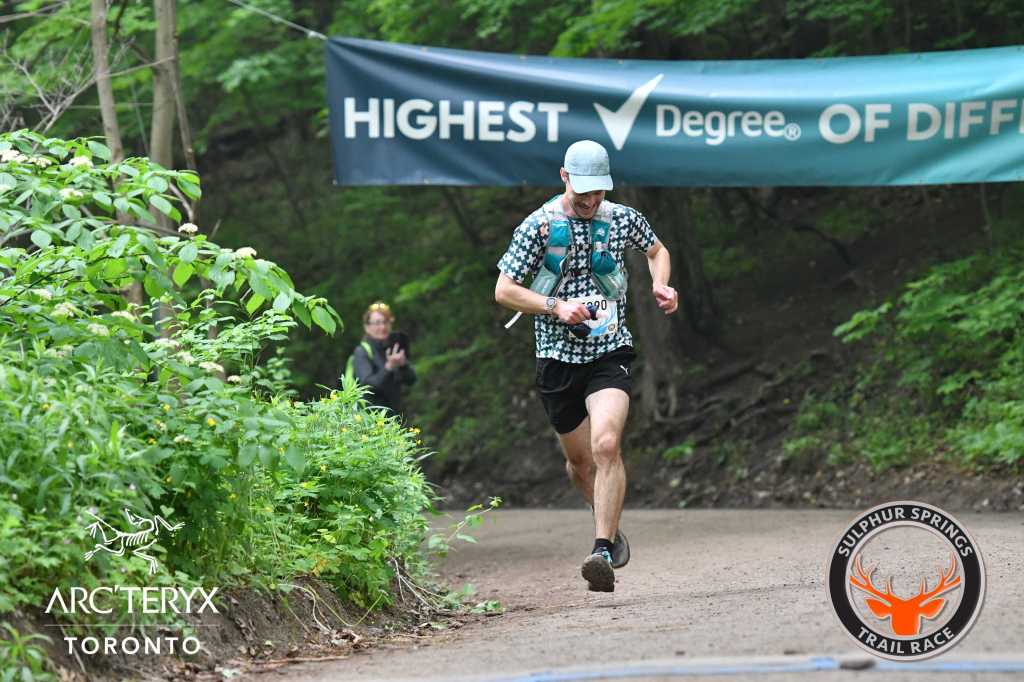
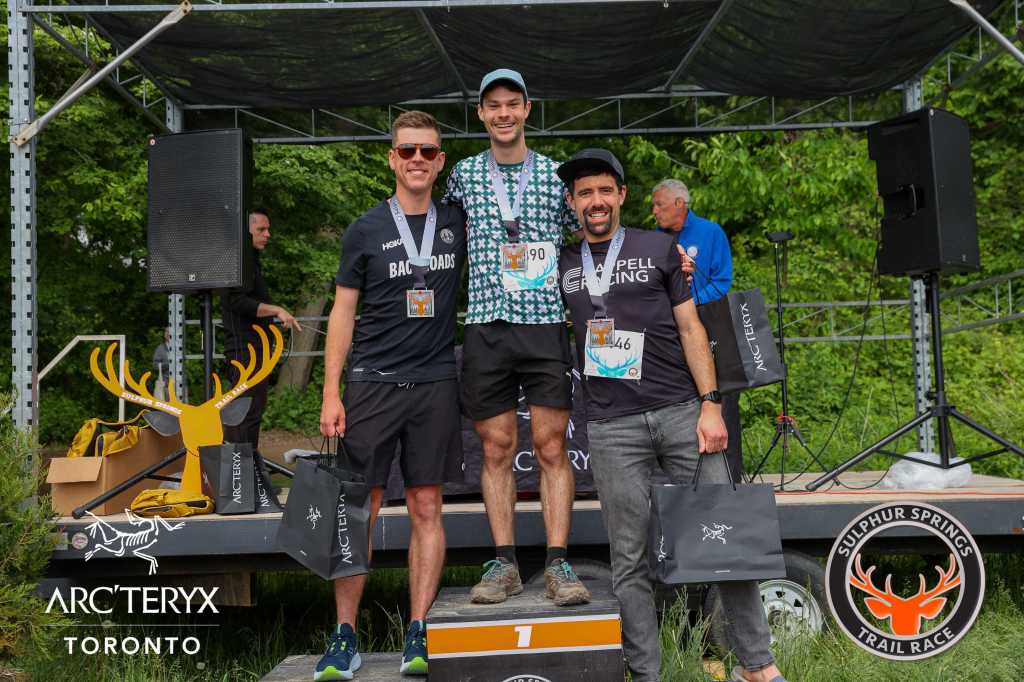
I’ve always been a proponent of “game-realistic training” for any sport. When it comes to my running, I sometimes take that to extremes. Leading up to Sulphur Springs, I ran the demands of my race at just about the pace and/or distance of my race every weekend. I got fit fast and secured third, but I knew this wasn’t a sustainable approach to training.
Now working with a dedicated coach, I’ve been slowly doing better at not crushing every single downhill/uphill as though it’s the race itself. Sometimes I still get carried away on downhills, loving my life. And as long as I’m in Ontario, climbs are short enough where I can physically run every step. So why walk when you can run?
One of the most helpful elements of that slowing down process has been ending the visualizations on climbs.
When I’d do repeats of Martin Rd. prior to Sulphur Springs, I always made it my mission to catch Reid Coolsaet ahead. He was never actually there.
This actually ended up playing out in the final climb against Matt instead, almost exactly as I visualized it.
Those visualizations paid off. But I think in many ways, they aren’t sustainable for a career in running where I’m not destroying my body in training every single time. Why did I feel the need to include Reid in that equation (someone who didn’t even race!) when I could have visualized myself being cheered on by an imaginary crowd? Why do I always feel the need to compare myself to others around me? Beating these guys can serve as some sort of validation that I’m good. But I should know that intrinsically. So that’s what I’ve tried to do more of in this block, with the help of Brett.
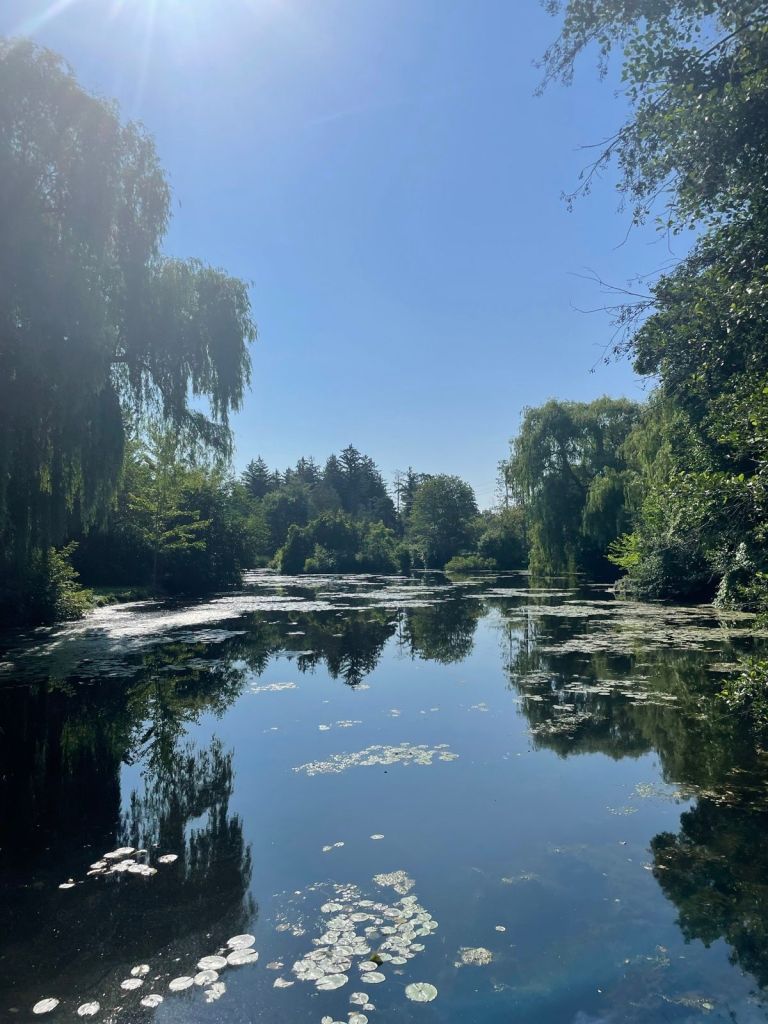
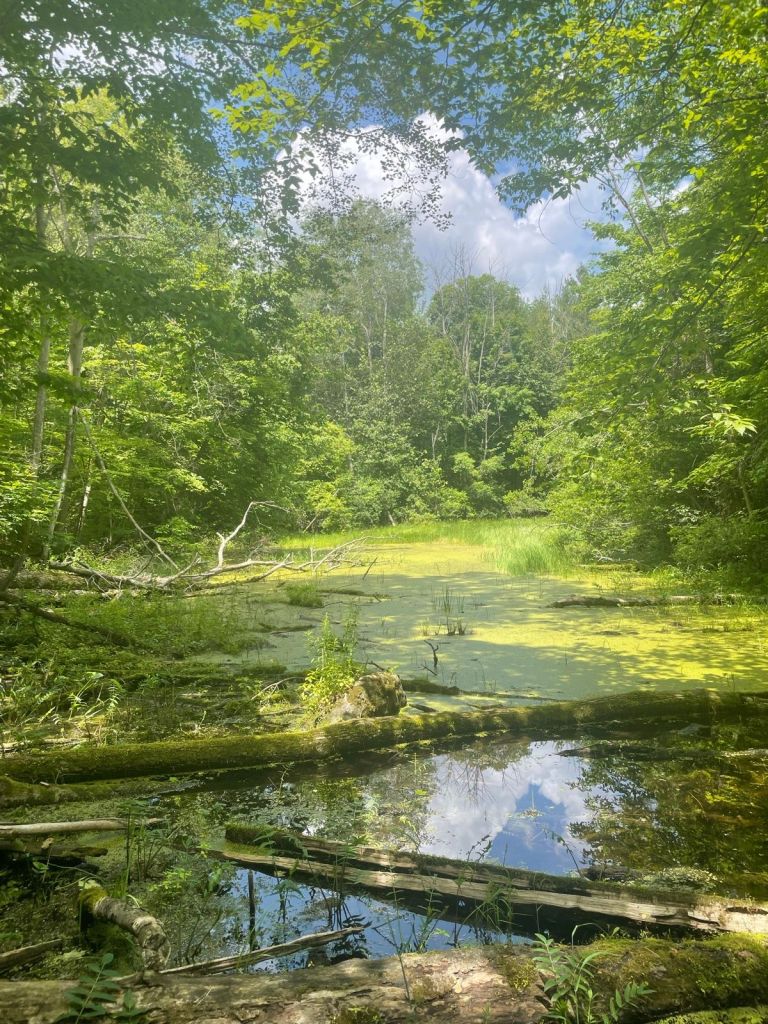
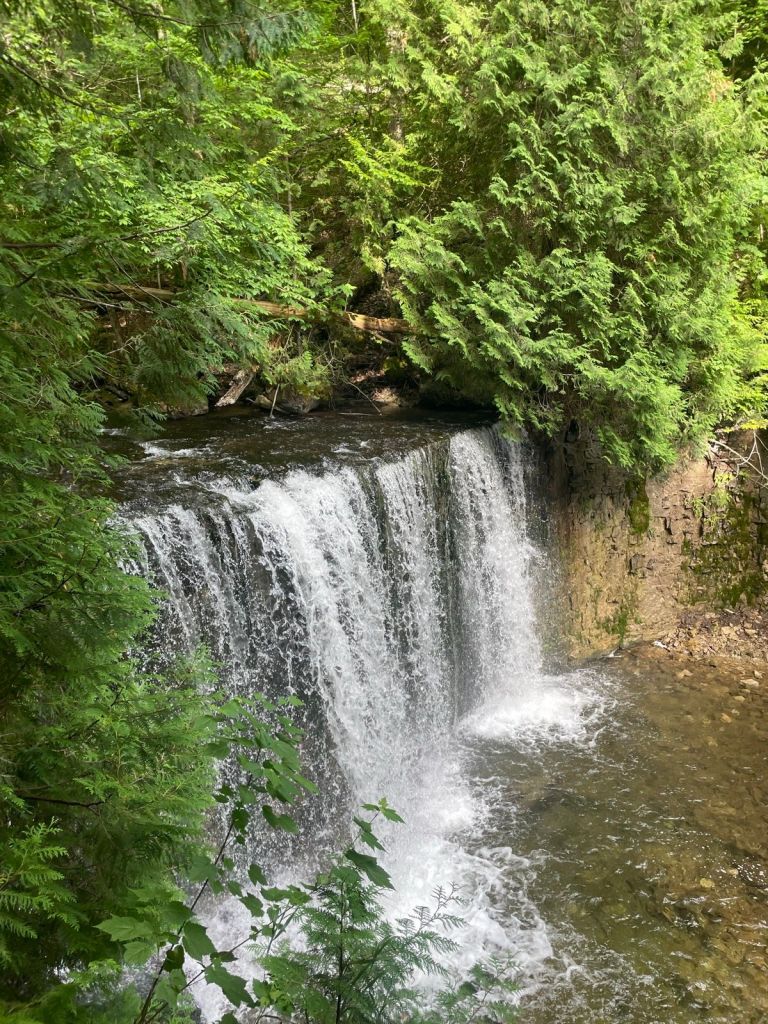
Now I’m going down my favourite section of Falling Water to the finish (these rolling downhills are incredible and I could do that section every week), and I’m only imagining myself doing this on race day. I’m not picturing trying to catch up to Matt, and I’m actively slowing myself down from the fun (partially so that I can save my legs for the starting climb that comes immediately after that in my training).
I will always be a proponent of game-realistic training, but I also think there’s a line that has to be crossed in recognizing that training still isn’t the game itself. And that’s a line I can certainly do better to walk (or run).
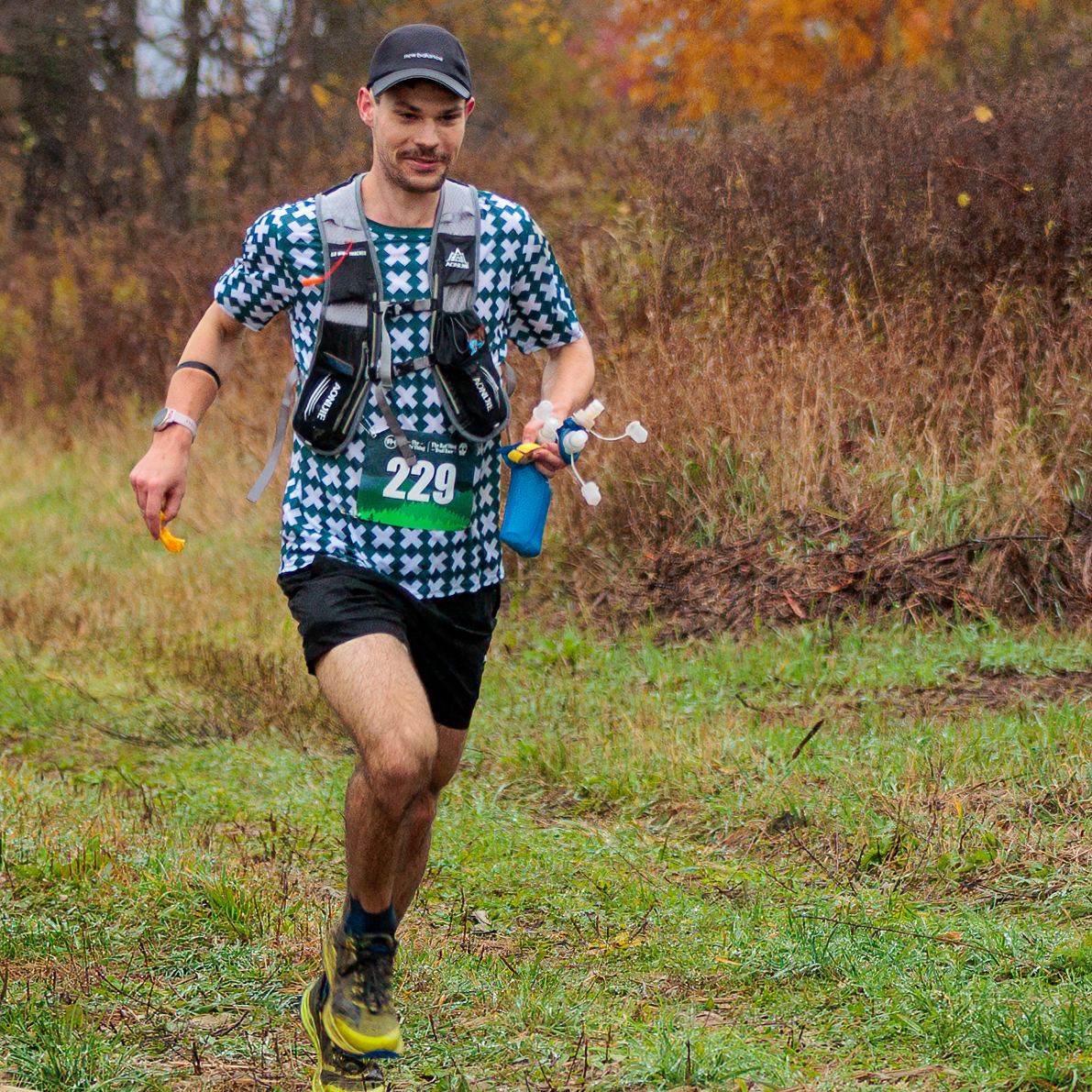
Thanks for reading & see you soon!
Strava Profile | Rhys Desmond
YOU MIGHT ALSO ENJOY…
Newsletter: How much trail time do you really need for trail races?
In any sport, I’ve long been a proponent of “game-realistic training”. The notion is that you need to prepare for the specific demands of what the game actually looks like. When it comes to endurance sports, this becomes more complex. What we need to develop as athletes is a well-rounded skillset.

Run Ridge Run 25K – Recap
I’ve never been so close to not starting a race. Had it been the day earlier, or the two or three prior, I might not have. But I’m so glad I started this race, as it was one of my best in years.
Newsletter – Making the treadmill more fun!
The treadmill simply can’t compare to the thrill of running outdoors, enjoying nature, and the fun challenge of varying terrain. I enjoy treadmill workouts, but I don’t think I’d be alone in saying that I enjoy an outdoor workout ten times more in ideal conditions. With that, here are some of my top tips to…



 Rhys Desmond