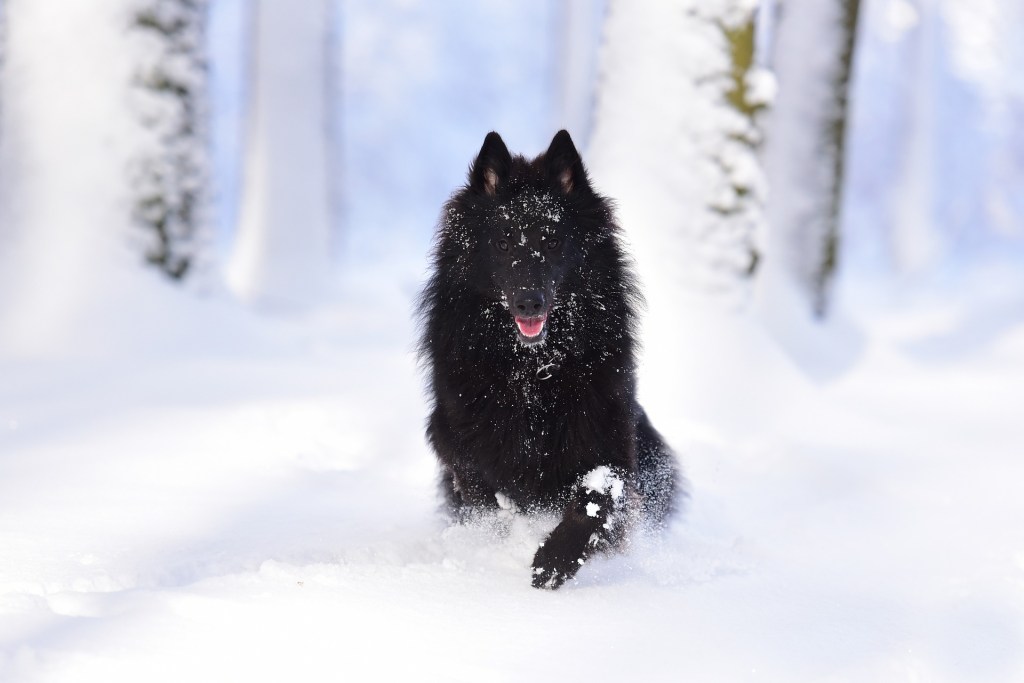
Alright stop, collaborate and listen. Icy terrain is never easy to run on. And in fact, it should generally be avoided at all costs. But sometimes you don’t have a choice. Other times, you certainly have a choice, and you’re crazy.
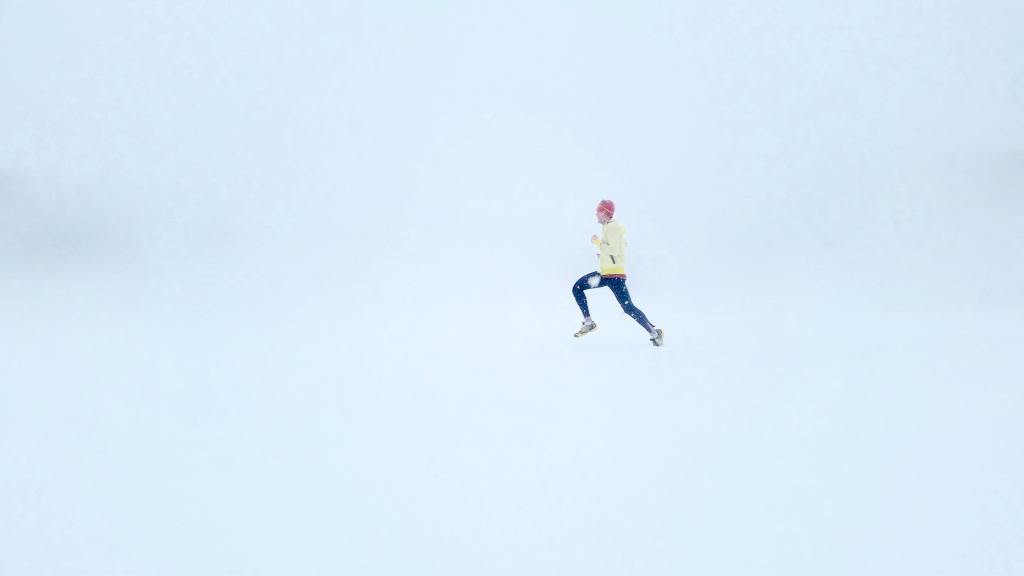
Either way, running on ice and snow can be worthwhile if taken with caution. For one, it’s more of a strength-based exercise. For another, you can often get some technical terrain training prep in large forests at times when there’s no dogs, children, or parents who can’t control their dogs or their children. Nothing against dogs or children, but I avoided forests for months in high school due to my inability to run for five seconds without being chased by them (mostly dogs, not the children).
Now check out the hook while my DJ revolves it.
Rather than the dogs or children, the ice itself is going to be what disturbs your rhythm and disrupts your flow. It might even completely erupt your flow and encourage your rhythm as you slide into a tree. But it generally won’t if you take small steps, watch every move, and focus on your footing.
Patches of forest that look icier than Vanilla himself should be taken with particular caution. Generally, these are winding, narrow sections, steep uphills, and ANY downhill. If you ignore the steepest of downhills in this equation, the rest of these can be managed without stumbling to the ground and switching to a Plantar Fasciitis styled midnight crawl. I know you pride yourself on your graceful ability to skate like a penguin without falling, but we want to get to the point where you stay upright and in running pose for the entirety of your run.
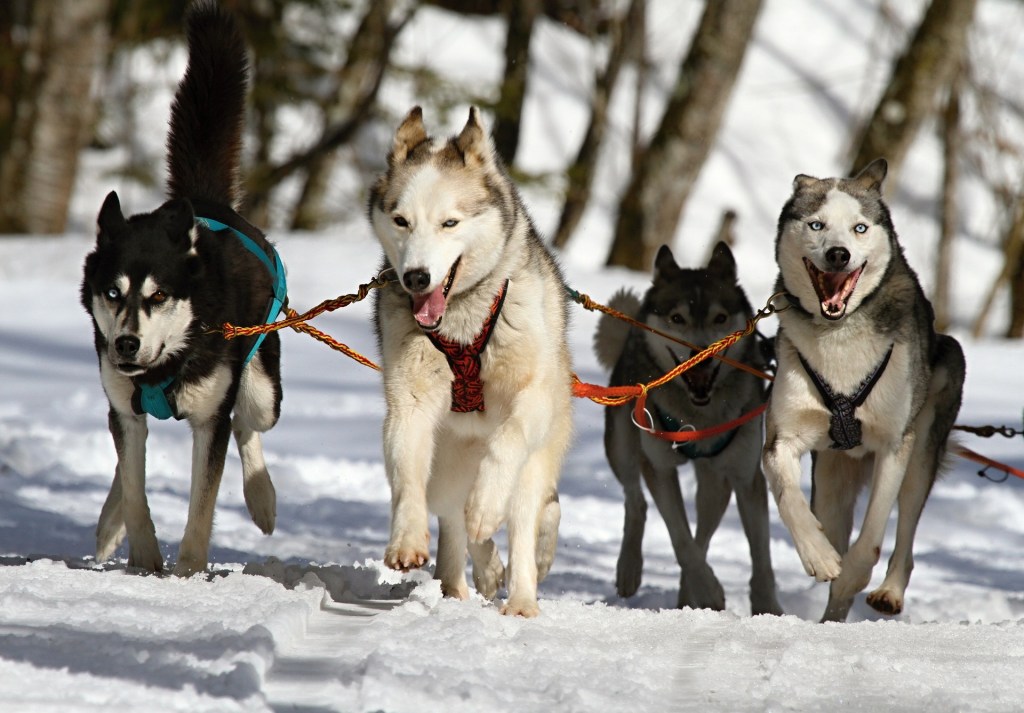
So in addition to watching your footing and taking smaller steps, you should ensure that you have the right kind of shoes. I like Saucony’s winter trail running shoes, but any branded winter/trail shoe will go a long way. Search engines will immediately recommend you buy Yaktrax or Ice Cleats, but the added weight will not only slow you down, but make it even more of a strength-based exercise with that added weight – increasing your risk of injury. You want a heavier, durable shoe without adding additional weight, so spikes or shoes designed with a anti-slip-esque tread will be the direction you choose.
Then when it comes to those flatter sections, you want to stay on the flattest, straightest path. Most people will run off the trail and cause damage and erosion to the outside of the forests we love. Rather than causing damage, you can simply maintain your balance by running on a section of ice/snow that does not curve up or down. Again – the flattest, straightest section of the path. Call it the fast lane.
Then as you start to suddenly approach a downhill, I often like to slow significantly as I see the downhill and gauge my best route for approaching. Walking the downhills and grabbing onto trees for support will be a major help. BUT I have another fun trick for managing the downhills safely. The safest way to do a downhill on icy terrain is to AVOID that downhill and change course. If it’s steeper than a 70-degree angle, it’s time to remember that you’re not the world’s best downhill skier, nor are you wearing skis.
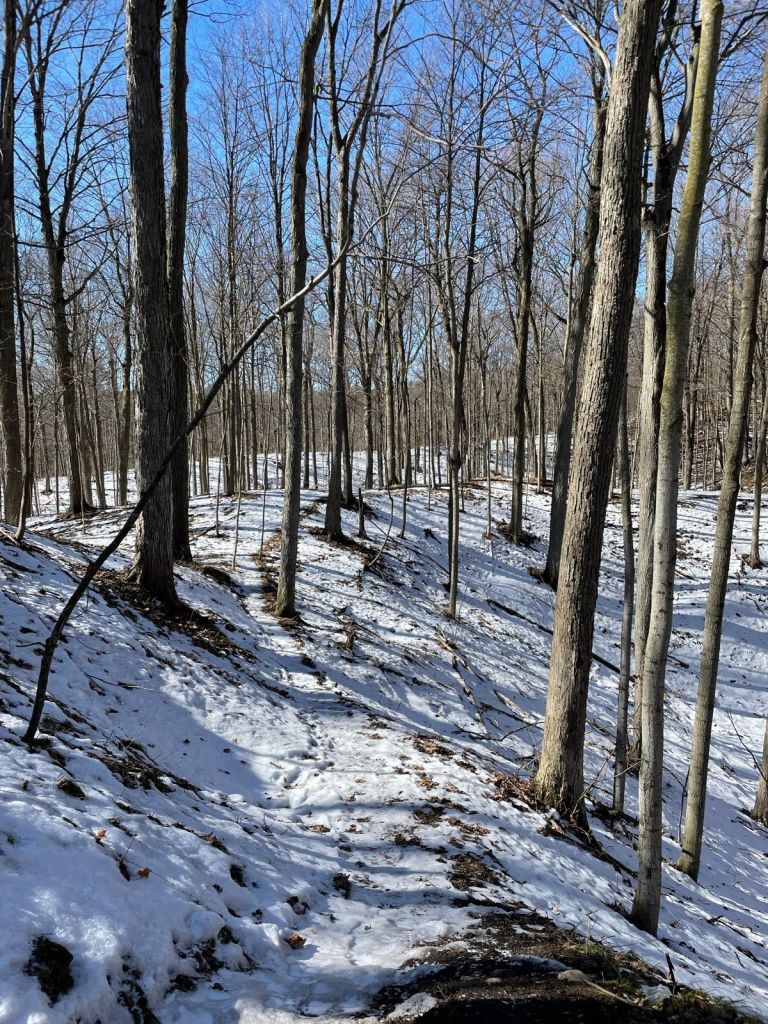
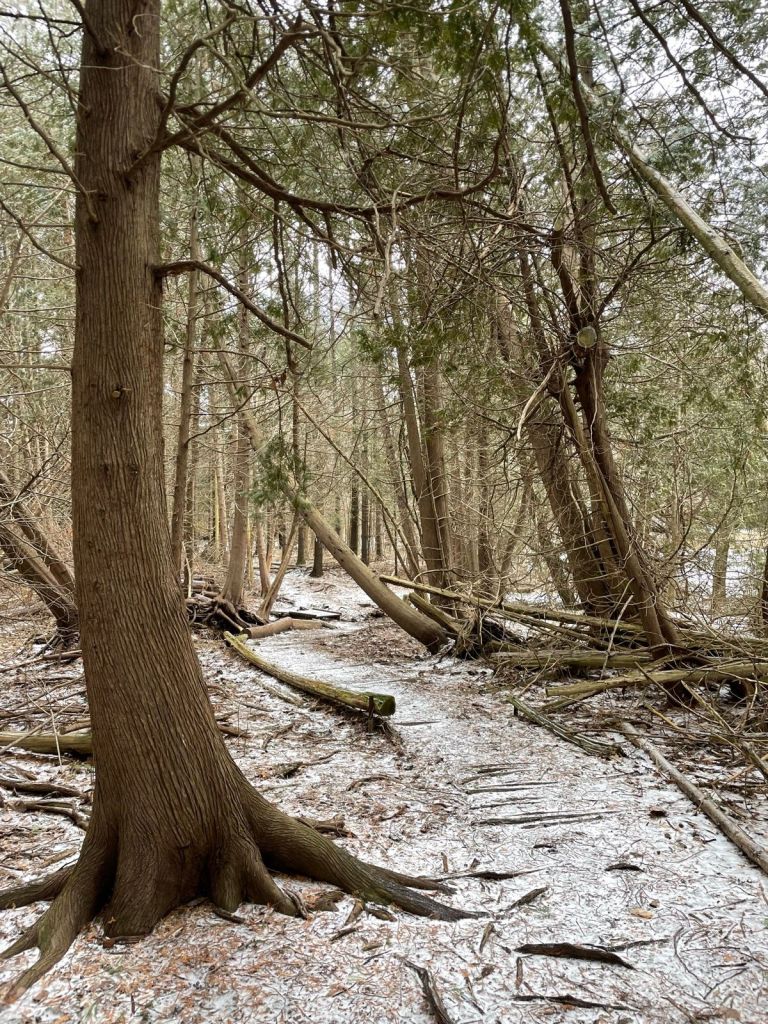
You may be able to find another way to the next section of the trail, or you might decide to turn around from there and do loops of your lap instead.
But turning around does not always have to be the way. On icy downhills that are between a 45-70 degree angle (always make sure to bring a protractor), all you need to do is this: crawl like a crab.
Put your hands behind you and go feet first crawling down the hill. It’s incredibly quick and effective, especially when compared to crashing into a bush and needing a helicopter to airlift you out. This is not a joke. I’ve crawled like a crab 9/10 icy runs and walks this winter. Works like a crabby charm.
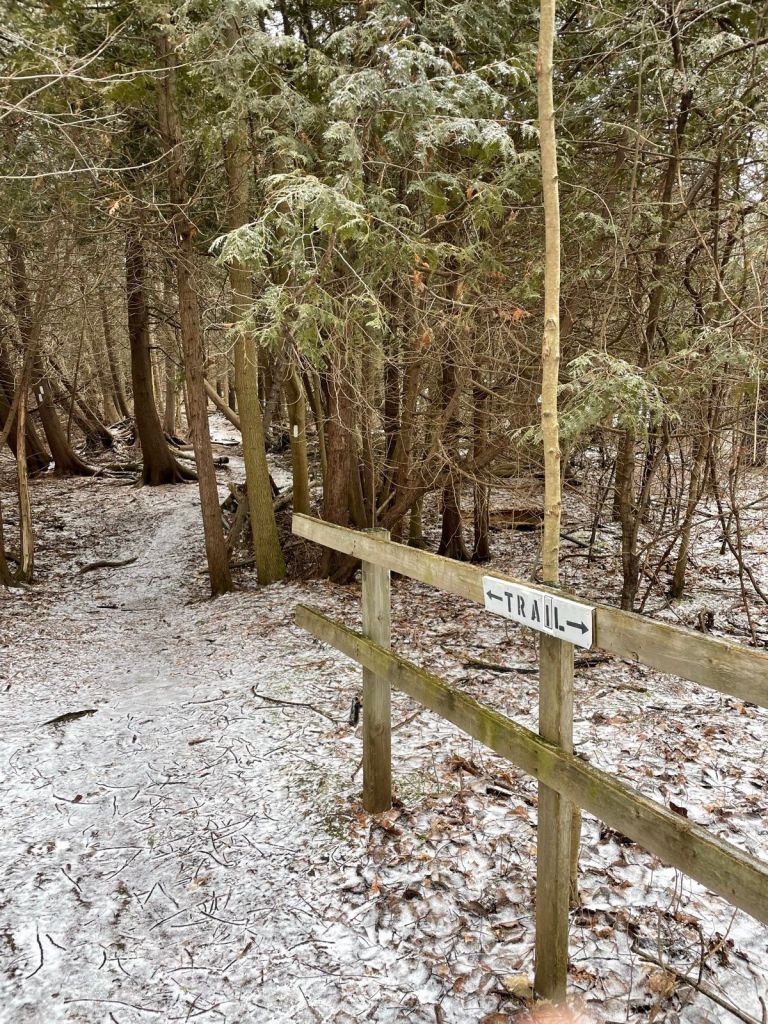
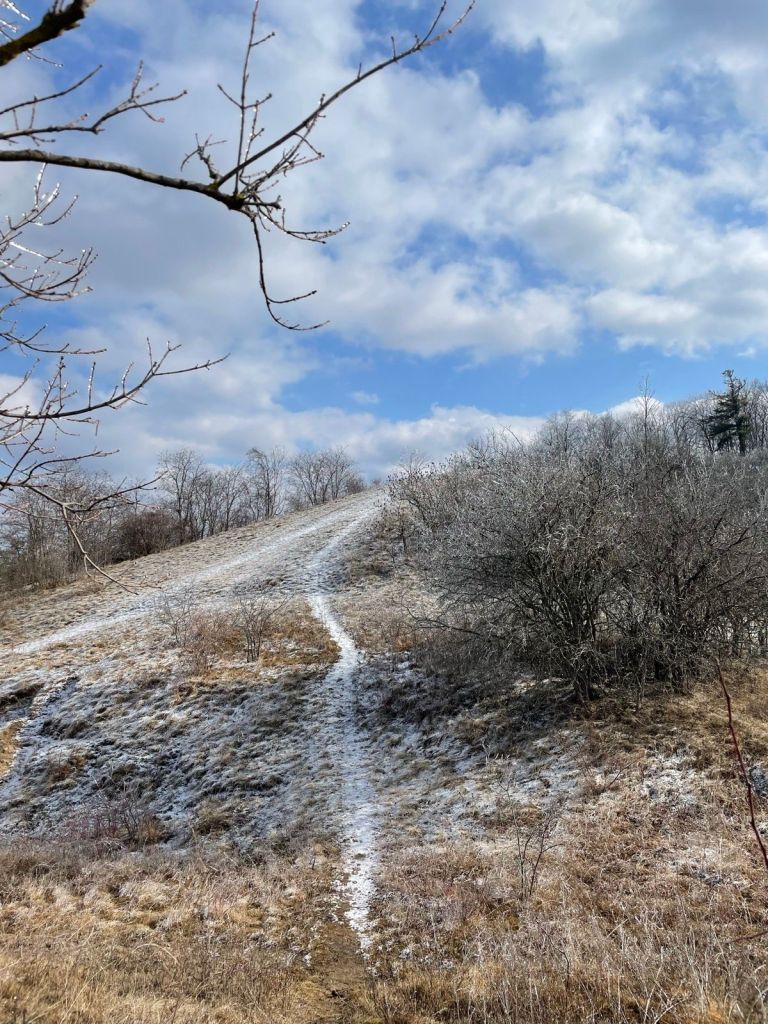
When it comes to icy uphills, you want to be cooking MC’s like a pound of bacon. Instead of slowing down, you actually want to speed up in the moments leading up to the hill. Your speedy momentum should be able to carry you up the small steep hills. The long, steeper inclines tend to be safer, especially if you can continue to stay on the flatter, straighter sections of the trail. It’s those steep hills that can cause you to stop in your tracks and slide back down.
Being stopped in snowsand is by no means anywhere as catastrophic as those steep downhills, but it’s still significant muscle exertion to stop yourself from sliding backward. Grab onto a nearby tree branch or bush (not Kate Bush), and do so safely for the environment’s sake. Use that branch or bush to propel and pull yourself up to the next section. But with the right speed, momentum and selection of path, you’ll be running up that hill (this time like Kate Bush).
What are your best tips for running on ice and snow? Be sure to share your thoughts and get in touch below.


Thanks for reading & see you soon!







 Rhys Desmond