After a few months out with plantar fasciitis, today was my first day running on “technical terrain”.
One thing that stood out was just how much slower I ran on the trails than on the roads, whilst exerting the exact same amount of energy. This is completely okay in so many ways. First of all, training on technical terrain naturally slows you down. You are forced to take smaller steps to ensure you get your footing right, there’s far more twists and turns (fallen trees, roots, animals, literal twists and turns, etc.), and you’re likely going to be going up and down steep uphills without warning.
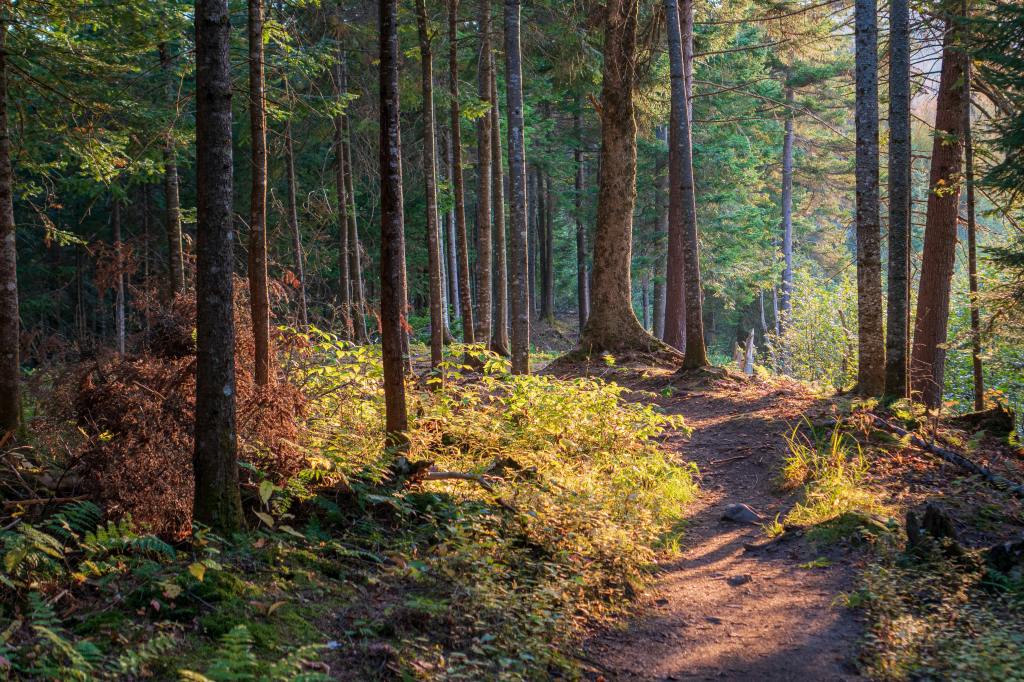
When running on roads (or more commonly – sidewalks), there’s simply more space to breathe, more space to get your footing right, and more of a natural flow to your run that can take place without anything getting in your way. You might even get a whopping kilometre faster on those steady road downhills compared to the ups.
But when it comes to trails, it’s completely normal and natural to go slower on the downhills than you would on the ups, ensuring that you make every step count. In fact, they say that running downhill is often tougher on your body, and even increases risk of injury when compared to uphill and flat terrain. It’s even how they’ll test the physical limits of athletes in many experiments due to the dangers that downhill running creates.

Now this doesn’t mean that downhill running is a recipe for crutches and wheelchairs. But if you’re not training to be a Golden Trail downhill specialist, you don’t have to sprint your downhills. In fact, you should be taking them significantly slower than the rest of your run.
It’s normal to become even slower on technical terrain and trail environments during the winter season, especially when they are covered in snow and ice! In fact, it might be best to avoid trails altogether in the winter if they are not cleared off nicely.

Ice is particularly hard on the body, and the same could be said of uneven patches of snow. If you do weather the storm and brave the body to head out on the trails during a snowstorm, make sure to take it slow. Also, recognize the fact that you are using more muscles, exerting more effort, and requiring more strength to even come close to maintaining your normal pace when running in these conditions.
The main point to remember is not to stress when it comes to running technical terrain in the thrifty trails around your area. It is virtually impossible to run as fast on the roads as you can in the trails, and this shouldn’t be your expectation or goal. While it’s important to train for the demands of your races, sprinting through the trails is only likely to increase your risk of injury, rather than your actual speed. Instead, focus on getting in quality vertical gain, quality prep work for your uphills and downhills, and make it a joyous time of reflection, exploration, and fun.
Thanks for reading & see you soon!










 Rhys Desmond