Travelling to new and exciting places is one of the best ways to keep the act of running fresh and fun. But without the right gear and preparation, your training run can suddenly turn into a nightmare. With that, here is everything you need to bring when travelling to a new place for a run.
KNOWLEDGE

While I often love to be spontaneous and go with the wind on my training runs, it’s always best to have knowledge of the area. This can range from the type of terrain to potential hazards to the route you plan on running.
Even despite GPS access on my phone and the ability to hypothetically find my way back to my car from anywhere, I always like to have an understanding of where I’m going and how I’ll get back to where I started.

I’ve had my phone and watch run out of battery on enough training runs to know that you need more than just directional sense to get you back. As we’ll touch on later, this is one more reason why ‘out and back’ runs or using your car as an aid station can work wonders as you become accustomed to a new place.
If you’re travelling by car, you’re also going to want to have a clear sense of where to park. This is something I also tend to explore in the moment as I venture off on my journey, but you’ll save yourself a lot of time if you can pinpoint the best spot to park in advance. I scan for parking lots along the trails or nearby parks wherever possible, knowing that parking doesn’t always come cheap.
FUEL / RECOVERY FOOD

For a while, I did my training runs without bringing any recovery food. But the window of time in which you should replenish your body shortly after a run is smaller than you might think. They say that you should be eating a mix of carbohydrates and protein within 45 minutes of your run. So if you’re like me, and will travel up to 40 minutes to an hour to explore a new place on the run, it’s best to bring some recovery food with you.
The same goes for hydration. On longer runs, bringing water or gels may help you to get through the run unscathed and steady. It’s also important to bring enough water to restock and replenish after the run is over. I like to bring 2-3 water bottles for the trip to ensure I’m drinking enough before and after, and I’ll often have sparkling water on hand in the trunk of my car for extra hydration.
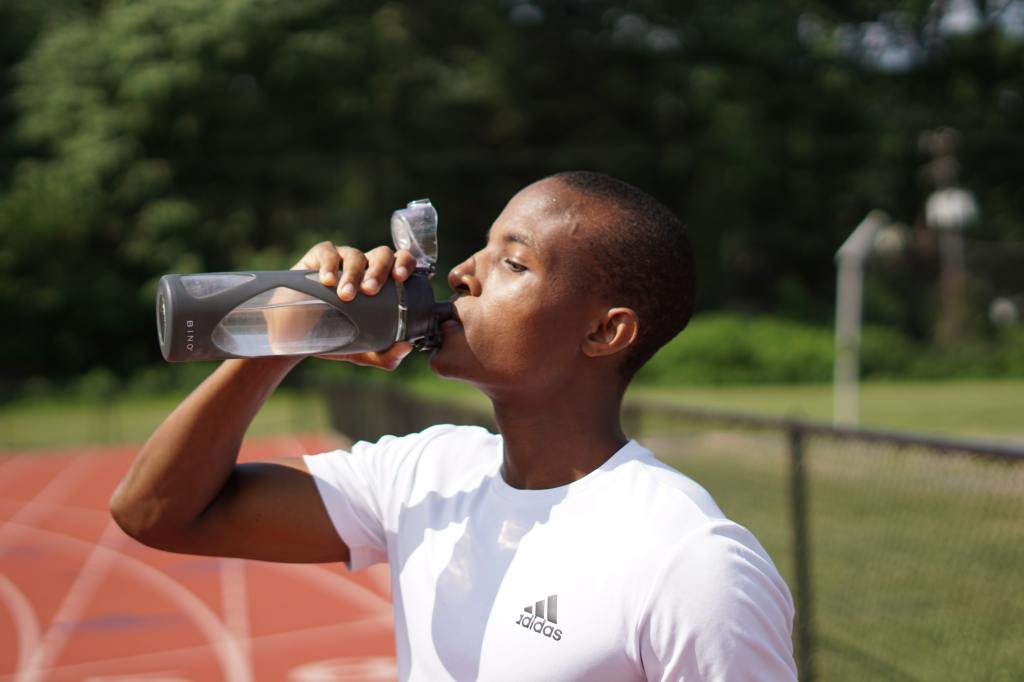
On longer efforts, I’ve also stored things like energy gels, bananas, oranges, dried fruits and nuts in my training packs/vests to eat on the way and stay consistent. This might be particularly imperative if you’re not going to have recovery food for the way back, ensuring that the muscle breakdowns suffer less.
OTHER CONSIDERATIONS
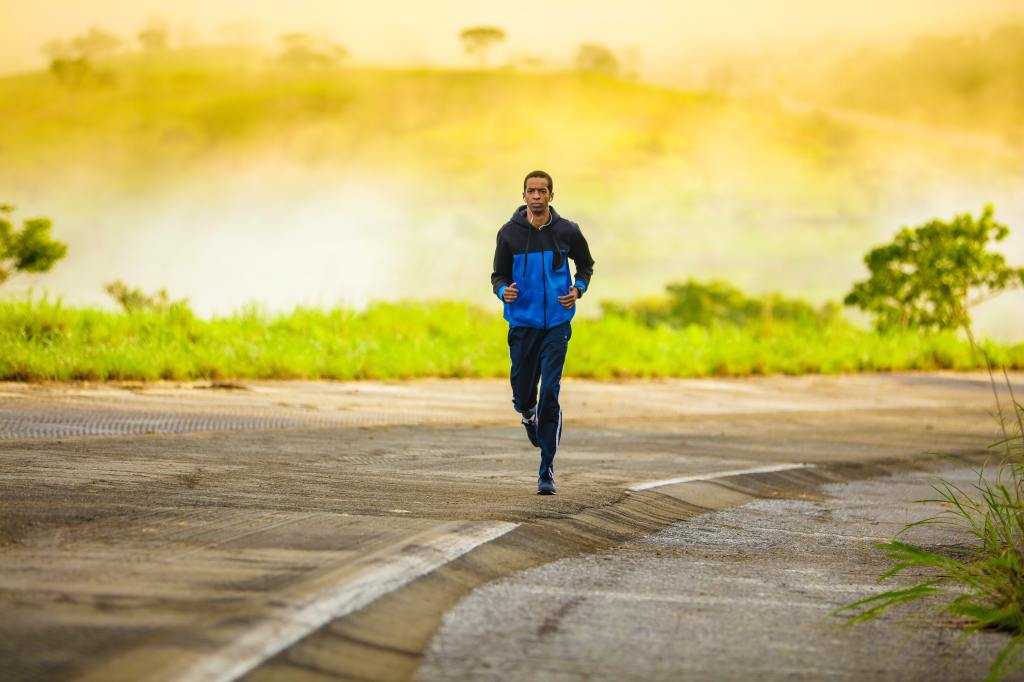
When travelling for a long run, the last thing you want to do is get stuck miles away from your car, suddenly unable to run, or lost. This is why doing an ‘out and back’ run is a great way to complete the task. Many ultra runners even use their car as an ‘aid station’ in their practice runs, while doing the same loop(s) over and over as a way of practicing what it will feel like mid-race to stop and refuel.
Beyond the ability to practice fueling for your race, I also think it’s just a safe way to run in a new place. You can use your car rather than a training vest to store food, drinks and gels; just like you can use your car to keep warmer clothes safe or even take off clothes mid-run. If you go on an adventure far away on your run and you’re feeling good in the first half, this doesn’t always mean that the second half will go according to plan. So monitoring your progress in a safer manner could be a great way to get in these longer efforts and stay in tune with what your body needs, rather than trying to push past the pain because there’s no other option.
RECAP

When travelling to a new place for a run, it’s important to do your research in advance to understand the area, the terrain, and the route that you’ll be taking. It’s also wise to pack enough fuel and hydration for all three sections of the experience (pre-run, mid-run, post-run). Finally, consider conducting shorter loops and using your car as a mechanism to store supplies, ensuring you don’t get too far away without a way of returning back to where you started.
With that, don’t be shy! Share with us what we missed and what else you consider when travelling to a new place for a run!
So there it is! What you need to bring and prepare on your training run. Be sure to check out more of our Training articles, and join our community to never miss an update. Thanks for reading and see you soon!

Be sure to join our community!
Strava Profile | Rhys Desmond
YOU MIGHT ALSO ENJOY…

Newsletter: How much trail time do you really need for trail races?
In any sport, I’ve long been a proponent of “game-realistic training”. The notion is that you need to prepare for the specific demands of what the game actually looks like. When it comes to endurance sports, this becomes more complex. What we need to develop as athletes is a well-rounded skillset.


Run Ridge Run 25K – Recap
I’ve never been so close to not starting a race. Had it been the day earlier, or the two or three prior, I might not have. But I’m so glad I started this race, as it was one of my best in years.

Newsletter – Making the treadmill more fun!
The treadmill simply can’t compare to the thrill of running outdoors, enjoying nature, and the fun challenge of varying terrain. I enjoy treadmill workouts, but I don’t think I’d be alone in saying that I enjoy an outdoor workout ten times more in ideal conditions. With that, here are some of my top tips to…









 Rhys Desmond
Leave a comment